

THE WAR ON THE TERRORISTS OF QOM IS GETTING NEAR - GET READY FOR THE NEXT PHASE OF THE WAR ON THE IRI - THE ISLAMIC REPUBLIC OF IDIOTS !
Iraq Rebels 'Get Extra aid From Iran'
April 20, 2008 The Australian From Correspondents in Baghdad
A US general said today the increasingly sophisticated attacks carried out by Shiite extremists in Iraq were evidence they were getting extra aid from Iranian groups in the country.Major General Rick Lynch, commander of US forces in central Iraq, said rocket and mortar attacks by Shiite extremists were "more effective than before".This, he said, indicated a rise in Iranian help to the militants."We are seeing an increase in (Iranian) influence ... the number of attacks that are directly attributed to Iranian influence have indeed increased," Maj-Gen Lynch said."The number of EFP (explosively formed penetrator) attacks have increased, the number of Iranian rocket attacks have indeed increased, the amount of Iranian weapons I am finding on the battlefield has increased. The amount of Shiite extremists who tie their training back to Iran have indeed increased."Maj-Gen Lynch, whose area of operation in Iraq has a long stretch of border with Iran, also said his troops have found large numbers of caches of weapons and ammunition bearing Iranian markings.Citing a recent example, the general said his troops found in one place "enough components for 1100 EFPs directly traceable back to Iran".Iran denies supplying ammunition to insurgents, or training them.Maj-Gen Lynch said previous rocket attacks were "ineffective... now there is a difference. Now they have sophisticated launch systems".The US military said about 600 rockets or mortar rounds were fired by Shiite extremists at Baghdad's heavily fortified Green Zone between March 23 and April 12.Many of them had Iranian markings on them, it said.Maj-Gen Lynch, who commands US forces in the Shiite provinces of Babil, Karbala, Najaf and Wasit, said that in recent weeks his troops had detained 25 extremists trained in Iran or by Iranian-linked groups in Iraq.During interrogation "they say we were trained in Iran or we were trained by Iranians in Iraq or we were trained by Iraqi surrogates who had been trained in Iran who have come back and trained us," the General said."So it just continues to highlight what we are experiencing, which is particularly troublesome Iranian influence in our area that's resulted in casualties of the Iraqi people, the Iraqi security forces and coalition forces."Maj-Gen Lynch said there was a "marked" Iranian influence, adding that several of the 146 US troops from his command who had been killed succumbed to "Iranian munition"."You know I have lost 146 soldiers, mainly those who were killed by Iranian munitions - either by Iranian rockets or by Iranian explosively formed penetrators - all of which are directly traceable to Iran," he said.Maj-Gen Lynch and his troops were deployed south of Baghdad in April 2007 as part of the "surge" to curb the raging bloodshed across Iraq.
Afghan, Iranian Forces Trade Gunfire on Southwester Border : April 20, 2008 The Associated Press Fox News
KABUL, Afghanistan — Afghan police clashed with Iranian forces at the southwestern border between the two countries, leaving one civilian dead and two Iranian officers wounded, officials said Sunday.The incident in the village of Pul-e-Abreshum in Nimroz province happened Saturday after an Iranian patrol entered Afghanistan, the Interior Ministry said in a statement.Afghan police dispatched a unit to the village and a gunbattle ensued. A teacher from the village was killed during the firefight, said provincial police chief Gen. Ayub Badakhshi.Two Iranian officers were wounded, the statement said. The long and porous border between the two countries is used by smugglers to traffic drugs into Iran. Many Afghans also cross illegally into Iran from the area. Border clashes are common.
ALSO : Afghan, Iran guards in deadly clash over land 43 minutes ago
An Afghan teacher was killed in a clash between Afghan and Iranian border guards over a small piece of land on the frontier, Afghanistan's interior ministry said.Two Iranian guards were also wounded in the clash Saturday, it said, adding the fighting started after Iranian border security forces entered the western province of Nimroz.
"An Afghan civilian who was a teacher was killed in a clash between Afghan and Iranian border guards. The fighting took place after the Iranians entered and claimed a piece of land," the ministry said in a statement.It did not say how much land the Iranians had claimed except that it was not large and added that the Afghan owner, who was using it for farming, had documents proving his ownership.The Afghan troops sealed off the area and forced their Iranian counterparts to "escape," the ministry said.The Iranians had left behind a vehicle which was returned to them, it said.The long border between the two countries is porous and difficult to police. It has seen clashes before, sometimes related to the trafficking of Afghanistan's mammoth drugs production across the frontier.
Rice blasts cleric's strategy in Baghdad visit
By By Anne Gearan, Associated Press - Monday, April 21, 2008
Secretary of State Condoleezza Rice characterized militant Shiite cleric Muqtada al-Sadr as being a coward hiding in Iran on Sunday, hours after the radical leader threatened to declare war unless U.S. and Iraqi forces end a military crackdown on his followers.Rice, in the Iraqi capital to address security gains and what she calls an emerging political consensus, said al-Sadr is content to issue threats and edicts from the safety of Iran, where he is studying.Al-Sadr heads an unruly militia that was the main target of an Iraqi government assault in the oil-rich city of Basra last month, and his future role as a spoiler is an open question."I know he's sitting in Iran," Rice said, when asked about al-Sadr's latest threat to lift a self-imposed cease-fire with government and U.S. forces. "I guess it's all-out war for anybody but him. I guess that's the message: His followers can go to their deaths, and he's in Iran."In a statement on his official Web site, al-Sadr said, "We denounce the visit of U.S. secretary, asking the government to ban the entrance of the terrorists' occupiers to our pure land."The statement asked Iraqis to express their opposition to the visit through peaceful means.A full-blown uprising by al-Sadr, who led two rebellions against U.S.-led forces in 2004, could lead to a dramatic increase in violence in Iraq at a time when the Sunni extremist group al-Qaida in Iraq appears poised for new attacks after suffering severe blows last year.In a posting Saturday on his Web site, al-Sadr said he tried to defuse tensions by declaring the truce last August, only to see the Shiite-led government of Prime Minister Nouri al-Maliki respond by closing his offices and "resorting to assassinations."He said government sold out to the Americans and branded his followers as "criminals."
IMPERIAL EMBLEM

PERSIA
Iranian Freedom Fighters UNITE
Showing posts with label proxy War. Show all posts
Showing posts with label proxy War. Show all posts
Monday, April 21, 2008
Saturday, April 12, 2008
USS Typhoon Fires Warning Shots At Iranian Boats
The U.S. patrol craft USS Typhoon fired warning shots at an Iranian high-speed boat as it approached the Typhoon in a "taunting manner" in the central Persian Gulf, a U.S. military official said.The USS Typhoon tried unsuccessfully to establish radio contact with the Iranian boat after it came within an estimated 200 yards of the Typhoon Thursday night, the AP quoted an official in the U.S. navy as saying.The Typhoon then warned it away by firing a flare. Two other small Iranian boats were also there in the vicinity, but turned away, the official said.However, Iran denied any kind of "confrontation" with a U.S. navy ship in the Persian Gulf - By RTTNews - For comments and feedback: contact editorial@rttnews.com
Latest News on the WAR against the Isllamic republic of Idiots-IRI-
Iran Fighting Proxy War in Iraq, U.S. Envoy Says
WASHINGTON -- Iran is engaging in a proxy war with the United States in Iraq, adopting tactics similar to those it has used to back fighters in Lebanon, the United States ambassador to Iraq said Friday
Iran Top Threat To Iraq, U.S. Says

April 12, 2008 The Washington Post Karen DeYoung, Washington Post Staff Writer
Last week's violence in Basra and Baghdad has convinced the Bush administration that actions by Iran, and not al-Qaeda, are the primary threat inside Iraq, and has sparked a broad reassessment of policy in the region, according to senior U.S. officials. Evidence of an increase in Iranian weapons, training and direction for the Shiite militias that battled U.S. and Iraqi security forces in those two cities has fixed new U.S. attention on what Defense Secretary Robert M. Gates yesterday called Tehran's "malign" influence, the officials said.The intensified focus on Iran coincides with diminished emphasis on al-Qaeda in Iraq as the leading justification for an ongoing U.S. military presence in Iraq.In congressional hearings this week, Army Gen. David H. Petraeus said the U.S. military has driven al-Qaeda from Baghdad, Anbar province and central Iraq, and he depicted the group as now largely concentrated in a reduced territory around the northern city of Mosul.During their Washington visit, Petraeus, the top U.S. military commander in Iraq, and Ambassador Ryan C. Crocker barely mentioned al-Qaeda in Iraq but spoke extensively of Iran.With "al-Qaeda in retreat and disarray" in Iraq, said one official who spoke on the condition of anonymity because he was not authorized to speak on the record, "we see other obstacles that were under the waterline more clearly. . . . The Iranian-armed militias are now the biggest threat to internal order."Partly in response to advice from Petraeus and Crocker, the administration has initiated an interagency assessment of what is known about Iranian activities and intentions, how to combat them and how to capitalize on them. The review stems from an internal conclusion, following last week's fighting, that the administration lacked a comprehensive understanding and a sophisticated approach.President Bush reiterated yesterday that if Iran continues to help militias in Iraq, "then we'll deal with them," saying in an interview with ABC News that "we're learning more about their habits and learning more about their routes" for infiltrating or sending equipment.But he also reaffirmed that he has no desire to go to war with Tehran. Saying that his job is to "solve these issues diplomatically," Bush suggested heightened interest in reaching a solution with other countries. "You can't solve these problems unilaterally. You're going to need a multilateral forum."Iran has long been seen as a spoiler in Iraq, with such strong ties to all of the major Shiite political and militia groups, including that of Prime Minister Nouri al-Maliki, that other Arab countries have begun to regard Iraq as almost a client state of Iran.The recent fighting in Basra, which began when Maliki launched a military offensive against the Mahdi Army militia of Shiite cleric Moqtada al-Sadr, revealed a threat and an opportunity, officials said.U.S. military officials said that much of the plentiful, high quality weaponry the militia used in Basra and in rocket attacks against the Green Zone in Baghdad, where the U.S. Embassy and much of the Iraqi government are located, was recently manufactured in Iran. At the same time, the militia's improved targeting and tactics indicated stepped-up Iranian training.Interrogations of four leaders of Iran's Revolutionary Guard Corps Quds Force captured in Iraq in December 2006 and January 2007 have also bolstered U.S. conclusions that portions of Sadr's militia are directed from Tehran.Despite earlier indications that Iranian backing for Iraqi armed groups and the flow of Iranian arms have waned, Adm. Michael Mullen, chairman of the Joint Chiefs of Staff, said yesterday that "this action in Basra was very convincing that indeed they haven't." Basra "gave us much more insight into their involvement in many activities."Gates, who appeared with Mullen at a Pentagon news conference, said of Iran: "We are going to be as aggressive as we possibly can be inside Iraq in trying to counter their efforts." Iraqi security operations in Basra, he said, have been "a real eye-opener" for Maliki's government.Petraeus told Congress that Maliki had launched the offensive hastily and with inadequate preparation, leading to a standoff and the need to call in U.S. air support. During the first days of the Basra operation, U.S. officials were sharply critical of Maliki's timing and performance; some worried that the attack against Sadr forces was less an offensive against what he called "criminals" in Basra than it was an attempt to win political advantage over a rival Shiite group before upcoming elections.Iran's brokering of a tentative cease-fire among Shiite political groups and the militia in Tehran added to U.S. consternation."The importance of Iranian influence in facilitating the discussion between different political factions was of significant importance," Petraeus told Pentagon reporters yesterday. Administration officials worried that Iran appeared in control of events in Iraq, while the United States seemed weak and uninformed.But more recently, U.S. officials have seen a possible advantage in the situation. Maliki's willingness to go after fellow Shiites attracted support from other political groups in Iraq, including Sunnis and Kurds, that have long been suspicious of his sectarian leanings. It also gave Washington a talking point to use with Sunni Arab governments in the region that have shunned him. "It's an opportunity to make him look better inside Iraq and to make a better argument to the Arabs," an official said.The administration has long tried in vain to build Arab diplomatic and economic support for the Iraqi government. But the Arabs, led by Saudi Arabia, consider Shiite Iran a competitor for regional dominance and have rejected Maliki as "a stooge for Tehran," as one U.S. official called him."The Saudis appear to feel that the current Iraqi government is pretty much in thrall to Iran," said a State Department official involved in Middle East policy. The administration's hope, "in the wake of Maliki's decisions on Basra," the official said, "is that the Saudis will take a step back and take another look."In a news conference Thursday, Crocker dismissed Arab concerns about a recent visit to Baghdad by Iranian President Mahmoud Ahmadinejad. "It's not the fact of the Ahmadinejad visit, but the absence of visits by other neighbors that it's important to focus on. There hasn't been a single visit, even by an Arab cabinet minister, to Baghdad. As Iraq grapples with the challenges Iran is posing, it could certainly do with some Arab support."After consultations with Crocker and Petraeus this week, Bush cut short their Washington visit and dispatched them to Riyadh. During a luncheon at The Washington Post, Crocker said that at a White House meeting Thursday morning, they "reviewed where we are in Iraq."The message to the Saudis, he said, "is going to be . . . it is time, more than time, for the Arab states to step forward and engage constructively with Iraq. Get their embassies open, get ambassadors on the ground, consider visits, implement debt relief, treat Iraq like the country it is, which is a central part of the Arab world."Staff writers Peter Baker and Ann Scott Tyson contributed to this report.
Gates: Iran Boosts Support for Militias
WASHINGTON -- Iranian support for militias in Iraq has grown, top U.S. defense leaders said Friday, asserting that recent battles in Basra gave the Iraqis an eye-opening view of Iran's increased negative role there. Defense Secretary Robert Gates said the U.S. will be as aggressive as possible to counter that increase, adding that the Iraqis "are in a position themselves to bring some pressures to bear on Iran
As Iran Works on its Bomb, the World DriftsPresident Mahmoud Ahmadinejad of Iran made another blustering claim this week: that his scientists are tripling the size of their nuclear fuel program. The fact that it made barely a diplomatic ripple is another reminder that the major powers are adrift on one of the major security challenges of the day.
Friday, February 01, 2008
NEWS FROM THE OTHER SIDE--- WHERE IS AMERICA GOING?
US Iraq Rules of Engagement leaked; Raises question about Rumsfeld authorizing war crimes
by Stephen Soldz http://www.opednews.com
Wikileaks has obtained the long kept secret Rules of Engagement (ROE) for U.S. troops in Iraq. This document sets out the rules guiding authorized U.S. troop actions in that occupation. While the Wikileaks document dates from 2005, as these ROEs generally change slowly the rules for today are likely similar, though we can't be sure, of course, to what extent more recent ROE's differ. Among several interesting nuggets in the ROE, it provides indications that U.S. attacks likely to result in civilian deaths required authorization at the top of the Pentagon, by the SECDEF (Secretary of Defense). Thus, the ROE states repeatedly; "If the target is in a HIGH CD [collateral damage] area, SECDEF approval is required." And what is the definition of a High Collateral Damage area? The ROE contains a set of explicit definitions of its terms. There we find High Collateral Damage Targets defined as: "Those targets that, if struck, have a ten percent probability of causing collateral damage through blast debris and fragmentation and are estimated to result in significant collateral effects on noncombatant persons and structures, including: (A) Non-combatant casualties estimated at 30 or greater; (B) Significant effects on Category I No Strike protected sites in accordance with Ref D; (C) In the case of dual-use facilities, effects that significantly impact the non-combatant population, including significant effects on the environment/facilities/infrastructure not related to an adversary’s war making ability; or (D) Targets in close proximity to known human shields." Thus, all attacks, except those in self-defense or active pursuit, with a reasonable possibility of harming 30 or more civilians needed approval from Defense Secretary Rumsfeld. Presumably such approval would need to be in writing. The ROE thus suggest that there may exist an extensive documentary record of requests, and possibly Rumsfeld's approval or rejection, for attacks with the potential for resulting in significant civilian casualties. Congress should demand access to these documents to determine the extent to which attacks resulting in civilian casualties were authorized, potentially providing insight into who was responsible for possible war crimes committed in the course of the occupation. While much of the rest of the ROE appears rather unsurprising, there are a couple of other interesting aspects to the document. One is that the main "hostile forces," from the U.S. perspective are the Baath remnants, such as the Special Republican Guard and the Baath Party Militia. There is no mention of Iraqi al-Qaida or its predecessors. These predecessors, led by al-Zarqawi, had identified with and pledged allegiance to al-Qaida as early as October, 2004, yet they receive no mention in the ROE. The ROE rather refers to Baath forces that "have transitioned from overt conventional resistance to insurgent methods of resistance." While the Sunni al-Qaida predecessors do not make the list of hostile forces, the Shia-based Mahdi Army of Muqtada al-Sadr does make the list of "Declared Hostile Forces," However, as of the ROE's writing, this status was "suspended and such individuals will not be engaged except in self-defense." Another interesting feature of the ROE is a complete ignoring of the language barriers separating U.S. troops from the Iraqi populace. Thus, in a section on graduated force, the first stage is "shout verbal warnings to halt." There is not even a mention of the fact that most Iraqis cannot understand warnings shouted in English. In general, the ROE is notable for lacking any recognition that, in an "insurgency," there are at best blurry boundaries between combatants and noncombatants. Thus, there is no emphasis of the need to take extraordinary measures to protect the civilian population. Rather, it provides a rationale for virtually any attacks: "US Forces may always use force, up to and including deadly force, to neutralize and/or detain individuals who commit hostile acts or exhibit hostile intent against US Forces or Coalition Forces." As we have seen repeatedly, from the numerous roadblock killings of civilians to the Haditha massacre, this ROE authorization to use force can be used to provide cover for virtually any civilian killings. The ROE suggests that preventing such deaths was low on the priority list of those officials writing the rules of engagement for the occupation. Even so, a military study found that less than half of US occupation soldiers would report a unit member for violating an ROE. Thus, even the limited protections provided civilians in the ROE were often not present on the ground.
http://soldzresearch.com/stephensoldz
Stephen Soldz is psychoanalyst, psychologist, public health researcher, and faculty member at the Institute for the Study of Violence of the Boston Graduate School of Psychoanalysis. He is a member of Roslindale Neighbors for Peace and Justice. He maintains the Psyche, Science, and Society blog.Contact Author - Contact Editor - View Other Articles by Author
Scientists See WTC - Hutchison Effect Parallel
14/18 January 2008, Washington DC, USA - In two appearances on a Washington DC Pacifica Radio Station, WPFW, on a show hosted by Author and Political Commentator Ambrose I. Lane, Sr., Dr. Judy Wood, a former Professor of Mechanical Engineering, and John Hutchison, experimental scientist, discussed how photographic and video evidence suggest that the World Trade Centre (WTC) towers were destroyed using Directed Energy Weapons
Follow The Money? God Forbid.
It's been over six years since 9/11, but U.S. regulatory entities have been slow to follow through with reports about the complex financial transactions that occurred just prior to and following the attacks. Such research could shed light on such questions as who was behind them�and who benefited�and could help lay to rest the rumors that have been festering.
9/11 Truth Was NEVER About Vindictiveness ---Enlargen
Those who simply don't want the truth about 9/11, often paint the truth movement as a vindictive crusade. Nothing could be further from the truth. So what is it about? TRUTH. A book that many have heard about that holds some great truths in it, said that "the truth shall set you free." How can it set us free? On 9/11 Americans were put under a spell . . .
9/11 Commissioner Zelikow Interfered With ReportABC reports that Philip Zelikow was holding private discussions with Karl Rove during the course of the 9/11 investigation. Not to mention giving colleague Condi Rice a free pass.
Iraq: US Military Extends Its Offensive Into The Northern City Of Mosul
Since January 1, American and Iraqi government forces have been conducting a major offensive, codenamed Phantom Phoenix, against Sunni Arab-based resistance groups in northern Iraq. The killing and repression is now being extended to Mosul, an ancient metropolis on the banks of Tigris River and Iraq�s second largest city after Baghdad.
Think Tank: Surge Now Needed In Afghanistan
The American Enterprise Institute, the think tank that came up with the �surge� strategy for Iraq, has just completed a re-evaluation of U.S. strategy in Afghanistan and Pakistan and concluded that another surge of U.S. forces is required, this time into southern Afghanistan.
Tomgram: Bombs Away Over Iraq
This is undoubtedly the most extensive use of air power in Iraq since the Bush administration's invasion of 2003 and probably represents a genuine shifting of American military strategy in that country. Despite, a few humdrum wire service pieces, no place else in the mainstream has bothered to cover the story adequately either.
Ronald Reagan's Crimes
Reagan's crimes are many and started well before he was President when he and Bush paid the Iranian's to not release the hostages in order to prevent the re-election of Jimmy Carter in 1980, not mention his reign of stupidity as Governor of California. The hostages were released as promised as Reagan was sworn into office. Reagan then secretly sold chemical & biological weapons to Iraq......
American Oil Companies Offered Five Million Dollars To Each Iraqi MP To Pass The Oil Law :: Www.uruknet.info :: Informaz
How about this? If the so-called Oil Revenue "profit-sharing law" would be such a good thing for the Iraqi People, why are they bribing Iraqi Lawmakers at 5 Million a pop?
Iraq Not Getting Rebuilt From Oil Cash- Fed Reserve Bank Has It
Increased Iraqi oil revenues stemming from high prices are piling up in the Federal Reserve Bank of New York rather than being spent on needed reconstruction projects. Some $6 billion to $7 billion from last year's budget is "being rolled over" and invested in U.S. treasuries. These Bush guys are just thugs and fleecers. They've emptied the US Treasury, now they are plundering Iraq's?
The Guy From Boston
by Stephen Soldz http://www.opednews.com
Wikileaks has obtained the long kept secret Rules of Engagement (ROE) for U.S. troops in Iraq. This document sets out the rules guiding authorized U.S. troop actions in that occupation. While the Wikileaks document dates from 2005, as these ROEs generally change slowly the rules for today are likely similar, though we can't be sure, of course, to what extent more recent ROE's differ. Among several interesting nuggets in the ROE, it provides indications that U.S. attacks likely to result in civilian deaths required authorization at the top of the Pentagon, by the SECDEF (Secretary of Defense). Thus, the ROE states repeatedly; "If the target is in a HIGH CD [collateral damage] area, SECDEF approval is required." And what is the definition of a High Collateral Damage area? The ROE contains a set of explicit definitions of its terms. There we find High Collateral Damage Targets defined as: "Those targets that, if struck, have a ten percent probability of causing collateral damage through blast debris and fragmentation and are estimated to result in significant collateral effects on noncombatant persons and structures, including: (A) Non-combatant casualties estimated at 30 or greater; (B) Significant effects on Category I No Strike protected sites in accordance with Ref D; (C) In the case of dual-use facilities, effects that significantly impact the non-combatant population, including significant effects on the environment/facilities/infrastructure not related to an adversary’s war making ability; or (D) Targets in close proximity to known human shields." Thus, all attacks, except those in self-defense or active pursuit, with a reasonable possibility of harming 30 or more civilians needed approval from Defense Secretary Rumsfeld. Presumably such approval would need to be in writing. The ROE thus suggest that there may exist an extensive documentary record of requests, and possibly Rumsfeld's approval or rejection, for attacks with the potential for resulting in significant civilian casualties. Congress should demand access to these documents to determine the extent to which attacks resulting in civilian casualties were authorized, potentially providing insight into who was responsible for possible war crimes committed in the course of the occupation. While much of the rest of the ROE appears rather unsurprising, there are a couple of other interesting aspects to the document. One is that the main "hostile forces," from the U.S. perspective are the Baath remnants, such as the Special Republican Guard and the Baath Party Militia. There is no mention of Iraqi al-Qaida or its predecessors. These predecessors, led by al-Zarqawi, had identified with and pledged allegiance to al-Qaida as early as October, 2004, yet they receive no mention in the ROE. The ROE rather refers to Baath forces that "have transitioned from overt conventional resistance to insurgent methods of resistance." While the Sunni al-Qaida predecessors do not make the list of hostile forces, the Shia-based Mahdi Army of Muqtada al-Sadr does make the list of "Declared Hostile Forces," However, as of the ROE's writing, this status was "suspended and such individuals will not be engaged except in self-defense." Another interesting feature of the ROE is a complete ignoring of the language barriers separating U.S. troops from the Iraqi populace. Thus, in a section on graduated force, the first stage is "shout verbal warnings to halt." There is not even a mention of the fact that most Iraqis cannot understand warnings shouted in English. In general, the ROE is notable for lacking any recognition that, in an "insurgency," there are at best blurry boundaries between combatants and noncombatants. Thus, there is no emphasis of the need to take extraordinary measures to protect the civilian population. Rather, it provides a rationale for virtually any attacks: "US Forces may always use force, up to and including deadly force, to neutralize and/or detain individuals who commit hostile acts or exhibit hostile intent against US Forces or Coalition Forces." As we have seen repeatedly, from the numerous roadblock killings of civilians to the Haditha massacre, this ROE authorization to use force can be used to provide cover for virtually any civilian killings. The ROE suggests that preventing such deaths was low on the priority list of those officials writing the rules of engagement for the occupation. Even so, a military study found that less than half of US occupation soldiers would report a unit member for violating an ROE. Thus, even the limited protections provided civilians in the ROE were often not present on the ground.
http://soldzresearch.com/stephensoldz
Stephen Soldz is psychoanalyst, psychologist, public health researcher, and faculty member at the Institute for the Study of Violence of the Boston Graduate School of Psychoanalysis. He is a member of Roslindale Neighbors for Peace and Justice. He maintains the Psyche, Science, and Society blog.Contact Author - Contact Editor - View Other Articles by Author
Scientists See WTC - Hutchison Effect Parallel
14/18 January 2008, Washington DC, USA - In two appearances on a Washington DC Pacifica Radio Station, WPFW, on a show hosted by Author and Political Commentator Ambrose I. Lane, Sr., Dr. Judy Wood, a former Professor of Mechanical Engineering, and John Hutchison, experimental scientist, discussed how photographic and video evidence suggest that the World Trade Centre (WTC) towers were destroyed using Directed Energy Weapons
Follow The Money? God Forbid.
It's been over six years since 9/11, but U.S. regulatory entities have been slow to follow through with reports about the complex financial transactions that occurred just prior to and following the attacks. Such research could shed light on such questions as who was behind them�and who benefited�and could help lay to rest the rumors that have been festering.
9/11 Truth Was NEVER About Vindictiveness ---Enlargen
Those who simply don't want the truth about 9/11, often paint the truth movement as a vindictive crusade. Nothing could be further from the truth. So what is it about? TRUTH. A book that many have heard about that holds some great truths in it, said that "the truth shall set you free." How can it set us free? On 9/11 Americans were put under a spell . . .
9/11 Commissioner Zelikow Interfered With ReportABC reports that Philip Zelikow was holding private discussions with Karl Rove during the course of the 9/11 investigation. Not to mention giving colleague Condi Rice a free pass.
Iraq: US Military Extends Its Offensive Into The Northern City Of Mosul
Since January 1, American and Iraqi government forces have been conducting a major offensive, codenamed Phantom Phoenix, against Sunni Arab-based resistance groups in northern Iraq. The killing and repression is now being extended to Mosul, an ancient metropolis on the banks of Tigris River and Iraq�s second largest city after Baghdad.
Think Tank: Surge Now Needed In Afghanistan
The American Enterprise Institute, the think tank that came up with the �surge� strategy for Iraq, has just completed a re-evaluation of U.S. strategy in Afghanistan and Pakistan and concluded that another surge of U.S. forces is required, this time into southern Afghanistan.
Tomgram: Bombs Away Over Iraq
This is undoubtedly the most extensive use of air power in Iraq since the Bush administration's invasion of 2003 and probably represents a genuine shifting of American military strategy in that country. Despite, a few humdrum wire service pieces, no place else in the mainstream has bothered to cover the story adequately either.
Ronald Reagan's Crimes
Reagan's crimes are many and started well before he was President when he and Bush paid the Iranian's to not release the hostages in order to prevent the re-election of Jimmy Carter in 1980, not mention his reign of stupidity as Governor of California. The hostages were released as promised as Reagan was sworn into office. Reagan then secretly sold chemical & biological weapons to Iraq......
American Oil Companies Offered Five Million Dollars To Each Iraqi MP To Pass The Oil Law :: Www.uruknet.info :: Informaz
How about this? If the so-called Oil Revenue "profit-sharing law" would be such a good thing for the Iraqi People, why are they bribing Iraqi Lawmakers at 5 Million a pop?
Iraq Not Getting Rebuilt From Oil Cash- Fed Reserve Bank Has It
Increased Iraqi oil revenues stemming from high prices are piling up in the Federal Reserve Bank of New York rather than being spent on needed reconstruction projects. Some $6 billion to $7 billion from last year's budget is "being rolled over" and invested in U.S. treasuries. These Bush guys are just thugs and fleecers. They've emptied the US Treasury, now they are plundering Iraq's?
The Guy From Boston
Thursday, September 06, 2007
It's Iran we're fighting, says Basra commander : By David Blair, Diplomatic Correspondent
British forces in southern Iraq have been fighting a "proxy war" against Iran, the commander of the troops who withdrew from Basra Palace has said.While the Army has frequently accused Iran of stirring violence across southern Iraq by arming Shia militias, no officer has been as blunt as Lt Col Patrick Sanders, commander of 4th Battalion The Rifles.
In pictures: Iraqis celebrate Basra hand-over
Frontline: Our troops in Afghanistan and Iraq
He told the BBC that 5,500 British soldiers still based at Basra Airport could return to the city if called upon by Iraq's newly trained security forces. This may happen if Iraq's army needs help against Basra's Shia militias – who Britain accuses Iran of arming and training. "We are engaged, or we have been engaged, effectively in a proxy war with Iran and if that resumes then they (Iraq's security forces) will need us to help," Lt Col Sanders said. He added that Basra was benefiting from a "lull in violence" and his troops had carried out a smooth and bloodless withdrawal from the palace in the city's centre. This took place in cooperation with Iraq's British-trained forces and after talks with the Shia militias. "There was a lot of potential for some quite serious violence and attacks on us. I'm delighted that it passed off without incident," Lt Col Sanders said. In July alone, Shia militias fired 750 mortar bombs at the British base in Basra palace. Of all the armed groups faced by British forces in southern Iraq, the Jaish al-Mahdi, or Army of the Mahdi, led by the radical cleric, Moqtada al-Sadr, was judged to be the most dangerous. But Lt Col Sanders said it was "complete nonsense" to suggest that his troops had been defeated. "The militias, and the Jaish al-Mahdi in particular, have thrown just about everything they have got at us. They have been unable to engage us in open fighting. We have been able to patrol around the city at will, on foot and in vehicles, any place or time of our choosing," he said. "It's been dangerous, and the level of violence that we have been engaged in and the casualties we have suffered are testament to that. But the notion that this is a defeat is nonsense." British forces still hold overall responsibility for security in Basra province. But their primary task is now "overwatch", not combat. They will stand ready to assist local security forces, continue training Iraqi soldiers and protect the essential supply route linking American forces in the centre of the country with their depots in Kuwait. Lt Col Sanders said their base at Basra Airport was not nearly as vulnerable as their old positions in the Palace. "Basra is quiet and stable at the moment and it augurs well for the future. The militias are talking to each other and they are talking to the Iraqi security force leadership. That is all encouraging," he said.
Lt Col Sanders's troops are due to leave Iraq in late November and early December. He said they would be replaced, indicating that Britain's military presence will continue into 2008.
Frontline
Frontline is about our soldiers fighting in the Iraq war and the Afghanistan war. Here you can read, watch and listen to reports about our troops in Iraq and Afghanistan, war policies and the casualties of war.
Brown ready to back frontline honour
PM signals he is ready to back a special honour for soldiers killed or injured "in the service of our country".
Fears for Basra as UK troops pull out
Afghanistan photos portray human toll
With the British troops in Afghanistan
Army chief attacks US over Iraq
Moqtada al-Sadr announces ceasefire
RAF gunner and civilian killed in Afghanistan
Brown won't set Iraq pull-out timetable
Call for second Iraq medal clasp
Armed Forces staff shortage crisis
Should troops get medal? Read comments
Heroic pair in line for Victoria Cross
Two soldiers are in line to receive the Victoria Cross for their actions in fighting the Taliban in Afghanistan, it has emerged.
MoD backs down over retrospective payouts
Inquests much longer than for civilians
Inquest wait 'unbearable' for families
Family turn to courts for compensation
Widows face four-year wait for inquests
Free parcel post for frontline soldiers
Calls for new military hospital
Exodus of officers hits war on terror
Gurkhas 'must be allowed to live in UK'
Wounded soldiers' family unit victory
Audio and video
Saving Pte Graham
Helmand exhibition
Up the Sangin Valley
Clearing a village
First line of defence
The Green line 0307
Dangers of life in Iraq
Iraq kidnappings
Targeting the Taliban
Views and blogs
Has the Government failed our troops?
Officer serving in Afghanistan writes
Tributes for hero 'Teddy' Ruecker
My Telegraph: Join
My Telegraph: Iraq
In pictures
Send in your pictures of British troops
Iraqis celebrate Basra handover
A soldier's life in the desert
Teenage soldiers in Afghanistan
First 50 who died in Afghanistan
Fight against Taliban
Iran border patrol
Fighting from the air
Baghdad patrol
Reports from the war zones
Where insurgents are kings of the castle
Our forgotten war
Eye witness: Death on desert patrol
Where life is cheap and easy to take
Inside Iraq: Day 1 Day 2 Day 3 Day 4
In pictures: Iraqis celebrate Basra hand-over
Frontline: Our troops in Afghanistan and Iraq
He told the BBC that 5,500 British soldiers still based at Basra Airport could return to the city if called upon by Iraq's newly trained security forces. This may happen if Iraq's army needs help against Basra's Shia militias – who Britain accuses Iran of arming and training. "We are engaged, or we have been engaged, effectively in a proxy war with Iran and if that resumes then they (Iraq's security forces) will need us to help," Lt Col Sanders said. He added that Basra was benefiting from a "lull in violence" and his troops had carried out a smooth and bloodless withdrawal from the palace in the city's centre. This took place in cooperation with Iraq's British-trained forces and after talks with the Shia militias. "There was a lot of potential for some quite serious violence and attacks on us. I'm delighted that it passed off without incident," Lt Col Sanders said. In July alone, Shia militias fired 750 mortar bombs at the British base in Basra palace. Of all the armed groups faced by British forces in southern Iraq, the Jaish al-Mahdi, or Army of the Mahdi, led by the radical cleric, Moqtada al-Sadr, was judged to be the most dangerous. But Lt Col Sanders said it was "complete nonsense" to suggest that his troops had been defeated. "The militias, and the Jaish al-Mahdi in particular, have thrown just about everything they have got at us. They have been unable to engage us in open fighting. We have been able to patrol around the city at will, on foot and in vehicles, any place or time of our choosing," he said. "It's been dangerous, and the level of violence that we have been engaged in and the casualties we have suffered are testament to that. But the notion that this is a defeat is nonsense." British forces still hold overall responsibility for security in Basra province. But their primary task is now "overwatch", not combat. They will stand ready to assist local security forces, continue training Iraqi soldiers and protect the essential supply route linking American forces in the centre of the country with their depots in Kuwait. Lt Col Sanders said their base at Basra Airport was not nearly as vulnerable as their old positions in the Palace. "Basra is quiet and stable at the moment and it augurs well for the future. The militias are talking to each other and they are talking to the Iraqi security force leadership. That is all encouraging," he said.
Lt Col Sanders's troops are due to leave Iraq in late November and early December. He said they would be replaced, indicating that Britain's military presence will continue into 2008.
Frontline
Frontline is about our soldiers fighting in the Iraq war and the Afghanistan war. Here you can read, watch and listen to reports about our troops in Iraq and Afghanistan, war policies and the casualties of war.
Brown ready to back frontline honour
PM signals he is ready to back a special honour for soldiers killed or injured "in the service of our country".
Fears for Basra as UK troops pull out
Afghanistan photos portray human toll
With the British troops in Afghanistan
Army chief attacks US over Iraq
Moqtada al-Sadr announces ceasefire
RAF gunner and civilian killed in Afghanistan
Brown won't set Iraq pull-out timetable
Call for second Iraq medal clasp
Armed Forces staff shortage crisis
Should troops get medal? Read comments
Heroic pair in line for Victoria Cross
Two soldiers are in line to receive the Victoria Cross for their actions in fighting the Taliban in Afghanistan, it has emerged.
MoD backs down over retrospective payouts
Inquests much longer than for civilians
Inquest wait 'unbearable' for families
Family turn to courts for compensation
Widows face four-year wait for inquests
Free parcel post for frontline soldiers
Calls for new military hospital
Exodus of officers hits war on terror
Gurkhas 'must be allowed to live in UK'
Wounded soldiers' family unit victory
Audio and video
Saving Pte Graham
Helmand exhibition
Up the Sangin Valley
Clearing a village
First line of defence
The Green line 0307
Dangers of life in Iraq
Iraq kidnappings
Targeting the Taliban
Views and blogs
Has the Government failed our troops?
Officer serving in Afghanistan writes
Tributes for hero 'Teddy' Ruecker
My Telegraph: Join
My Telegraph: Iraq
In pictures
Send in your pictures of British troops
Iraqis celebrate Basra handover
A soldier's life in the desert
Teenage soldiers in Afghanistan
First 50 who died in Afghanistan
Fight against Taliban
Iran border patrol
Fighting from the air
Baghdad patrol
Reports from the war zones
Where insurgents are kings of the castle
Our forgotten war
Eye witness: Death on desert patrol
Where life is cheap and easy to take
Inside Iraq: Day 1 Day 2 Day 3 Day 4
Sunday, March 04, 2007
Iraq's Maliki offers olive branch to insurgents
Sun Mar 4, 2007 5:20 AM EST
BAGHDAD (Reuters) - Shi'ite Prime Minister Nuri al -Maliki on Sunday offered an olive branch to Iraqi insurgents waging war against his government and said he would announce a long-awaited cabinet reshuffle within two weeks. Speaking at a Baghdad conference aimed at speeding up reconciliation among Iraq's warring communities, Maliki said a new U.S.-backed security plan launched in the capital last month would be extended to "every inch" of Iraq. "We do not need to implement security measures except against those who reject the language of reconciliation and dialogue, those who insist on restoring the past," Maliki said, in a reference to Sunni Arab insurgents loyal to Saddam Hussein. "We present in our hand a green olive branch, and in the other hand we present the law." Shi'ite officials have said his government could collapse if the crackdown fails to put a brake on sectarian violence that threatens to plunge Iraq into full-scale civil war. Maliki has pledged to tackle Shi'ite militias as hard as Sunni insurgents, although some Sunni leaders are skeptical. He did not say if any insurgents who stopped fighting would be given an amnesty. The prime minister is expected to replace under-performing ministers in the reshuffle, which he has promised for months. In an earlier interview with a pool television camera, Maliki said the changes would be unveiled "either this week or next." He gave no hints about who he would replace in his cabinet, which is mostly made up of members of Shi'ite, ethnic Kurd and Sunni Arab parties. In early November, Maliki called for a "comprehensive" reshuffle "to send a message to all ministers that they may be replaced if they don't succeed." He had said then he would not necessarily stick to "quotas" of cabinet posts according to parties' strength in parliament but would appoint those competent for their tasks -- something Iraq badly needs, with its potentially oil-rich economy still in a morass and its ministries accused of rampant corruption. The nearly three-week old offensive in Baghdad has sharply reduced the number of death squad killings in the capital, although car bombs still explode regularly. U.S. commanders say it will take months for the plan to produce concrete results. They say the aim of the Baghdad push is to create some "breathing space" to allow politicians to reach a political consensus. Maliki told the reconciliation meeting on Sunday he hoped an international conference being held in Baghdad on March 10 would lay the foundations for increased international and regional cooperation in stabilizing Iraq. He has invited neighboring countries and world powers to a meeting that could open the way for the United States to talk to Syria and Iran, which Washington says are fuelling violence in Iraq. Both countries deny the accusations. The United States and Syria have said they would take part, while Iran said it was weighing the invitation. A full ministerial meeting is expected in April, Washington has said. "This conference will be the basis for other regional dialogue that we hope will lead to international and regional accordance and reconciliation," Maliki said. No one should lay out the "red carpet" for any state that worked against Iraq's interests, he added.
BAGHDAD (Reuters) - Shi'ite Prime Minister Nuri al -Maliki on Sunday offered an olive branch to Iraqi insurgents waging war against his government and said he would announce a long-awaited cabinet reshuffle within two weeks. Speaking at a Baghdad conference aimed at speeding up reconciliation among Iraq's warring communities, Maliki said a new U.S.-backed security plan launched in the capital last month would be extended to "every inch" of Iraq. "We do not need to implement security measures except against those who reject the language of reconciliation and dialogue, those who insist on restoring the past," Maliki said, in a reference to Sunni Arab insurgents loyal to Saddam Hussein. "We present in our hand a green olive branch, and in the other hand we present the law." Shi'ite officials have said his government could collapse if the crackdown fails to put a brake on sectarian violence that threatens to plunge Iraq into full-scale civil war. Maliki has pledged to tackle Shi'ite militias as hard as Sunni insurgents, although some Sunni leaders are skeptical. He did not say if any insurgents who stopped fighting would be given an amnesty. The prime minister is expected to replace under-performing ministers in the reshuffle, which he has promised for months. In an earlier interview with a pool television camera, Maliki said the changes would be unveiled "either this week or next." He gave no hints about who he would replace in his cabinet, which is mostly made up of members of Shi'ite, ethnic Kurd and Sunni Arab parties. In early November, Maliki called for a "comprehensive" reshuffle "to send a message to all ministers that they may be replaced if they don't succeed." He had said then he would not necessarily stick to "quotas" of cabinet posts according to parties' strength in parliament but would appoint those competent for their tasks -- something Iraq badly needs, with its potentially oil-rich economy still in a morass and its ministries accused of rampant corruption. The nearly three-week old offensive in Baghdad has sharply reduced the number of death squad killings in the capital, although car bombs still explode regularly. U.S. commanders say it will take months for the plan to produce concrete results. They say the aim of the Baghdad push is to create some "breathing space" to allow politicians to reach a political consensus. Maliki told the reconciliation meeting on Sunday he hoped an international conference being held in Baghdad on March 10 would lay the foundations for increased international and regional cooperation in stabilizing Iraq. He has invited neighboring countries and world powers to a meeting that could open the way for the United States to talk to Syria and Iran, which Washington says are fuelling violence in Iraq. Both countries deny the accusations. The United States and Syria have said they would take part, while Iran said it was weighing the invitation. A full ministerial meeting is expected in April, Washington has said. "This conference will be the basis for other regional dialogue that we hope will lead to international and regional accordance and reconciliation," Maliki said. No one should lay out the "red carpet" for any state that worked against Iraq's interests, he added.
Friday, March 02, 2007
Greatest Expectations
Meanwhile, ............. we wait to see if the US and Iran go for a compromise proposal tendered by the Swiss to allow "dry enrichment" (suspension of uranium enrichment, but not centrifuge operations).
Follow this link : http://www.opednews.com/articles/opedne_russ_wel_070301_greatest_expectation.htm
Follow this link : http://www.opednews.com/articles/opedne_russ_wel_070301_greatest_expectation.htm
Briefings for March the 1St 2007
USA PENTAGON CHANNEL.:
Around the Services
An update on Iraq operations from senior military officials.
Robots lead the way in Afghanistan.
The White House thanks members of
the America Supports You Program.
http://pentagonchannel.mil/
AND :
http://pentagonchannel.mil/
Around the Services
An update on Iraq operations from senior military officials.
Robots lead the way in Afghanistan.
The White House thanks members of
the America Supports You Program.
http://pentagonchannel.mil/
AND :
http://pentagonchannel.mil/
Thursday, March 01, 2007
HOT NEWS OFF THE PRESS
Posted 1/3/2007 @ 20:17:4 GMTUS Funds Terror Groups to Sow Chaos in Iran
America is secretly funding militant ethnic separatist groups in Iran in an attempt to pile pressure on the Islamic regime to give up its nuclear programme. In a move that reflects Washington's growing concern with the failure of diplomatic initiatives, CIA officials are understood to be helping opposition militias among the numerous ethnic minority groups clustered in Iran's border regions. more By Sunday Telegraph
Posted 1/3/2007 @ 20:13:28 GMTBush Camp Between a Rock and a Hard Place
The Bush administration will be taking a massive gamble if it presses ahead with plans to attend a regional conference on the future of Iraq later this month. more By Daily Telegraph
Posted 1/3/2007 @ 19:55:32 GMTWashington's Mixed Signals on Iran
One day the Bush administration is bashing Iran, pushing U.N. Security Council sanctions, cutting off its credit, arresting its nationals and sending more warships into the Persian Gulf. Then, practically the next day it seems, Secretary of State Condoleezza Rice is announcing plans for U.S. and Iranian diplomats to meet in Baghdad to discuss cooperating to quell the carnage in Iraq. more By Time Magazine
Posted 1/3/2007 @ 19:3:28 GMTBolton Calls for `Regime Change' in Iran, Chastises Europeans
John Bolton, the former American envoy to the United Nations, said the U.S. should pursue ``regime change'' in Iran because European governments refuse to back sanctions tough enough to halt the suspected Iranian nuclear-bomb program. more By Bloomberg
Posted 1/3/2007 @ 18:21:4 GMTThe Negotiations Hoax
Talking with Iran—and we’ve done plenty of it—has gotten us nothing. more By National Review Online
America is secretly funding militant ethnic separatist groups in Iran in an attempt to pile pressure on the Islamic regime to give up its nuclear programme. In a move that reflects Washington's growing concern with the failure of diplomatic initiatives, CIA officials are understood to be helping opposition militias among the numerous ethnic minority groups clustered in Iran's border regions. more By Sunday Telegraph
Posted 1/3/2007 @ 20:13:28 GMTBush Camp Between a Rock and a Hard Place
The Bush administration will be taking a massive gamble if it presses ahead with plans to attend a regional conference on the future of Iraq later this month. more By Daily Telegraph
Posted 1/3/2007 @ 19:55:32 GMTWashington's Mixed Signals on Iran
One day the Bush administration is bashing Iran, pushing U.N. Security Council sanctions, cutting off its credit, arresting its nationals and sending more warships into the Persian Gulf. Then, practically the next day it seems, Secretary of State Condoleezza Rice is announcing plans for U.S. and Iranian diplomats to meet in Baghdad to discuss cooperating to quell the carnage in Iraq. more By Time Magazine
Posted 1/3/2007 @ 19:3:28 GMTBolton Calls for `Regime Change' in Iran, Chastises Europeans
John Bolton, the former American envoy to the United Nations, said the U.S. should pursue ``regime change'' in Iran because European governments refuse to back sanctions tough enough to halt the suspected Iranian nuclear-bomb program. more By Bloomberg
Posted 1/3/2007 @ 18:21:4 GMTThe Negotiations Hoax
Talking with Iran—and we’ve done plenty of it—has gotten us nothing. more By National Review Online
IRAN: HUNDREDS DEMANDING STUDENT'S RELEASE TO GO ON HUNGER STRIKE
Hundreds of students, journalists and intellectuals have announced a 24-hour hunger strike on Friday to demand the release from jail of political prisoners including Ahmad Batebi, detained after the July 1999 students' protests. His father Bagher Batebi has also launched an appeal for the international public opinion demanding the release of his son which has been published by Amnesty International.Batebi was arrested in July 1999 after he became a symbol of the students' movement following the publication on the British-based Economist magazine's front page of a picture of him holding the bloodied shirt of a fellow student killed by police at a student rally. His wife Sommayah Batinat was arrested last week after disclosing to the international media, that her husband was still in detention despite his poor health. Plainclothes officials reportedly brought the woman to an undisclosed location . Batebi's parents have since Thursday morning also started a sit-in protest at Tehran's Daneshjoo( Students) park where they say they will remain until their son is freed. "For the past eight years I have been watching the famous picture of my son while waiting for his release and I have no intention to sit still," said Bagher Batebi in his appeal. "I ask the entire world to help us free Ahmad before he is handed back to us inside a coffin."
Iraq says police kill dozens of al Qaeda members
By Waleed Ibrahim
BAGHDAD (Reuters) - Iraqi security forces killed dozens of al Qaeda militants who attacked a village in western Anbar province on Wednesday, during fierce clashes that lasted much of the day, police officials said on Thursday. Sunni tribal leaders are involved in an escalating power struggle with Sunni al Qaeda for control of Anbar, a vast desert province that is the heart of the Sunni Arab insurgency in Iraq. Interior Ministry spokesman Abdul Karim Khalaf said foreign Arabs and Afghans were among some 80 militants killed and 50 captured in the clashes in Amiriyat al Falluja, a village where local tribes had opposed al Qaeda. A police official in the area, Ahmed al-Falluji, put the number of militants killed at 70, with three police killed. There was no immediate verification of the number of casualties from medical sources. A U.S. military spokesman in the nearby city of Falluja, Major Jeff Pool, said U.S. forces were not involved in the battle but had received reports from Iraqi police that it lasted most of Wednesday. He could not confirm the number killed. Another police source in Falluja said dozens were killed."Because it was so many killed we can't give an exact number for the death toll," the police source told Reuters. Witnesses said dozens of al Qaeda members attacked the village, prompting residents to flee and seek help from Iraqi security forces, who sent in police and soldiers.
POWER STRUGGLE
The escalating power struggle within the Sunni community in Anbar comes as U.S. and Iraqi troops concentrate efforts in Baghdad to stem violence between Shi'ites and Sunnis that is pushing the country to civil war. It also occurs ahead of a planned reinforcement in Anbar by 4,000 U.S. troops, who could find themselves in the middle of the deadly rivalry. The U.S. military has encouraged an alliance of Sunni tribesmen against al Qaeda in the province, the deadliest place for American troops in Iraq. A lorry bomb last Saturday near a Sunni mosque in Ramadi, the capital of Anbar, killed 52 people. That blast occurred a day after the mosque's imam made a speech criticising al Qaeda. The U.S. military says it cannot defeat al Qaeda in Anbar without the help of the traditionally minded tribal leaders, who oppose the militant group's plan to impose an Islamic caliphate. Tribesmen and al Qaeda militants have fought recent battles in towns and villages along the length of the Euphrates valley from Falluja, west of Baghdad, to the Syrian border. In other violence in the region, a car bomb targeting a convoy of cars carrying guests celebrating the wedding of a policemen killed five people and wounded 10 in Falluja on Thursday, a separate police source said. The number of Iraqi civilian deaths in February was the lowest for four months, figures from Iraq's interior, defence and health ministries showed. A new security offensive in Baghdad was launched midway through the month. But at 1,645 civilian deaths, the figures provided by ministry officials are still far above the 545 civilian deaths recorded a year ago during February 2006.
BAGHDAD (Reuters) - Iraqi security forces killed dozens of al Qaeda militants who attacked a village in western Anbar province on Wednesday, during fierce clashes that lasted much of the day, police officials said on Thursday. Sunni tribal leaders are involved in an escalating power struggle with Sunni al Qaeda for control of Anbar, a vast desert province that is the heart of the Sunni Arab insurgency in Iraq. Interior Ministry spokesman Abdul Karim Khalaf said foreign Arabs and Afghans were among some 80 militants killed and 50 captured in the clashes in Amiriyat al Falluja, a village where local tribes had opposed al Qaeda. A police official in the area, Ahmed al-Falluji, put the number of militants killed at 70, with three police killed. There was no immediate verification of the number of casualties from medical sources. A U.S. military spokesman in the nearby city of Falluja, Major Jeff Pool, said U.S. forces were not involved in the battle but had received reports from Iraqi police that it lasted most of Wednesday. He could not confirm the number killed. Another police source in Falluja said dozens were killed."Because it was so many killed we can't give an exact number for the death toll," the police source told Reuters. Witnesses said dozens of al Qaeda members attacked the village, prompting residents to flee and seek help from Iraqi security forces, who sent in police and soldiers.
POWER STRUGGLE
The escalating power struggle within the Sunni community in Anbar comes as U.S. and Iraqi troops concentrate efforts in Baghdad to stem violence between Shi'ites and Sunnis that is pushing the country to civil war. It also occurs ahead of a planned reinforcement in Anbar by 4,000 U.S. troops, who could find themselves in the middle of the deadly rivalry. The U.S. military has encouraged an alliance of Sunni tribesmen against al Qaeda in the province, the deadliest place for American troops in Iraq. A lorry bomb last Saturday near a Sunni mosque in Ramadi, the capital of Anbar, killed 52 people. That blast occurred a day after the mosque's imam made a speech criticising al Qaeda. The U.S. military says it cannot defeat al Qaeda in Anbar without the help of the traditionally minded tribal leaders, who oppose the militant group's plan to impose an Islamic caliphate. Tribesmen and al Qaeda militants have fought recent battles in towns and villages along the length of the Euphrates valley from Falluja, west of Baghdad, to the Syrian border. In other violence in the region, a car bomb targeting a convoy of cars carrying guests celebrating the wedding of a policemen killed five people and wounded 10 in Falluja on Thursday, a separate police source said. The number of Iraqi civilian deaths in February was the lowest for four months, figures from Iraq's interior, defence and health ministries showed. A new security offensive in Baghdad was launched midway through the month. But at 1,645 civilian deaths, the figures provided by ministry officials are still far above the 545 civilian deaths recorded a year ago during February 2006.
The Pentagon Plays War Games with Iran
"The question is not what the Americans are planning," Walsh said, "but what the Iranians are planning."
Inter Press Service Gareth Porter
Two weeks ago, Pentagon officials discussed a strategy to escalate US pressure on Iran with the intention of creating the impression that the United States is ready to go to war, according to an account by one of the participants. A meeting at the Pentagon in mid-February was said by a participant to have revolved around a plan to ratchet up US rhetoric about an Iranian threat and make further military preparations for war in a way that would be reminiscent of what happened prior to the US invasion of Iraq in 2003. The account was described by a source outside the Pentagon who obtained it directly from the participant. The description of Pentagon thinking suggests a strategy that is much more aggressive than the line represented by Secretary of State Condoleezza Rice's announcement on Tuesday that the United States would participate in direct talks with Iran in the context of a conference to be convened by the Iraqi government.


According to the account provided by the participant, the US administration's decision last month to increase military strength in Iraq by at least 22,000 troops is related more to a strategy of increased pressure on Iran than to stabilizing the situation in Baghdad. The troop decision was described as putting the US military in a better position to respond to attacks by Shi'ite forces on US troops in retaliation against a possible strike against Iran. That description is consistent with other indications that President George W Bush's decision on the troop "surge" was made primarily in the context of its strategy toward Iran.
Immediately after Bush's January 10 speech announcing the additional troops, the National Broadcasting Co's Tim Russert reported that Bush and his top advisers had told a small group of journalists that the United States would not sit down with Iran until the US had gained "leverage". That was the most direct indication from Bush administration officials that they believed the US could negotiate successfully with Iran once the administration had altered the bargaining relationship with Tehran. In that same briefing for reporters, according to Russert, the officials indicated that one of the administration objectives was to achieve a situation in which Washington would not have to "go to Syria and Iran" and "ask for anything". That was an indirect reference to the bargaining leverage that Iran was believed to have derived from the widely shared belief that the US would need Iran's help to stabilize the situation in Iraq. Bush was apparently convinced that the troop increase would convince Iran that the US would not have to rely on Iranian influence in Iraq to deal with Shi'ite opposition to the occupation. But the troop-surge decision was also linked to another aspect of the US-Iran bargaining relationship. It had been widely speculated that the vulnerability of the US to retaliatory attacks in Iraq added to Tehran's leverage by restraining the Bush administration from waging a preemptive war against Iran.


The briefing before Bush's January 10 speech also provided a key piece of evidence that the Bush strategy would involve increasing pressure on Iran by framing the issue of US policy in terms of new military threats from Iran toward US and allied interests in the Middle East. Russert reported that administration officials had tipped off journalists that Iran would soon be raised as a major issue in what Russert called "a very acute way". The January speech was followed by a carefully orchestrated campaign of administration statements and leaks alleging official Iranian involvement in providing armor-penetrating weapons to Shi'ite militias in Iraq. The administration admitted in a briefing in Baghdad aimed at bolstering that charge that it was based on "inference" rather than actual evidence. To increase the sense of heightened tension with Iran and suggest momentum toward a military confrontation, the administration had already moved an additional aircraft-carrier task force into the Persian Gulf. Another move in the increased pressure on Iran, according to the same source, is that refueling assets are now being flown into the US base at Diego Garcia in the Indian Ocean. "You can't launch air strikes against Iran without refueling assets being there," the source observed. High administration officials have used carefully chosen words in recent weeks to suggest that they are planning for war against Iran even as press leaks about a possible attack multiplied. On February 15, Defense Secretary Robert Gates said, "We are not looking for an excuse to go to war with Iran ...We are not planning a war with Iran." Meanwhile, however, the administration maintains the position that the option of a military strike against Iran remains as its last resort if Iran does not agree to US terms for negotiations. After the administration failed to produce evidence of Iranian government involvement in exporting weapons to the Shi'ites in a Baghdad press conference on February 11, it introduced a new line on an alleged Iranian threat. Vice Admiral Patrick Walsh, who is leaving his position as commander of Naval Forces Central Command, told reporters on February 19 that the Iranian military conducts exercises in the Strait of Hormuz, suggesting that it could use mines to close the narrow strait linking the Persian Gulf to the Gulf of Oman and, thence, the Indian Ocean. Walsh called mines "an offensive terrorist type of weapon". Iranian officials have always placed their threats to close the Strait of Hormuz explicitly in the context of retaliation for a strike by the US against Iran. "The question is not what the Americans are planning," Walsh said, "but what the Iranians are planning." That statement indicates that the US is designing a new campaign to portray Iran's military posture as threatening to US allies and security in the Middle East. The participant's account of the Pentagon meeting did not indicate any timetable for the sequence of steps or what the climactic move in the campaign would be. Nor did it suggest that a decision had been made by the White House to launch air strikes against Iran. However, the moves now planned would increase the likelihood of war in the event that Washington's escalatory moves fail to sway Iran's leaders. A former assistant secretary of defense in the administration of US president Bill Clinton, Charles Freeman, who was also ambassador to Saudi Arabia, calls Bush's escalation of military pressure "brinkmanship" - a term recalling the practice by president Dwight D Eisenhower and his secretary of state John Foster Dulles of threatening war against China over Korea and the Taiwan Strait. "By deploying forces to add credibility to the threat," Freeman told Inter Press Service. "You increase the risk of military conflict, which is [in] fact what is intended." Gareth Porter is an investigative historian and journalist specializing in US national-security policy. His latest book, Perils of Dominance: Imbalance of Power and the Road to War in Vietnam, was published in June 2005.
Inter Press Service Gareth Porter
Two weeks ago, Pentagon officials discussed a strategy to escalate US pressure on Iran with the intention of creating the impression that the United States is ready to go to war, according to an account by one of the participants. A meeting at the Pentagon in mid-February was said by a participant to have revolved around a plan to ratchet up US rhetoric about an Iranian threat and make further military preparations for war in a way that would be reminiscent of what happened prior to the US invasion of Iraq in 2003. The account was described by a source outside the Pentagon who obtained it directly from the participant. The description of Pentagon thinking suggests a strategy that is much more aggressive than the line represented by Secretary of State Condoleezza Rice's announcement on Tuesday that the United States would participate in direct talks with Iran in the context of a conference to be convened by the Iraqi government.

According to the account provided by the participant, the US administration's decision last month to increase military strength in Iraq by at least 22,000 troops is related more to a strategy of increased pressure on Iran than to stabilizing the situation in Baghdad. The troop decision was described as putting the US military in a better position to respond to attacks by Shi'ite forces on US troops in retaliation against a possible strike against Iran. That description is consistent with other indications that President George W Bush's decision on the troop "surge" was made primarily in the context of its strategy toward Iran.
Immediately after Bush's January 10 speech announcing the additional troops, the National Broadcasting Co's Tim Russert reported that Bush and his top advisers had told a small group of journalists that the United States would not sit down with Iran until the US had gained "leverage". That was the most direct indication from Bush administration officials that they believed the US could negotiate successfully with Iran once the administration had altered the bargaining relationship with Tehran. In that same briefing for reporters, according to Russert, the officials indicated that one of the administration objectives was to achieve a situation in which Washington would not have to "go to Syria and Iran" and "ask for anything". That was an indirect reference to the bargaining leverage that Iran was believed to have derived from the widely shared belief that the US would need Iran's help to stabilize the situation in Iraq. Bush was apparently convinced that the troop increase would convince Iran that the US would not have to rely on Iranian influence in Iraq to deal with Shi'ite opposition to the occupation. But the troop-surge decision was also linked to another aspect of the US-Iran bargaining relationship. It had been widely speculated that the vulnerability of the US to retaliatory attacks in Iraq added to Tehran's leverage by restraining the Bush administration from waging a preemptive war against Iran.


The briefing before Bush's January 10 speech also provided a key piece of evidence that the Bush strategy would involve increasing pressure on Iran by framing the issue of US policy in terms of new military threats from Iran toward US and allied interests in the Middle East. Russert reported that administration officials had tipped off journalists that Iran would soon be raised as a major issue in what Russert called "a very acute way". The January speech was followed by a carefully orchestrated campaign of administration statements and leaks alleging official Iranian involvement in providing armor-penetrating weapons to Shi'ite militias in Iraq. The administration admitted in a briefing in Baghdad aimed at bolstering that charge that it was based on "inference" rather than actual evidence. To increase the sense of heightened tension with Iran and suggest momentum toward a military confrontation, the administration had already moved an additional aircraft-carrier task force into the Persian Gulf. Another move in the increased pressure on Iran, according to the same source, is that refueling assets are now being flown into the US base at Diego Garcia in the Indian Ocean. "You can't launch air strikes against Iran without refueling assets being there," the source observed. High administration officials have used carefully chosen words in recent weeks to suggest that they are planning for war against Iran even as press leaks about a possible attack multiplied. On February 15, Defense Secretary Robert Gates said, "We are not looking for an excuse to go to war with Iran ...We are not planning a war with Iran." Meanwhile, however, the administration maintains the position that the option of a military strike against Iran remains as its last resort if Iran does not agree to US terms for negotiations. After the administration failed to produce evidence of Iranian government involvement in exporting weapons to the Shi'ites in a Baghdad press conference on February 11, it introduced a new line on an alleged Iranian threat. Vice Admiral Patrick Walsh, who is leaving his position as commander of Naval Forces Central Command, told reporters on February 19 that the Iranian military conducts exercises in the Strait of Hormuz, suggesting that it could use mines to close the narrow strait linking the Persian Gulf to the Gulf of Oman and, thence, the Indian Ocean. Walsh called mines "an offensive terrorist type of weapon". Iranian officials have always placed their threats to close the Strait of Hormuz explicitly in the context of retaliation for a strike by the US against Iran. "The question is not what the Americans are planning," Walsh said, "but what the Iranians are planning." That statement indicates that the US is designing a new campaign to portray Iran's military posture as threatening to US allies and security in the Middle East. The participant's account of the Pentagon meeting did not indicate any timetable for the sequence of steps or what the climactic move in the campaign would be. Nor did it suggest that a decision had been made by the White House to launch air strikes against Iran. However, the moves now planned would increase the likelihood of war in the event that Washington's escalatory moves fail to sway Iran's leaders. A former assistant secretary of defense in the administration of US president Bill Clinton, Charles Freeman, who was also ambassador to Saudi Arabia, calls Bush's escalation of military pressure "brinkmanship" - a term recalling the practice by president Dwight D Eisenhower and his secretary of state John Foster Dulles of threatening war against China over Korea and the Taiwan Strait. "By deploying forces to add credibility to the threat," Freeman told Inter Press Service. "You increase the risk of military conflict, which is [in] fact what is intended." Gareth Porter is an investigative historian and journalist specializing in US national-security policy. His latest book, Perils of Dominance: Imbalance of Power and the Road to War in Vietnam, was published in June 2005.
Tuesday, February 27, 2007
Another High Ranking IRI officer detained in Baghdad
سه شنبه، 8 اسفند ماه 1385 برابر با 2007 Tuesday 27 February
آمريكا يک فرمانده سپاه پاسداران را در عراق دستگير كرده است
آمريكا يک فرمانده سپاه پاسداران را در عراق دستگير كرده است
خبرگزاری حکومتی فارس: مقامات بلندپايه آمريكايي ادعا كردند نيروهاي ارتش اين كشور، سرهنگ "محسن شيرازي" از فرماندهان نيروي قدس سپاه پاسداران انقلاب اسلامي را در عراق دستگير كردهاند. شبكه خبري سيانان آمريكا، با بيان اين ادعا كه "محسن شيرازي" مسؤوليت ارسال اسلحه براي شبهنظاميان شيعه عراق را برعهده داشته، مدعي شد: شیرازی كه در سپاه پاسداران انقلاب اسلامي، درجه سرهنگي دارد، فرماندهي عمليات نيروي قدس و تهيه سلاح را براي گروههاي شبهنظامي شيعه عراق و آموزش نظامي آنها، برعهده داشته است.
'Devastating response' if Iran nukes attacked
Terrorists say Tehran providing instructions in case U.S., Israel strike atomic facilities
By Aaron Klein/ © 2007 WorldNetDaily.com
Iran is anticipating a U.S. or Israeli military strike on its nuclear facilities and has been providing Palestinian terrorists and other regional allies with contingency plans for attacks against the Jewish state and American regional interests in the event of war, according to Palestinian terrorist leaders. A senior leader of the Islamic Jihad terror group, which Israel says is backed by Iran, told WND Tehran is expecting to be attacked, but he didn't provide a time frame in which Iran anticipates a strike.He claimed during any attack his organization has been directed by Iran to "wreak havoc" on Israel with suicide bombings, rocket attacks and "special surprises." He said rocket attacks would be launched from both the Gaza Strip and from the West Bank, which borders Jerusalem. He threatened his terror group will target American interests in the Middle East whether any purported strike against Tehran is carried out by Israel or the U.S."
The Zionists and the Americans are coordinated 100 percent. It doesn't matter who attacks Iran, we are planning to hit them both," said the Islamic Jihad leader, who spoke on condition of anonymity because he said the topic was "very sensitive." He said overall Islamic Jihad leader Ramadan Shallah has been coordinating war plans with Iran, Syria and the Iranian-backed Hezbollah Lebanese militia. Shallah resides in Damascus and travels frequently to Tehran. Abu Ahmed, the northern West Bank chief of the Al Aqsa Martyrs Brigades terror organization, told WND all major Palestinian militant organizations are preparing to work together in the event Iran is attacked. "Our strategy is not to leave the Islamic alliance (Iran) alone against the enemy. All Palestinian organizations will work together in shooting rockets, suicide bomb attacks and other steps and actions decided closely." The Brigades is the declared military wing of Palestinian Authority President Mahmoud Abbas' Fatah Party. Together with Islamic Jihad, the Al Aqsa Martyrs Brigades has taken responsibility for every suicide bombing in Israel the last two years, including a bombing last month in Eilat and an attack in Tel Aviv last April that killed eight Israelis and American teenager Daniel Wultz. Israel says major Brigades cells in the Gaza Strip and West Bank receive Iranian funding through contacts with Hezbollah. Abu Ahmed said in his terror group's estimation Iran will indeed be attacked. "It's not a question of if, but when. The campaign now in the American media is just like the campaign before the invasion of Iraq," he charged. A senior leader of the Popular Resistance Committees terror group, speaking on condition of anonymity, told WND his group has also been preparing for what he called "the upcoming war." The Committees is a coalition of terror organizations operating in the Gaza Strip and the West Bank responsible for hundreds of anti-Israel rocket and shooting attacks. It is accused of bombing a U.S. convoy in Gaza in 2003 in which three American government contractors were killed. "We are preparing the tomb that Allah is digging for the Zionists and Americans," said the Committees leader. He claimed during any U.S. or Israeli military strike against Tehran, a response will be directed against Israel and American interests by Iran, Syria, Hezbollah and Palestinian terrorists. "The war will be a war on more than one front. It will be everybody against everybody. Iran, Syria, Hezbollah and the Palestinian organizations will work together. War with Iran is coming and it means the Middle East will not remain the same after it," the Committees leader said. Syria and Iran signed a military agreement in which either will respond if the other is attacked. Israeli security officials told WND Israel is not currently planning to strike Iran. Speaking theoretically, they said if any war breaks out involving Iran, they expect Syria, Hezbollah and Palestinian terrorists to join the fray and attack Israel. The security officials said the greatest threat Syria poses to the Jewish state are the country's missiles. They noted Syria recently test-fired two Scud-D surface-to-surface missiles, which have a range of about 250 miles, covering most Israeli territory. The officials said the Syrian missile test was coordinated with Iran and is believed to have been successful. It is not known what type of warhead the missiles were armed with. In addition to longer range Scuds, Syria is in possession of shorter range missiles such as 20mm and 305mm rockets, some of which have been passed on to Hezbollah. According to information received by Israel, Russia is set to conclude a deal worth several hundred million dollars transferring thousands of advanced antitank missiles to Syria. Antitank missiles used by Hezbollah during Israel's war in Lebanon this past summer devastated Israeli tanks and caused the highest number of Israeli troop casualties during the 34 days of military confrontations. Last week, a senior officer from the intelligence unit of the Israeli Defense Forces announced Hezbollah is stronger today than before the 2006 Lebanon war. "Hezbollah has reinforced and it is stronger today than it was before the war in Lebanon," General Yossi Beidatz, head of the IDF's intelligence research department, told the Knesset. During the war in Lebanon, Hezbollah fired more than 3,000 rockets into northern Israel, killing 39 civilians and devastating many northern towns. Beidatz also said Syria is reinforcing its military to prepare for the possibility of a new armed conflict in the region. According to reports in the Israeli media, Syria, aided by Iranian officers, has been boosting its army and navy. The reports, denied by Damascus, claimed Syria last week was moving troops closer to the border with Israel.The claim by Palestinian terrorists Iran is preparing for war come as Iranian President Mahmoud Ahmadinejad said yesterday his country's nuclear program cannot stop while a deputy foreign minister vowed Tehran was prepared for any eventuality, "even for war." "Iran has obtained the technology to produce nuclear fuel and Iran's move is like a train ... which has no brake and no reverse gear," Ahmadinejad said, according to Iranian state media. Manouchehr Mohammadi, a deputy at Iran's foreign ministry commented, "We have prepared ourselves for any situation, even for war." Iranian military commanders have said recent war games, the latest of which involved testing several missiles this month, show Iran's readiness to counter any attack. Meanwhile U.S. Vice President Dick Cheney said over the weekend Iran's atomic ambitions must be curbed. He told reporters "all options" were on the table. During a visit to Australia, Cheney said it would be a "serious mistake" to allow Iran to become a nuclear power. An Australian newspaper quoted Cheney endorsing comments by U.S. Sen. John McCain, R-Ariz., that the only thing worse than a military confrontation with Iran would be a nuclear-armed Iran. Iran ignored last week's United Nations deadline to halt uranium enrichment, a process that can be used to fuel for nuclear power plants or produce material for warheads. Tehran claims it wants to negotiate but has repeatedly ruled out suspending its atomic program.
By Aaron Klein/ © 2007 WorldNetDaily.com
Iran is anticipating a U.S. or Israeli military strike on its nuclear facilities and has been providing Palestinian terrorists and other regional allies with contingency plans for attacks against the Jewish state and American regional interests in the event of war, according to Palestinian terrorist leaders. A senior leader of the Islamic Jihad terror group, which Israel says is backed by Iran, told WND Tehran is expecting to be attacked, but he didn't provide a time frame in which Iran anticipates a strike.He claimed during any attack his organization has been directed by Iran to "wreak havoc" on Israel with suicide bombings, rocket attacks and "special surprises." He said rocket attacks would be launched from both the Gaza Strip and from the West Bank, which borders Jerusalem. He threatened his terror group will target American interests in the Middle East whether any purported strike against Tehran is carried out by Israel or the U.S."
The Zionists and the Americans are coordinated 100 percent. It doesn't matter who attacks Iran, we are planning to hit them both," said the Islamic Jihad leader, who spoke on condition of anonymity because he said the topic was "very sensitive." He said overall Islamic Jihad leader Ramadan Shallah has been coordinating war plans with Iran, Syria and the Iranian-backed Hezbollah Lebanese militia. Shallah resides in Damascus and travels frequently to Tehran. Abu Ahmed, the northern West Bank chief of the Al Aqsa Martyrs Brigades terror organization, told WND all major Palestinian militant organizations are preparing to work together in the event Iran is attacked. "Our strategy is not to leave the Islamic alliance (Iran) alone against the enemy. All Palestinian organizations will work together in shooting rockets, suicide bomb attacks and other steps and actions decided closely." The Brigades is the declared military wing of Palestinian Authority President Mahmoud Abbas' Fatah Party. Together with Islamic Jihad, the Al Aqsa Martyrs Brigades has taken responsibility for every suicide bombing in Israel the last two years, including a bombing last month in Eilat and an attack in Tel Aviv last April that killed eight Israelis and American teenager Daniel Wultz. Israel says major Brigades cells in the Gaza Strip and West Bank receive Iranian funding through contacts with Hezbollah. Abu Ahmed said in his terror group's estimation Iran will indeed be attacked. "It's not a question of if, but when. The campaign now in the American media is just like the campaign before the invasion of Iraq," he charged. A senior leader of the Popular Resistance Committees terror group, speaking on condition of anonymity, told WND his group has also been preparing for what he called "the upcoming war." The Committees is a coalition of terror organizations operating in the Gaza Strip and the West Bank responsible for hundreds of anti-Israel rocket and shooting attacks. It is accused of bombing a U.S. convoy in Gaza in 2003 in which three American government contractors were killed. "We are preparing the tomb that Allah is digging for the Zionists and Americans," said the Committees leader. He claimed during any U.S. or Israeli military strike against Tehran, a response will be directed against Israel and American interests by Iran, Syria, Hezbollah and Palestinian terrorists. "The war will be a war on more than one front. It will be everybody against everybody. Iran, Syria, Hezbollah and the Palestinian organizations will work together. War with Iran is coming and it means the Middle East will not remain the same after it," the Committees leader said. Syria and Iran signed a military agreement in which either will respond if the other is attacked. Israeli security officials told WND Israel is not currently planning to strike Iran. Speaking theoretically, they said if any war breaks out involving Iran, they expect Syria, Hezbollah and Palestinian terrorists to join the fray and attack Israel. The security officials said the greatest threat Syria poses to the Jewish state are the country's missiles. They noted Syria recently test-fired two Scud-D surface-to-surface missiles, which have a range of about 250 miles, covering most Israeli territory. The officials said the Syrian missile test was coordinated with Iran and is believed to have been successful. It is not known what type of warhead the missiles were armed with. In addition to longer range Scuds, Syria is in possession of shorter range missiles such as 20mm and 305mm rockets, some of which have been passed on to Hezbollah. According to information received by Israel, Russia is set to conclude a deal worth several hundred million dollars transferring thousands of advanced antitank missiles to Syria. Antitank missiles used by Hezbollah during Israel's war in Lebanon this past summer devastated Israeli tanks and caused the highest number of Israeli troop casualties during the 34 days of military confrontations. Last week, a senior officer from the intelligence unit of the Israeli Defense Forces announced Hezbollah is stronger today than before the 2006 Lebanon war. "Hezbollah has reinforced and it is stronger today than it was before the war in Lebanon," General Yossi Beidatz, head of the IDF's intelligence research department, told the Knesset. During the war in Lebanon, Hezbollah fired more than 3,000 rockets into northern Israel, killing 39 civilians and devastating many northern towns. Beidatz also said Syria is reinforcing its military to prepare for the possibility of a new armed conflict in the region. According to reports in the Israeli media, Syria, aided by Iranian officers, has been boosting its army and navy. The reports, denied by Damascus, claimed Syria last week was moving troops closer to the border with Israel.The claim by Palestinian terrorists Iran is preparing for war come as Iranian President Mahmoud Ahmadinejad said yesterday his country's nuclear program cannot stop while a deputy foreign minister vowed Tehran was prepared for any eventuality, "even for war." "Iran has obtained the technology to produce nuclear fuel and Iran's move is like a train ... which has no brake and no reverse gear," Ahmadinejad said, according to Iranian state media. Manouchehr Mohammadi, a deputy at Iran's foreign ministry commented, "We have prepared ourselves for any situation, even for war." Iranian military commanders have said recent war games, the latest of which involved testing several missiles this month, show Iran's readiness to counter any attack. Meanwhile U.S. Vice President Dick Cheney said over the weekend Iran's atomic ambitions must be curbed. He told reporters "all options" were on the table. During a visit to Australia, Cheney said it would be a "serious mistake" to allow Iran to become a nuclear power. An Australian newspaper quoted Cheney endorsing comments by U.S. Sen. John McCain, R-Ariz., that the only thing worse than a military confrontation with Iran would be a nuclear-armed Iran. Iran ignored last week's United Nations deadline to halt uranium enrichment, a process that can be used to fuel for nuclear power plants or produce material for warheads. Tehran claims it wants to negotiate but has repeatedly ruled out suspending its atomic program.
0
comments

 Labels:
Iran,
Iranian Missile,
IRCG,
Islamic Republic of Idiots,
Israel,
Middle East,
proxy War,
SANCTIONS,
Us pressure,
USA
Labels:
Iran,
Iranian Missile,
IRCG,
Islamic Republic of Idiots,
Israel,
Middle East,
proxy War,
SANCTIONS,
Us pressure,
USA
 Labels:
Iran,
Iranian Missile,
IRCG,
Islamic Republic of Idiots,
Israel,
Middle East,
proxy War,
SANCTIONS,
Us pressure,
USA
Labels:
Iran,
Iranian Missile,
IRCG,
Islamic Republic of Idiots,
Israel,
Middle East,
proxy War,
SANCTIONS,
Us pressure,
USA
IN IRAN YOUNG PEOPLE ARE FORCED INTO THE MILETARY TO GO TO THE FRONT LINES TO FIGHT THE WORLD
سه شنبه، 8 اسفند ماه 1385 برابر با 2007 Tuesday 27 February
دستگیری گسترده جوانان در اصفهان
سایت حکومتی آفتاب: گفته میشود در روز یک شنبه این هفته یکی از نهادهی انتظامی شهر اصفهان، در یک حرکت عجیب و به صورت گسترده اقدام به پرس و جو از مردان و پسران جوان در باره وضعیت نظام وظیفه و خدمت سربازی آنها نمود و در صورتی که احیانا شخصی قادر به توضیح وضعیت نظام وظیفه خود نبود، بازداشت شده است.
گفته می شود بسیاری از بازداشت شدگان، کسانی بودند که کارت پایان خدمت یا معافیت خود را به همراه نداشتند و یا اعتبار کارت دانشجویی آنان، تمدید نشده بود.
لازم به ذکر است که این اتفاق عجیب در خیابانهای شلوغ و مرکزی اصفهان مانند حکیم نظامی، میر و نظر رخ داده و برخی از بازداشتشدگان شب را در بازداشتگاه گذراندند و از آزادی آنها حتی با قرار وثیقه جلوگیری شده است.
Monday, February 26, 2007
US or Israeli Military Strike against Iran Hinges on Secret Saudi Diplomacy
There is no knowing at this moment where these hectic war preparations by the US, Israel and Iran - joined by Syria, Hizballah and the Palestinian Hamas - are leading. Neither can the prospects be weighed of the floating Saudi effort to halt or curtail Iran’s advance towards nuclear armament. However, a rogue factor must be taken into account: an unforeseen military or terrorist act against US targets in Iraq, against Lebanon and Israel - or a clandestine operation inside Iran - may well overload the delicate balance of terror and tip the crisis into dangerous waters. The outcome would depend on who pulled the wires of such a provocation. Intelligence leading to Tehran would pile up more pressure for an American answer in kind. If it led to Syria, Hizballah or Hamas, Israel would face a hard decision, in consultation with Washington. The standoff at this stage has too many unknown and changeable elements and is therefore too volatile for responsible predictions one way or the other.
Please follow this link : http://www.debka.com/article.php?aid=1258
Please follow this link : http://www.debka.com/article.php?aid=1258
Town’s Elders Plead for Help With Taliban
By ABDUL WAHEED WAFA and CARLOTTA GALL
KABUL, Afghanistan, Feb. 24 — Taliban fighters who seized control of a remote town in southern Afghanistan three weeks ago have started a campaign of arrests and reprisals against tribal elders and townspeople, according to tribal elders. The elders called on NATO forces and the government to move against the insurgents, even if it means bombing the town. Five elders from the town, Musa Qala, including a member of its tribal council, traveled to Kabul this week to plead for help, expressing bitterness that neither Afghan forces nor NATO troops responded when Taliban forces overran the town on Feb. 2. In October, in a controversial deal brokered by the town’s 50-member tribal council, both British NATO troops and the Taliban withdrew, and the town enjoyed three months of calm. But the Taliban remained at large in the district, and when NATO forces killed eight of their members in an airstrike last month, their leader seized control of the town, putting elders who did not flee under house arrest and issuing death threats.
Hundreds of families fled, anticipating NATO bombing. NATO airstrikes have continued in the region and have killed several local insurgent leaders, but the elders said that had made the situation harder for the townspeople. “Mullah Ghafoor was killed in an airstrike, and the Taliban started to blame the elders and people for spying for NATO troops,” said the main spokesman for the group that came to Kabul, identifying one insurgent leader. Another leader, Mullah Manan, was killed, and the house where his body was taken was bombed, he said.“Since Tuesday the Taliban started to arrest people and elders and charge them with helping the government,” he said.

Ten people had been arrested, including an elder who had served as police chief, and one man was hurt and may have died, the elders said. The spokesman and an elder interviewed by telephone said that a Taliban leadership council in Quetta, Pakistan, was ordering the arrests and issuing the death threats. The elders who spoke asked not to be identified for fear of reprisals from the Taliban. Two said they had received death threats from the Taliban and had fled their homes. Other members of the tribal council were in hiding, they said. One elder said the Taliban had told him by telephone that they were under strong pressure from Pakistan to seize control of the town and now to go further. “One of the Taliban told me on the telephone, ‘Hajji Sahib, I am respecting you like my father, but we are ordered to kill you,’ ” he said. One landowner from Kajaki, a neighboring district, said the Taliban had executed 13 people from their own ranks and arrested three more. About 1,000 Taliban are in Musa Qala’s broader district, also called Musa Qala, the elders said. The Taliban have boasted that they control 10,000 fighters in the region. “We want the government to take back Musa Qala,” said one elder who helped broker the October deal. “People are ready to help NATO and the government, but we don’t know what we are waiting for.” Asadullah Wafa, the governor of Musa Qala’s province, Helmand, was at the NATO airbase at Kandahar discussing the situation with NATO commanders. He said that he was not aware that the Taliban had begun making arrests but that the government and NATO were poised to act. “We have a comprehensive plan to resolve the issue of Musa Qala, and it will be solved very soon,” he said by telephone.
Abdul Waheed Wafa reported from Kabul, and Carlotta Gall from Lahore, Pakistan. Taimoor Shah contributed reporting from Kandahar, Afghanistan.
KABUL, Afghanistan, Feb. 24 — Taliban fighters who seized control of a remote town in southern Afghanistan three weeks ago have started a campaign of arrests and reprisals against tribal elders and townspeople, according to tribal elders. The elders called on NATO forces and the government to move against the insurgents, even if it means bombing the town. Five elders from the town, Musa Qala, including a member of its tribal council, traveled to Kabul this week to plead for help, expressing bitterness that neither Afghan forces nor NATO troops responded when Taliban forces overran the town on Feb. 2. In October, in a controversial deal brokered by the town’s 50-member tribal council, both British NATO troops and the Taliban withdrew, and the town enjoyed three months of calm. But the Taliban remained at large in the district, and when NATO forces killed eight of their members in an airstrike last month, their leader seized control of the town, putting elders who did not flee under house arrest and issuing death threats.
Hundreds of families fled, anticipating NATO bombing. NATO airstrikes have continued in the region and have killed several local insurgent leaders, but the elders said that had made the situation harder for the townspeople. “Mullah Ghafoor was killed in an airstrike, and the Taliban started to blame the elders and people for spying for NATO troops,” said the main spokesman for the group that came to Kabul, identifying one insurgent leader. Another leader, Mullah Manan, was killed, and the house where his body was taken was bombed, he said.“Since Tuesday the Taliban started to arrest people and elders and charge them with helping the government,” he said.
Ten people had been arrested, including an elder who had served as police chief, and one man was hurt and may have died, the elders said. The spokesman and an elder interviewed by telephone said that a Taliban leadership council in Quetta, Pakistan, was ordering the arrests and issuing the death threats. The elders who spoke asked not to be identified for fear of reprisals from the Taliban. Two said they had received death threats from the Taliban and had fled their homes. Other members of the tribal council were in hiding, they said. One elder said the Taliban had told him by telephone that they were under strong pressure from Pakistan to seize control of the town and now to go further. “One of the Taliban told me on the telephone, ‘Hajji Sahib, I am respecting you like my father, but we are ordered to kill you,’ ” he said. One landowner from Kajaki, a neighboring district, said the Taliban had executed 13 people from their own ranks and arrested three more. About 1,000 Taliban are in Musa Qala’s broader district, also called Musa Qala, the elders said. The Taliban have boasted that they control 10,000 fighters in the region. “We want the government to take back Musa Qala,” said one elder who helped broker the October deal. “People are ready to help NATO and the government, but we don’t know what we are waiting for.” Asadullah Wafa, the governor of Musa Qala’s province, Helmand, was at the NATO airbase at Kandahar discussing the situation with NATO commanders. He said that he was not aware that the Taliban had begun making arrests but that the government and NATO were poised to act. “We have a comprehensive plan to resolve the issue of Musa Qala, and it will be solved very soon,” he said by telephone.
Abdul Waheed Wafa reported from Kabul, and Carlotta Gall from Lahore, Pakistan. Taimoor Shah contributed reporting from Kandahar, Afghanistan.
Millions of Videos, and Now a Way to Search Inside Them
Check this out ! blinkx.com,and find this on it>>>>War with Iran?
CNN's Wolf Blitzer talks with 'New Yorker' magazine author Seymour Hersh about possible conflict. (February 26)
http://www.nytimes.com/2007/02/25/business/yourmoney/25slip.html?_r=1&th&emc=th&oref=slogin
CNN's Wolf Blitzer talks with 'New Yorker' magazine author Seymour Hersh about possible conflict. (February 26)
http://www.nytimes.com/2007/02/25/business/yourmoney/25slip.html?_r=1&th&emc=th&oref=slogin
0
comments
Labels:
Iran,
Islamic Republic of Idiots,
proxy War,
SANCTIONS,
United Nations,
Us pressure,
USA,
War
Labels:
Iran,
Islamic Republic of Idiots,
proxy War,
SANCTIONS,
United Nations,
Us pressure,
USA,
War
Subscribe to:
Posts (Atom)


 Posts
Posts





 اخبار مربوط به زندانیان سیاسی و نقض حقوق بشر


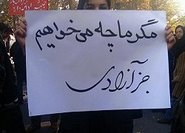


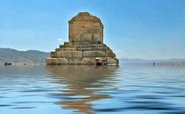



 Tulips in Holland