در مورد هفده دی و بزرگداشت آن سال هاست که بين مردمان ما اختلاف نظر وجود دارد. اين اختلاف نظرها تقريباً ، از پس جنگ دوم جهانی و رفتن رضاشاه از ايران تا کنون وجود داشته است. البته، در دوران محمد رضا شاه، هميشه هفده دی از سوی دولت به عنوان روز زن در ايران به رسميت شناخته می شد اما، چه در زمان محمد رضاشاه و چه پس از آن، واکنش تقريبا همه ی آن ها که با حکومت سلطنت مخالف بوده اند واکنشی منفی بوده است؛به صورت های مختلف. گروهی گفته اند که رضا شاه «کشف حجاب» را به زور و جبر بر زن ها ايران تحميل کرده است، گروهی آن را به دليل اين که هديه ای از جانب حکومت سلطنتی بود مردود شناخته اند و گروهی نيز به راحتی آن را نديده گرفته و هيچ حرف و سخنی درباره آن به ميان نياورده اند
در اين ميان، و ظاهرا به صورتی بديهی، طرفداران سلطنت هم، چه در زمان محمد رضا شاه و چه پس از آن، روز هفدهم دی را صرفا روزی دانسته اند که تعلق به سلطنت طلبان دارد ـ درست همانگونه که بسياری روز هشتم مارس، روز جهانی زن، را متعلق به چپ ها می دانند و به همين دليل هم هست که برخی آن را رد می کنند و يا آن را نديده می گيرند. من تا به حال کسی را نديده ام که بدون چسباندن روز 17 دی به طرفداران سلطنت ، لااقل محتوای اين روز را متعلق به زن ها، به طور اعم، و زن ها ايرانی به طور اخص، بدانند. و اصولا نديده ام که کسانی ارزش های احتمالی اين روز را، بدون توجه به مسايل سياسی، بررسی و تحليل کنند.در راستای کوششی از اين دست، هم در ارتباط با اين روز و هم در ربط با مساله زن، لازم می دانم ابتدا درباره ی وضعيت زن ايرانی، قبل از به سلطنت رسيدن رضاشاه و قبل از اقدامات او توضيح مختصری بدهم.تاريخ ما، تاريخ ايرانزمين، همچون تاريخ ملل ديگر، سرشار از اعتراض ها، حرکت ها و گاهی جنبش هايي است که زن ها برای رهايي خويش از چنبره ی بی عدالتی جوامع مردسالار داشته اند. از اين نظر، بين وضعيت آن ها و وضعيت بردگان شباهتی آشکار وجود دارد. و اين حرکت ها گاه وسيع و موثر بوده اند و گاه اندک و بی اثر. اريخ ايران باستان سرشار از نشانه های حضور فعال زن ها در زندگی اجتماعی است. اين نکته را تاريخ نويسان در دوران ما به تدريج کشف می کنند (به خصوص پس از خواندن لوحه های هخامنشی نگهداری شده در دانشگاه شيکاگو که شرح وضعيت زندگی رومره و زندگی اجتماعی در آن ها وجود دارد)، و نگاه دوباره ای به شاهنامه (به عنوان نمايشی از وضعيت ايران باستان)، اثرات وجودی اين زن ها را در دوران های مختلف ايران قبل از اسلام را در مقابل ديد ما می نشاند.پس از آمدن اسلام به ايران نيز، عليرغم حضور بی امان مهاجمان مردسالار، و وارد آمد فشار قوانين آن ها بر گرده ی زن ها، باز می بينيم که مثلا زنی همچون «مهستی» در تاريخ ادبيات ما پيدا می شود که، علاوه بر داشتن حضوری فعال در صحنه های اجتماعی، با زبان شعر نيز به توضيح وضعيت بد زنان عصر خودش می پردازد، اقتدار شوهران را بر زنان رد می کند، حق انتخاب همسر را برای زنان نيز به رسميت می شناسد، ازدواج دختران جوان با مردان پير را با طنزی برنده به انتقاد می گيرد و، تا مرحله ی طرد شدن از شهر و ديار خود، پيش می رود و حرفش را ـ حداقل در ارتباط با خودش ـ به کرسی می نشاند. و يا زنی چون «نجمه منجمه» مقابل شخصيتی چون نظامی می ايستد و با دانش و منطق خويش او را وادار به دوستی و تحسين خود می کند. و صدها زن ديگری که نامشان در لابلای گرد و غبار تاريخ گم شده بود و تنها اکنون رفته رفته چهره شان روشن می شود.نزديکترهاشان به ما زن هايي هستند چون طاهره قره العين، که آنقدر قدرت نشان می دهد که در قوانين مذهبی دست می برد و، به عنوان شخصيتی مذهبی، چادر از سر برمی دارد و حجاب را که ـ رکنی اساسی در مذهب مسلمانان است ـ از مذهب حذف می کند. يا زن های ديگری چون تاج السلطان، بی بی خانم استرآبادی، جهانگير، صديقه دولت آبادی، صفيه يزدی، ماهرخ گوهرشناس و... ده ها زنی که زمانه ی خود را به مبارزه خوانده اند تا بتوانند به اندکی آزادی و برابری با مردها برسند. نزديک ترها به ما نيز بسيارانند که مرتب ازشان حرف و سخن هست. اما همه ی اين زن ها، چون ديگر زن های مبارز جهان، خيلی دير و خيلی سخت به عملی شدن خواسته های خود نزديک شده اند. اين راه مشکل بوده است و در اين مسير ديده شده که هر سرزمينی که توانسته زودتر مذهب را از سياست و حکومت جدا کند زودتر به تحقق اين خواسته ها نزديک شده است. و آن هايي که، چون ما، تا همين اوايل قرن بيستم، مذهب در همه ی شئونات زندگی شان دخالت داشت، بسيار ديرتر به سواد دور دست آرزوهاشان رسيده اند.شکل گرفتن جنبش مشروطه برای زن ايرانی جولانگاهی را بهمراه آورد تا او بتواند خواسته های حق طلبانه خود را صريح تر مطرح کند. در خواست های انقلاب مشروطيت خواست آزادی زنان نيز گنجانده شده بود؛ گاه به روشنی و وضوح (مثل قوانين ناظر بر حقوق عموم آحاد ملت ـ حق انتخاب مساوی و عمومی، آزادی بيان و تظاهرات، آزادی حقوق فردی ـ که می شد از درون همين قوانين حقوق زنان را نيز استخراج کرد)، و گاه در لفافه و در زبانی روشنفکرانه. ما تفريبا در اشعار و مقالات اکثر روشنفکران اين دوره مطالبی را درباره آزادی زن می يابيم. آنان نشانه های اين آزادی را در سوادآموزی و برداشتن چادر از سر زن می ديدند. در اين سال ها، يعنی در سال های آغاز و اوج جنبش مشروطيت، اين زن ها بودند که در جنبش تحريم واردات کالاهای خارجی فعالانه شرکت کردند؛ هم آنان بودند که با پوشيدن منسوجات داخلی و پوشاندن بچه هايشان با آن پيشبرد اين حرکت را ميسر ساختند؛ زن ها بودند که با جمع آوری پول، فروش جواهرات و اثاثه ی خانه که متعلق به خودشان بود، تاسيس اولين بانک ملی ايران را امکان پذير کردند؛ زن ها بودند که اتحاديه های زيرزمينی و مخفی درست کردند و برای آگاه ساختن مردمان از حقوق زنان اقدام به انتشار جزوه ها و مقالات کردند؛ و همين زن ها بودند که از نمايندگان مجلس خواستند که وقتی قادر نيستند خدمتی به مردم سرزمين شان بکنند کنار بروند تا زنها بيايند و اين کار را انجام دهند. اما زن هايي که انتظار داشتند با پيروزی انقلاب مشروطيت بتوانند فرصت ها و حقوقی مساوی با مردها به دست آورند با رفتاری خصمانه روبرو شدند. قانون انتخابات مصوب 1906 با نفوذ مردان مذهبی صراحتا زنان را از فعاليت های سياسی منع کرد و، در مقابل اعتراض گروهی از زنان که به مجلس مراجعه کرده بودند، گفته شد که زن ها تنها کارشان امور خانگی و پرورش بچه و خدمت به شوهر و حفظ آبرو و ناموس خانواده است.توجه کنيد که همه ی اين مبارزات در سال های دهه اول قرن بيستم اتفاق افتاده است و رضا شاه در سال 1925 به سلطنت رسيد. يعنی مبارزه وسيع زنان (با توجه به محدود بودن آن در طول تاريخ پس از اسلام) پيش از به قدرت رسيدن رضاشاه شروع شده بود، و سالی چند می شد که اين مبارزه جهت و خواستی روشن پيدا نموده و خواسته هايي چون حق رای، حق طلاق، حق درس خواند در دانشگاه و حق کار کردن همسان با مردان را مطرح کرده بود. اما تا تحقق اين آرزوها راهی دراز در پيش می نمود.به دستور رضا شاه، در سال 1931 دولت وقت قانون حق طلاق، ممنوع کردن ازدواج کودکان نه ساله (که به عقيده ی من به همان اندازه آزادی لباس و امکان رفتن به دانشگاه برای زن ايرانی ارزشمند بوده است) و، همراه با آن، بالا بردن سن ازدواج برای دختران (به 15 سالگی) و کودکان پسر (از 12 سالگی به 18 سالگی) را به مجلس فرستاده و به تصويب رساند. در سال 1936 قانون کشف حجاب و مجاز شدن حضور زنان در دانشگاه ها و موسسات و ادارات نيز به تصويب رسيد. به اين سان، رضاشاه، با دخالت مستقيم خويش، در واقع مهمترين خواسته های برحق و طبيعی زن ها را، که نتوانسته بودند، به دليل دخالت مستقيم روحانيون وقت، آن ها را از اولين مجلس های پس از پيروزی انقلاب مشروطيت بگيرند، به رسميت قانونی نشاند. در واقع آزادی زن ها يکی از جبرهای تاريخ است که نمی شود برای هميشه جلوی آن ايستاد. و رضاشاه اين جبر را درک کرد. حالا بگوييم که «اين درک را انگليس ها به او تفهميم کردند»، بگوييم که «آن را عده ای از اطرافيان روشنفکرش به گردنش گذاشتند»، بگوييم که «اين کارش از لج ملايان بود»، هر چه بگويند و بگوييم در اين نکته شک ندارم که هيچ يک از اين سخنان چيزی از ارزش او در ارتباط با اين اقدام تاريخی کم نمی کند. بياييد بين او و آيت الله خمينی و آيت الله ها و حجت الاسلام های کنونی مقايسه ای کنيم. بياد آوريم که در اواخر قرن بيستم ـ يعنی، قرنی که يکی از مهمترين دستاوردهای فرهنگی و اجتماعی اش تساوی حقوق زن ها است ـ چگونه آيت الله ها مقابل اين جبر تاريخی ايستادند و در اوايل قرن بيست و يکم نيز همچنان ايستاده اند و چگونه از درک ساده ترين مسايل انسانی عاجزند و چگونه دستاوردهای زن ها سرزمين مان را به تاراج می برند. آنگاه بياييد به قضاوت بنشينيم. من، مثل هر انسان عدالت طلب و آزادی خواه، طبعا رضاشاه را، برکنار از همه ی سازندگی های او، به عنوان يک ديکتاتور می شناسم، حتی روش های تحميلی او را برای برداشتن چادر از سر زن ها عملی ديکتاتوری می دانم، و تحقق نيافتن بسياری از خواسته های انقلاب مشروطيت، مثل آزادی بيان و انتخابات و احزاب را، نتيجه ی مستقيم رفتارهای نادرست او می دانم، اما، با اين همه، نمی توانم که به، عنوان يک فمنيست، اقدامات او را در ارتباط با آزادی زن با ارزش ندانم. به اعتقاد من، هر حرکتی که به آزادی انسان از بندهايي که سنت ها به دست و پای او بسته بيانجامد حرکتی قابل تعمق و توجه و ارج گذاری است. به عقيده من سال های 1931 تا 1936 (که تجلی گاه آن همين روز هفدهم دی است) سال های بزرگ و سرنوشت سازی برای زن ها ايرانی به طور اخص، و زن های جهان به طور اعم، است. در اين سال ها همان قوانينی به نفع زنان ايران تغيير کرد که در بسياری از کشورهای ديگر جهان هنوز ـ در اوايل قرن بيست و يکم ـ تغييری در آن ها مشاهده نشده است؛ مثلا بگيريم قوانين مربوط به سن ازدواج را. در همين کشور آيت الله ها کودکان نه ساله را قانونا مورد تجاوز قرار می دهند و اسمش را ازدواج می گذارند. هنوز در برخی از کشورها زن ها حق طلاق ندارند و هنوز در برخی از کشورها زن ها نمی توانند بدون پوششی اسلامی از خانه خارج شوند و يا کاری معادل مردها داشته باشند. و يا حتی پشت فرمان اتومبيل بنشينند. به اين ترتيب، به گمان من، روز هفده دی روزی است که در آن زن های ايرانی توانستند، پس از سال ها تلاش، بالاخره به برخی از خواسته های خود برسند ـ خواسته هايي که به اعتقاد من بسيار مهم و با ارزش هستند. هفده دی روزی است که در آن زن ها توانستند حکومتی قادر و قدرتمند را قانع کنند که خواسته های آن ها را قانونی و رسمی کند. و در نتيجه هر جشنی که برای اين روز گرفته شود جشنی است که مربوط به زن و حقوق زن ايرانی است. برگرفته از سايت نويسنده: www.shokoohmirzadegi.com
Senior U.S. Deal-maker is New Iran Envoy He helped steer talks with Libya that led to a resumption of U.S. ties with Tripoli after nearly a quarter century and now senior diplomat William Burns is Washington's main interlocutor with Iran. Burns, who as career ambassador holds the highest rank in the U.S. foreign service, will represent Washington in nuclear talks with Iran on Saturday, a sharp departure from U.S. policy that could be a launch point to reduced tensions.By Christian Today
US Security Adviser in Turkey ANKARA, Turkey -- Turkey's foreign minister encouraged dialogue to resolve the standoff over Tehran's disputed nuclear program after meeting with U.S. National Security Adviser Stephen Hadley on Thursday.more By The Associated Press
Rice: US Presence at Iran Talks Shows Unity WASHINGTON -- Secretary of State Condoleezza Rice said Thursday the decision to break with past policy and send a top U.S. diplomat to talks with an Iranian envoy shows that the world is united in trying to eliminate threats from Iran's nuclear program.more By The Associated Press
Taming the Hawk It may be too early to proclaim an end to the "Cheney era", but Washington's decision to participate in Saturday's nuclear talks with Iran and send diplomats back to Tehran is a very significant shift. It marks a nadir for the gun-toting neoconservatives who dominated the first Bush term and for their unofficial champion, vice-president Dick Cheney, the stealthy advice-giver also known as "whispering grass".more By The Guardian
Iran and U.S. Signaling Chance of Deal President Bush's decision to shift policy and send a senior U.S. envoy to nuclear talks with Iran this weekend was made after increasing signs that Iran was open to possible negotiations and that international sanctions were having an impact on the Islamic republic, U.S. officials said yesterday.more By The Washington Post
June 29, 2008 - Alleging that the Bush administration has ramped up covert action inside Iran - funding and directing proxy groups of Iranian dissidents, including a group with ties to Al Qaeda, to carry out attacks "designed to destabilize the country’s religious leadership." Clandestine operations against Iran are not new. United States Special Operations Forces have been conducting cross-border operations from southern Iraq, with Presidential authorization, since last year. These have included seizing members of Al Quds, the commando arm of the Iranian Revolutionary Guard, and taking them to Iraq for interrogation, and the pursuit of “high-value targets” in the President’s war on terror, who may be captured or killed. But the scale and the scope of the operations in Iran, which involve the Central Intelligence Agency and the Joint Special Operations Command (JSOC), have now been significantly expanded, according to the current and former officials. Many of these activities are not specified in the new Finding, and some congressional leaders have had serious questions about their nature. Under federal law, a Presidential Finding, which is highly classified, must be issued when a covert intelligence operation gets under way and, at a minimum, must be made known to Democratic and Republican leaders in the House and the Senate and to the ranking members of their respective intelligence committees—the so-called Gang of Eight. Money for the operation can then be reprogrammed from previous appropriations, as needed, by the relevant congressional committees, which also can be briefed. “The Finding was focussed on undermining Iran’s nuclear ambitions and trying to undermine the government through regime change,” a person familiar with its contents said, and involved “working with opposition groups and passing money.” The Finding provided for a whole new range of activities in southern Iran and in the areas, in the east, where Baluchi political opposition is strong, he said. Although some legislators were troubled by aspects of the Finding, and “there was a significant amount of high-level discussion” about it, according to the source familiar with it, the funding for the escalation was approved. In other words, some members of the Democratic leadership—Congress has been under Democratic control since the 2006 elections—were willing, in secret, to go along with the Administration in expanding covert activities directed at Iran, while the Party’s presumptive candidate for President, Barack Obama, has said that he favors direct talks and diplomacy. None of the Democratic leaders in Congress would comment on the finding, according to Hersh. The White House, which has repeatedly denied preparing for military action against Iran, and the CIA also declined comment. There's a lot more - seven pages in total. Read, as they say, the whole thing. Hersh has been vocal about this alleged covert war and other clandestine Bush administration plans to provoke conflict with Iran for some time now, over a year. That there hasn't been a full-on shooting match despite his claims has led many to question his reports. Kevin Drum, for instance, wrote recently: In the past, conservatives have complained that we liberals are obsessed with the idea that George Bush is going to launch a military strike on Iran. And I admit that after reading the tenth or twentieth article about this with no attack forthcoming, I began to think that maybe they had a point. Maybe we should all lay off the Seymour Hersh pieces for a while and calm down. So is Hersh crying wolf or is he one of the few warning voices in the wilderness? Seems to me I'd rather be wrong and there wasn't a war than wrong and there was. If the former, I look foolish - if the latter, I look foolish and people die. I don't think my pride or credibility is worth any portion, however small, of the responsibility for the loss of multiple lives. If some of our prominent foreign policy commenters had felt the same before the Iraq invasion, it would have been far harder for Bush to accomplish. And so, here's my post noting Hersh's article and saying I continue to be worried about the true intentions of an administration that has a proven record of saying they don't want war while preparing to launch one. Read Hersh's piece and make your own mind up about what he writes.
The United States is considering opening an Interest Section in Tehran. That way, they would be able to get closer to Iranian society without reestablishing official contacts.Two years ago, the State Department opened an "Iran" section within its Dubai consulate. This new office's mission is to attempt to decode the Islamic Republic's complex structure and to encourage a wind of change on the other side of the Persian Gulf.
The US military has constructed four advanced bases 20 miles from Iraq's border with Iran. A team consisting of high-profile US marines, the Central Intelligence Agency (CIA) alongside Pentagon experts oversee the bases.
Take the prospect of a potential Iran strike by U.S. and/or Israel and censor out basic science on fallout, the fallacy of the bunker buster, that nukes not conventional bombs will be used, that nukes will cause millions of radiation-related injuries and deaths, that fallout already plagues the world, Divine Strake's role in all this, etc...and mainstream press coverage is what you have.
West must take Iran’s warnings seriously: Rafsanjani tehrantimes Friday, June 27, 2008 - Translate:[ar] [zh] [fr] [de] [it] [ja] [ko] [pt] [ru] [es] TEHRAN -- Expediency Council Chairman Akbar Hashemi Rafsanjani declared here on Friday that the Western powers should take Iran’s warning “seriously” regarding their wrong policies against the Islamic Republic. Addressing the Western powers in a Friday prayer sermon,.......
From: Bahramerad : Added: 04 June 2008 The evil IRI says NO to Joy & Happiness in Iran - But the Young want to live and enjoy their life. Death to the Fascist Islamic Republic of Death and Sorrow.
Rice: Hamas Serving as Iran's 'Proxy Warriors' April 30, 2008 Google News AFP Palestinian Hamas militants are serving as the "proxy warriors" for an Iran bent on destroying Israel and destabilizing the Middle East, US Secretary of State Condoleezza Rice said here. In a speech Tuesday to the American Jewish Committee in Washington that underscored growing US concerns about Tehran, Rice mentioned Iran as not just a threat in the Palestinian territories, but also in Lebanon, Iraq and even in Afghanistan.Israel's Deputy Prime Minister Shaul Mofaz said after talks with Rice on Monday that an Iran-led radical front in the Middle East is becoming more powerful and weaknesses in it need to be found.Rice vowed to pursue US efforts to isolate Hamas which she said refused to renounce violence, recognize Israel's right to exist and respect all previous Palestinian agreements with Israel."But perhaps of deepest concern, the leaders of Hamas are increasingly serving as the proxy warriors of an Iranian regime that is destabilizing the region, seeking a nuclear capability and proclaiming its desire to destroy Israel," Rice told the group's annual meeting.She did not elaborate.Iran is one of the most vocal backers of the Islamic Resistance Movement and pledged millions of dollars in 2006 to help a Hamas government through a funding drought caused by Western aid cuts.But Tehran has always insisted its support for Palestinian militant groups is moral in nature and does not extend to arming or training fighters.Hamas seized power in the Gaza Strip in June last year after ousting forces loyal to Palestinian Authority president Mahmud Abbas's Fatah faction, which remains in power in the West Bank.Fatah and Hamas had served in a national unity government after Hamas won elections in 2006.The United States backs the Palestinian Authority in new peace negotiations with Israel that were launched last November, and denounces Hamas as a terrorist organization.Rice called for international support for the Palestinian Authority, which she said had "the will to fight terrorism" and "the desire to govern effectively" but did not yet have the means.She echoed remarks by President George W. Bush who said Tuesday he was still hopeful of a Middle East peace deal before he left office in January but warned that Hamas could "undermine" the effort.Rice also vowed that Washington would continue to tighten controls on Iran's alleged misuse of the international financial system for terrorism and weapons proliferation.The US Treasury last October slapped sanctions on Iran's elite Quds Force, accused by the US of being a supporter of terrorism, as well as the country's Revolutionary Guards, said to be a proliferator of weapons of mass destruction."We made designations for instance of the Quds Force, we made designations of the Revolutionary Guard," Rice recalled. "You can believe that we're going to continue to make designations."In her speech, Rice spoke of a new "belt of extremism" that ranges from Hamas, to the Lebanese Shiite Muslim movement Hezbollah in Lebanon to radicals in Iraq and "radicals even increasingly in places like Afghanistan."It is "supported overwhelmingly by Iran and to a certain extent Syria, but particularly Iran, gives this conflict a regional dimension it has not had before," Rice said.Critics say the US-led invasion of Iraq that overthrew Saddam Hussein, a Sunni Arab, has emboldened non-Arab Iran and its Shiite Muslim allies throughout the region.
Why is the leadership in Tehran anxious to give Russia the right to land troops in Iran? The question is not fanciful. The Islamic Republic is conducting a devious campaign to prepare public opinion for that eventuality. The message is relayed through deliberately vague terms that diplomats understand immediately while the general public does not.
By W. Christopher Epler (Bill) What Do We Do About The Millions Of Deadbeat Enablers Of Fascism? Enablers of fascism would be called scabs in a union. They are the dead weight of human civilization and may finally be dragging our species down for the third time. Fascism is grossly misunderstood as being powerful because of its cleverness and strength, but nothing could be more false. Fascism and Nazism are "default" horrors of the criminal brain deadness of enablers. No deadbeats, no fascism. Just vulnerable humans. Us.
By Dave Lindorff The Clock Is Ticking For A US Attack On Iran Step by step, the Bush/Cheney administration has been getting ready to attack Iran. Now even the top general and the Defense Secretary are talking about it as a possibility. Get ready.
By Allen L Roland 15 REASONS WHY AN ATTACK ON IRAN MAY BE IMMINEN TAs Pandora's box begins to open revealing the full extent of war crimes and abuse of power by the Cheney/Bush administration ~ the danger increases that they will launch a preemptive strike on Iran to falsely justify their failed neocon global agenda: Allen L Roland By Michael Fox The Other Costs Of War: An Evening With Scott Ritter And Cole Miller Meet two American heroes, Scott Ritter speaks truth to power to prevent war, and Cole Miller is helping the most innocent victims - innocent, severely burned Iraqi children. Let their stories inspire you! Iranian Elections Make Ahmadinejad 'increasingly Vulnerable' The AP reports that according to final results today, conservatives "consolidated control of Iran's legislature in run-off elections," but at the same time, opponents of President Mahmoud Ahmadinejad also gained strength in the Parliament. Reformists in Iran "favor greater democracy, closer ties with the West, and reducing clerical powers in Iran" and made a respectable showing even after most of their candidates were barred.
Joint Chiefs Chairman Says U.S. Preparing Military Options Against Iran The nation's top military officer said today that the Pentagon is planning for "potential military courses of action" against Iran, criticizing what he called the Tehran government's "increasingly lethal and malign influence" in Iraq. Ship Hired By U.S. Military Fires Warning Shots In Gulf According to American defense officials, the Westward Venture cargo ship chartered by the U.S. Defense Department was traveling in international waters when two unidentified small boats approached. After the boats failed to respond to radio queries and a warning flare, the cargo ship's security team fired "a few bursts" of machine gun and rifle warning shots. The small boats left the area a short time later. U.S. Says New Find Shows Iran Still Sends Arms To Iraq Officials in Washington and Baghdad said the purported Iranian mortars, rockets and explosives had date stamps indicating they were manufactured in the past two months. The U.S. plans to publicize the weapons caches in coming days. A pair of senior commanders said a presentation was tentatively planned for Monday. Is An Attack On Iran Imminent? George W. Bush is poised to order a massive aerial bombardment � possibly including tactical nuclear weapons � of up to 10,000 targets in Iran. Here are some of the indications that a U.S. military attack on Iran is imminent:
Government leaders make the most of the one thing they are popular for; the nuclear program. Atomic bombs are rarely mentioned, the emphasis is on "nuclear technology". That's a code word for nuclear weapons, which are immensely popular in Iran. Political and religious leaders openly boast of how clever they are in obtaining nuclear technology despite the efforts of the UN, and the world, to deny Iran access. Iranian leaders need all the popular acclaim they can get, because the religious police have not relented in their campaign to punish women who do not dress properly. Now the religious police will visit work places and restaurants to insure that women found there are properly covered up. Those who fail inspection are issued a warning or hauled off to a police station, where they must wait for a family member shows up with proper clothing (that is not too tight, too short, to skimpy or too revealing in general). The clerics who run the country and mismanage the economy are also trying to distract the public from the shortages and 20 percent a year inflation. President Mahmoud Ahmadinejad has recommended greater use of the "culture of martyrdom", to solve the country's economic problem. He did not elaborate. One subject the Iranians do not want to discuss is the continued persecutions of the Arab minority in the west, along the Iraqi border. The Iranians don't trust their Arabs, and keep lots of secret police and Revolutionary Guards in the area, with orders to be active in the pursuit of real or imagined traitors. The government is a little more outspoken about unruly Kurds up north. In response, separatist minded Kurds openly threaten the Iranian government, something the Iranian Arabs are much more circumspect about. The most invisible victims in Iran are the three million refugees. Over 90 percent of these are from Afghanistan, and they are a major problem along the Afghan border. The refugees find the religious dictatorship in Iran more hospitable than the warlords and Taliban back in Afghanistan. Then there is the drug business. The Afghan refugees are deeply involved with the smuggling and distribution of Afghan opium and heroin. There are several million addicts in Iran, and the Afghan refugees help keep them all high and broke. Iranian politicians also are quick to deny any Iranian involvement in the violence that still troubles neighboring Iraq. But the U.S. has a growing pile of evidence that says otherwise. Documents, equipment and interrogation transcripts all detail Iranian efforts to, well, that's where it gets murky. There are several Iranian factions meddling in Iraq. Some are most interested in establishing a religious dictatorship, as Iran has, in Iraq. Others just want to support those who are willing to kill American soldiers. Others only want to make money, any way possible. U.S. troops have killed or captured hundreds of Iranians and Iraqis who are working for various Iranian government factions, plus some private Iranian groups that could best be described as "armed entrepreneurs." Iran has gotten itself involved in a public feud with al Qaeda. It began when Iranian president Mahmoud Ahmadinejad publically claimed that the September 11, 2001 attacks were a ploy by Israel or the CIA, to justify a war on Islam. A few days later, an al Qaeda leader, Ayman al Zawahri, rushed out an audio tape, denouncing the Iranians for casting doubt on the fact that al Qaeda had planned and carried out those attacks. Although Shia Iran and Sunni al Qaeda occasionally cooperate, they are, in fact, bitter enemies. Commercial photo satellite pictures have revealed a ballistic missile assembly and test facility 230 kilometers southeast of the capital. Layout is similar to such facilities in North Korea. Iran is not particularly upset with this kind of exposure, and officials openly boast of getting around UN and European sanctions by getting what they need from "East Asia" (code word for North Korea and China.) Iran even tries to export its weapons, but was recently expelled from a Malaysian weapons trade show because UN sanctions prohibit Iran from exporting weapons. At first, Malaysia allowed Iran to exhibit, but then the UN intervened and the Iranian exhibit and salesmen were gone. Twice in the last two weeks, armed Iranian speedboats (the favorite ride of the seagoing Revolutionary Guards) have come too close (a few hundred meters) to U.S. ships in the Persian Gulf, and warning shots were fired by the Americans. Interestingly, the Iranian government denied both incidents. That's not unusual. The government is a collection of factions that don't communicate well. The Revolutionary Guards are often out of control, and make everyone in the government nervous. April 12, 2008: A bomb went off in a southern Iraq mosque, leaving a dozen dead and nearly 200 wounded. Police later denied it was a bomb, and blamed the explosion on an accident involving weapons left in the mosque after a military exhibition. Mosques are frequently used to store and show off weapons. Islam considers itself a "militant" religion, so weapons are welcome in mosques.
US Warns Iran of Retaliation Over Iraq Action April 27, 2008 - The Times - Sarah Baxter in Washington America's top military officer has ratcheted up the pressure on Iran by issuing an unusual public warning that the Pentagon is planning for “potential military courses of action”.
Admiral Mike Mullen, chairman of the joint chiefs of staff, blamed the Iranian government and Quds force of the Iranian Revolutionary Guard for its “increasingly lethal and malign influence” in Iraq. He said conflict with Iran would be “extremely stressing” for America’s overstretched forces, but added: “It would be a mistake to think that we are out of combat capability.”
Mullen said he was increasingly concerned about Iran’s growing involvement in supplying munitions and training to rebel Shi’ite militias and “killing American and coalition soldiers in Iraq”. Speaking at a Pentagon news conference late on Friday, he said recent operations in the southern port city of Basra had revealed “just how much and how far Iran is reaching into Iraq to foment instability”. A Pentagon source said the admiral’s frankness was “extremely significant” and could pave the way for some form of attack on Iran. However, Mullen said: “The solution right now still lies in using other levers of national power, including diplomatic, financial and international pressure.”
Mullen’s tough rhetoric came shortly after General David Petraeus, the US commander in Iraq responsible for the troop surge, briefed Congress about the “nefarious activities” of the Quds force in stirring violence in Iraq. There were a total of 923 civilian deaths in Iraq last month, the highest number since August 2007. “We should all watch Iranian actions closely in the weeks and months ahead, as they will show the kind of relationship that Iran wishes to have with its neighbour,” Petraeus said. Petraeus was nominated last week to take over as commander of all US forces in the Middle East from Admiral William Fallon, who resigned in March after becoming an outspoken critic of American policy towards Iran. Petraeus has been asked to prepare a briefing on the extent of Iranian involvement in Iraq. It will include the recovery of weapons with date stamps showing that they were recently manufactured in Iran. American officers claim that Iran is responsible for new, highly dangerous roadside bombs in Iraq and accuse Iranian-trained militants of responsibility for the deadliest rocket and mortar attacks on Baghdad’s green zone.
“The question is not if Iran is unhelpful in Iraq,” said Philip Crowley, a retired air force colonel and defence expert at the Center for American Progress in Washington. “The question is what to do about it.” Robert Gates, the US defence secretary, said last Monday that Iran is “hell-bent on acquiring nuclear weapons”. He added that war would be “disastrous” but the military option must remain on the table. However, a senior defence source said the administration regarded Iran’s nuclear programme and its interference in Iraq as separate problems, requiring different tactics and solutions.
Moqtada al-Sadr, the Iranian-backed radical Shi’ite cleric, called on his followers at Friday prayers to stop fighting Iraqi troops and unite against “the occupiers” – US troops.
Iran News Round Up [Michael Rubin] (Thanks to Ali Alfoneh for his compilation and Meir Javedanfar for his suggestions) Politics · Former president Mohammad Khatami, while voting for the second round of parliamentary elections, answers a journalists' question regarding his readiness to run for presidency: "I have retired." · Radical cleric Hadi Ghaffari incited physical fights with pro-Karrubi reformists present at a University of Tabriz debate. · Initial results from Tehran show the Grand Principalist Alliance won the second round of parliamentary elections. More. o English language report on run-offs. o Photo essay of results announcement. · Ayatollah Kashani urges the government to pay more attention to the inflation, but adds that "presence of the people in the scene during the second round of parliamentary elections shows the strength of the regime." · Mousavi Lari wonders what emergency made Ahmadinejad change the minister of interior right before the second round of parliamentary elections. o Rafsanjani says the incident shows the necessity of a "real reform of the election procedures as described in the law." o Commander Afshar, the person in charge of the conduct of the parliamentary elections, says the press "imposed change of the minister of interior to the government." Religion, Culture, and Society · Ayatollah Javadi Amoli: " University text books should become Islamized…The universities should be cleansed of secular books." o Minister of higher education Zahedi: "The fundamental texts of the humanities at our universities are extracted from Western sources...the conditions should be ripe to adorn such studies with the thoughts expressed in the Quran, sayings of the great men of religion and on this foundation make the connection between such material and the scientific matters...Why should we not use divine methodology in the fields of psychology and psychiatry?" · Grand Ayatollah Hossein-Ali Montazeri comments upon Iranian religious philosopher Abdol-Karim Soroush's claim that the Quran is not the words of God, but the words of the prophet Muhammad. · A schoolteacher’s depressing report about the Islamic Republic's "Generation X.” Human Rights and Labor · The student monthly Patogh of journalism department at Emam Sadeq University shut down by Ahmadzadeh Kermani, the 29-year-old dean of the university. · For the second consecutive day, 100 students stage a sit-in at the Department of Industrial Engineering of Sahand University in Tabriz. According to the placards, the students are demanding resignation of Dr. Zahed, vice dean of the university responsible for security matters, abolition of separation of the sexes, abolition of all the rulings of the disciplinary committee of the university, and ending sexual discrimination when it comes to the students’ right to participate in cultural matters. Photo essay. · President of Unemployed Workers Union jailed. Military and Security · According to Akhbar-e Rooz, two alleged Kurdish smugglers, 15 and 21 years old, killed in skirmishes with the Law Enforcement Forces. Diplomacy · Malay authorities bar the Islamic Republic from an arms exhibit. · According to some reports, the Islamic Republic embassy in London has denied a visa to English footballer David Beckham out of fear of "chaos" and "uproar of fans" in Iran. · The Islamic Republic denies an incident in the Persian Gulf in which a U.S. ship allegedly fired warning shots near an Iranian vessel. Economy and Trade · Member of a commission investigating the tobacco business in Iran says the Iranian president has been misinformed with regard to concessions in the industry. · A report from the Islamic Republic customs discloses that public enterprises importing meat and butter import the products at subsidized prices, but sell them on the market at inflated prices. · Ahmadinejad in Hamadan: "The [bank] interest we had before was against the Shari'a." · Right wing economist Khosh-Chehreh distances himself from Ahmadinejad, criticizes the economic policies of the government. · Ali Safar-Ali, chief of the largest shipping company of the Islamic Republic, Bonyad, says most Iranian ships sail under "free" flags to evade sanctions. Photo of the Day · Ahmadinejad helps woman who faints after meeting him. 04/26 12:23 PM
See how this true Iran_dokhte confronts the fascist agents of the IRI - The Islamic Republic of Idiots - and fights off their nonsense and puts them to sham! Bravo - What a courageous women - Thank you for keeping the flames of freedom burning in the face of so much repression.
SHIR DOKHT_E_IRANI - By Bahramerad - New Edited Version
From: AmavandJoined: 1 month agoVideos: 2 Your subscription to 'Amavand' has been added. Added: 21 April 2008 (More info) There is a mistake on Ahmadinejad and the photo... Added: 21 April 2008 (Less info) There is a mistake on Ahmadinejad and the photo, it should say AFTER not BEFORE. ENJOY!--- Sources / References ---Speeches: Before: www.aryamehr.org (Sayings)After: Speech in Qom 1980 Foreign debts:Before: Globalis.se (Utlandsskuld)After: Globalis.se (Utlandsskuld) or worldbank.orgUnemployment:Before: NE.se (Swedish encyclopedia written by experts only, known for attacking Shah!)After: http://www.indexmundi.com/iran/unemployment_rate.htmlFootball:Before: Fifa.comAfter: Fifa.comLoans:Before: * DN, 14 mars 1987, s. 6 (Riksbanken: Storlån av Shahen) - SwedenMr. Healy, Chancellor of the Exchequer in a speech addressing the British parliament on July 22, 1974 thanked the Imperial Iranian government for providing Britain with a line of credit of $1,200m. After:Worldbank.orgAverage Salary etc etc:Before: Information from people during that time After: Information from people during this timeShah forgave:More detailed: http://youtube.com/groups_forum?name=shahanshah&topic=78Zi_0YlJAMPersian Gulf:Before: http://youtube.com/watch?v=hQgZ3oLp_WYAfter: Wikipedia, along with other encyclopedias -- and -- http://img164.imageshack.us/img164/8875/persiangulfarabijq4.jpgInviting Human Organizations:Before: http://www.amazon.com/Other-Side-Story-Mohammad-PAHLAVI/dp/141964341X
آذربايجان کاروانی از کاميونهای باری به قصد ايران را متوقف کرد 21/04/2008 مقامات آذربايجانی يک کاروان کاميونی دارای محموله ای برای تاسيسات هسته ای ايران در بوشهر را متوقف کرده اند. مقامات مسول روسيه و آذربايجان می گويند پليس در امتداد مرز ايران (آستارا) و آذربايجان محموله روسی را در روز شنبه دهم فروردين متوقف و از ورودش به ايران جلوگيری به عمل آورده است. آژانس خبری آذربايجان، توران، گزارش می دهد که مقامات دولتی به منظور حصول اطمينان از اينکه ارسال اين محموله به زير پاگذاشتن تحريم های وضع شده عليه تهران، بخاطر فعاليت های اتمی تهران، منجر نخواهد شد از روسيه خواسته اند تا «ماهيت اين محموله را روشن سازد.» شورای امنيت سازمان ملل تاکنون سه مجموعه تحريم را عليه جمهوری اسلامی ايران بخاطر تمرد از خواسته های بين المللی و عدم توقف غنی سازی اورانيوم وضع کرده است. غنی سازی اورانيوم هم مصارف صلح آميز دارد و هم می توان از آن در ساختن بمب اتمی استفاده کرد. روسيه، که سرگرم ساختن اولين تاسيسات اتمی بوشهر در جنوب ايران است، کار تحويل سوخت به بوشهر را به اتمام رسانيده است. اين مطلب را برای يکی از دوستان
تیراندازی ماموران رژیم بسوی تظاهرکنندگان؛ 6 کشته و مجروح خبرگزاری دیده بان حقوق بشر کردستان: سردشت: بدنبال تیراندازی نیروی انتظامی به تجمع اعتراضی شماری از شهروندان "ربط" دست کم یک نفر کشته و پنج نفر دیگر هم زخمی شدند در جریان تیراندازی نیروهای گارد ویژه نیروی انتظامی به تجمع شماری از مردم شهر "ربط" حداقل پنج نفر زخمی شده و یک جوان 21 ساله به نام " حسین پویایی فر" به دلیل اصابت گلوله و خونریزی شدید جانش را از دست داد این تجمع روز یکشنبه هفته جاری و در اعتراض به توقیف یک خودروی باربر بدست نیروهای انتظامی اتفاق افتاد و در جریان آن معترضین به توقیف این خودرو نخست در مقابل کلانتری "ربط" تجمع کرده و بعد از مدتی تجمعی را در ورودی شهر به راه می اندازند نیروهای گارد ویژه هم بعد از حضور در مکان تجمع، اقدام به تیر اندازی –کمر به بالا- می کنند و در این بین حداقل پنج تن از ناحیه کمر به بالا زخمی شده و "حسین پویایی فر" هم جانش را از دست می دهد.جنازه نامبرده به طور شبانه و مخفیانه در گورستان "ربط" خاکسپاری شده است---سه شنبه 3 اردیبهشت 1387
افراد مسلح امام جمعه رژیم را ربودند سایت حکومتی تابناک: شب گذشته چهار نفر با لباس بلوچي مانند با متوقف كردن خودرو امام جمعه فهرج، وي را ربودند . حجتالاسلام جواد طاهري، شب گذشته ساعت 23 در يكي از خيابانهاي اصلي فهرج ربوده شد. صبح امروز فرماندهي نيروي انتظامي استان كرمان با تأييد اين خبر اظهار داشت: شب گذشته چهار نفر با لباس بلوچي مانند با متوقف كردن خودرو امام جمعه فهرج، وي را ربودند . تحقيقات براي شناسايي ربايندگان و آزادي وي به طور گسترده آغاز شده است. *** سایت حکومتی جهان: حجت الاسلام حسين طاهري امام جمعه شهر فهرج از توابع شهرستان بم حدود ساعت 22 ديشب توسط افراد ناشناس مسلح در مسير منزلش ربوده شد. شهر فهرج در 60 كيلومتري شرق بم در استان كرمان قرار دارد . یک مقام آگاه گفت بر خلاف اينكه برخي سايتهاي خبري اين اقدام را منتسب به گروهك جندا... مي كنند بر اساس شواهد موجود احتمال مي رود ربايندگان مسلح از طايفه شه بخش بوده كه با انگيزه اخاذي دست به اين اقدام زده باشند. وي افزود: تاكنون هيچ گزارشي مبني بر وجود انگيزه هاي سياسي در اين گروگانگيري ديده نشده است. اين مقام آگاه گفت: تلاش نيروهاي امنيتي و انتظامي براي آزادي امام جمعه فهرج به علت نامساعد بودن شرايط جوي و طوفان شن ديشب بدون نتيجه مانده ولي اين مهم ادامه دارد.
MOSCOW (Reuters) - Azeri customs and border officials have halted a cargo of Russian heat insulators destined for Iran's Bushehr nuclear plant, Russian officials said on Monday. The cargo was detained at Astara, on the border between Azerbaijan and Iran, on March 29 and has not been released yet, the officials said. "Azeri border guards, citing an order from their bosses, have detained our road convoy for the Bushehr plant in the customs control area," said Irina Yesipova, a spokeswoman for Atomstroiexport, which is building the plant. "We are trying to influence the situation and responding to numerous inquiries from the Azeri customs and border guards despite the fact that the cargo sent to the Bushehr atomic power plant had earlier gone through all export control procedures." She said the negotiations had made no progress so far and that Iran was also involved in the negotiations. Russia has already finished delivering nuclear fuel to Bushehr, the Islamic Republic's first atomic power plant.
New Jobs Set for 2 Generals With Iraq Role By THOM SHANKER WASHINGTON — Under a plan announced at the Pentagon on Wednesday, the two commanders most closely associated with President Bush’s current strategy in Iraq would be elevated into new posts with responsibilities extending into the next administration over the wars in Iraq and Afghanistan. Gen. David H. Petraeus would take charge of all military affairs across the Middle East and Central Asia, and would be succeeded as the senior commander in Iraq by Lt. Gen. Raymond T. Odierno, who returned to Washington in February after serving 15 months as General Petraeus’s deputy. Asked whether the planned nominations by Mr. Bush were a sign that American policy was to “stay the course” in Iraq, Defense Secretary Robert M. Gates said that the security gains that had been achieved under General Petraeus’s command meant that “staying that course is not a bad idea.” The nomination of General Petraeus could, however, portend a renewed American focus on Afghanistan, where the American war effort is widely recognized to be lagging, with violence by the Taliban and Al Qaeda on the rise. Mr. Gates already has expressed the desire to send several thousand additional troops to Afghanistan next year, although that could require further reductions in troop commitments to Iraq. General Petraeus would be expected to apply his views of counterinsurgency to Afghanistan, which may include a push toward increased troops. Mr. Gates said he and President Bush settled on General Petraeus for the post because his counterinsurgency experience in Iraq made him best suited to oversee American operations across a region where the United States is engaged in “asymmetric” warfare, a euphemism for battling militants and nonuniformed combatants. The previous Central Command chief, Adm. William J. Fallon, chose early retirement in March after rankling the Bush administration with public comments that seemed to suggest differences with the White House. If General Petraeus and General Odierno were to win Senate confirmation to their new posts, Mr. Gates said, they would take over in late summer or early fall. The situation in Iraq remains fragile, as General Petraeus acknowledged in testimony to Congress this month when he warned that recent security gains could be easily reversed. Under his command, an increase in American forces brought troop levels as high as 165,000, and even critics of the increase say it contributed to a decline in violence, along with the cease-fire proclaimed by the Shiite cleric Moktada al-Sadr for his Mahdi Army militia and a shift in sentiment among Sunni tribes that turned them against Sunni militants. Among the three candidates still vying to become the next president, Senator John McCain, the presumptive Republican nominee, has defended the idea of maintaining high troop levels even after the troop increase runs its course in July, bringing the number down to slightly more than 140,000. The two Democratic contenders, Senators Hillary Rodham Clinton and Barack Obama, by contrast, have pressed for troop reductions at a pace far faster than those that General Petraeus has endorsed and have pledged to carry out withdrawals even if it meant going against the advice of field commanders. It would be unusual for a new president to replace a senior general new to his assignment. In a statement, Mrs. Clinton described General Petraeus as “an able and respected leader in Iraq under incredibly difficult circumstances,” and said she looked forward to hearing. “how he will meet these important challenges” of the broader Central Command region. Mr. McCain, at a news conference on Wednesday, said that General Odierno “is maybe not perfect, but I think he has done a magnificent job.” Referring to General Petraeus, Mr. McCain said, “I think he is by far the best-qualified individual to take that job” as the regional commander. After three tours in Iraq, General Petraeus, 55, has become perhaps the best-known military officer of his generation, and it had been expected that his next assignment after Iraq would be as the top American commander in Europe. Chosen instead to take charge of a region that includes Pakistan and Iran, as well as Iraq and Afghanistan, General Petraeus issued a statement on Wednesday saying, “I am honored to be nominated for this position and to have an opportunity to continue to serve.” General Petraeus and General Odierno have built a strong working relationship and are believed to see eye to eye on how to carry out the complicated Iraq mission — one they believe requires offensive military operations, more subtle counterinsurgency missions and society-wide reconstruction, all at once. Mr. Gates said General Odierno was the logical choice to succeed his old boss because he was familiar to the officers and troops in Iraq and, not least, to the Iraqis. “In most parts of the world, especially the Middle East, personal relationships make a big difference,” Mr. Gates said. The defense secretary also announced that Lt. Gen. Peter W. Chiarelli, Mr. Gates’s senior military assistant, would be nominated for Army vice chief of staff, a post that General Odierno had been expected to take. General Chiarelli has had two tours in Iraq — first as commander of the First Cavalry Division and coalition forces in Baghdad, and then as the No. 2 commander in the country. The Central Command position would be General Petraeus’s fourth tour in the region since the invasion of Iraq in 2003. He first served as commander of the 101st Airborne Division, which invaded Iraq from the south and set up an area of control across the north. However, parts of the north, in particular the city of Mosul, are today among the most unstable in the nation. He returned to Iraq to serve as commander of training Iraqi security forces, then commanded Fort Leavenworth, where he oversaw the writing of the Army’s new counterinsurgency manual, certain to influence his efforts in Afghanistan, too, if he is confirmed to the Central Command job. General Petraeus’s challenge as leader of Central Command will be to avoid being trapped in continued, detailed management of the Iraq mission as he takes on vast geographical responsibilities across North Africa, the Middle East and Central Asia, which clearly are the focus of American policy today far and above Europe or East Asia. Mr. Gates said he believed that General Petraeus would win quick confirmation, based on recent conversations that he had with leaders of the Senate Armed Services Committee. But he said “a good handoff” of responsibilities. That transfer could come about the time that General Petraeus has promised to begin a new review of troop levels in Iraq, after the departure of five brigades by July will leave a force of about 140,000, slightly more than were in Iraq before the troop increase began. The announcement that General Petraeus, 55, would head Central Command, and Mr. Gates’s emphasis on operations in Afghanistan as well as Iraq, reinforced the impression that Pentagon leaders expected the United States to have significant numbers of troops deployed in those two countries for some time to come. When he was asked whether General Petraeus’s promotion to the theaterwide post, coupled with the selection of his former deputy, General Odierno, to lead forces in Iraq, should be interpreted as a warning to Iran, which has often been accused of meddling with the affairs of its neighbor Iraq, Mr. Gates did not answer directly. But he did not discourage the suggestion of a warning to Iran, saying: “What Iranians are doing is killing American servicemen inside Iraq.” General Odierno had been criticized in some quarters during his first tour in Iraq, as commander of the Fourth Infantry Division based in Tikrit. A high point was the capture of Saddam Hussein by forces under his command, but his troops also were criticized for heavy-handed operations that, critics said, helped fuel frustration and, perhaps, the insurgency itself. Yet he received high marks during his most recent tour, as day-to-day commander of operations playing an important role in prosecuting that troop increase strategy.
ABU DHABI -- The United States has held a rare naval exercise with Gulf states which it said was not directed at Iran. The U.S. Navy began the exercise on April 19 meant to test Gulf Cooperation Council capabilities to block the entry of ships that carry weapons of mass destruction.....
Gates Calls Iran 'Hell Bent' on Getting Nuclear Arms April 22, 2008 The Associated Press Robert Burns
Defense Secretary Robert Gates said he believes Iran is "hell bent" on acquiring nuclear weapons, but he warned in strong terms of the consequences of going to war over that.
"Another war in the Middle East is the last thing we need and, in fact, I believe it would be disastrous on a number of levels," he said in a speech he was delivering Monday evening at the U.S. Military Academy at West Point, N.Y.A copy of his prepared remarks was provided in advance by the Pentagon.He said he favors keeping the military option against Iran on the table, "given the destabilizing policies of the regime and the risks inherent in a future Iranian nuclear threat — either directly or through proliferation."Gates also said that if the war in Iraq is not finished on favorable terms the consequences could be dire."It is a hard sell to say we must sustain the fight in Iraq right now, and continue to absorb the high financial and human costs of this struggle, in order to avoid an even uglier fight or even greater danger to our country in the future," he said.But he added that the U.S. experience with Afghanistan — helping the Afghans oust Russian invaders in the 1980s only to abandon the country and see it become a haven for Osama bin Laden's terrorist network — makes it clear to him that a similar approach in Iraq would have similar results.Gates said the U.S. military was not organized and equipped for the kind of wars it finds itself in today."The current campaign has gone on longer, and has been more difficult, than anyone expected or prepared for at the start," he said. "And so we've had to scramble to position ourselves for success over the long haul, which I believe we are doing."He called a drawdown of U.S. forces in Iraq "inevitable," with the debate mainly over timing."But the kind of enemy we face today — violent jihadist networks — will not allow us to remain at peace," he said. "What has been called the `long war' is likely to be many years of persistent, engaged combat all around the world in differing degrees of size and intensity. This generational challenge cannot be wished away or put on a timetable. There are no exit strategies."
Japan Freezes Assets of Iranian Companies, Individuals TOKYO -- The cabinet on Tuesday approved new sanctions to freeze the assets of 12 organizations and 13 individuals related to Iran’s nuclear development programs, in line with a March 3 U.N. resolution.An Insider's View of Iran Regime change? Activist's book is brimful of lessons on why the West should steer clear of force.
Speech by Ebrahim Yazdi in Middle East Institute a) Iran is in the state of a transition from a traditional society to a modern one. This process towards modernization of politics and economy, which started almost 150 years ago, has been expedited by 1979 Revolution
Room for Two: US, Iran in the Middle East WASHINGTON -- By negotiating a Shi'ite truce, Tehran embarrassed Washington last week and arguably proved itself to be a more potent stabilizer of southern Iraq
UN Official in Iran for Nuclear Talks Gets Hostile Reception A senior UN official has received a hostile reception ahead of sensitive talks regarding Iran's nuclear activity. Olli Heinonen, the International Atomic Energy Agency's (IAEA) deputy general arrived in Tehran today and is due to hold talks with Iran's deputy national security chief Javad Vaeedi later
The Threat of Iran Recently I took part in a conference call with Benjamin Netanyahu on The Threat of Iran sponsored by The Israel Project. Netanyahu is a former Israeli Prime Minister, Foreign Minister, and Finance Minister. As current head of the Likud party, Netanyahu is projected to be Israel’s next Prime Minister. I had the privilege to speak with him.
Hawkish Talks with Iran? When Sen. Barack Obama questioned Gen. David Petraeus and Ambassador Ryan Crocker on April 8, he expressed the conviction that the United States would find a solution for Iraq only when talking with that country's neighbors, including Iran. Mr. Obama may be right — but not for the reason he seems to think.
Middle East Efforts by Rice, Carter Spark More Violence While Syrian president Bashar Assad talked about an exchange of messages with Israel through a third party – Turkey and Norway – Sunday, April 21, elsewhere in Damascus, Syrian and Iranian intelligence officers were meeting secretly with Hamas leaders and promising them every support for stepped up rejectionist violence.
Iran News Round Up [Michael Rubin] - Sunday, April 20, 2008 - (Thanks to Ali Alfoneh for his compilation)
Asr-e Iran's political commentator challenges the Iranian president's speech in Qom: - "1. From the very beginning of his presidency, Mr. Ahmadinejad has continuously mentioned some unknown elements who 'sabotage the efforts of the government' and 'make the lives of people hell.' But the Iranian president has never mentioned the names of such elements now that he claims he knows them so well?... - 2. If the rising housing prices which has made the 'Iranian youth miserable', are the work of a single bank and its political supporters, why does the Iranian president not tell the Iranian public which bank he is referring to and what political supporters he blames for the misery? If he did so, the Iranian nation would not hesitate a moment to do away with them and will forever pray to the person of the president. - And why does the name of a simple thief, a wallet snatcher appear in the press, but not the names of mega-criminals who live a good life with no punishment, and how come the president, who is the chief of the Supreme National Security Council of the Islamic Republic and the employer of the minister of intelligence is not even able to mention the names of such criminals? [...] - The Iranian president also claimed the U.S. government has never published the names of the victims of the September 11th terrorist attacks, but such a claim is simply not true and the name list has been published on several occasions. Why does the Iranian president provide so much material for criticism for the exiled opposition and the foreign press?" According to Mehr News Agency, Ayatollah Mohammad-Reza Mahdavi Kani, speaking to Shi'a religious leaders and Friday prayers leaders at the Martyr Mottahari Theological Seminary, said that the clergy should not "fear a single man and say the truth for the sake of God." - Mahdavi Kani, who is also the general secretary of Combatant Clergy Society and a member of Assembly of Experts continued: "With regard to the rising prices we witnessed that the government was blaming the parliament, and sometimes, some parliamentarians would blame the government. We do not wish to meddle in such affairs. We are the representatives of the people and the clergy, and believe if our cultural poverty is done with and materialism is defeated, a lot of economic ills could also be overcome." - "We are all responsible (for the spread of materialism), and we are not allowed to blame others for the ills of the society." - On Ahmadinejad, Mahdavi Kani continued: "I have already told Mr. Ahmadinejad during a meeting that he should not consider us [the clergy] as an instrument. We are not the preachers of the Sultans of the past, and that he should not expect praise from our side. If a clergyman becomes a praise singer he is no a clergyman. In our country, there is no absolute goodness. Therefore one should not expect absolute praise. But one must also see to it not to weaken the government in the criticism." Minister of justice and government spokesman Gholam-Hossein Elham discusses Ahmadinejad’s public relations campaign and his direct contact with common people during his provincial trips. More. Iranian reformist theoretician Said Hajjarian says parliamentary election participation in Tehran was as low as 26 percent and admits total reformist defeat. "As long as there are no serious social forces behind parliamentary elections [...] and no serious political party organizations [...] one can't expect parliamentary rule in Iran." Iranian reformist theoretician Mostafa Tajzadeh one day prior to the second round of parliamentary elections: "Concentration of power in one institution with one political grouping leads to anything but democracy.” Ansar News publishes analysis of the political behavior of former commander in chief of the Revolutionary Guards, Mohsen Rezai, who also led a political formation ahead of the latest round of parliamentary elections in the Islamic Republic. The news agency criticizes what it calls Rezai's "attempt at monopolize the moral superiority of the Revolutionary Guards," and discusses conflicts between Rezai and former Revolutionary Guards commanders Qalibaf and Larijani who led the two other factions of the Comprehensive Principalist Alliance group. Kayhan editor Shariatmadari says the so-called serial killing (“chain murders”) of intellectuals and regime critics in the 1990's was directed and executed by "foreign spy agencies." In an interview with Ansar News, the official organ of the Ansar-e Hezbollah vigilant organization, Seyyed Hamid Rowhani attacks former president and current chairman of the Assembly of Experts and the Expediency Council, Ali-Akbar Hashemi Rafsanjani's memoirs, especially what he calls Rafsanjani's "forgery of the words of the Imam [Khomeini]." In a new volume of his memoirs, former Islamic Republic minister of intelligence, Reyshahri claims Grand Ayatollah Rouhollah Khomeini was never happy with appointment of Grand Ayatollah Hossein-Ali Montazeri as his successor. Partov Sokhan weekly, the mouthpiece of Ayatollah Mesbah Yazdi, condemns the Ahmadinejad's meeting with the widow of Prime Minister Musaddiq’s foreign minister. The weekly accuses Musaddiq of being a traitor who by nationalizing the Iranian oil industry "desired to give Iran's oil to the United States." The weekly also warned that such a move could lead to rise of "nationalist thought" to the detriment of "Islamic identity." The Seventh Parliamentary Congregation in action. Pictures by former parliamentarian Aboutaleb. Military and Security Tehran Law Enforcement Forces chief and former Revolutionary Guards officer, Radan says the Basij is to start patrolling in the streets, and enforcement of the Islamic dress code will also be strengthened in private companies. Iranian and Turkish authorities hold a meeting to discuss the PKK and PEJAK terrorist groups. In English. Iran publishes a commentary celebrating Army Day in the Islamic Republic. - Various declarations by the Islamic Republic of Iran Army on the occasion of the Army Day, here and here. - Ahmadinejad’s speech on Army Day. - Defense Minister’s speech. - Army commander-in-chief’s speech. - Speech of Falahat Pisheh, member of the National Security and Foreign Policy committee of the Iranian parliament. Religion, Culture, and Society Mashhad Friday prayers leader Ayatollah al-Hoda and Mashaayee, head of the Islamic Republic Tourism and Cultural Heritage Organization - now the father in law of the Iranian president's son - engage in an open dispute, after Alam al-Hoda demands Mashhad to be "exempted from all cultural schemes of the ministry of culture and Islamic propagation to strengthen piety in the holy city." - Asr-e Iran accuses the Mashhad Friday prayers leader of behaving like a "local prince." Head of the Research Institute of the Iranian parliament defends his publication of a comprehensive report on the Azad University of Tehran, which Jasbi, the dean of the university, considers as a part of a conspiracy of the Ahmadinejad government against the university leadership, which is close to former Iranian president Hashemi Rafsanjani. The society of the scholars and professors at the theological seminaries of Qom condemns arrest of Iranian religious thinker Hadi Qabel. Background article on Iranian war cinema. Nuclear Issue For the first time since the 1979 revolution, an Iranian press agency publishes a comprehensive interview with Akbar E'temad, the first head of Iran's Nuclear Energy Organization. Ansar News hails Ahmadiejad as the victor of the "nuclear battle." Iran’s nuclear progress stuns West. El Baradei: We cannot inspect intentions. Trade Water transmission from the Afghan side of the border to Lake Hamoun reduced to zero. Iran-UAE gas price dispute. Iran to launch auto plant in Turkey. Diplomacy Iranian commentary responds to Gen. Petraeus. Official Friday sermon: All Muslims should confront the United States. The Emirati delegation demands handover of three disputed islands in the Persian Gulf from Iranian control to the United Arab Emirates at an interparliamentary union meeting in Capetown, South Africa. Ali Jannati, the Islamic Republic's ambassador to Kuwait, celebrates Islamic Republic Army Day in Kuwait. Deputy Chief of the Islamic Republic of Iran says in the case of conflict between Iran and Israel, Israel will disappear from the face of the earth. Photo of the Day
'The British-trained Iraqi Army's attempt to retake Basra from militiamen was an "unmitigated disaster at every level," British commanders say. the mission was undermined by incompetent officers and untrained troops who were sent into battle with inadequate supplies of food, water and ammunition. Rice Says Carter Was Warned Against Meeting With Hamas
Rice said the administration explicitly warned former President Jimmy Carter against meeting with Hamas, the Palestinian faction that controls the Gaza Strip regarded by the US as a terror group. "The United States is not going to deal with Hamas and we had certainly told President Carter that we did not think meeting with Hamas was going to help" further a political settlement between Israel and the Palestinians, she said.
Good Morning America: "I want the Iranians to know that if I'm the president, we will attack Iran," Clinton said. "In the next 10 years, during which they might foolishly consider launching an attack on Israel, we would be able to totally obliterate them."
Russia: Iran cargo halted on purpose msnbc Wednesday, April 23, 2008 12:43:00 AM CEST Translate:[ar] [zh] [fr] [de] [it] [ja] [ko] [pt] [ru] [es] The Russian state company building Iran's first nuclear power plant accused Azerbaijan on Tuesday of intentionally obstructing a shipment of cargo for the plant....
Swiss Freeze Assets of 12 More Iranian Firms April 23, 2008 AFP Yahoo News! GENEVA -- Switzerland said on Wednesday it had frozen the assets of a further 12 Iranian companies in accordance with new United Nations sanctions aimed at stopping Tehran's alleged nuclear programme.The 12 companies, and 13 individuals, have been added to an existing blacklist of 23 companies and 27 people. ]Five Iranian nationals are also banned from entering and passing through Switzerland, the country's Federal Council said in a statement.Switzerland will also ban the delivery of so-called "dual use" materials that could be used for the manufacture of nuclear plants, and the export of some drones and missiles, the statement said.The UN Security Council last month imposed its third set of sanctions against Iran in the space of 15 months to punish Tehran's refusal to suspend uranium enrichment, which world powers fear Iran could use to make nuclear weapons.The resolution gives Iran three months to comply with demands to suspend uranium enrichment, and includes an outright ban on travel by officials involved in Tehran's nuclear and missile programmes, as well as broadening a list of individuals and entities subject to an assets freeze.Switzerland's own trade and diplomatic relations with the Islamic Republic have come under fire in recent months after Foreign Minister Micheline Calmy-Rey travelled to Tehran in March to sign a gas deal.Jewish-American group the Anti-Defamation League took out full-page advertisements in Swiss and international papers earlier this month accusing Switzerland of "funding terrorism" through the deal, a charge vehemently rejected by Bern.The ADL placed advertisements headed, "Guess who is the world's newest financier of terrorism? Switzerland," in the International Herald Tribune, The Wall Street Journal and The New York Times earlier this month.Israel and the United States also criticised the deal between Iran's state gas firm and Switzerland's Elektrizitaets-Gesellschaft (EGL) Laufenburg, whereby Iran will reportedly supply 5.5 billion cubic metres (194 trillion cubic feet) of gas annually from 2011.
Dorood beh yadeh_e_shirin_e_Shahanshah Aryameher
Light of the Aryans, the greatest lover of all
things Iranian/Persian and the Pahlavi Dynesty.
Dorood beh Queen Farah Pahlavi & Prince Reza Pahlavi.
Payandeh Iran - Sarfraz baad Iran e Novien
Death to the Islamic Republic of Idiots- the butchering fascist mafia's of Qom and Tehran
FARAVAHAR
AHURAMAZDA
Happy Nu Rooz
NU ROOZ E TON PEEROZE BAD
I A M A R A I N D R O P.
FARSI _ BEH _ ENGLISEE
Hi everybody,
This is an INCREDIBLE Software.
When you write your words in Farsi
with the English alphabet, It will
convert it to Parsi writing..
Try it and see it for yourself.
www.behnevis.com
God bless whomever wrote this
fascinating program !!
http://www.behnevis.com/
Download any YOUTUBE video using this tool.
Paste a YouTube or Google video link and click the Get video button. Tick the DirectDownload box to start download immediately.
DirectDownload



 Posts
Posts




 اخبار مربوط به زندانیان سیاسی و نقض حقوق بشر


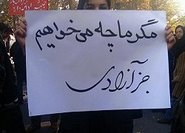





 Tulips in Holland