Alliance For democracy In Iran

Please have a look at my other weblog, Iran Democracy - http://irandemocray.blogspot.com/

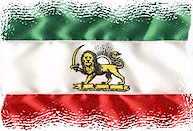
IMPERIAL EMBLEM

IMPERIAL EMBLEM
PERSIA

Shahanshah Aryameher

S U N OF P E R S I A

Iranian Freedom Fighters UNITE

Showing posts with label Iran. Show all posts

Wednesday, February 11, 2009

WHY I LOVE THE PAHLAVI DYNESTY

چرا شاه عجله داشت به تمدن بزرگ برسد و چرا رضا شاه اصرار داشت راه آهن و هتل و ساختمان در ايران ساخته شود؟؟ چرا سختسر را که پر از پشه مالاريا بود را به رامسر که يک مرکز توريستی و آسايش بود مبدل کرد؟؟

کتاب خاطرات سلیمان بهبودی پیش خدمت رضاشاه را چنانچه نخواD9ده اید حتما بخوانید. چهره دیگری از رضاشاه در آن ترسیم شده است که با چهره ای که دشمنان ایران از این پادشاه خدمتگذار ترسیم کرده اند تفاوت دارد. برای این نوشته دو خاطره از آن کتاب را نقل می کنم :سلیمان بهبودی از یک شب عید که حقوق و پاداش اهل دربار داده می شد در حضور رضاشاه بود و صحبت شیرینی اضافه حقوق و عید شب عید از جانب سلیمان بهبودی مطرح می شود.

بهبودی می گوید وقتی که رضاشاه را سر کیف دیدم عرض کردم؛ قربان بین ما ایرانیان مثالی هست. فرمودند مثلا؟ عرض کردم می گویند از دریا چه یک جام آب برداری و چه یک جام آب بریزی فرقی نمی کند، خداوند به اعلیحضرت همایونی همه چیز داده و به اندازه یک مملکت بلژیک شاید بیشتر ملک و نقدینه داده است. به محض اظهار این مطلب چنان تغییر حال دادند که واقعا رنگ ص ورت برافروخته شد و سفیدی چشم به کلی تغییر کرد و ازپشت میز تحریر بلند شدند و آمدند وسط اتاق و چند بار نفس عمیق کشیدند، دستهای خود را به هم مالیدند و طوری تغییر حال دادند که حال سکته به بنده دست داد... ساکت و بی حرکت ایستادم.

بعد از اینکه چند مرتبه طول اتاق را قدم زدند و آههای سرد کشیدند با رنگ پریده به این شرح فرمودند؛ من خیال می کردم کارهایی که می کنم شماها که مثل پیراهن تن من می مانی د میدانید و به دیگران که نمی دانند می گویید؛ امشب فهمیدم که متاسفانه شما هم نمیدانید و خیلی باعث تاسف من شد. آن وقت به بنده نزدیکتر شدند تا حدی که نفس اعلیحضرت همایونی به بنده می خورد و سوال فرمودند؛ پدر شما مرده یا زنده هست؟ خواستم جواب بدهم خودشان فرمودند؛ میدانم، مرده. باز فرمودند ؛ چه ثروتی داشت؟ خودشان فرمودند میدانم چه داشت. میخواهم بگویم که وقت مردن من نیز مانند پدر تو خو7هم مرد؛ در وقت مردن دو ذرع و نیم چلوار خواهم برد، آنچه هست و من دارم همین جا می ماند. اینها که من دارم آبروری مملکت است. اگر منظور املاک است تمام شان می ماند. من می بینم صاحبان املاک مزوروعی به این خوبی اصلا به آنها توجه ندارند و بکلی ویرانه شده است... سرتاسر شمال بهترین املاک مزروعی است که میتوان از عایدات آن بودجه مملکت را تامین کرد. تو که جغرافیا و تاریخ خواندی می دانی سوئیس کجاست چه دارد،

آیا سوئیس مثل ما نفت دارد؟ معدن دارد؟ جز چند کارخانه ساعت سازی چیز دیگری دارد؟ هیچ میدانی مملکت به این کوچکی بودجه اش از بیشتر ممالک بزرگ بیشتر است؟ از کجا این عایدات را می آورد؟ فقط منظره های زیاد دارد، ولی آن منظره ها ر ا تمیز نگاه داشته و زینت کرده و وسیله آسایش برای جهانگردان تهیه کرده است. این است که از بیشتر نقاط دنیا جهانگردان در موقع معین پولهای خود را می برند 8 در آن جا خرج می کنند و بر می گردند. ما که هر گوشه از مملکت مان سوئیس است چرا وسیله تهیه نکنیم که از این پولها در مملکت ما هم خرج شود و استفاده ببریم؟

مگر فراموش کردید که من دستور دادم در مازندران به متمولین اطلاع دهند و اعلان کنند هرکس بهترین عمارات را که دارای تمام وسایل زندگی باشد بسازد من جایزه میدهم ولی کسی اقدام نکرد. منظورم این بود که اگر خارجی ها در ایران به شمال خواستند بر وند اقلا جای خواب راحتی داشته باشند به همین مناسبت دستور دادم کنار راه آهن نزدیک شهرها و قصبات عمارتهای کوچک بسازند. شنیده ام در سوئیس اگر کسی بخواهد جنگل ببیند باید برود به جایی و اگر دریا بخواهد ببیند برود جای دیگر و جلگه و دشت جای دیگر. اما در رامسر ما در یک نقطه که بایستد با حرکت دادن سر، هم جنگل و هم جلگه و هم دریا خواهد دید. خداوند محل به این خوبی به ما داده آنوقت به آن کثافت 7فتاده بود، عاقبت مجبور شدم خودم این کار را بکنم. آب معدنی رامسر کجا پیدا می شود؟ چرا نتوانستیم استفاده ببریم؟ به تجار و سرمایه داران سفارش و تاکید کردم کارخانه بیاورید نیاوردند، خودم آوردم، باز تاکید و سفارش کردم مهمانخانه بسازید و تشکیل شرکت بدهید نکردند. ... من می بنیم بهترین آب و هوا و بهترین منظره طبیعی را داریم چرا استفاده نبریم؟ من امروز پادشاهی هستم مالک و زارع، مهمانخان چی، کارخانه چی، و حمامی... مگر من نمیدانم پادشاه مملکت نباید این کارها را بکند؟ اما ملاحظه می کنم که فرد ایرانی امروز که صد تومان خرج می کند میخواهد فردا صد تومان از خرجی که کرده عایدی بردارد، درصورتی که خارجیها میلیونها تومان خرج می کنند و سالها فعالیت می کنند، و بعد از سالها زحمت بهره بردای می کنند.

منهم مملکتم را دوست دارم، بنابر این شخصا اقدام می کنم. فردا هم که رفتم تما آنچه =D Aه کردم می ماند برای مملکت. بعد از یک ساعت فرمایش، درحالی که واقعا به گریه افتاده بودم بنده را با کمال تاثر و ناراحتی مرخص فرمودند.

Saturday, January 31, 2009

Venezuela-Iran Terror Network Growing in Latin America

Thursday, January 29, 2009 12:54 PMBy: Tim Collie

Iran is increasing its military and espionage presence rapidly throughout Latin America, according to U.S. and Israeli officials, turning the region into a major base for terrorism and subversion. The disturbing trend has been building for several years and has deep roots in a presence that Hezbollah, Hamas, and other terrorist groups have had in South America for at least two decades, experts say. Now, though, it’s becoming quite open, with Iran using its consulates to erect front companies for smuggling and forging strong ties with an emerging anti-American coalition led by Venezuela and including leftist regimes in Cuba, Ecuador, Nicaragua, and Bolivia. Using ties to drug cartels and insurgent movements like the FARC, a formidable guerrilla and narcotics trafficking group based in Colombia, Iran has forged a smuggling network for small arms, missiles, drugs and perhaps, nuclear and biological weapons, according to some experts.
The alarm generated by the network is prompting military and intelligence officials in several countries to speak out. Consider:
On Tuesday, U.S. Defense Secretary Robert Gates accused Iran of "subversive activity" in Latin America that dwarfs any threat posed by Russia, a former Cold War enemy plagued by an aging, decrepit military. On Wednesday, Israel expelled Venezuela's envoys in Tel Aviv in response to their country's severing of relations with Israel over its war in Gaza. Venezuelan leader Hugo Chavez, aligning himself with Hamas, has called Israel’s leaders “war criminals.” He’s even labeled U.S. ally Colombia, another perceived enemy, as “Latin America’s Israel.” In November, Israeli Foreign Minister Tzipi Livni said the ties between South American guerilla movements and Iranian terror organizations have been sharpening and are now easily observed. For Iran, the goal is to use Latin America to break the international sanctions placed against it over its contentious nuclear program. Iran also has enlarged its missions in Venezuela, Uruguay, Mexico, and Colombia, according to U.S. and Israeli sources. Iranian embassies in these countries are staffed by an "astronomical number" of diplomats, in no proportion to their needs, according to a 2007 Israel Foreign Ministry study. In Nicaragua, for example, there are 30 Iranian diplomats, with a similar number in Venezuela and other countries. Israel fears that these are intelligence operatives also involved in terror. For years, groups such as Hezbollah have had a dominant presence in the Tri-Border region of South America. There, in a smuggling haven known as Ciudad del Este, they’ve built strong fundamentalist communities with mosques fully integrated into the city’s ruling structure. It was from there that several terror attacks have been launched, including the 1992 bombing of the Israeli Embassy in Buenos Aires that killed 29 people, and the 1994 attack that leveled the Jewish community center there and killed 85.
“I'm more concerned about Iranian meddling in the region than I am the Russians," Gates told the U.S. Senate's armed services committee this week. "I'm concerned about the level of frankly subversive activity that the Iranians are carrying on in a number of places in Latin America," Gates said in response to a question from Sen. Mel Martinez, a Florida Republican. "They're opening a lot of offices and a lot of fronts behind which they interfere in what is going on in some of these countries.” Iran has also enlarged its missions in U.S allies like Mexico and Colombia.
Iran is continually searching for openings, and countries it can penetrate, to compensate for the vulnerability created by the [economic] sanctions" against it, Livni told Israeli Army Radio recently. "We are witness to the disturbing phenomenon of Iranian infiltration into South America, so much so that Latin America has become a convenient base for spreading Iranian political and economic ideology," Livni said. "The strengthening of ties between South American guerrillas and the Iranian terrorism activists is plain to see." Since 2000, Chavez has been to Tehran seven times for extensive deal-making that has produced at least $20 billion of arrangements “more opaque than the funds of Bernie Madoff,” according to Douglas E. Schoen, author of “The Threat Closer to Home: Hugo Chavez and the War Against America.” In mid-January, Turkey stopped an Iranian shipment headed to Venezuela with 22 containers labeled as tractor parts. "The equipment was enough to set up an explosives lab," a customs official told the Associated Press. Further, Chavez has welcomed Iranian President Mahmoud Ahmadinejad to Caracas several times to strengthen their connection and extend to him oil dependencies in Cuba, Bolivia, Ecuador and Nicaragua. None of these nations, incidentally, has an explicit connection with Iran, but all of them voted against 2006 U.N. Security Council Resolutions sanctioning Iran's nuclear weapons program. Schoen believes that Hamas could use Venezuela to engage in asymmetric warfare against Israel in South America, or its ally the United States.
“Chavez is an expert in asymmetric war and deception, a strategic ally of Iran in a declared war against the ‘evil empire’ of America and a harbormaster for Hezbollah, Hamas and terrorist groups in Latin America,” they write. “He has all the weapons needed to terrorize the U.S., including the capacity to build a dirty bomb — or another biological weapon — and the ability to move money or materials across American borders at will through the 14,000 American gas stations he owns.”

Tuesday, January 06, 2009

Women Emancipation In Iran - 17 Day -

پيوند به ديگر نوشته های نويسنده در سکولاريسم نو


آيا می شود نسبت به 17 دی بی تفاوت بود؟www.shokoohmirzadegi.com

شکوه ميرزادگی

در مورد هفده دی و بزرگداشت آن سال هاست که بين مردمان ما اختلاف نظر وجود دارد. اين اختلاف نظرها تقريباً ، از پس جنگ دوم جهانی و رفتن رضاشاه از ايران تا کنون وجود داشته است. البته، در دوران محمد رضا شاه، هميشه هفده دی از سوی دولت به عنوان روز زن در ايران به رسميت شناخته می شد اما، چه در زمان محمد رضاشاه و چه پس از آن، واکنش تقريبا همه ی آن ها که با حکومت سلطنت مخالف بوده اند واکنشی منفی بوده است؛به صورت های مختلف. گروهی گفته اند که رضا شاه «کشف حجاب» را به زور و جبر بر زن ها ايران تحميل کرده است، گروهی آن را به دليل اين که هديه ای از جانب حکومت سلطنتی بود مردود شناخته اند و گروهی نيز به راحتی آن را نديده گرفته و هيچ حرف و سخنی درباره آن به ميان نياورده اند

در اين ميان، و ظاهرا به صورتی بديهی، طرفداران سلطنت هم، چه در زمان محمد رضا شاه و چه پس از آن، روز هفدهم دی را صرفا روزی دانسته اند که تعلق به سلطنت طلبان دارد ـ درست همانگونه که بسياری روز هشتم مارس، روز جهانی زن، را متعلق به چپ ها می دانند و به همين دليل هم هست که برخی آن را رد می کنند و يا آن را نديده می گيرند. من تا به حال کسی را نديده ام که بدون چسباندن روز 17 دی به طرفداران سلطنت ، لااقل محتوای اين روز را متعلق به زن ها، به طور اعم، و زن ها ايرانی به طور اخص، بدانند. و اصولا نديده ام که کسانی ارزش های احتمالی اين روز را، بدون توجه به مسايل سياسی، بررسی و تحليل کنند.در راستای کوششی از اين دست، هم در ارتباط با اين روز و هم در ربط با مساله زن، لازم می دانم ابتدا درباره ی وضعيت زن ايرانی، قبل از به سلطنت رسيدن رضاشاه و قبل از اقدامات او توضيح مختصری بدهم.تاريخ ما، تاريخ ايرانزمين، همچون تاريخ ملل ديگر، سرشار از اعتراض ها، حرکت ها و گاهی جنبش هايي است که زن ها برای رهايي خويش از چنبره ی بی عدالتی جوامع مردسالار داشته اند. از اين نظر، بين وضعيت آن ها و وضعيت بردگان شباهتی آشکار وجود دارد. و اين حرکت ها گاه وسيع و موثر بوده اند و گاه اندک و بی اثر. اريخ ايران باستان سرشار از نشانه های حضور فعال زن ها در زندگی اجتماعی است. اين نکته را تاريخ نويسان در دوران ما به تدريج کشف می کنند (به خصوص پس از خواندن لوحه های هخامنشی نگهداری شده در دانشگاه شيکاگو که شرح وضعيت زندگی رومره و زندگی اجتماعی در آن ها وجود دارد)، و نگاه دوباره ای به شاهنامه (به عنوان نمايشی از وضعيت ايران باستان)، اثرات وجودی اين زن ها را در دوران های مختلف ايران قبل از اسلام را در مقابل ديد ما می نشاند.پس از آمدن اسلام به ايران نيز، عليرغم حضور بی امان مهاجمان مردسالار، و وارد آمد فشار قوانين آن ها بر گرده ی زن ها، باز می بينيم که مثلا زنی همچون «مهستی» در تاريخ ادبيات ما پيدا می شود که، علاوه بر داشتن حضوری فعال در صحنه های اجتماعی، با زبان شعر نيز به توضيح وضعيت بد زنان عصر خودش می پردازد، اقتدار شوهران را بر زنان رد می کند، حق انتخاب همسر را برای زنان نيز به رسميت می شناسد، ازدواج دختران جوان با مردان پير را با طنزی برنده به انتقاد می گيرد و، تا مرحله ی طرد شدن از شهر و ديار خود، پيش می رود و حرفش را ـ حداقل در ارتباط با خودش ـ به کرسی می نشاند. و يا زنی چون «نجمه منجمه» مقابل شخصيتی چون نظامی می ايستد و با دانش و منطق خويش او را وادار به دوستی و تحسين خود می کند. و صدها زن ديگری که نامشان در لابلای گرد و غبار تاريخ گم شده بود و تنها اکنون رفته رفته چهره شان روشن می شود.نزديکترهاشان به ما زن هايي هستند چون طاهره قره العين، که آنقدر قدرت نشان می دهد که در قوانين مذهبی دست می برد و، به عنوان شخصيتی مذهبی، چادر از سر برمی دارد و حجاب را که ـ رکنی اساسی در مذهب مسلمانان است ـ از مذهب حذف می کند. يا زن های ديگری چون تاج السلطان، بی بی خانم استرآبادی، جهانگير، صديقه دولت آبادی، صفيه يزدی، ماهرخ گوهرشناس و... ده ها زنی که زمانه ی خود را به مبارزه خوانده اند تا بتوانند به اندکی آزادی و برابری با مردها برسند. نزديک ترها به ما نيز بسيارانند که مرتب ازشان حرف و سخن هست. اما همه ی اين زن ها، چون ديگر زن های مبارز جهان، خيلی دير و خيلی سخت به عملی شدن خواسته های خود نزديک شده اند. اين راه مشکل بوده است و در اين مسير ديده شده که هر سرزمينی که توانسته زودتر مذهب را از سياست و حکومت جدا کند زودتر به تحقق اين خواسته ها نزديک شده است. و آن هايي که، چون ما، تا همين اوايل قرن بيستم، مذهب در همه ی شئونات زندگی شان دخالت داشت، بسيار ديرتر به سواد دور دست آرزوهاشان رسيده اند.شکل گرفتن جنبش مشروطه برای زن ايرانی جولانگاهی را بهمراه آورد تا او بتواند خواسته های حق طلبانه خود را صريح تر مطرح کند. در خواست های انقلاب مشروطيت خواست آزادی زنان نيز گنجانده شده بود؛ گاه به روشنی و وضوح (مثل قوانين ناظر بر حقوق عموم آحاد ملت ـ حق انتخاب مساوی و عمومی، آزادی بيان و تظاهرات، آزادی حقوق فردی ـ که می شد از درون همين قوانين حقوق زنان را نيز استخراج کرد)، و گاه در لفافه و در زبانی روشنفکرانه. ما تفريبا در اشعار و مقالات اکثر روشنفکران اين دوره مطالبی را درباره آزادی زن می يابيم. آنان نشانه های اين آزادی را در سوادآموزی و برداشتن چادر از سر زن می ديدند. در اين سال ها، يعنی در سال های آغاز و اوج جنبش مشروطيت، اين زن ها بودند که در جنبش تحريم واردات کالاهای خارجی فعالانه شرکت کردند؛ هم آنان بودند که با پوشيدن منسوجات داخلی و پوشاندن بچه هايشان با آن پيشبرد اين حرکت را ميسر ساختند؛ زن ها بودند که با جمع آوری پول، فروش جواهرات و اثاثه ی خانه که متعلق به خودشان بود، تاسيس اولين بانک ملی ايران را امکان پذير کردند؛ زن ها بودند که اتحاديه های زيرزمينی و مخفی درست کردند و برای آگاه ساختن مردمان از حقوق زنان اقدام به انتشار جزوه ها و مقالات کردند؛ و همين زن ها بودند که از نمايندگان مجلس خواستند که وقتی قادر نيستند خدمتی به مردم سرزمين شان بکنند کنار بروند تا زنها بيايند و اين کار را انجام دهند. اما زن هايي که انتظار داشتند با پيروزی انقلاب مشروطيت بتوانند فرصت ها و حقوقی مساوی با مردها به دست آورند با رفتاری خصمانه روبرو شدند. قانون انتخابات مصوب 1906 با نفوذ مردان مذهبی صراحتا زنان را از فعاليت های سياسی منع کرد و، در مقابل اعتراض گروهی از زنان که به مجلس مراجعه کرده بودند، گفته شد که زن ها تنها کارشان امور خانگی و پرورش بچه و خدمت به شوهر و حفظ آبرو و ناموس خانواده است.توجه کنيد که همه ی اين مبارزات در سال های دهه اول قرن بيستم اتفاق افتاده است و رضا شاه در سال 1925 به سلطنت رسيد. يعنی مبارزه وسيع زنان (با توجه به محدود بودن آن در طول تاريخ پس از اسلام) پيش از به قدرت رسيدن رضاشاه شروع شده بود، و سالی چند می شد که اين مبارزه جهت و خواستی روشن پيدا نموده و خواسته هايي چون حق رای، حق طلاق، حق درس خواند در دانشگاه و حق کار کردن همسان با مردان را مطرح کرده بود. اما تا تحقق اين آرزوها راهی دراز در پيش می نمود.به دستور رضا شاه، در سال 1931 دولت وقت قانون حق طلاق، ممنوع کردن ازدواج کودکان نه ساله (که به عقيده ی من به همان اندازه آزادی لباس و امکان رفتن به دانشگاه برای زن ايرانی ارزشمند بوده است) و، همراه با آن، بالا بردن سن ازدواج برای دختران (به 15 سالگی) و کودکان پسر (از 12 سالگی به 18 سالگی) را به مجلس فرستاده و به تصويب رساند. در سال 1936 قانون کشف حجاب و مجاز شدن حضور زنان در دانشگاه ها و موسسات و ادارات نيز به تصويب رسيد. به اين سان، رضاشاه، با دخالت مستقيم خويش، در واقع مهمترين خواسته های برحق و طبيعی زن ها را، که نتوانسته بودند، به دليل دخالت مستقيم روحانيون وقت، آن ها را از اولين مجلس های پس از پيروزی انقلاب مشروطيت بگيرند، به رسميت قانونی نشاند. در واقع آزادی زن ها يکی از جبرهای تاريخ است که نمی شود برای هميشه جلوی آن ايستاد. و رضاشاه اين جبر را درک کرد. حالا بگوييم که «اين درک را انگليس ها به او تفهميم کردند»، بگوييم که «آن را عده ای از اطرافيان روشنفکرش به گردنش گذاشتند»، بگوييم که «اين کارش از لج ملايان بود»، هر چه بگويند و بگوييم در اين نکته شک ندارم که هيچ يک از اين سخنان چيزی از ارزش او در ارتباط با اين اقدام تاريخی کم نمی کند. بياييد بين او و آيت الله خمينی و آيت الله ها و حجت الاسلام های کنونی مقايسه ای کنيم. بياد آوريم که در اواخر قرن بيستم ـ يعنی، قرنی که يکی از مهمترين دستاوردهای فرهنگی و اجتماعی اش تساوی حقوق زن ها است ـ چگونه آيت الله ها مقابل اين جبر تاريخی ايستادند و در اوايل قرن بيست و يکم نيز همچنان ايستاده اند و چگونه از درک ساده ترين مسايل انسانی عاجزند و چگونه دستاوردهای زن ها سرزمين مان را به تاراج می برند. آنگاه بياييد به قضاوت بنشينيم. من، مثل هر انسان عدالت طلب و آزادی خواه، طبعا رضاشاه را، برکنار از همه ی سازندگی های او، به عنوان يک ديکتاتور می شناسم، حتی روش های تحميلی او را برای برداشتن چادر از سر زن ها عملی ديکتاتوری می دانم، و تحقق نيافتن بسياری از خواسته های انقلاب مشروطيت، مثل آزادی بيان و انتخابات و احزاب را، نتيجه ی مستقيم رفتارهای نادرست او می دانم، اما، با اين همه، نمی توانم که به، عنوان يک فمنيست، اقدامات او را در ارتباط با آزادی زن با ارزش ندانم. به اعتقاد من، هر حرکتی که به آزادی انسان از بندهايي که سنت ها به دست و پای او بسته بيانجامد حرکتی قابل تعمق و توجه و ارج گذاری است. به عقيده من سال های 1931 تا 1936 (که تجلی گاه آن همين روز هفدهم دی است) سال های بزرگ و سرنوشت سازی برای زن ها ايرانی به طور اخص، و زن های جهان به طور اعم، است. در اين سال ها همان قوانينی به نفع زنان ايران تغيير کرد که در بسياری از کشورهای ديگر جهان هنوز ـ در اوايل قرن بيست و يکم ـ تغييری در آن ها مشاهده نشده است؛ مثلا بگيريم قوانين مربوط به سن ازدواج را. در همين کشور آيت الله ها کودکان نه ساله را قانونا مورد تجاوز قرار می دهند و اسمش را ازدواج می گذارند. هنوز در برخی از کشورها زن ها حق طلاق ندارند و هنوز در برخی از کشورها زن ها نمی توانند بدون پوششی اسلامی از خانه خارج شوند و يا کاری معادل مردها داشته باشند. و يا حتی پشت فرمان اتومبيل بنشينند. به اين ترتيب، به گمان من، روز هفده دی روزی است که در آن زن های ايرانی توانستند، پس از سال ها تلاش، بالاخره به برخی از خواسته های خود برسند ـ خواسته هايي که به اعتقاد من بسيار مهم و با ارزش هستند. هفده دی روزی است که در آن زن ها توانستند حکومتی قادر و قدرتمند را قانع کنند که خواسته های آن ها را قانونی و رسمی کند. و در نتيجه هر جشنی که برای اين روز گرفته شود جشنی است که مربوط به زن و حقوق زن ايرانی است. برگرفته از سايت نويسنده: www.shokoohmirzadegi.com

Thursday, December 18, 2008

Hamvatan Original Video - Please watch this video


Dear friends, Due to some copyright Issues I have changed my video to private mode. Here is the link of the original video made by the song producer group. Please send this link for your friend too.

Original Video Link:

http://www.negah28.info/index.php?option=com_content&task=view&id=935&Itemid=35

Regards, ZinBish

Wednesday, December 10, 2008

Iran, Islam & Street Children! from :

Channel Icon Mozdaq -
Street Children, Women Trafficking in Iran
Over fifty–five thousand child squatters, most of the girls, live on the streets of Tehran, where growing drug use and prostitution are leading to a social crisis.


Tuesday, December 09, 2008

I am An Aryian

مریم جلالی و من آریائیم آرش سارا عباسی اوستا شهرفرنگ پاریس


Monday, December 08, 2008

IRAN: FOOD AND CULTURE


LectureBy Sami Zubaida, Emeritus Professor of Politics and Sociology, Birkbeck College, London11 December 20086:45-7:45 pmAsia House, 63 Cavendish Street, London W1G 7LP

Introduction : Iranian food and cookery are framed by the history and geography of the country, as well as its position in the culture and politics of the region. Food is part of the cultural synthesis formed over the centuries by the interaction of peoples in trade, war, empires and religions. It is also shaped by the natural environment, so diverse in Iranian lands: from mountains to deserts, from the arid to rain-fed green forests and pastures, from the warm Gulf in the south to the temperate Caspian in the north. This environment provides a rich variety of vegetation, fruit, nuts, fish, meat and dairy, ingredients in the evolution of distinctive food traditions. Historical continuities are combined with developing elements, such as the import of New World foods, like the tomato and the potato which revolutionised cooking in many regions including Iran. Considered in the regional context, Iran has many distinctive dishes and ingredients, some of which they have contributed to their neighbours, especially in the era of globalisation and rapid diffusion, such as Fesenjoon and Ghormeh. Others, such as Kebab, Dolma and Kofta, are shared with neighbouring lands, but with distinctive Iranian character. The Iranian kitchen boasts the most varied and refined rice cookery, with distinctive methods and variation of ingredients. These and many related themes will be pursued in the lecture.
About the Speaker : Sami Zubaida is Emeritus Professor of Politics and Sociology at Birkbeck College, London and Research Associate of the London Middle East Institute, SOAS. He has held visiting positions at Cairo, Istanbul, Berkeley CA, Paris and New York University. Publications include: A Taste of Thyme: Culinary Cultures of the Middle East (co-edited with Richard Tapper), London 2000, Law and Power in the Islamic World, London 2003, and Islam, the People and the State, London 1993, to be re-issued with new Introduction in 2008. Many articles and research papers on Food and Culture.

Presented in association with Iran Heritage Foundation and Asia House as part of the exhibition 30 Years of Solitude - Sponsored by - Bank Julius BaerTargetfollow

Thursday, December 04, 2008

Norouz - New Day on UN Calendars

PLEASE SIGN THIS PETITION NOW !


View Current Signatures - Sign the Petition
To: United Nations
Excellency Ban Ki-moon Secretary-General United Nations New York, New York Your Excellency, For several millenniums many nations have celebrated the first day of spring as their new year. Today, nearly 300 million people around the world celebrate the first day of spring as their new year, better known as Norouz (New Day). Nearly all of these celebrants live in UN member nations. Unfortunately, none of the UN calendars or affiliated agencies commemorate this important date as has been done for different celebrations of member nations. We, the undersigned, request from your Excellency, bearer of the highest office of the United Nations, to kindly authorize the relevant agencies to correct this oversight for the upcoming calendars throughout the UN agencies. Please accept our best wishes and thanks for your attention to this important request. Persian Cultural Center, San Diego, California - USA
Sincerely,
The Undersigned

View Current Signatures

Monday, December 01, 2008

A LETTER FROM HUNGRY

My mother has Alanian - ossetian origin . the Alanian people arrivef in Hungary in 13. century - and now contacted whith the city of Yazd - Iran - the hungarian city Jászberény.
300-movie,With respect to my Greek friends - This is Persia!
http://www.youtube.com/watch?v=mDwTgxOR9cA&feature=related
Russia Today: North Ossetian Towers
http://www.youtube.com/watch?v=aI3lqCvJad4&NR=1
Ossetian dance with knifes
http://www.youtube.com/watch?v=z7vHBEdUwfc
Ossetia - Istoriya Osetin Part 1 (history the aszi-jaszi - alani -in russian language)
http://www.youtube.com/watch?v=I_xk3SlluN4&feature=related
Ossetians part 1. history the ossetian people (in russian languige)
http://www.youtube.com/watch?v=gwsRi7zpTBE&feature=related
Ossetia - Istorya Osetin Part 2.History of ossetians 2. Part -in russian languiges
http://www.youtube.com/watch?v=nSKOyhTyY7M&feature=related
Alan - Asetin - Kafkas- İron
http://www.youtube.com/watch?v=AelnjLLorGU&feature=related
Осетия неделима! Ossetia is indivisible! (says russian title the film..)
http://www.youtube.com/watch?v=8ZuC0VVQlqM&feature=related
Ossetia-Felix Alborov-Xanti-saxd(s uchastiem Albini Baevoj) Traditional dance the ossatians
http://www.youtube.com/watch?v=8ZuC0VVQlqM&feature=related
North Ossetian State Academic dance ensemble ALAN
http://www.youtube.com/watch?v=DnjVOPtmIQY&feature=related
Iranian peoples
http://en.wikipedia.org/wiki/Iranian_peoples
Zoroastrism
http://en.wikipedia.org/wiki/Zoroastrianism
Mithraic Mysteries
http://en.wikipedia.org/wiki/Mithras
other opinions:
Jesus was a Roman creation of the Persian Mithra ? - paralells from the christianity ..(I'am christian...)
http://www.youtube.com/watch?v=pvDOtpsmxbc&feature=related
A MAGYAR HUSZÁR (Hungarian Hussar) - is honour the hungarians
http://www.youtube.com/watch?v=kV68h3FKDpg&feature=related
014 kép: édesanyám fiatalkori képe - ugye, igazi jász, - magyar igaz? - my mother photo 20 years old
http://kepfeltoltes.hu/view/081007/014__desany_m_fiatalkori_k_pe_www.kepfeltolte
s.hu_.jpg
016 kép: nagyapám a 13-as jászkun huszárezred katonája - ő is igazi jász - magyar volt - my grandfather jasz hussars - in the I'st World War
http://kepfeltoltes.hu/view/081007/016_nagyap_m_a_13-as_j_szkun_husz_rezred_kato
n_ja_www.kepfeltoltes.hu_.jpg
the hussar regiment this zone and the military music - hussar march - from the zone jasz
http://www.youtube.com/watch?v=HR5UD9xSe0Q&feature=related
017 kép:Édesanyám szülei - és édesanyám - tehát anyai nagyszüleim - akik szintén jászok - magyarok voltak. - my grandfather and my grandmother from jasz zone...Alanian ossetian - iranian-persian origin!
http://kepfeltoltes.hu/view/081007/017__desany_m_sz_lei__s__desany_m_www.kepfelt
oltes.hu_.jpg
034 kép: lakásomban Budapesten az esküvő előtt - my house in Hungary
http://kepfeltoltes.hu/view/081008/034_lak_somban-Budapesten-_az_esk_v__el_tt_ww w.kepfeltoltes.hu_.jpg
035 kép: lakásomban Budapesten az esküvő előtt - in my home in Hungary
http://kepfeltoltes.hu/view/081008/035_lak_somban__Budapesten__az_esk_v__el_tt_w
ww.kepfeltoltes.hu_.jpg
Jassic people
http://en.wikipedia.org/wiki/Jassic_people
Jászberény
http://de.wikipedia.org/wiki/J%C3%A1szber%C3%A9ny
Hungarian language
http://en.wikipedia.org/wiki/Hungarian_language
Old Hungarian script
http://en.wikipedia.org/wiki/Old_Hungarian_script
hungarian folk music:
Sebestyén Márta - Vetettem violát (Moldva)
http://www.youtube.com/watch?v=Bw1zxy66yoI
Ghymes - Bazsarózsa (Tánc a hóban portré)
http://www.youtube.com/watch?v=jAeWASTNKII
A Magyar Korona - the hungarian crown
http://www.youtube.com/watch?v=1mLMI3xEgeA
My son - the Biblical three pastors - Re magi - traditional hungarian folk costume
http://kepfeltoltes.hu/view/081008/063_fiam_1997-ben_-_m_sodikosk_nt_egy_Betlehe
mes_n_pi_j_t_kban_a_h_rom_p_sztor_egyike_volt_www.kepfeltoltes.hu_.jpg
Hungarica - Ide születtem -
http://www.youtube.com/watch?v=IC53QRC-jjw
Kurultaj reklámfilm - fél perces
http://www.youtube.com/watch?v=XzgxBhiROz0
II. Magyar- Madjar törzsi találkozó Kurultay
http://www.youtube.com/watch?v=Q-JTNp8K08U&feature=related
Attila Trailer - the hungarian ancestors - huns
http://www.youtube.com/watch?v=wkhstwMG2QQ
Attila The Hun: 2001 Movie Trailer
http://www.youtube.com/watch?v=KayrlQA2w8s&feature=related
TURAN: Epic of Identity - the turanic peoples - are hungarians - scythyans ancestors...
http://www.youtube.com/watch?v=CAGeNVYxAO0
Magyar-Turk-Mongol TURAN SITE
http://www.youtube.com/watch?v=HvpWJckHoSY&feature=related
Turáni népek
http://www.youtube.com/watch?v=Ltk7oSOxd0k&NR=1
Hungarian - Schythian discendents - are hungarians
Szkíta-Hun a magyarság eredete!
http://www.youtube.com/watch?v=PAfwJxmmOSQ&feature=related
A nagyszentmiklósi aranykincsek - the treasures of Nagyszentmiklós - skythian - avars - hungarian motifs: the falc and the falc -bird - and the birth of ÁRPÁD's family - Falcon's motifs - the totem - bird TURUL - hungarian symbol the hungarian nation and the family of ATTILA and the family of ÁRPÁD - kthe family of the hungaran kings...
http://www.youtube.com/watch?v=za4IehTtV9A
Vérvonal Nimródtól Árpádig
http://www.youtube.com/watch?v=fcXVBpPzihI&feature=related
J. Strauss II Elijen A Magyar Carlos Kleiber
Éljen a magyar! in english: Hurrah, and vivat Hungarian !
http://www.youtube.com/watch?v=Nyofqm4Zf_k
Peace for you and for Iran - and the God bless you! I'm italian citizen - but living in Hungary -and I'm catjolic religion - and eucharisty is for you!!!!
Ve la antigua Roma en Google Earth
http://www.youtube.com/watch?v=KGcDnOrFNY4
Der Vatikan - Teil 1
http://www.youtube.com/watch?v=A6K50SOPUtY
Mit Offenen Karten - Der Vatikan
http://www.youtube.com/watch?v=rxAv-Sqhzhk&feature=related
Roma - Ave Maria; Chanticleer
http://www.youtube.com/watch?v=SnZ23vUcpJk

Best regards and Peace for You and for Iran!!!
God bless you!
Hunsusy

In The Name Of Freedom : By Ayatholah SayIred Hussain Kazemaini Brojerdy

به نام آزادي

به نام پروردگار بزرگ كه خالق و حافظ صلح است
سلام بر مصلحين جهان، اداي احترام مي‌كنم به ساحت مقدس كساني كه عمر شريفشان را صرف اصلاحات كردند، سر مي‌سايم بر تربت قربانيان جنايت و خشونت، از داخل سلولم بوسه بر لباني مي‌زنم كه حقوق بشر را دم مي‌زنند درودم را از بند پر دردم در زندان اوين در شمال تهران، پايتخت ايران، بپذيريد، ‌روزگار سختي را سپري مي‌كنم، كه تمام دلخوشي من، ياري رساندن به صلح و همراهي با آزاديخواهان و همسوئي با مدافعين حقوق بشر است، تنها آفريدگارم مي‌داند كه طي چهارده سال، خدمتگزاري به صلح و آئين آزادگي چه كشيدم و چگونه عمرم را سپري نمودم، من از كودكي از ظلم تنفر داشتم و استبدادستيزي طنين ضربان قلبم بود و هرگز نتوانستم در برابر زورگوئي‌هاي صاحبان قدرت ساكت بنشينم و چشمانم را بر تبعيض‌خواهي‌ها و آزادي‌كشي‌ها ببندم و ناله‌هاي انسان هاي بي‌پناه را نشنيده بگيرم، هميشه تشنه عدالت بوده‌ام و با ديكتاتورها در نبرد پيوسته قرار داشته‌ام، من خدائي را مي‌پرستم كه پيامبران را به قهر و غضب نفرستاده باشد و حكمي در رعب و وحشت جامعه ارسال نكند، ديني را قبول دارم كه مردم‌نواز باشد و دستان مجريان شريف را براي خودكامگي باز نگذاشته باشد، من عدالت را روح اجتماع مي‌دانم، آنگاه كه روان بشريت پريشان گشت، ناامني سراسر زمين را فرا مي‌گيرد، من آزادي را جسم موجودات مي‌دانم، در صورت سلب آزادي از هر موجودي، كالبدش تباه مي‌گردد. اينجانب توجه به حقوق بشررا از اعظم خدمات حياتي مي‌دانم، انسان براي خلاصي از هر نوع اسارتي، ‌آزادي لازم دارد، هركس با طرح هر قانوني، درصدد محو يا محدوديت براي آزادي باشد به حقيقت انسانيت جفا كرده و مستوجب طرد است، من، صلح را از باران براي مردم زمين، ضروري‌تر مي‌دانم، زندگي بدون آب را با عطوفت و مهرباني همنوعان مي‌توان علاج نمود، من، حق‌كشي‌هاي رايج در ممالك را براي ابناء بشر از قحطي زشت‌تر مي‌دانم، زيرا كه در قهر طبيعت، بني‌آدم مددكار يكديگر مي‌شوند و اين بلاياي طبيعي را تسكين مي‌دهند، اما در نقض حقوق طبيعي و فطري و خداداده انسان، قدرت اعتراض جمعي، مي‌شكند و توان رعيت براي احقاق حقش محو مي‌گردد. من تاريخ گذشته را نسبت به تضييع حقوق بشر، شرم‌آور مي‌دانم، آنجا كه حكام براي توسعه‌طلبي خود، از جان ملت ها مايه مي‌گذارند و آرامش خلق را به خاطر كشورگشائي‌هاي خويش،‌سلب مي‌كنند، خون هاي مظلومين را براي جاه‌طلبي‌هاي خود مي‌ريزند و نسل ها را منقرض مي‌سازند تا به اغراض حيواني و ضد انساني خود برسند، جنگ هاي جهاني موجود بر تارك تاريخ را عصيان بر موجود برگزيده خداوند مي‌دانم و سياهي‌هاي پاك‌نشدني از جنايات آن را لكه ننگي بر دامن سياستمداران بي‌وجدان و دور از خدا مي‌دانم، من هرگز مذهبي را كه با زور و تفتيش عقايد و سلب آزادي‌هاي فكري راه پيشرفت را براي خود، مشروع مي‌داند باور ندارم، اينجانب،‌انسان را اشرف مخلوقات مي‌دانم و او را برگزيده الهي در هستي مي‌بينم و هرگونه تعرض به هويت و موجوديت و شخصيت و مالكيت او را خلاف اراده خداوندي مي‌دانم، ‌انسان ها حاكمان بلامنازعه حكومت ها هستند و دولت ها، خدمتگزاران ايشان مي‌باشند، هر حاكمي كه قصد استثمار انساني را داشته باشد گمراه است و حق اشتغالات حكومتي را ندارد، استعمارگر در هر لباسي كه انگيزه چپاول و تعدي به بشريت داشته باشد، به همه آحاد انساني اعلام جنگ داده است. يچ تفاوتي در نژادها و رنگ‌ها و ملل كره زمين نمي‌باشد و بني آدم، در هرآنچه كه از مدخل اين سياره خاكي به دست مي‌آيد، ‌سهيم است، وجود گرسنگي در جهان، بي آبروئي ثروتمندان را به تاريخ مي برد و آن را به عنوان بي‌رحمي و بي‌وجداني، ثبت مي‌گرداند، تمام ملت هاي زمين بايد از امكانات طبيعي آب و خاك و هوا، بهره‌برداري كنند، زياده‌خواهي‌ها و توسعه‌طلبي‌ها و امتيازگيري ها نشانه عدم قناعت و احتياط و اعتدال است و سبب بروز كينه‌ها و عداوت ها مي‌شود و مردم بي‌گناه را تهديد به خونريزي مي‌گرداند لذا بايد از هرابزاري كه اسباب نبردها را فراهم مي‌آورد، اجتناب كرد، مقدمات جنگ در جبهه‌گيري‌هاي خصومت‌آميز است، لذا بايد بين همه اقوام و اديان، پل هاي دوستي و محبت ساخت و روابط بين‌المللي را برپايه حسن ظن و تكثير مودت و پرهيز از تحريكات اقليتي و جغرافيائي و مرزي و انساني، بنا نمود. من منادي صلح مي‌باشم و به خاطر آن جوانيم را تقديم خداوند كرده‌ام، به عنوان يك آزاديخواه كه سالها به خاطر حرمت آزادي، تاوان سنگيني را در قرباني دادن از خانواده و فروپاشي زندگيم داده‌ام، خواهان دموكراسي در تمامي جهان هستم، و تفاوتي بين اديان مختلف آسماني و مذاهب الهي نمي‌بينم، هرآئيني كه ما را به پروردگار جهان برساند، سعادت‌آفرين خواهد بود، سلاح هاي كشتار جمعي را ضديت با بشر مي‌دانم و بمب هاي هسته‌اي را عامل نابودي و انقراض انسان مي‌يابم، مسابقه در توليد و تكثير و فروش اسلحه را مغاير با سلامت محيط زيست مي‌دانم و هرچه را كه باعث برهم خوردن آرامش انسان شود، محكوم مي‌كنم، بايد فرهنگ‌سازي در جهان به گونه‌اي پيش رود كه نيازي به داشتن زندان نباشد، نبايد حكومت ها قوانيني وضع كنند كه باعث به زحمت افتادن مردم شود، ماليات ها و عوارض و جريمه‌ها بايد در حد اعتدال و ميانه باشد و رعايت توانائي اقشار مردم در پس دادن و اداء آنها بشود، من از ايران‌زمين به تمامي خادمين حقوق بشر، تواضع مي‌كنم و مناديان صلح را در آغوش مهرم مي‌فشارم، در حالي كه انجمن حمايت از حيوانات در چگونگي برخورد انسان با حيوان، نظارت دارد و آن را زير ذره‌بين دارد، چگونه از حال بشر مظلوم و مفلوك در جاي‌جاي اين كره، غافل مي‌شود؟ من در حالي كه سال ها قبل به خروج از كشورم دعوت و توصيه شده بودم اما به خاطر دلسوزي به هموطنانم و احساس نياز آنها به دفاع از حقوق مشروع و معقول و معروفشان همه خطرات موجود را به جان خريدم و حاضر به ترك ملتم نگشتم و اكنون در بدترين موقعيت امنيتي و تبليغي و روحي و خانوادگي، قرار دارم و از حال و روزم، مجامع بين‌المللي آگاه هستند، در عين حال، زندان و تبعيد و آزار و فشار را به خاطر اهميت حقوق بشر و عظمت صلح‌جوئي تحمل مي‌كنم و خدا و تاريخ را به شهادت مي‌گيرم كه از آغاز حياتم، از ستمكاري پرهيز كرده‌ام و عاشق خدمت به محرومان بوده‌ام و از موقعيت هاي مهم خود در اعتلاي اجتماعي و علائق مردمي، سوء استفاده نكردم و در هنگام حمله نيروهاي مسلح حكومتي، همگان را دعوت به تسليم كردم و از مقابله با تهاجمات كه سبب خونريزي مي‌گشت، اجتناب نمودم، و حالا هم خود را يك فدائي صلح و مبلغ آزادي و مدافع حقوق بشر مي‌دانم و از مراكز تصميم‌گيرنده در اين امر مي‌خواهم تا مرا در پيشبرد اهداف مقدسم ياري كنند و مصونيتي در خور اين مسئوليت عطا نمايند.با سپاس سيد حسين كاظميني بروجردي ، تهران نامه آيت الله بروجردي به افکار عمومي پيش از تبعيد

Failure of Federalism for Iran -

Failure of Federalism for Iran - Sarbazan and Janbakhtegan Organization

Thursday November 27th, 2008 -

Federalism is a political system which allows each different states to join to one another and these different states would form a nation-state like United States of America which is made of 50 states and one District of Columbia.1 There is a reason for America to comprise of different states because it had lengthly battle against Britain, and on July 04th, 1776, it gained its independence. There is Canada which is composed of ten provinces, and three territories, and Canada too went through lengthly armed forces battle, as well as, political battle against Britain to become an independent nation, and it was on April 17th, 1982 Canada had its own act, but still her majesty Queen Elizabeth II was head of state of Canada. Obviously, the US and Canada shared same historical background as they struggled against Britain to become independent nations by unifying all different nations into one strong nations against Britain. Now, let's ponder these questions to better understand federalism in relation with Iran. Does Iran share or experience of any above historical event? Are Iranians struggling against one foreign entity? And who is enemy of Iran today? Answering all above questions in one short answer that Iran has been an independent nation since dawn of history, and enemy of Iran, today, is the theocratic regime in Iran. The aim of this paper is to explore concept of political culture of Iran, discussing current economic condition of Iran in relation with future of Iran, and formulating a strategy to integrate diverse ethnic groups into a mainstream of Iran. This paper will prove that federalism would not work for Iran.This portion of the paper is exploring concept of political culture of Iran. In first order of business, it is going to define concept of political culture which is going to give more in-depth understanding of intention of this paper. Political culture is defined as "values, beliefs, and attitudes that are the basis of political behavior. The political culture of a group of people composed of the memory of important historical events in the group's development and the symbols that crystallize the subjective meaning that their society has for them."2 Today's value and belief of Iranian are shaped by past experience, it goes back to Cyrus the Great who is founder of Iran, and his my mother was Mandana from Mede princess who married a Persian king, and labor of their union brought Cyrus the Great. Interestingly, name of Cyrus is "a non-Iranian name. More likely, however, is an Iranian origin related to kur, the word for son in Kurdish and Luri dialects. The mixture of cultural elements from Aryans and indigenous peoples is also shown in the dress of the Persians pictures on reliefs from Persepolis, where they wear robes like Elamites rather than trousers or boots as do the other Iranian peoples, including Medes."3 Therefore, diversity has been pinnacle point of Iran from the founder of Iran Cyrus the Great, and ethnic groups would mingle with one another in royal court, or on daily activities.Passing page of history in fast pace, and coming closer to Iran's contemporary history by looking at 1900's when Britain and Russia signed a treaty with each other, and divided Iran into two spheres of their own influence, as American lawyer William Morgan Shuster published a book "The Strangling of Persia" and Edward Granville Browne published books like "The Persian Revolution 1905-1909" and "The Letters From Tabriz", as the above books depicted a chilling historical events that how Iran was ransacked by Russia and Britain without mercy. In addition, Russia would supply Iranian separatist with arsenal in order to under mind the central authority, and Britain would supply souther separatist with arsenal in order to under mind the central authority. However, when Japan defeated Russia and Russia faced with Bolshevik Revolution of 1917. Russia lost control of Iran. Additionally, Britain was on shaky ground on Iraq, and was moving toward inevitable World War One, and it needed its army to defend its own sovereignty. It was during this global unrest that a man named Reza Mirpanj who stepped in political scene, and descended throne of Iran who saved Iran from hands of separatists. Once, Russia and Britain took a break from the World War One, they launched an assault on Iran, and forced His Imperial Majesty King of Kings Reza Pahlavi the Great abdicated the throne of Iran, and His Imperial Majesty, Light of Aryan, King of Kings Mohammad Reza Pahlavi descended the throne of Iran. Still, Russia and Britain engaged in "Great Game" with Iran by supplying separatists with arsenal and contributing to chaos in Iran. His Imperial Majesty, Light of Aryan, King of Kings Mohammad Reza Pahlavi used military tactic, as well as, international community to bring social order back to Iranian territory. Putting past experience beside and looking at current condition of reality which is looming on Iran that already Professor Bernard Lewis drafted a blue print to disintegrate Iran, as Iran would be divided among different ethnic groups.The above plan of Dr. Bernard Lewis is already in progress ad embraced by foreign entities which is according to record on June 31st, 2005 Foreign Minister of Canada Pierre Pettigrew met Iranian separatist from Province of Khuzestan Rafiq Abu-Sharif, who claimed that Province of Khuzestan was suppressed by Iran, and wanted to separate Province of Khuzestan from Iran.4 Also, former prime minister of Canada Paul Martin, and current Prime Minister of Canada Stephen Harper have met Rafiq Abu-Sharif, and all above meetings mean that forces are at work to disintegrate Iran, and needs to be taken seriously by all Iranian that future of Iran is at risk.There is a counter measure to prevent Iran from disintegration by internal and external forces as Iran's political culture is monarchy, a monarch as a head of state of Iran would bring unification among different ethnic groups under one umbrella of Iran. The above scenario for a monarch would be applicable, when a monarch is residing in Iran, and acting within guideline of constitution as a symbol of Iran while parliament or legislative body would take appropriate action for unity of Iran within guideline of constitutional law.This portion of the paper is discussing current economic condition of Iran in relation with future of Iran. The cleric regime's economic management has been equal to plundering Iran's wealth, and has been draining Iran's treasury, and left dry in front of sun thirsty. Consequently, there is no wealth distribution among subjects of Iran. In 2006, Export Development Canada reported 10% of Iran's elite population own 75% of Iran's wealth and 90% of population own 25% of Iran's wealth. The gap between elite of the society and rest of population is going to remain same. In past 20 years Iran's inflation rate is recorded between 12% to 18%, and in 2008 it was recorded 18%,5 and according to current data from International Monetary Fund has stated about the theocratic regime's inflation rate "monetary policy in Iran has not been successful in meeting the inflation and monetary targets set in the Five-Year Development Plans, owing mainly to the monetary impact of government spending out of oil revenue. Although the attainment of the inflation targets has improved somewhat recently, the objective of a gradual disinflation to single-digit levels has not been achieved. Moreover, the implicit intermediate target of monetary policy, money growth, has been systematically missed,"6 and the unemployment rate is "12.6%"7 where population is 70 million. There is daily occurrence in Iran as people put their body organs on auction in a black market or in a legal clinic in exchange for cash. Also, economic pressure is forcing ladies to engage in oldest profession in order to support their basic necessity of life for their families. The above grimes are reality today in Iran, and asking for this mega political structure of federalism for Iran which is relying on oil revenue to meet ends, it would be unfair and unjust cruelty toward 90% of population that owns 25% of Iran's wealth. It means to have fat cats sitting around parliaments and are taking high salaries in the name of democracy, and draining Iran's treasure, and leaving 90% of Iranian hanging dry in front of sun one more time. It would be unjust, and unacceptable.This portion of the paper is formulating a strategy to integrate diverse ethnic groups into a mainstream of Iran by allowing pressure groups to take part in political life in order to create balance of power in a civil society, and power of pressure groups has been proven beyond doubt during cold war as Henry Mintzberg mentioned "capitalism did not triumph at all, balance did. We in the West have been living in balance societies with strong private sectors, strong public sectors, and great strength in the sector between. The countries under communism were totally out of balance."8 Also, there are non-profit organization and non-governmental organization that they contributed to political life in the west,9 and would have influence on public policy.10 These pressure groups are engine behind a healthy civil society and would gear a nation toward a democracy. There is need to create a pluralism political system as political power is diminished among pressure groups, public servants, and elected members of parliament.11 There is absent of one voice rule, but to follow will of people, and people are determining their own future.12 There is no "power elite that dominates the decision making process; rather there is a plurality of participants involved in the process. Success in influencing government decision making depends not only on access to such resources as money and expertise but also on a determination to have one's voice heard."13 In case, there is a federalist system in Iran, eventually, Libertarian school of thought would emerge on surface as a strong voice against this mega system of federalism to cut back on government spending. This school of thought would view "big government is a threat to freedom and economic prosperity," 14 and government needs to cut back on its programs in order to reduce taxes in order to have balance budget.15 Obviously, government would become like a virtual-government model like United Kingdom, United States of America and New Zealand,16 and multinational corporates would decide on public policy.17 Coming to this natural conclusion, if such above reality would occur in Iran by implementing a federalist system, as government would be eliminated by multinational corporates of region, and multinational corporates would push away pressure groups from their path on public policy. Consequently, Iran is marching toward its demise of civil unrest since wealthy province is unwilling to share its regional revenue with other region. However, in case by not having a federalist system, pressure groups would become political actors and would influence on public policy, and would respond to need of their communities as member of each community would begin to integrate into a mainstream society, and would not create an alienation of people who are citizen of one nation. As a result, it is justifiable to be concern about future of Iran, in case, it implements federalism as a political system, Iran is marching directly toward civil war and disintegration of Iran among ethnic groups, and already internal and external forces are working to disintegrate Iran among diverse ethnic groups. Today, 90% of Iranians are under economic pressure and there are families that they having tough times to put one meal on table for their families, this 90% is composed of different ethnic backgrounds, and it does not indicate which particular ethnic group is suffering more than other ethnic groups. Otherwise, it would be reasonable to claim that such ethnicity suffered more than others at hands of other ethnic groups. There is one fact which is standing-out clearly that the cleric who claim to be from line of Prophet Muhammad, and according to history, they invaded Iran during seventh century to plunder Iran' wealth, and today same people with their associates like Revolutionary Guard and Besij are enjoying lucrative 75% of Iran's wealth. This minority group has been suppressing all Iranians since 1979. So, enemy is the regime, and not diversity of Iran. Moreover, future of Iran needs to have diversity of political actors, and not political leaders to shape public policy, and in case federalism would be implemented as a political system in Iran, government would march toward a virtual government and multinational corporate of each region would influence on public policy. Obviously each region with stronger financial background would dominate political scene as others would face less influence in public policy. Consequently, it would lead Iran toward civil war so other region would become independent from other region.The bottom line, the federalist system may work in one country, but not for Iran because Iran's political culture is way different than other nations. Let's reduce unemployment rate, reducing inflation rate, and making sure Iran would move toward peace and prosperity.
Payandeh Iran/Long Live Iran - Copyright © 2008 Sarbazan and Janbakhtegan Organization - Copyright infringement shall be subject to prosecution.
Bibliography- Ghani, Reza. Iran and the Rise of Reza Shah: From Qajar collapse to Pahlavi Power. NY, NY: I.B. Tauris. 2000 - Frye N. Richard. The Golden Age of Persia. Great Britain: A Phoenix Press Paperback. 2003
1The World Factbook <https://www.cia.gov/library/publications/the-world-factbook/print/us.html> 27 November 2008 -2Brym J. Robert. New Society: Sociology for the 21st Century. TO, ON: Harcourt Brace & Company Canada Ltd. 1995. PG 18.20 -3Frye N. Richard. The Heritage of Persia. Costa Mesa, CA: Mazda Publishers Inc. 2004. PG 92-4The Bernard Lewis Project<http://www.rozanehmagazine.com/NoveDec05/AZPartVI.html> 27 November 2008-5index mundi <http://www.indexmundi.com/iran/inflation_rate_(consumer_prices).html> 27 November 2008-6IMF <http://www.imf.org/external/pubs/ft/wp/2007/wp07119.pdf> 27 November 2008-7IMF -htttp://www.imf.org/external/pubs/ft/scr/2007/cr07100.pdf> 27 November 2008 -8Mintzberg, Henry. Managing Government. President and Fellows of Harvard College: 1996. PG 75-9Mintzberg, Henry. Managing Government. President and Fellows of Harvard College: 1996. PG 76-10Kenneth Kernaghan, David Siegel. Public Administration. Fourth Edition. Toronto: International Thomson Publishing. 1999. PG 484-11Kenneth Kernaghan, David Siegel. Public Administration. Fourth Edition. Toronto: International Thomson Publishing. 1999. PG 30-12Kenneth Kernaghan, David Siegel. Public Administration. Fourth Edition. Toronto: International Thomson Publishing. 1999. PG 30-13Kenneth Kernaghan, David Siegel. Public Administration. Fourth Edition. Toronto: International Thomson Publishing. 1999. PG 30-14Kenneth Kernaghan, David Siegel. Public Administration. Fourth Edition. Toronto: International Thomson Publishing. 1999. PG 36-15Kenneth Kernaghan, David Siegel. Public Administration. Fourth Edition. Toronto: International Thomson Publishing. 1999. PG 36-16Mintzberg, Henry. Managing Government. President and Fellows of Harvard College: 1996. PG 81-17Mintzberg, Henry. Managing Government. President and Fellows of Harvard College: 1996. PG 81

Sarbazan and Janbakhtegan - Organization for Support of the Families of the Unsung Hero's Members of the Imperial Iranian Armed Forces - www.sarbazan.com, Private: shneshat@aol.com, Office: primmortalguard@gmail.com - P.O. Box 16166 Beverly Hills, CA 90209, US

Saturday, November 29, 2008

Three months ago - September 2008 - Izvestia cries wolf

" Having read the story in Izvestia I decided to try to figure out the extent of improbability and impossibility of the assumptions. As I was doing that, I remembered that early in August CNN had started showing U.S. generals who cried for more troops and hardware for Afghanistan which, in their opinion, was rapidly becoming a more intensive conflict than Iraq."

News US to invade Iran any day now? September 12, 2008, 9:50

US to invade Iran any day now?

A few weeks ago the Russian newspaper Izvestia, a well-known and authoritive daily published nationwide and abroad, came forward with something that would have been looked upon as a conspiracy theory if published by a tabloid.

The paper suggested that by attacking South Ossetia, the Georgian President Mikhail Saakashvili had badly damaged a planned U.S. military operation against Iran. In the newspaper's opinion Georgia was supposed to play the role of another "unsinkable aircraft carrier" for the U.S., i.e. an operational and tactical base for U.S. aircraft that would be making bombing raids into Iran. Something akin to what Thailand was in the Vietnam war. Thailand certainly benefited from the arrangement, and Georgia would have too, insists the paper, if its President hadn't put his ambitions above the US national interest and ended up beaten, disarmed, chewing on his neckties and totally incapable of providing whatever the U.S. needs from him. That's why, according to Izvestia in yet another article on the matter, the U.S. response to the Russian retaliation was harsh in words but very mild in action. The latest on the issue suggests that Mikhail Saakashvili may be replaced any day now by direct order from Washington. Having read the story in Izvestia I decided to try to figure out the extent of improbability and impossibility of the assumptions. As I was doing that, I remembered that early in August CNN had started showing U.S. generals who cried for more troops and hardware for Afghanistan which, in their opinion, was rapidly becoming a more intensive conflict than Iraq. Shortly after that, a phone call came from a college friend who had just come back from Kandahar in Afghanistan, where he had seen American battle tanks being unloaded from a Ukrainian-registered Antonov-124 "Ruslan", the heaviest and largest cargo airplane in the world. The friend asked if I had any idea what tanks would be good for in Afghanistan, and I said I didn't. It's an established fact from the Soviet war in Afghanistan that tanks are no good for most of the country's mountainous territory. They are good for flatlands, and the main body of flat land in the region is right across the border in Iran. Later in August there was another bit of unofficial information from a Russian military source: more than a thousand American tanks and armored vehicles had been shipped to Eastern Afghanistan by Ukrainian "Ruslans" flying in three to five shipments a day, and more flights were expected. Somehow all this, together with the series of articles in Izvestia, the information that all U.S. troops in Afghanistan are going to be reassigned and regrouped under unified command, the arrival of NATO naval ships in the Black Sea, the appointment of a man used to command troops in a combat environment as the new commander of the US Central Command and other bits and pieces. To my total astonishment, when they all fell together the Izvestia story started looking slightly more credible than before. Today the U.S. media reported that there had been a leak from the Pentagon about a secret Presidential order in which President Bush authorized his military (most of which is currently on Afghan soil) to conduct operations in Pakistan without the necessity for informing the Pakistani government. The U.S. military in Afghanistan - or shall we say in the whole region neighboring Iran - is getting a freer hand by the day. And it is getting more and more hardware to play with. Of course it's quite clear now that Georgia has lost its immediate potential as a nearby airfield, but after all, the aircraft carriers in the Gulf are not so far away. Believe me I'm not saying that the U.S. is going to start an all-out war against Iran tomorrow. But aren't there indications that it may happen the day after tomorrow, a month from now, or on any date before the official handover of Presidency in the U.S.? Or, as some suggest, before the election? I'm just asking the questions. But there are some people, like those working for Izvestia, for instance, who answer them with a "yes".

Thursday, November 27, 2008

The Devil We Know

Sarbazan and Janbakhtegan
Organization for Support of the Families of the Unsung Hero's Members of the Imperial Iranian Armed Forces - http://www.sarbazan.com/, Private: shneshat@aol.com, Office: sshneshat@yahoo.com, and primmortalguard@yahoo.com. P.O. Box 16166 Beverly Hills, CA 90209, US
---------------------------------------------------------------------------------------------
IN THE NAME OF MY FATHER
---------------------------------------------------------------------------------------------
Saturday November 22nd, 2008 - Book Review
Book title: The Devil We Know: Dealing with the New Iranian Superpower- Published: 2008
Publisher: United States by Crown Publishers
Author: Robert Baer ; This author made below remarks which makes his credentials as a Central Intelligence Agency officer questionable.


1. This author on prologue section page 1 claimed that in 1978 he was 24 years old young man and was on his way to India, as he had short stop in Iran, Tehran during Marshall laws. This author alleged that “the kamikaze taxi driver who drove me into Tehran from the airport that night taught me my first lesson: Iranians can't drive. The way he swoop and darted between the army patrols, I was convinced he was trying to draw fire. And was it legal to drive down the sidewalk to get around traffic?” Input: This sidewalk needed to be wide enough as well as accessible for a moving vehicle to drive on it because there is a big gap between road and sidewalk, and the author's statement would be impossible to do so since there is no such a sidewalk in Iran. 2. This author on page 55 alleged that “in October 2000, Ayatollah Khamenei, Ayatollah Khomeini's successor as supreme leader-the only real executive power in Iran-made it clear what the victory in Lebanon meant for Iran. It was during a secret address to Iran's National Security Council. After the usual long preamble, larded with quotations from the Koran, Khamenei put both hands on the conference table.” Input: Since he is an intelligent officer, he is required due to nature of his work to be detail orient, and should know that Khamenei's right hand is immobile. As a result, there are cloud of doubts looming on the book as how truthful is this author with his readers. This author contradicts himself on major points as follow.
1. This author on page 10 asserted that “and it wasn't as if the Iranian government could not close down the opium dens if it wanted to. Iran is a police state. Every day I drove around Tehran, or walked around the streets and bazaars, I was stopped and my papers checked.” On page 77 this author claimed that “Iran is not a totalitarian state run by “Islamofascists” who believe they're in some quixotic war with the West.” Input: Police state and totalitarian state shared same meaning as a state controls every fabric of a society, as this author experienced in Iran under rule of the mullah in Iran.
2. This author on page 207 claimed that “since 9/11, without any evidence, these people have tried to make the case that Muslims intend to infiltrate the United States, bring down from inside, and convert us to Islam.” On page 230-231 this author was talking with Muhammad British-Pakistani born who made a remark about 7/7 which was the way to go and “accept Allah's law,” he said. “End of story. Accept Allah's law and I think you'll have a peaceful life.” In other words, we either convert to Islam or die.” Input: There is a reality that Muslims are planning to convert Western nations to Islam or they have to die. Author's theory frame work for the cleric regime in Iran:
1. This author was working on theory of green belt or green crescent which was orchestra by former democrat president Jimmy Carter to contain communism in the region. As this author claimed that the cleric regime in Iran has infiltrated in Afghanistan, Lebanon, Palestine and Iraq and the regime in Iran was in charge of the situation in the region. Also, Turkey was under spill of the regime too but not as strongly as other region. As a result, the cleric regime in Iran is a superpower. This author lacked understanding the term superpower which means a state is in leading position in the international system and has ability to influence on international events. Current regime in Iran is not able to control international event, and has been struggling about its nuclear programs. The regime in Iran is not a great power either which would have economic, military, diplomatic and cultural strength. The current regime in Iran is a rouge state, which is an authoritarian regime, absent of human rights, and seeking weapon of mass destruction.
2. This author was claiming that the regime in Iran is no longer relying on terrorism to advance its interest. However, the cleric regime has been targeting Iranian dissidents and have been murdering them around the world.
3. This author on page 15 claimed that the US do not understand the regime in Iran because of Iranian dissidents are lobbying the White House and the White House does not have clear understanding of Iran. According to the record, so far element of the cleric regime on individual base or as a council like National Iranian American Council had opportunity to meet senior staffs and elected politicians, and to mislead the White House and not Iranian dissidents.
4. This author is working on fear tactic that price of oil on rise and on page 198 this author says it is in best interest of the US to negotiate with the regime in Iran. However, he does not provide any information or strategy how to negotiate with the regime in Iran. Author was bias toward Iran: 1. On page 9, this author claimed that there was no moral police officers in Iran. However, the regime has moral police officers who are enforcing Islamic dress code in Iran. 2. On page 104, this author wrote “the Iranians understand perfectly that the only reason we care about that miserable body of water called the Persian Gulf.” Input: This author is hostile toward Iranian identity.
3. This author claimed that during Iran-Iraq War youths were not given keys to paradise and asked to rush at enemy front and die. The key was a symbol of martyrdom. However, the regime gave the youth the keys and told them that these were keys to paradise. Validity of information: This author used, on page 143, statics about unemployment rate in Iran, and other data that it was unclear where the numbers were extracted from. Last, he alleged when in 1700's England's warship moved to Persian Gulf, this body of water was called Gulf and not Persian Gulf. The above claim was not reference from any source of information. The bottom line, this book does not have any kind of academic merit, and it tries to claim that the regime in Iran is a superpower and the US needs to negotiate and accept the regime in Tehran as a power. However, this author's theory lacks understanding proper meaning of political terms that the regime in Iran is a rouge state and not a superpower.
Payandeh Iran/Long Live Iran
Copyright © 2008 Sarbazan and Janbakhtegan Organization - Copyright infringement shall be subject to prosecution
Permission granted to this web logger to post this article on the : http://bahrameradblg.blogspot.com/ - File number: 11-26-08/01

Wednesday, November 26, 2008

Elections in Iran : From Mossadegh to Ahmadinejad

Elections in Iran : From Mossadegh to Ahmadinejad -04.03.2007

In the past as today, an occidental lobby has always tried to persuade the world that a kind of democracy would exist in Iran, the choices of the designated regime and the members, who consist in, would be only the wish of the Iranian people. In the past, at “blessed” time of Dr Mossadegh, we used to say that the Iranian people elected their nationalist leader, a personality democratically designated and overthrew by the “evil Shah”. But what was the reality? In the late 40’s, 80 % of Iranian population lived in rural areas (based on the census data extrapolation from 1936 to 1956). The peasants were bound to their lands and suffered in the facts from a serfdom regime, which has been abolished in 1963 by the same “evil Shah”. The “nationalist Dr Mossadegh”, also known as “Mossadegh-ol-Saltaneh” (Qajar Prince), was one of the most important landlords in Iran. He practised the serfdom and grew in wealth like his fellows during the famines of 1910’s (he was then 40 years old). These artificial famines were recurrent during the second part of XIX century (under Qajar reign) and stopped when Reza Shah took the power(Another “evil man” from the occident considerations). These famines, artificially maintained by the cereal speculators (such as the last Qajar king, Ahmad Shah, and the high clergy), reduced by half the Iranian population and transformed a prosperous country into one of the most miserable and poorest country in the world. Although having voting rights (granted by the constitution of 1906), the peasants did not vote, or when they did, they voted according to their Master’s instructions (the princes and the clergy). That is why the members of the Iranian National Assembly (the mejliss) were mainly consisted of important landlords (princes or mullahs) opposed to Pahlavis who were considered as annoying in their plans to have control over the richness of Iran.From the 20% remaining citizens, the half (the women) did not have voting right. They gained it only in 1963, granted again by the Shah against the alliance of the feudality and the clergy. (The clergy was also one of the most important owners of lands in Iran). Before 1963 and the Shah’s reforms, at last, only 10% of the population (any age) was capable to vote, even though, the participation was not so high that we could suppose. In 1951, Mossadegh, “our nationalist leader”, shared this poor electorate with the communists, the pro-palahvis, and the other political tendencies and was only representative at most of 3% of the Iranian population. In this context, talking about democracy would be abusive. Even if the sociological organization of Iran is nowadays very different, the same phenomenon is persisting, which means the non-representation of the electoral results. In fact, the peasantry does not represent 80% anymore but 20% of the overall population and, moreover, owns their own lands (thanks to the Shah who has abolished the feudality and the serfdom). This peasantry is now educated, (always thanks to the reformed fought by the clergy) and has the voting right, in the texts as in the facts. It is true to say that the women have also the voting right. But for whom can we vote in Iran? The occidental military-industrial lobby (which owns the press, at least in France) is favorable to the mullah’s regime and put forward the pretext of having elections as a proof of democratic political life in Iran. Except the journalists who want to preserve their job, and the experts who want to stay in the favor of this lobby, intellectuals perpetuate a misunderstood without being the direct beneficiaries of this system? (unless if they are attracted by a press career). But can we talk about democracy when the freedom of speech, the freedom of meeting, the freedom to create a political party and the freedom to run for elections are missing? The Iranians don’t vote anymore and those they do, it is only for having updated authority stamps on their identity card, avoiding by that to be annoyed in administrative tasks. The stir around elections in Iran seems to be, in these conditions, obscene and not appropriated.

Saturday, November 22, 2008

Prince Reza Pahlavi new speeches and interviews

PRINCE CYRUS REZA PAHLAVI'S SPEECH 22 NOV 2008


PRINCE CYRUS REZA PAHLAVI / P2


Prince Cyrus Reza Pahli's short interview with reporters in Washington 22 Nov 2008


Frost Over The World - Prince Reza Pahlavi - Nov 21 -

Iran, Seven faces of civilization

Iran, Seven faces of civilization - 64 min - Nov 5, 2008


Sunday, November 16, 2008

“Iranian Strategy in Iraq: Politics and ‘Other Means.’”

Iran's judiciary chief lauds US-Iraqi pactInternational Herald Tribune - FranceAP TEHRAN, Iran: Iran's judiciary chief says the Iraqi government acted "very well" in approving the security pact with the United States that allows ...
Iran to Hold Conference on What Obama MeansABC News - USAABC News' Lara Setrakian brings my attention to Iranian Television reports that the government of Iran is planning on holding a conference entitled "Barack ...

http://www.vidoosh.tv/play.php?vid=2044

2. http://www.vidoosh.tv/play.php?vid=2109

http://peymanmeli.org/glory6.asp

www.peym,anmeli.org/7k1.asp

http://peymanmeli.org/glory5.asp

http://peymanmeli.org/glory4.asp

http://peymanmeli.org/glory3.asp

http://peymanmeli.org/GloryofPrpls.asp This page describes the wonder of 100 Column Palace in Persepolis that perhaps not read anywhere else


Joseph Felter and Brian Fishman
ctc.usma.edu/Iran_Iraq/CTC_Iran_Iraq_Final.pdf - Similar pages
Documents detail Iranian training of Iraqi militias
22 Oct 2008 ... Joseph Felter and Brian Fishman in Iraq. They co-authored the report “Iranian Strategy in Iraq: Politics and ‘Other Means.’”...news-service.stanford.edu/news/2008/october22/iran-102208.html - 17k - Cached - Similar pages
Iranian Strategy in Iraq: Politics and 'other means' - Council on ...
Authors:. Joseph Felter. Brian Fishman ... reports, and interviews that explain the Iranian strategy and provide both the historical context and the ...www.cfr.org/publication/17561/ - 18k - Cached - Similar pages
Iranian Strategy In Iraq- CTC Occasional Paper - World Affairs Board
11 posts - 7 authors - Last post: 30 OctCompiled by Joseph Felter and Brian Fishman, this report goes far and, ... Iranian Strategy In Iraq- Politics and "Other Means"- CTC ...www.worldaffairsboard.com/showthread.php?t=47430 - 98k - Cached - Similar pages
US Labor Against the War : Iranian Strategy in Iraq: Politics and ...
24 Oct 2008 ... Iranian Strategy in Iraq: Politics and "Other Means" by Joseph Felter and Brian Fishman, Combating Terrorism Center at West Point ...www.uslaboragainstwar.org/article.php?id=17430 - 28k - Cached - Similar pages
Iranian Strategy in Iraq: Politics and "Other Means"
21 Oct 2008 ... Iranian Strategy in Iraq: Politics and "Other Means" ... Terrorism Center at West Point ^ 13 OCt 2008 Joseph Felter and Brian Fishman ...www.freerepublic.com/focus/f-news/2111054/posts - 9k - Cached - Similar pages
New Report Details Iran’s Dual Strategy in Iraq theTrumpet.com
Joseph Felter, a Special Forces veteran and national security affairs fellow at the Hoover Institution at Stanford, and co-author Brian Fishman, ...www.thetrumpet.com/index.php?q=5629.3954.0.0 - 25k - Cached - Similar pages
POLITICS: U.S. Task Force Found Few Iranian Arms in Iraq
16 Nov 2008 ... The extremely small proportion of Iranian arms in Shi'a militia weapons ... on Iranian strategy in Iraq by Joseph Felter and Brian Fishman. ...ipsnews.net/news.asp?idnews=44720 - 22 hours ago - Similar pages
IranPressNews (English): New Report Details Iran’s Dual Strategy ...
30 Oct 2008 ... Iran has a dual strategy in Iraq of providing military aid to Iraqi ... Joseph Felter, a Special Forces veteran and national security ...www.iranpressnews.com/english/source/048469.html - 14k - Cached - Similar pages
Documents Say Iran Aids Militias From Iraq - NYTimes.com
The new Iran study, written by Mr. Fishman and Col. Joseph H. Felter, concludes that Iran aims to attack American troops in Iraq in part to show off its own ...www.nytimes.com/2008/10/19/world/middleeast/19intel.html - Similar pages
baray moutaleh shekafe jensyati dar sale 2008 dar iran va jahan http://asre-nou.net/

baray moutaleh shekafe jensyati dar sale 2008 dar iran va jahan http://asre-nou.net/ --baray file pdf dar in link http://asre-nou.net/php/women/shekafe%20jensyati%20dar%20iran%20va%20jahan2008.pdf

Montazeri warns of taking away authority of elected offices
IranVNC - Washington,DC,USA
According to the website of the alumni association, Advar News, Montazeri reminded that the president of the Islamic Republic must be someone who has ...

Tehranologist: Hawk to Hawk, Dove to Dove?
Independent - London,England,UK
That's perhaps why centrist Mr Rafsanjani, former president and an all-time player in Iranian politics, has allegedly asked Khatami to stop hesitating. ...

Two men charged with illegally trading with Iran
AFP
Iran: The Economy Exposed
Stratfor (subscription) - USA
The Islamic republic is the second-biggest gasoline importer in the world after the United States, consuming more than 400000 bpd. ...


US Task Force Found Few Iranian Arms in Iraq
by Gareth Porter

Last April, top George W. Bush administration officials, desperate to exploit any possible crack in the close relationship between the Nouri al-Maliki government and Iran, launched a new round of charges that Iran had stepped up covert arms assistance to Shia militias. Secretary of Defense Robert M. Gates suggested that there was "some sense of an increased level of [Iranian] supply of weapons and support to these groups." And Washington Post reporter Karen DeYoung was told by military officials that the "plentiful, high quality weaponry" the militia was then using in Basra was "recently manufactured in Iran." But a U.S. military task force had been passing on data to the Multi-National Force Iraq (MNFI) command that told a very different story. The data collected by the task force in the previous six weeks showed that relatively few of the weapons found in Shia militia caches were manufactured in Iran. According to the data compiled by the task force, and made available to an academic research project last July, only 70 weapons believed to have been manufactured in Iran had been found in post-invasion weapons caches between mid-February and the second week in April. And those weapons represented only 17 percent of the weapons found in caches that had any Iranian weapons in them during that period. The actual proportion of Iranian-made weapons to total weapons found, however, was significantly lower than that, because the task force was finding many more weapons caches in Shia areas that did not have any Iranian weapons in them. The task force database identified 98 caches over the five-month period with at least one Iranian weapon, excluding caches believed to have been hidden prior to the 2003 U.S. invasion. But according to an e-mail from the MNFI press desk this week, the task force found and analyzed a total of roughly 4,600 weapons caches during that same period. The caches that included Iranian weapons thus represented just 2 percent of all caches found. That means Iranian-made weapons were a fraction of one percent of the total weapons found in Shia militia caches during that period.
The extremely small proportion of Iranian arms in Shia militia weapons caches further suggests that Shia militia fighters in Iraq had been getting weapons from local and international arms markets rather than from an official Iranian-sponsored smuggling network. The database was compiled by MNFI's Task Force Troy, which was directed to examine all weapons caches found in Iraq beginning in early January 2008 to identify Iranian-made weapons. The database was released by MNFI last July to the Empirical Studies of Conflict project, cosponsored by the U.S. Military Academy and Princeton University, and was published for the first time by West Point's Counter-Terrorism Center last month as an appendix to a paper on Iranian strategy in Iraq by Joseph Felter and Brian Fishman. In late April, the U.S. presented the Maliki government with a document that apparently listed various Iranian arms found in Iraq and highlighted alleged Iranian arms found in Basra. But the U.S. campaign to convince Iraqi officials collapsed when Task Force Troy analyzed a series of large weapons caches uncovered in Basra and Karbala in April and May. Caches of arms found in Karbala late last April and May totaled more than 2,500 weapons, and caches in Basra included at least 3,700 weapons, according to official MNFI statements. That brought the total number of weapons found in those former Mahdi Army strongholds to more than 6,200 weapons. But the task force found that none of those weapons were Iranian-made. The database lists three caches found Apr. 19, but provides no data on any of them. It lists no other caches for the region coinciding with that period, confirming that no weapons had been found to be of Iranian origin. In announcing the weapons totals discovered in Basra to reporters on May 7, Maj. Gen. Kevin Bergner said nothing about the provenance of the weapons, implicitly admitting that they were not Iranian-made.Only two months before the new high-level propaganda push on alleged Iranian weapons supply to Shia militias, the U.S. command had put out a story suggesting that large numbers of Iranian-supplied arms had been buried all over the country. On Feb. 17, 2008, U.S. military spokesman Rear Admiral Gregory Smith told reporters that Iraqi and coalition forces had captured 212 weapons caches across Iraq over the previous week "with growing links to the Iranian-backed special groups". The Task Force Troy data for the week of Feb. 9-16 show, however, that the U.S. command had information on Iranian arms contradicting that propaganda line. According to the task force database, only five of those 212 caches contained any Iranian weapons that analysts believed might have been buried after the U.S. invasion. And the total number of confirmed Iranian-made weapons found in those five caches, according to the data, was eight, not including four Iranian-made hand grenades. The task force database includes 350 armor-piercing explosively formed penetrators (EFPs) found in Iraqi weapons caches. However, the database does not identify any of the EFPs as Iranian weapons. That treatment of EFPs in the caches appears to contradict claims by U.S. officials throughout 2007 and much of 2008 that EFPs were being smuggled into Iraq by the Iranian Revolutionary Guard Corps. The allegedly Iranian-manufactured EFPs had been the centerpiece of the U.S. military's February 2007 briefing charging Iran with arming Shia militiamen in Iraq. Press reports of a series of discoveries of shops for manufacturing EFPs in Iraq in 2007 forced the U.S. command to admit that the capacity to manufacture EFPs was not limited to Iran. By the second half of 2008, U.S. officials had stopped referring to Iranian supply of EFPs altogether. Felter and Fishman do not analyze the task force data in their paper, but they criticize official U.S. statements on Iranian weapons in Iraq. "Some reports erroneously attribute munitions similar to those produced in Iran as Iranian," they write, "while other Iranian munitions found in Iraq were likely purchased on the open market."
The co-authors note that Iranian arms can be purchased directly from the website of the Defense Industries of Iran with a credit card.