

Nov. 5, 2007 at 4:29 PM
TEHRAN, Nov. 5 (UPI) -- The head of the Iranian army said Monday units of "alien" troops deployed at a border shared with an unnamed neighboring country have been removed.
Maj. Gen. Ataollah Salehi said the troops quickly abandoned their positions after Iranian forces issued a warning to them, Iran's Fars News Agency reported Monday."Several alien troops were stationed in a wrong position by mistake and after they received a warning from the army they left the area in a great hurry and in such a manner that it looked like an escape," Salehi said.The general did not specify the border or the country of origin of the "alien" troops, but the term is commonly applied by Iranian officials to trans-regional opponents, most commonly the United States, the news agency said.
Iran Role in Argentina Bombing Examined
Tuesday November 6, 2007 1:31 AM : By JAMEY KEATEN - Associated Press Writer
MARRAKECH, Morocco (AP) - Iran has backed away from an effort to stop an Interpol vote on putting five Iranians and a Lebanese man on the international police agency's most wanted list for an Argentina bombing that killed 85 people, officials said Monday. Iran's decision clears the way for a vote on the issue at the three-day Interpol general assembly that began Monday in Marrakech, Morocco. Delegates will be asked to adjudicate in a dispute between Interpol members Iran and Argentina over the July 18, 1994, bombing when an explosives-laden van leveled the seven-story Jewish community center in Buenos Aires.
Argentine prosecutors allege Iranian officials orchestrated the bombing and entrusted the Lebanon-based militant group Hezbollah to carry it out. Prosecutors in Argentina say they have enough evidence for Interpol's 186-member general assembly to approve ``red'' notices for the six suspects which means they are wanted for possible extradition. While the red notice does not force countries to arrest or extradite suspects, people with red-notice status appear on Interpol's equivalent of a most-wanted list. ``We do believe the government of Argentina and Interpol should distance themselves from the political approach,'' the spokesman of Iran's Foreign Ministry, Mohammad Ali Hosseini, told reporters Monday at his weekly news conference. Interpol should protect its technical and legal nature and not allow others to have political influence.'' The Interpol vote is expected Wednesday. Interpol, whose executive committee recommended in March the issuance of the notices, is expected to outline arguments from both Argentina and Iran. Only a simple majority of delegates' votes is needed for approval. Many frustrated relatives of the victims are looking for support from Interpol because there have been no convictions 13 years after the attack. ``I believe that insofar as any of them can be brought to Argentina to testify, that would be helpful,'' Diana Malamud, who lost her husband in the bombing, said of the progress toward an Interpol vote. ``But I see it would be very difficult.'' In the run-up to the gathering, Iran had sought to delay the issue until next year, said an Interpol official on condition of anonymity because of agency policy. But the government did not formalize such a request as the meeting opened. A vote against Iran could be a powerful symbol at a time of high tension with the United States and other Western powers suspicious that the country is secretly trying to develop nuclear weapons. The United States also alleges Iran is supplying insurgents in Iraq with deadly weapons that kill American troops. Iran denies both claims. Authorities in Argentina say the case is not political. But Iran's ambassador to Argentina has accused the United States and Israel of pressuring Interpol. ``We do believe the government of Argentina and Interpol should distance themselves from the political approach. Interpol should protect its technical and legal nature and not to allow others to have political influence (on the case),'' the spokesman of Iran's Foreign Ministry, Mohammad Ali Hosseini, said Monday. Whatever the outcome, Iran would be unlikely to hand over any suspect to Argentina.
Among those wanted by Argentina are former Iranian intelligence chief Ali Fallahian, former leader of the elite Revolutionary Guards Mohsen Rezaei and Hezbollah militant Imad Moughnieh, one of the world's most sought terror suspects. ( and Rafsanjani, Khamanei )
Moughnieh is wanted for his alleged role in the kidnapping of Westerners in Lebanon in the 1980s, and suicide attacks on the U.S. Embassy and a Marine base in Lebanon that killed more than 260 Americans. His whereabouts are unknown.
The Buenos Aires attack shook the South American country's 200,000-member Jewish community, Latin America's largest. It came just two years after a bombing that shattered Israel's embassy in Buenos Aires, killing 29. Victims' relatives have complained for years that the investigation was bungled. Amid allegations he paid a key witness, the investigating judge on the case was removed and later impeached. The case poses one of the toughest challenges for the international police liaison group based in Lyon, France, which mostly deals with routine police requests.
Pentagon Head, Chinese President Talk about Iran
Tuesday November 6, 2007 5:01 AM : By LOLITA C. BALDOR : Associated Press Writer
BEIJING (AP) - Defense Secretary Robert Gates and his Chinese counterpart agreed to work together to steer Iran away from its nuclear ambitions in talks that Chinese President Hu Jintao described Tuesday as ``very candid and friendly.'' Gates agreed with Hu's assessment.Gates and Hu spoke briefly with reporters before they met Tuesday morning for a discussion which, Gates later revealed, did not involve Iran directley.
The flow of the conversation was such that we really spent all of our time on our military relationship and Taiwan,'' Gates told reporters during a tour of Beijing's Forbidden City. Taiwan and China split amid civil war in 1949, although China still claims the island as part of its territory.
After a 90-minute meeting Monday with Chinese Defense Minister Cao Gangchuan, Gates said he and Cao ``agreed that is it important to pursue efforts to persuade the Iranian government to change their behavior and their policies peacefully, through diplomatic means.'' And, with a nod to China's reluctance to support greater economic sanctions against Iran, Gates said he stressed to Cao the importance of using such pressure to convince the Iranian government ``to make different choices.'' Tehran is suspected of seeking to develop nuclear weapons, something it denies. U.S. defense officials, describing Gates' meeting with Cao on condition of anonymity because it was private, said the U.S.delegation was pleased with the quality of the discussion about Iran. The Chinese, they said, were ``very strong'' in saying that they are united in opposing a nuclear-armed Iran. Hu said Tuesday that he understood that Gates and Cao had a very candid and friendly discussion that will be conducive to the building of a deeper trust between us. Before Gates' meeting with Hu, the defense officials said they were hoping for a stronger statement from the Chinese leader on the use of sanctions and other pressure against Iran. But Gates said Iran did not come up with Hu on Tuesday because I didn't feel the need to bring it up again. However, the defense secretary said he hoped his meeting with Hu will lead to ``a longer-term dialogue about ... the threat of nuclear proliferation.'' The U.S. has repeatedly raised concerns that the Chinese are providing conventional weapons and other dual-use technologies that can have nuclear applications to countries like Iran, Cuba and Venezuela. Some weapons sold to Iran have surfaced in Afghanistan and Iraq, prompting the Pentagon to call for the Chinese to better control their sales to Iran.
Read the full article here: http://tinyurl.com/23ofhc
IMPERIAL EMBLEM

PERSIA
Iranian Freedom Fighters UNITE
Showing posts with label Rafsanjani. Show all posts
Showing posts with label Rafsanjani. Show all posts
Tuesday, November 06, 2007
Saturday, November 03, 2007


Wednesday, September 19, 2007
Rafsanjani sings for Khamenei
http://www.youtube.com/watch?v=jvxtkDiL0Ss
http://video. google.com/ videoplay? docid=7353180456 529467640&pr=goog-sl
Saturday, September 08, 2007
ONCE A FOOL ALWAYS A FOOL.Ahh maghi nejad is side lined...
Ahmadinezhad's Power Slipping in Iran : September 07, 2007 - The Washington Institute for Near East Policy Patrick Clawson and Mehdi Khalaji

Two intriguing developments have unfolded in Iran over the past week: the election of a new Assembly of Experts Speaker on September 4 and the appointment of a new Islamic Revolutionary Guard Corps (IRGC) commander in chief on September 1. Both suggest the growing power of former president Ali Akbar Rafsanjani, a powerful politician who is openly critical of President Mahmoud Ahmadinezhad and his policies.
http://iranvajahan.net/cgi-bin/news.pl?l=en&y=2007&m=09&d=07&a=14
Friday, September 07, 2007
Officially Known As Murderer, RASMAN JANI , speaks at the so called Friday Prayer
lier lier pants on fire....see how he lies thru his blood soaked turban....the old fool
خبرگزاری جمهوری اسلامی (ایرنا): "آيتالله هاشمي رفسنجاني در نماز جمعه امروز به موضوع فعاليتهاي هستهاي اشاره كرد و خطاب به آمريكا و غربيها گفت: اشتباهات را تكرار نكنيد، مطمئن باشيد جمهوری اسلامی اسلامي دنبال سلاح هستهاي نيست و اين تكنولوژي را در خدمت بشريت قرار ميدهد. آيتالله هاشمي رفسنجاني به ابتكار اخير جمهوري اسلامي و نتايج گزارش آژانس اشاره كرد و يادآورشد: اخيرا آژانس حسن نيت داشته و اميدواريم در يك زمان مشخص به نقطهاي مطلوب برسد. هرچند آمریكائيها و فرانسويها گزارش البرادعي را قبول ندارند و گفتند بايد از مسير شوراي امنيت پرونده را پيگيري كرد. اين پروندهاي است كه ظالمانه در شوراي امنيت است و ما را مستكبرانه آزار ميدهند. رييس مجلس خبرگان همچنین به موضوع "يازده سپتامبر" پرداخت و گفت: وارد ششمين سال سپتامبر آمريكا ميشويم در حالي كه ماهيت اين واقعه هنوزمشخص نيست. هيات حاكمه آمريكا به بهانه مبارزه با تروريسم به چند كشور به عنوانه محور شرارت حمله كردند. خطيب نماز جمعه تهران به تصرف افغانستان و عراق توسط آمريكا اشاره كرد و گفت: به بهانه ۱۱سپتامبر اين كشورها را تصرف كرده و به خيال خود ايران را محاصره كردند. آيتاللههاشمي رفسنجاني ادامه داد: طرح خاورميانه بزرگ را مطرح كردند، هزينههاي بسيار كردند. تلفات مالي و جاني فراواني در تجاوز به كشورهاي مختلف متحمل شدند و معلوم شد كه اينها حتي عرضه نگهداري كشوري مثل افغانستان را هم ندارند و به ناتو متوسل شدند و ناتو را نيز بيآبرو كردند. وي تصريح كرد: طرح خاورميانه بزرگ شكست خورده، محاصره ايران اسلامي، نتيجه عكس داشته و در حقيقت خود آمريكا محاصره شده و آنها درخواست كمك از ما دارند، اقرار به شكست را همواره از زبان بزرگان آمريكا ميشنويم و وضعشان به بن بست و استيصال كشيده شده است. آينده بسيار تاريكي پيش روی آمريكا است. رييس مجمع تشخيص مصلحت نظام در عين حال متذكر شد البته خودمان نيز بايد توجه داشته باشيم وقتي در مقابل ببر زخمي تيرخوردهاي قرار ميگيريم بايد هوشيار باشيم
Rafsanjani urges talks with West : By Jon Leyne BBC News, Tehran
Mr Rafsanjani's comments contrast with those of the presidentThe former President of Iran, Hashemi Rafsanjani, has called on the West to engage in talks on the nuclear issue. His plea is in marked contrast to defiant comments made by President Ahmedinejad earlier this week. Mr Rafsanjani has just been voted head of Iran's Assembly of Experts - one of the most influential positions in the country's political system. His comments suggest he may use his influence to challenge the hardline approach of President Ahmedinejad.
Mr Rafsanjani assured the West that Iran was not seeking a nuclear weapon. The nuclear programme would be used in the service of humanity, he said. He urged the West to negotiate over the issue. By contrast, earlier in the week, President Ahmedinejad proudly boasted about the progress in Iran's nuclear work and he mocked the West over its failure to prevent the programme. However, he has also insisted it is purely for peaceful purposes. In Iran's complicated and secret political system there is an ongoing battle for power behind the scenes, with the Supreme Leader, Ayatollah Khamenei, as the deciding force. It is clear that right now President Ahmedinejad is facing tough competition from a number of directions.
Fashion police Tehran police try to encourage women to adopt more conservative dress.
Crackdown in Iran over dress
Huge cost of Iranian brain drain
'Mass purges' at Iran universities
Homeless women find refuge
Wealthy embrace plastic surgery
Iran's proud but discreet Jews
Iran-US: Gulf of misunderstanding
Crackdown in Iran over dress
Huge cost of Iranian brain drain
'Mass purges' at Iran universities
Homeless women find refuge
Wealthy embrace plastic surgery
Iran's proud but discreet Jews
Iran-US: Gulf of misunderstanding
Thursday, September 06, 2007
Iran leader rejects talk of a power struggle
TEHRAN (Reuters) - Iran's supreme leader on Thursday rejected reports of a power struggle within the Islamic Republic's leadership and praised President Mahmoud Ahmadinejad, a fierce critic of the West. Ayatollah Ali Khamenei, Iran's highest authority, was speaking two days after clerics picked former President Akbar Hashemi Rafsanjani to lead a powerful government body, a move some analysts and diplomats saw as a setback for Ahmadinejad. Rafsanjani's victory over a hardline rival to become speaker of the Assembly of Experts was a further step in his political recovery at the expense of Ahmadinejad, who beat the pragmatic, mid-ranking cleric in the 2005 presidential race, analysts said. But the change is not expected to herald a shift in Iran's foreign or nuclear policy, nor to have a big impact on the assembly's tendency to stay clear of day-to-day politics. The assembly -- an 86-seat body with the power to appoint, supervise and even dismiss the supreme leader -- met on Tuesday to replace Speaker Ayatollah Ali Meshkini, who died in July. Some commentators saw the vote outcome as a victory for a moderately conservative faction led by Rafsanjani, who wants better ties with the West, over ultra-conservative supporters of the president. But Khamenei appeared to dismiss such talk, saying Iran's enemies had tried to present the assembly as being involved in a power struggle, "by making up false reports or exaggerating some natural differences in opinions".He warned some domestic media not to follow such "enemy propaganda", state television reported. "The Assembly of Experts can not be an arena for fighting and civil war because of its very heavy responsibilities," he was quoted as saying. Rafsanjani, president in the 1990s, has increasingly sided with pro-reform politicians opposed to Ahmadinejad, who came to power two years ago on a pledge to revive the values of the 1979 Islamic revolution. In the vote, he beat Ayatollah Ahmad Jannati, head of the Guardian Council, an oversight body reformists blame for blocking many of their candidates in presidential and parliamentary elections. Jannati is a supporter of Ahmadinejad. Opponents of Ahmadinejad accuse the president of drawing the wrath of world powers and provoking U.N. sanctions in a standoff over Tehran's nuclear program, which the West suspects is aimed at making atom bombs. Iran rejects the charge.
But Khamenei made clear his backing for the president, saying he was "brave, honest" and "extremely hardworking," according to the television report.
But Khamenei made clear his backing for the president, saying he was "brave, honest" and "extremely hardworking," according to the television report.
Tuesday, September 04, 2007
A clear divide in Iranian politics ? PULL THE OTHER LIE- BBC
"RASMAN JANI" ( OFFICIALLY KNOWN AS MURDERER) Rafsanjani to Lead Key Iran Body
Former Iranian President Akbar Hashemi Rafsanjani has been elected speaker of a powerful clerical body responsible for supervising Iran's Supreme Leader. The Assembly of Experts has the power to dismiss the Islamic state's highest authority, Ayatollah Ali Khamenei. Mr Rafsanjani will succeed Ayatollah Ali Meshkini, who died in July.
Correspondents say the appointment further consolidates the authority of Mr Rafsanjani, who is already a powerful figure in Iranian politics. The former president, who is regarded a moderate conservative, was first elected to the assembly in December 2006. Power struggle Before he went into the election, which was held behind closed doors, Mr Rafsanjani was keen to stress the importance of the supervisory body. "The Assembly of Experts should be considered one of the main pillars of the country because it has the responsibility to supervise the leader's qualification," he said. Afterwards, officials announced that Mr Rafsanjani had received 41 votes in the 86-seat assembly, 11 more than his nearest challenger, Ayatollah Ahmed Jannati. Ayatollah Jannati, a hard-line conservative cleric who heads the powerful Guardian Council, had earlier expressed his unhappiness with Mr Rafsanjani's political resurgence. Mr Rafsanjani's victory will also be a blow to President Mahmoud Ahmadinejad and his anti-reformist ally, Ayatollah Mohammed Taqi Mesbah-Yazdi. The BBC's Jon Leyne in Tehran says there is now a clear divide in Iranian politics between supporters of Mr Rafsanjani and those of Mr Ahmadinejad, and a complex power struggle is being carried out behind the scenes.
Former Iranian President Akbar Hashemi Rafsanjani has been elected speaker of a powerful clerical body responsible for supervising Iran's Supreme Leader. The Assembly of Experts has the power to dismiss the Islamic state's highest authority, Ayatollah Ali Khamenei. Mr Rafsanjani will succeed Ayatollah Ali Meshkini, who died in July.
Correspondents say the appointment further consolidates the authority of Mr Rafsanjani, who is already a powerful figure in Iranian politics. The former president, who is regarded a moderate conservative, was first elected to the assembly in December 2006. Power struggle Before he went into the election, which was held behind closed doors, Mr Rafsanjani was keen to stress the importance of the supervisory body. "The Assembly of Experts should be considered one of the main pillars of the country because it has the responsibility to supervise the leader's qualification," he said. Afterwards, officials announced that Mr Rafsanjani had received 41 votes in the 86-seat assembly, 11 more than his nearest challenger, Ayatollah Ahmed Jannati. Ayatollah Jannati, a hard-line conservative cleric who heads the powerful Guardian Council, had earlier expressed his unhappiness with Mr Rafsanjani's political resurgence. Mr Rafsanjani's victory will also be a blow to President Mahmoud Ahmadinejad and his anti-reformist ally, Ayatollah Mohammed Taqi Mesbah-Yazdi. The BBC's Jon Leyne in Tehran says there is now a clear divide in Iranian politics between supporters of Mr Rafsanjani and those of Mr Ahmadinejad, and a complex power struggle is being carried out behind the scenes.
Sunday, September 02, 2007
Ahmaghei -nejad is gunning for Rasman - Jani !
September 02, 2007 Turkish Press turkish Press.com
TEHRAN -- President Mahmoud Ahmadinejad on Sunday lashed out at elements inside Iran who he said were disclosing nuclear secrets to foreigners and wanted to see the country punished with tough UN sanctions. "There has been a person who passed information to the foreigners and encouraged them to issue tougher resolutions" against Iran, Ahmadinejad told a gathering of Islamist students, according to the ISNA news agency. "He is a member of an official organisation that is now insulting the government in their newspapers." Ahmadinejad, whose culture minister has already denounced a "creeping coup" in the press, did not name the individual or the critical newspapers. He said this person "had regular meetings with foreigners and even informed them on disagreements (inside Iran) and objected that the adopted resolutions were weak." hmadinejad also criticised another unnamed person who he said "travels to Persian Gulf countries and calls on them not to cooperate with the current government." He did not give further details. The UN Security Council has imposed two sets of sanctions against Iran for its refusal to suspend sensitive nuclear work which the West fears could be diverted towards weapons development. Moderates inside Iran have attacked Ahmadinejad for his handling of Iran's nuclear programme while the reformist press frequently publishes opinion articles critical of his rule. Iran in May detained former nuclear negotiator Hossein Moussavian for more than a week on national security-related accusations, saying he leaked information to a foreign embassy. He was released on bail but the case is not closed. Moussavian is now the deputy head of a research institute led by Hassan Rowhani, who was Iran's top nuclear negotiator under Ahmadinejad's reformist predecessor Mohammad Khatami. The research institute belongs to the Expediency Council, Iran's top political arbitration body headed by former president Akbar Hashemi Rafsanjani who was roundly defeated by Ahmadinejad in the 2005 presidential elections.
TEHRAN -- President Mahmoud Ahmadinejad on Sunday lashed out at elements inside Iran who he said were disclosing nuclear secrets to foreigners and wanted to see the country punished with tough UN sanctions. "There has been a person who passed information to the foreigners and encouraged them to issue tougher resolutions" against Iran, Ahmadinejad told a gathering of Islamist students, according to the ISNA news agency. "He is a member of an official organisation that is now insulting the government in their newspapers." Ahmadinejad, whose culture minister has already denounced a "creeping coup" in the press, did not name the individual or the critical newspapers. He said this person "had regular meetings with foreigners and even informed them on disagreements (inside Iran) and objected that the adopted resolutions were weak." hmadinejad also criticised another unnamed person who he said "travels to Persian Gulf countries and calls on them not to cooperate with the current government." He did not give further details. The UN Security Council has imposed two sets of sanctions against Iran for its refusal to suspend sensitive nuclear work which the West fears could be diverted towards weapons development. Moderates inside Iran have attacked Ahmadinejad for his handling of Iran's nuclear programme while the reformist press frequently publishes opinion articles critical of his rule. Iran in May detained former nuclear negotiator Hossein Moussavian for more than a week on national security-related accusations, saying he leaked information to a foreign embassy. He was released on bail but the case is not closed. Moussavian is now the deputy head of a research institute led by Hassan Rowhani, who was Iran's top nuclear negotiator under Ahmadinejad's reformist predecessor Mohammad Khatami. The research institute belongs to the Expediency Council, Iran's top political arbitration body headed by former president Akbar Hashemi Rafsanjani who was roundly defeated by Ahmadinejad in the 2005 presidential elections.
Thursday, August 30, 2007
Man pleads guilty to plot to sell weapons to Iran to help RASMAN JANI
Man pleads guilty to plot to sell weapons to Iran
template_bas
template_bas
By Greg Krikorian, Los Angeles Times Staff Writer August 30, 2007
A West Hills man has pleaded guilty to an audacious plan to buy as many as 100,000 Uzis in the United States and sell them to officials in Iran's government.Under a plea agreement reached this week, Seyed Mostafa Maghloubi, 49, acknowledged that he tried to obtain submachine guns and night vision goggles and ship them to Iran, in violation of U.S. laws prohibiting such transactions.According to the plea agreement, Maghloubi's plan dated to at least October 2005 when he approached an unidentified individual and said he was interested in buying the weapons and goggles.The individual, who was identified only as a cooperating witness for the government, brokered a meeting between Maghloubi and an undercover Los Angeles police detective who Maghloubi believed was an arms dealer.During that meeting in February, Maghloubi said that he was interested in buying the items for Iran and that he had high-level contacts with government officials in that country, according to the plea agreement.Through several meetings and telephone conversations, the agreement says, Maghloubi and the undercover officer worked out details of the transaction. At one point, the defendant asked the purported arms dealer if he could ship the Uzis and goggles to Dubai so Maghloubi could bring them across the border to Iran. The discussions eventually led to Maghloubi taking delivery of three fully automatic Uzis and one pair of night vision goggles. At all times, the plea agreement says, Maghloubi -- who was born in Iran and is a naturalized U.S. citizen -- sought to deliver the military equipment to a faction within Iran's government that is aligned with a former president who is a political foe of the country's president, Mahmoud Ahmadinejad. In that light, Maghloubi's attorney said, his client was trying "to actually try and help a rapprochement between the U.S. and Iran.""This had nothing to do with terrorism," Deputy Federal Public Defender Guy Iversen said.A spokesman for the U.S. attorney's office had no comment on the plea agreement.
template_bas
template_bas
By Greg Krikorian, Los Angeles Times Staff Writer August 30, 2007
A West Hills man has pleaded guilty to an audacious plan to buy as many as 100,000 Uzis in the United States and sell them to officials in Iran's government.Under a plea agreement reached this week, Seyed Mostafa Maghloubi, 49, acknowledged that he tried to obtain submachine guns and night vision goggles and ship them to Iran, in violation of U.S. laws prohibiting such transactions.According to the plea agreement, Maghloubi's plan dated to at least October 2005 when he approached an unidentified individual and said he was interested in buying the weapons and goggles.The individual, who was identified only as a cooperating witness for the government, brokered a meeting between Maghloubi and an undercover Los Angeles police detective who Maghloubi believed was an arms dealer.During that meeting in February, Maghloubi said that he was interested in buying the items for Iran and that he had high-level contacts with government officials in that country, according to the plea agreement.Through several meetings and telephone conversations, the agreement says, Maghloubi and the undercover officer worked out details of the transaction. At one point, the defendant asked the purported arms dealer if he could ship the Uzis and goggles to Dubai so Maghloubi could bring them across the border to Iran. The discussions eventually led to Maghloubi taking delivery of three fully automatic Uzis and one pair of night vision goggles. At all times, the plea agreement says, Maghloubi -- who was born in Iran and is a naturalized U.S. citizen -- sought to deliver the military equipment to a faction within Iran's government that is aligned with a former president who is a political foe of the country's president, Mahmoud Ahmadinejad. In that light, Maghloubi's attorney said, his client was trying "to actually try and help a rapprochement between the U.S. and Iran.""This had nothing to do with terrorism," Deputy Federal Public Defender Guy Iversen said.A spokesman for the U.S. attorney's office had no comment on the plea agreement.
Friday, August 10, 2007
Hallucinations of a top mullah
Iran ex-president disappointed at US talks on Iraq
TEHRAN (AFP) - Iran's influential former president Akbar Hashemi Rafsanjani expressed disappointment on Friday at the lack of progress in talks with the United States aimed at restoring security in Iraq. "Some rather ineffective talks have started. We hope realities are taken into account. So far the Americans have not sent good signals, claiming in every meeting that we are interfering there," Rafsanjani said in his Friday prayer sermon. He was referring to two rounds of talks with arch-foe the United States, aimed at curbing the rampant insurgency in Iraq. The meetings in Baghdad have been marked by disagreements over who is to blame for the bloodshed. Washington accuses Shiite-majority Iran of fomenting sectarian violence in Iraq and providing militants with sophisticated roadside bombs. Tehran denies the allegation, and blames the US-led occupation for the insecurity in its western neighbour. "If we do not criticise the occupation of Iraq the talks will not bear much fruit," said Rafsanjani, a pragmatist cleric who heads the country's top arbitration body, the Expediency Council. Iran's leaders on Thursday told visiting Iraqi Prime Minister Nuri al-Maliki that American troops must leave his country, in talks that sparked unease in Washington. US President George W. Bush issued a new warning over Tehran's alleged meddling in Iraq and warned Maliki against too warm ties with Iran's Shiite leaders. Washington is also leading international efforts to stop Iran's controversial nuclear programme which the United States says is aimed at producing nuclear weapons, a claim denied by Iran. Rafsanjani said on Friday the United States had "extended a needy hand to Iran" in a bid to resolve the crisis in Iraq. "If the United States does not correct itself it will not achieve its goals. Wherever it goes it realises that it should satisfy Iran. That is what happened in Palestine and in Lebanon," he said. "The same thing could happen in other places in future too if it continues with its arrogant and tyrannical attitude."
AND NOW SEE HOW THIS OLD MULLAH IS COMPLAINING AND COMMENTING ON HOW THEY ARE BEING TREATED BY THE IRANIANS.
Friday, August 03, 2007
WARRNING : WATCH OUT FOR Central Council of Students Islamic Association Union in Europe CCSIAUE
RASS MAN JANI TAKES CONTROLL
Rafsanjani urges students to promote freedom of xpression
Chairman of Expediency Council ''EC'' Ayatollah Akbar Hashemi Rafsanjani ( since when has he become Ayatollah ? ) in a meeting with a number of members of central council of Students Islamic Association Union in Europe urged them to promote freedom of expression. ( Where ? in Europe or in Iran ? )
According to EC Public Relations Office report on Wednesday,
Rafsanjani said, ( GO TELL LIES ! and become the 5Th column infiltrators )
"Introducing Islamic Iran's progress in different areas after the victory of the Islamic Revolution is among duties of the students in the Islamic Association Union in Europe , "Providing an appropriate atmosphere to express opinions freely and present different viewpoints and ( and while at it don't forget to become spies ! ) transfer science and technology to country are other duties of the students.
"Secretary of the union presented a report of the union activities and said more than 50 Islamic Associations with over 2,700 members are active in Europe and the union history dates back to 41 years ago.
He said the union strategy is to protect the achievements of the holy system of the Islamic Republic of Iran and it is not dependent on the political parties and works for national interests and security.--IRNA
See here : http://www.autnews.info/
Rafsanjani urges students to promote freedom of xpression
Chairman of Expediency Council ''EC'' Ayatollah Akbar Hashemi Rafsanjani ( since when has he become Ayatollah ? ) in a meeting with a number of members of central council of Students Islamic Association Union in Europe urged them to promote freedom of expression. ( Where ? in Europe or in Iran ? )
According to EC Public Relations Office report on Wednesday,
Rafsanjani said, ( GO TELL LIES ! and become the 5Th column infiltrators )
"Introducing Islamic Iran's progress in different areas after the victory of the Islamic Revolution is among duties of the students in the Islamic Association Union in Europe , "Providing an appropriate atmosphere to express opinions freely and present different viewpoints and ( and while at it don't forget to become spies ! ) transfer science and technology to country are other duties of the students.
"Secretary of the union presented a report of the union activities and said more than 50 Islamic Associations with over 2,700 members are active in Europe and the union history dates back to 41 years ago.
He said the union strategy is to protect the achievements of the holy system of the Islamic Republic of Iran and it is not dependent on the political parties and works for national interests and security.--IRNA
See here : http://www.autnews.info/
Saturday, May 12, 2007
Looks like the FOX has been OUT FOXED
Rasman Jannie has been pickpocketed for £60,000,000 by THE FAT MAN, the Syrian gambler
see here: http://iranvajahan.net/cgi-bin/news.pl?l=en&y=2007&m=05&d=12&a=1
see here: http://iranvajahan.net/cgi-bin/news.pl?l=en&y=2007&m=05&d=12&a=1
Thursday, March 15, 2007
Interpol Seeks 6 in Argentine Attack ( Rasman Jani and his Gang )
By THE ASSOCIATED PRESS / Filed at 12:35 p.m. ET
PARIS (AP) -- Iran will appeal Interpol's requests for the arrest of five prominent Iranians and a Lebanese militant sought in connection with Argentina's worst terrorist attack, an Iranian official said Thursday. The six are wanted in Argentina in the 1994 bombing of a Jewish cultural center in Buenos Aires. Interpol said Thursday that it would help Argentina seek their arrests internationally, though it turned down the country's request for help in the arrests of three other former top Iranians, including former President Hashemi Rafsanjani. A challenge from Iran would effectively put the process on hold. Mohsen Baharvand, the top Iranian diplomat in Argentina as its business attache, said Iran would appeal to Interpol, arguing that political pressure had been applied by the United States. He said Argentinian officials had no evidence to back warrants for the Iranians. ''The decision of Interpol is not acceptable for Iran,'' he told The Associated Press by telephone in Buenos Aires. ''Iran will appeal to the General Assembly of Interpol.'' Interpol said Thursday that it would issue ''red notices'' for the Iranians on March 31, unless either Iran or Argentina appeals the decision. If Iran goes forward with an appeal, none will be issued and the matter could go before Interpol's general assembly in November. A red notice is an Interpol request that a wanted person be arrested with a view to extradition. While the measure cannot force countries to arrest or extradite suspects, people with red-notice status appear on Interpol's equivalent of a most-wanted list. The six people that Interpol said it planned to issue red notices for include former Iranian intelligence chief Ali Fallahian and a Lebanese militant, Imad Moughnieh. Eighty-five people were killed and 200 wounded when a van packed with explosives blew up outside the seven-story Jewish community center in Buenos Aires on July 18, 1994.
PARIS (AP) -- Iran will appeal Interpol's requests for the arrest of five prominent Iranians and a Lebanese militant sought in connection with Argentina's worst terrorist attack, an Iranian official said Thursday. The six are wanted in Argentina in the 1994 bombing of a Jewish cultural center in Buenos Aires. Interpol said Thursday that it would help Argentina seek their arrests internationally, though it turned down the country's request for help in the arrests of three other former top Iranians, including former President Hashemi Rafsanjani. A challenge from Iran would effectively put the process on hold. Mohsen Baharvand, the top Iranian diplomat in Argentina as its business attache, said Iran would appeal to Interpol, arguing that political pressure had been applied by the United States. He said Argentinian officials had no evidence to back warrants for the Iranians. ''The decision of Interpol is not acceptable for Iran,'' he told The Associated Press by telephone in Buenos Aires. ''Iran will appeal to the General Assembly of Interpol.'' Interpol said Thursday that it would issue ''red notices'' for the Iranians on March 31, unless either Iran or Argentina appeals the decision. If Iran goes forward with an appeal, none will be issued and the matter could go before Interpol's general assembly in November. A red notice is an Interpol request that a wanted person be arrested with a view to extradition. While the measure cannot force countries to arrest or extradite suspects, people with red-notice status appear on Interpol's equivalent of a most-wanted list. The six people that Interpol said it planned to issue red notices for include former Iranian intelligence chief Ali Fallahian and a Lebanese militant, Imad Moughnieh. Eighty-five people were killed and 200 wounded when a van packed with explosives blew up outside the seven-story Jewish community center in Buenos Aires on July 18, 1994.
Wednesday, March 07, 2007
Thirty years after the Margret Thacher's miracle handiworks
Let's have a re-run
Ahmadinejad challenged for control of Iran's economy
· Rafsanjani says his rival has failed to enact reforms
· Row erupts after supreme leader shores up president
Robert Tait in Tehran / Wednesday March 7, 2007 / Guardian /
The bitter rivalry between Iran's president, Mahmoud Ahmadinejad, and the country's leading elder statesman has erupted into a public struggle for control over economic policy. Hashemi Rafsanjani, the president's most influential opponent, told Iranian journalists that Mr Ahmadinejad's "trial period is over". He also accused the government of failing to enact privatisation plans enshrined in Iran's constitution.

The bitter rivalry between Iran's president, Mahmoud Ahmadinejad, and the country's leading elder statesman has erupted into a public struggle for control over economic policy. Hashemi Rafsanjani, the president's most influential opponent, set the scene for a power struggle by telling Iranian journalists that Mr Ahmadinejad's "trial period is over". He said he would use his position as head of the expediency council, a state body empowered to set the Islamic regime's long-term goals, to reshape the government's economic policies. The comments are the clearest sign yet of Mr Rafsanjani's revived political clout and follow widespread discontent with Mr Ahmadinejad's economic policies, which have resulted in rising inflation and high unemployment. They came after Iran's supreme leader, Ali Khamenei, made a conciliatory gesture toward Mr Ahmadinejad after appearing ready to withdraw support in the face of rising public criticism of the president. In an act that bolstered Mr Ahmadinejad's position, Mr Khamenei last week appointed two of the president's allies to the expediency council to replace two supporters of Mr Rafsanjani. Analysts say the appointments reflected Mr Khamenei's fears that his own position might be threatened by a continuing decline in Mr Ahmadinejad's authority. Mr Khamenei supported Mr Ahmadinejad when he successfully contested the 2005 presidential election against Mr Rafsanjani.

In an apparent riposte to the latest manoeuvres, Mr Rafsanjani said the government's policies were contrary to a 20-year plan approved by Iran's most senior clerics. He said he had previously kept quiet to give Mr Ahmadinejad time to deliver his election promises, which included reducing poverty and redistributing Iran's oil wealth to the poor. But he had been prompted to speak out by the government's latest budget plans which, Mr Rafsanjani said, increase the country's reliance on oil revenues. He also accused the government of failing to enact privatisation plans enshrined in Iran's constitution. "Now the trial period is over and the supervising role of the expediency council should be enacted more seriously," Mr Rafsanjani said. "Under the 20-year outlook plan the country's reliance on oil should be reduced by more than 10% each year but during the last two years this process has been reversed. Next year's budget depends on oil to an even greater extent than those of the last two years." Dismissing charges of political interference, Mr Rafsanjani insisted it was his constitutional right to intervene. "People should hear about such issues from me as the person responsible for establishing these policies," he said. Eesa Saharkhiz, a Tehran-based political commentator, said Mr Rafsanjani had gone public to counteract Mr Khamenei's recent show of support for the president. "Rafsanjani has been weakened by the recent change of membership of the expediency council, so he is emphasising his ability to lead the body and turn it into a watchdog over the government.

Mr Khamenei is worried that if Mr Ahmadinejad is weakened, it might create a domino effect and that he will be threatened." Mr Rafsanjani topped last December's poll in elections to the experts' assembly, an influential clerical body. He had previously kept a low profile since his presidential defeat by Mr Ahmadinejad. MPs must vote on the government's proposed budget before the Iranian new year on March 21. The budget, from which the president's most prominent fundamentalist allies have withheld support, proposes a 20% rise in public spending to £129bn. Mr Ahmadinejad is under fire for making an unprecedented six supplementary budget requests in the past year that economists say have drained the country's foreign currency reserves. The criticism has come amid rising inflation and high unemployment.
Ahmadinejad challenged for control of Iran's economy
· Rafsanjani says his rival has failed to enact reforms
· Row erupts after supreme leader shores up president
Robert Tait in Tehran / Wednesday March 7, 2007 / Guardian /
The bitter rivalry between Iran's president, Mahmoud Ahmadinejad, and the country's leading elder statesman has erupted into a public struggle for control over economic policy. Hashemi Rafsanjani, the president's most influential opponent, told Iranian journalists that Mr Ahmadinejad's "trial period is over". He also accused the government of failing to enact privatisation plans enshrined in Iran's constitution.

The bitter rivalry between Iran's president, Mahmoud Ahmadinejad, and the country's leading elder statesman has erupted into a public struggle for control over economic policy. Hashemi Rafsanjani, the president's most influential opponent, set the scene for a power struggle by telling Iranian journalists that Mr Ahmadinejad's "trial period is over". He said he would use his position as head of the expediency council, a state body empowered to set the Islamic regime's long-term goals, to reshape the government's economic policies. The comments are the clearest sign yet of Mr Rafsanjani's revived political clout and follow widespread discontent with Mr Ahmadinejad's economic policies, which have resulted in rising inflation and high unemployment. They came after Iran's supreme leader, Ali Khamenei, made a conciliatory gesture toward Mr Ahmadinejad after appearing ready to withdraw support in the face of rising public criticism of the president. In an act that bolstered Mr Ahmadinejad's position, Mr Khamenei last week appointed two of the president's allies to the expediency council to replace two supporters of Mr Rafsanjani. Analysts say the appointments reflected Mr Khamenei's fears that his own position might be threatened by a continuing decline in Mr Ahmadinejad's authority. Mr Khamenei supported Mr Ahmadinejad when he successfully contested the 2005 presidential election against Mr Rafsanjani.

In an apparent riposte to the latest manoeuvres, Mr Rafsanjani said the government's policies were contrary to a 20-year plan approved by Iran's most senior clerics. He said he had previously kept quiet to give Mr Ahmadinejad time to deliver his election promises, which included reducing poverty and redistributing Iran's oil wealth to the poor. But he had been prompted to speak out by the government's latest budget plans which, Mr Rafsanjani said, increase the country's reliance on oil revenues. He also accused the government of failing to enact privatisation plans enshrined in Iran's constitution. "Now the trial period is over and the supervising role of the expediency council should be enacted more seriously," Mr Rafsanjani said. "Under the 20-year outlook plan the country's reliance on oil should be reduced by more than 10% each year but during the last two years this process has been reversed. Next year's budget depends on oil to an even greater extent than those of the last two years." Dismissing charges of political interference, Mr Rafsanjani insisted it was his constitutional right to intervene. "People should hear about such issues from me as the person responsible for establishing these policies," he said. Eesa Saharkhiz, a Tehran-based political commentator, said Mr Rafsanjani had gone public to counteract Mr Khamenei's recent show of support for the president. "Rafsanjani has been weakened by the recent change of membership of the expediency council, so he is emphasising his ability to lead the body and turn it into a watchdog over the government.

Mr Khamenei is worried that if Mr Ahmadinejad is weakened, it might create a domino effect and that he will be threatened." Mr Rafsanjani topped last December's poll in elections to the experts' assembly, an influential clerical body. He had previously kept a low profile since his presidential defeat by Mr Ahmadinejad. MPs must vote on the government's proposed budget before the Iranian new year on March 21. The budget, from which the president's most prominent fundamentalist allies have withheld support, proposes a 20% rise in public spending to £129bn. Mr Ahmadinejad is under fire for making an unprecedented six supplementary budget requests in the past year that economists say have drained the country's foreign currency reserves. The criticism has come amid rising inflation and high unemployment.
Thursday, February 15, 2007
How the west can avert war with Iran
By Reuel Marc Gerecht and Gary Schmitt
Do the Europeans really want to prevent a war between the US or Israel and Iran? If they had to choose between curtailing trade with the Islamic republic, or seeing either America or Israel preventatively strike Iran’s nuclear facilities, which would London, Paris and Berlin prefer? These are not unfair questions: at no time since the European Union started the “EU3” negotiations with Iran’s clerical regime in 2004 have the Europeans probably had more leverage over Tehran’s actions. At no time since 2002, when it became clear that the mullahs were conducting a clandestine nuclear research programme, has there been a more critical moment for determining which path – diplomatic or military – the US and Israel will choose to try to stop Iran’s pursuit of the bomb.
Washington and Jerusalem clearly have no desire to attack Iran. But if the Europeans close down the option of boosting the soft-power of sanctions, the odds on military strikes will increase significantly. Most in Europe’s political elite may well agree with President Jacques Chirac of France when he recently revealed he had no problem with Iran having “one or two” nuclear weapons. Embracing the theory of deterrence, Mr Chirac apparently envisioned the Israelis or the Americans threatening annihilation of Iran as a means of escaping from the international contretemps provoked by the mullahs’ nuclear aspirations. The European hope is that the Americans and the Israelis will realise that an attack on Iran’s nuclear sites is unthinkable.
But what if the Americans or the Israelis do not see it that way? George W. Bush and many other Americans are not convinced that the theory of deterrence is either a moral or effective idea when used against a terrorist-supporting state. Is the US going to slaughter hundreds of thousands – even millions – of Iranians for an unclaimed nuclear terrorist strike? If Tehran launched a conventional terrorist attack on a US facility – such as the one it is strongly suspected of having masterminded on the Khobar Towers complex in Saudi Arabia in 1996 – would not Washington be even less likely to respond, knowing the other side has the bomb?
We know that Iran’s leaders allowed members of al-Qaeda to pass through their territory after al-Qaeda had successfully displayed its penchant for slaughtering Americans. Even after the anti-Semitic tirades of Mr Ahmadi-Nejad, which echo the “bye-bye-Israel” nuclear bravado of former president Ali Akbar Hashemi Rafsanjani, the Europeans remain surreally casual about how a nuclear Iran could effectively intimidate Israel – politically, spiritually and economically. Both Americans and Israelis reflect seriously on the awful prospect of ideologically volatile Sunni Arab dictatorships obtaining their own nuclear weapons to counter Shia Iran’s bomb-enhanced ambitions.
Within Iran, is the clerical regime likely to reform, or become more paranoid, as internal dissent mounts? The permanently dysfunctional nature of the Islamic republic – the tension between theocracy and democracy and the corrupt, impoverishing statist economic structure guarantee the continuing insecurity of the regime and hence, in part, its willingness to use violence internally and externally. Since the death of Ayatollah Ruhollah Khomeini in 1989, Iranian society has been shearing away from its clerical overlords, who see themselves as the vanguard of the Iranian nation and the Muslim world. This process will continue and, with it, the anti-American and anti-Israeli animosity of the regime.
In 2003 when the British, French and Germans feared that Mr Bush might attack another “axis of evil” member, European nuclear negotiations with Tehran began in earnest. One of the most serious diplomatic undertakings in the EU’s history, the EU3 process signalled to the Iranians, as well as to all EU members and the US, that Europe would use both carrots and sticks to persuade the mullahs to cease their uranium enrichment activities. In the intervening four years, the EU3 has dangled various inducements before Tehran to no avail. Proceeding with tougher sanctions is a real opportunity for transatlantic relations; conversely, failure to do so will only signal how great remains the divide in relations.
Timing in a poker game is critical: if you do not know when to raise, you always lose. There are signs of serious political and economic turbulence inside the Islamic republic’s autocratic, socialist system. Iran’s rulers have now seen the Americans deploy a new battle group to the Persian Gulf, implement more aggressive rules to counter Iranian meddling in Iraq, interrupt the cash-flow of Iranian banks overseas (with some European participation), and watched the Americans and Europeans move forward with a sanctions regime at the United Nations. It is no coincidence that the internal Iranian discussion about Mr Ahmadi-Nejad’s competence and the “nuclear energy” programme has heated up. The effect inside Iran of EU-imposed sanctions could be considerable, given the fragility of the Iranian economy and concerns among Iranians about the possible cascading effect of sanctions. Poker may well have been invented in Iran, but it came to the Americans via the Europeans. Do the Europeans still know how to play?
The writers are scholars at the American Enterprise Institute
Do the Europeans really want to prevent a war between the US or Israel and Iran? If they had to choose between curtailing trade with the Islamic republic, or seeing either America or Israel preventatively strike Iran’s nuclear facilities, which would London, Paris and Berlin prefer? These are not unfair questions: at no time since the European Union started the “EU3” negotiations with Iran’s clerical regime in 2004 have the Europeans probably had more leverage over Tehran’s actions. At no time since 2002, when it became clear that the mullahs were conducting a clandestine nuclear research programme, has there been a more critical moment for determining which path – diplomatic or military – the US and Israel will choose to try to stop Iran’s pursuit of the bomb.
Washington and Jerusalem clearly have no desire to attack Iran. But if the Europeans close down the option of boosting the soft-power of sanctions, the odds on military strikes will increase significantly. Most in Europe’s political elite may well agree with President Jacques Chirac of France when he recently revealed he had no problem with Iran having “one or two” nuclear weapons. Embracing the theory of deterrence, Mr Chirac apparently envisioned the Israelis or the Americans threatening annihilation of Iran as a means of escaping from the international contretemps provoked by the mullahs’ nuclear aspirations. The European hope is that the Americans and the Israelis will realise that an attack on Iran’s nuclear sites is unthinkable.
But what if the Americans or the Israelis do not see it that way? George W. Bush and many other Americans are not convinced that the theory of deterrence is either a moral or effective idea when used against a terrorist-supporting state. Is the US going to slaughter hundreds of thousands – even millions – of Iranians for an unclaimed nuclear terrorist strike? If Tehran launched a conventional terrorist attack on a US facility – such as the one it is strongly suspected of having masterminded on the Khobar Towers complex in Saudi Arabia in 1996 – would not Washington be even less likely to respond, knowing the other side has the bomb?
We know that Iran’s leaders allowed members of al-Qaeda to pass through their territory after al-Qaeda had successfully displayed its penchant for slaughtering Americans. Even after the anti-Semitic tirades of Mr Ahmadi-Nejad, which echo the “bye-bye-Israel” nuclear bravado of former president Ali Akbar Hashemi Rafsanjani, the Europeans remain surreally casual about how a nuclear Iran could effectively intimidate Israel – politically, spiritually and economically. Both Americans and Israelis reflect seriously on the awful prospect of ideologically volatile Sunni Arab dictatorships obtaining their own nuclear weapons to counter Shia Iran’s bomb-enhanced ambitions.
Within Iran, is the clerical regime likely to reform, or become more paranoid, as internal dissent mounts? The permanently dysfunctional nature of the Islamic republic – the tension between theocracy and democracy and the corrupt, impoverishing statist economic structure guarantee the continuing insecurity of the regime and hence, in part, its willingness to use violence internally and externally. Since the death of Ayatollah Ruhollah Khomeini in 1989, Iranian society has been shearing away from its clerical overlords, who see themselves as the vanguard of the Iranian nation and the Muslim world. This process will continue and, with it, the anti-American and anti-Israeli animosity of the regime.
In 2003 when the British, French and Germans feared that Mr Bush might attack another “axis of evil” member, European nuclear negotiations with Tehran began in earnest. One of the most serious diplomatic undertakings in the EU’s history, the EU3 process signalled to the Iranians, as well as to all EU members and the US, that Europe would use both carrots and sticks to persuade the mullahs to cease their uranium enrichment activities. In the intervening four years, the EU3 has dangled various inducements before Tehran to no avail. Proceeding with tougher sanctions is a real opportunity for transatlantic relations; conversely, failure to do so will only signal how great remains the divide in relations.
Timing in a poker game is critical: if you do not know when to raise, you always lose. There are signs of serious political and economic turbulence inside the Islamic republic’s autocratic, socialist system. Iran’s rulers have now seen the Americans deploy a new battle group to the Persian Gulf, implement more aggressive rules to counter Iranian meddling in Iraq, interrupt the cash-flow of Iranian banks overseas (with some European participation), and watched the Americans and Europeans move forward with a sanctions regime at the United Nations. It is no coincidence that the internal Iranian discussion about Mr Ahmadi-Nejad’s competence and the “nuclear energy” programme has heated up. The effect inside Iran of EU-imposed sanctions could be considerable, given the fragility of the Iranian economy and concerns among Iranians about the possible cascading effect of sanctions. Poker may well have been invented in Iran, but it came to the Americans via the Europeans. Do the Europeans still know how to play?
The writers are scholars at the American Enterprise Institute
0
comments

 Labels:
Ahmadinejad,
Bomb,
EU,
Iran,
Islamic Republic,
Khamanei,
Military engagment,
Missile,
Nuclear,
Persian Gulf,
Petrol,
Qods,
Rafsanjani,
SANCTIONS,
US,
US ARMY,
Us pressure,
War
Labels:
Ahmadinejad,
Bomb,
EU,
Iran,
Islamic Republic,
Khamanei,
Military engagment,
Missile,
Nuclear,
Persian Gulf,
Petrol,
Qods,
Rafsanjani,
SANCTIONS,
US,
US ARMY,
Us pressure,
War
 Labels:
Ahmadinejad,
Bomb,
EU,
Iran,
Islamic Republic,
Khamanei,
Military engagment,
Missile,
Nuclear,
Persian Gulf,
Petrol,
Qods,
Rafsanjani,
SANCTIONS,
US,
US ARMY,
Us pressure,
War
Labels:
Ahmadinejad,
Bomb,
EU,
Iran,
Islamic Republic,
Khamanei,
Military engagment,
Missile,
Nuclear,
Persian Gulf,
Petrol,
Qods,
Rafsanjani,
SANCTIONS,
US,
US ARMY,
Us pressure,
War
Wednesday, February 14, 2007
Iranian Revolutionary Guard's Qods Force
http://www.npr.org/templates/story/story.php?storyId=7400297&ft=1&f=17
U.S. military leaders have suggested that Iran is assisting Iraqi insurgents in attacks on U.S. troops. The target of the accusations has been Iranian Revolutionary Guard's Qods Force. Ken Pollack, senior fellow in foreign policy studies at the Brookings Institution, talks with Alex Chadwick.
Iran's elite and mysterious fighters
Does the government control the Quds Force? Experts aren't sure.By Borzou Daragahi and Peter SpiegelTimes Staff WritersFebruary 15, 2007BAGHDAD — Among the myriad military and intelligence agencies that make up Iran's security forces, none has the skill and reach of the Quds Force, an elite unit nominally within the command structure of the Iranian Revolutionary Guard Corps.Like the Revolutionary Guard, the Quds Force and its predecessors were among the semiofficial militias, charities and centers of clerical power born of the paranoia and zeal of the tumultuous years after Iran's 1979 Islamic Revolution, which brought Ayatollah Ruhollah Khomeini to power.Originally, the Revolutionary Guard played a defensive role. In the 1980s, Iran's Shiite revolutionaries faced a war against Iraq as well as the hostility of Iranian secular nationalists, the West and Sunni-dominated regimes of the Middle East.The Revolutionary Guard was entrusted to protect Khomeini's theocracy. But the revolutionaries also were inspired to spread their vision abroad.The Quds Force and its predecessors consisted of the Guard's most skilled warriors. Experts said they were highly secretive commando units sent abroad to help Shiites usurp monarchies in the Persian Gulf, gun down enemies and battle Israeli forces in southern Lebanon. They also reportedly have run operations in Sudan, South Asia and Western Europe.Their plans sometimes coincided with U.S. interests, as when they supported Afghans fighting the Soviet Union in the 1980s and Bosnian Muslims battling Serbs in the 1990s.The Quds Force also has been involved in Iraq. It assisted Kurdish rebels fighting Saddam Hussein in the 1980s and Shiites battling his regime in the 1990s. Even Ahmad Chalabi's expatriate Iraqi National Congress had Quds Force help, experts say.At most, the force numbers 2,000, said Mahan Abedin, director of research at the Center for the Study of Terrorism, a London think tank."It's a remarkably efficient organization, quite possibly one of the best special forces units in the world," he said.The extent to which the Quds Force is controlled by the government has been hotly debated in U.S. foreign policy circles."This has been a topic of debate among Iran experts inside and outside the government for 25 years," said Kenneth M. Pollack, an Iran expert at the Brookings Institution's Saban Center for Middle East Policy. "There are people who believe the Quds Force does not move a muscle without getting explicit orders from [supreme leader Ayatollah Ali] Khamenei; there are other people who believe they are rogues. The weight of evidence is somewhere in the middle."There are signs that Quds Force-linked operatives have taken orders from Tehran for overseas missions.Most notable, Pollack said, were the 1992 killings of an Iranian Kurdish separatist leader and three associates in Berlin by four gunmen led by an Iranian agent. In 1997, a German court found that the slayings had been ordered by a government committee in Tehran that included Khamenei and then-President Hashemi Rafsanjani.There has been evidence of rifts between Iran's government and the Revolutionary Guard and Quds Force. The Revolutionary Guard occasionally has tried to push the government into more extremist positions.In 1998, for example, thousands of Guard troops gathered on the border with Afghanistan in what appeared to be a move against the Taliban regime. There was suspicion that the Revolutionary Guard was working independently. The government later sent conventional forces to "keep a watch" on the Guard, Pollack said."We do have evidence here and there, circumstantial in many ways, that the Quds Force guys and other people in the Revolutionary Guard like to push the edge of the envelope," Pollack said, speculating that the Quds Force could be freelancing in Iraq."Tehran almost certainly told the Quds Force to go into Iraq," he said. "What we don't know is: Did they say something as vague as, 'Protect our interests in Iraq without actually going to war with the Americans'? Or did they say something very specific: 'Do this, do that, don't do this.' "We don't know."
In addition to supplying weapons to Iraqi militias, the Quds Force has been recruiting Iraqi Shiites, giving them up to a month and sending some to Iran for training, the Shiite political party official told the AP. Caldwell acknowledged that detainees had said, under interrogation, that Quds operatives were supplying weapons to factions in the U.S.-backed Iraqi government. He said U.S. officials had asked political parties and government officials about the material. "Some explained that there is a need for certain weaponry to come in for protection purposes," he told a Baghdad news conference Wednesday. "The concern we had ... is that on that list were sniper rifles, mortars and some elements that are clearly offensive in nature." At most, Iran's entire Quds Force probably numbers only about 2,000 - only about 800 of whom are core operatives, according to Abedin, the expert at the London-based think tank. Abedin doubted the Quds Force was directly giving militias weapons, arguing that militias have their own domestic networks for building and obtaining weapons. But he said Quds was undoubtedly was providing intelligence and other organizational help. "It would be very incriminating and dangerous for Iran to directly supply weapons to the militias, and it's not a part of Iranian policy to directly confront the Americans," he said. Instead, the goal is likely "to enable these armed formations ... to gain an advantage over their Sunni rivals" in the battle for power that Iran expects could erupt later. "They are looking to beyond, when the Americans withdraw," he said. "They see the Shiite militias as natural allies."
A look at Iran's military
Iran has two military branches: the armed forces and the specialized Islamic Revolutionary Guard Corps. Each has a navy and air force. The Revolutionary Guard has a special forces unit called the Quds Force, which U.S. officials say is aiding Iraqi militants. Al Quds is the Arabic name for Jerusalem, a city considered holy to Islam. Some U.S. analysts say the two military branches are in competition for resources and influence in the government.Islamic Republic of Iran Regular ForcesGround troops: 350,000Navy: 18,000Air force: 30,000Islamic Revolutionary Guard CorpsGround troops: 100,000Navy: 20,000Air force: UnspecifiedQuds Force: 2,000Basij paramilitary force: 2 million---Sources: CIA, Times reporting
U.S. military leaders have suggested that Iran is assisting Iraqi insurgents in attacks on U.S. troops. The target of the accusations has been Iranian Revolutionary Guard's Qods Force. Ken Pollack, senior fellow in foreign policy studies at the Brookings Institution, talks with Alex Chadwick.
Iran's elite and mysterious fighters
Does the government control the Quds Force? Experts aren't sure.By Borzou Daragahi and Peter SpiegelTimes Staff WritersFebruary 15, 2007BAGHDAD — Among the myriad military and intelligence agencies that make up Iran's security forces, none has the skill and reach of the Quds Force, an elite unit nominally within the command structure of the Iranian Revolutionary Guard Corps.Like the Revolutionary Guard, the Quds Force and its predecessors were among the semiofficial militias, charities and centers of clerical power born of the paranoia and zeal of the tumultuous years after Iran's 1979 Islamic Revolution, which brought Ayatollah Ruhollah Khomeini to power.Originally, the Revolutionary Guard played a defensive role. In the 1980s, Iran's Shiite revolutionaries faced a war against Iraq as well as the hostility of Iranian secular nationalists, the West and Sunni-dominated regimes of the Middle East.The Revolutionary Guard was entrusted to protect Khomeini's theocracy. But the revolutionaries also were inspired to spread their vision abroad.The Quds Force and its predecessors consisted of the Guard's most skilled warriors. Experts said they were highly secretive commando units sent abroad to help Shiites usurp monarchies in the Persian Gulf, gun down enemies and battle Israeli forces in southern Lebanon. They also reportedly have run operations in Sudan, South Asia and Western Europe.Their plans sometimes coincided with U.S. interests, as when they supported Afghans fighting the Soviet Union in the 1980s and Bosnian Muslims battling Serbs in the 1990s.The Quds Force also has been involved in Iraq. It assisted Kurdish rebels fighting Saddam Hussein in the 1980s and Shiites battling his regime in the 1990s. Even Ahmad Chalabi's expatriate Iraqi National Congress had Quds Force help, experts say.At most, the force numbers 2,000, said Mahan Abedin, director of research at the Center for the Study of Terrorism, a London think tank."It's a remarkably efficient organization, quite possibly one of the best special forces units in the world," he said.The extent to which the Quds Force is controlled by the government has been hotly debated in U.S. foreign policy circles."This has been a topic of debate among Iran experts inside and outside the government for 25 years," said Kenneth M. Pollack, an Iran expert at the Brookings Institution's Saban Center for Middle East Policy. "There are people who believe the Quds Force does not move a muscle without getting explicit orders from [supreme leader Ayatollah Ali] Khamenei; there are other people who believe they are rogues. The weight of evidence is somewhere in the middle."There are signs that Quds Force-linked operatives have taken orders from Tehran for overseas missions.Most notable, Pollack said, were the 1992 killings of an Iranian Kurdish separatist leader and three associates in Berlin by four gunmen led by an Iranian agent. In 1997, a German court found that the slayings had been ordered by a government committee in Tehran that included Khamenei and then-President Hashemi Rafsanjani.There has been evidence of rifts between Iran's government and the Revolutionary Guard and Quds Force. The Revolutionary Guard occasionally has tried to push the government into more extremist positions.In 1998, for example, thousands of Guard troops gathered on the border with Afghanistan in what appeared to be a move against the Taliban regime. There was suspicion that the Revolutionary Guard was working independently. The government later sent conventional forces to "keep a watch" on the Guard, Pollack said."We do have evidence here and there, circumstantial in many ways, that the Quds Force guys and other people in the Revolutionary Guard like to push the edge of the envelope," Pollack said, speculating that the Quds Force could be freelancing in Iraq."Tehran almost certainly told the Quds Force to go into Iraq," he said. "What we don't know is: Did they say something as vague as, 'Protect our interests in Iraq without actually going to war with the Americans'? Or did they say something very specific: 'Do this, do that, don't do this.' "We don't know."
In addition to supplying weapons to Iraqi militias, the Quds Force has been recruiting Iraqi Shiites, giving them up to a month and sending some to Iran for training, the Shiite political party official told the AP. Caldwell acknowledged that detainees had said, under interrogation, that Quds operatives were supplying weapons to factions in the U.S.-backed Iraqi government. He said U.S. officials had asked political parties and government officials about the material. "Some explained that there is a need for certain weaponry to come in for protection purposes," he told a Baghdad news conference Wednesday. "The concern we had ... is that on that list were sniper rifles, mortars and some elements that are clearly offensive in nature." At most, Iran's entire Quds Force probably numbers only about 2,000 - only about 800 of whom are core operatives, according to Abedin, the expert at the London-based think tank. Abedin doubted the Quds Force was directly giving militias weapons, arguing that militias have their own domestic networks for building and obtaining weapons. But he said Quds was undoubtedly was providing intelligence and other organizational help. "It would be very incriminating and dangerous for Iran to directly supply weapons to the militias, and it's not a part of Iranian policy to directly confront the Americans," he said. Instead, the goal is likely "to enable these armed formations ... to gain an advantage over their Sunni rivals" in the battle for power that Iran expects could erupt later. "They are looking to beyond, when the Americans withdraw," he said. "They see the Shiite militias as natural allies."
A look at Iran's military
Iran has two military branches: the armed forces and the specialized Islamic Revolutionary Guard Corps. Each has a navy and air force. The Revolutionary Guard has a special forces unit called the Quds Force, which U.S. officials say is aiding Iraqi militants. Al Quds is the Arabic name for Jerusalem, a city considered holy to Islam. Some U.S. analysts say the two military branches are in competition for resources and influence in the government.Islamic Republic of Iran Regular ForcesGround troops: 350,000Navy: 18,000Air force: 30,000Islamic Revolutionary Guard CorpsGround troops: 100,000Navy: 20,000Air force: UnspecifiedQuds Force: 2,000Basij paramilitary force: 2 million---Sources: CIA, Times reporting
Iran ex-leader RASMAN JANI: Tehran seeks 'good will'
BUGGER OFF ! ITS TOO LITTLE AND TOO LATE
10 minutes ago
Iran will "remove obstacles" blocking negotiations with the United States if Washington shows good will, former President Hashemi Rafsanjani said Wednesday. "Any time the United States sends a signal showing good will in its dealings with Iran, we will in return remove obstacles in the way of negotiations," the official Islamic Republic News Agency quoted Rafsanjani as saying.
Rafsanjani's comments came just before U.S. President George W. Bush told reporters in Washington that he is convinced the Iranian government is supplying deadly weapons to fighters in Iraq, even if he cannot prove the orders came from the highest levels in Tehran.
10 minutes ago
Iran will "remove obstacles" blocking negotiations with the United States if Washington shows good will, former President Hashemi Rafsanjani said Wednesday. "Any time the United States sends a signal showing good will in its dealings with Iran, we will in return remove obstacles in the way of negotiations," the official Islamic Republic News Agency quoted Rafsanjani as saying.
Rafsanjani's comments came just before U.S. President George W. Bush told reporters in Washington that he is convinced the Iranian government is supplying deadly weapons to fighters in Iraq, even if he cannot prove the orders came from the highest levels in Tehran.
Saturday, February 10, 2007
Rafsanjani ( RASMAN JANI) Claims the enamy is wonded !
رفسنجانی در قم: "دشمن زخمی است"
رفسنجانی طی سخنانی در قم گفت "دشمن زخمی است، اگرچه حمله به ایران آسان نیست، اما باید فرض را بر حمله بگذاریم و خود را آماده دفاع کنیم."
وی که در جمع مراجع حکومتی در شهر قم سخنرانی می کرد، ترس و وحشت رژیم اسلامی را به روال معمول با تهدیدهای تروریستی بهم آمیخت و گفت "نگذاریم کار به نقاط حساس بکشد، باید خیلی مواظب باشیم و نباید دشمن را تحریک کنیم. البته حمله به ایران برای آمریکا گران تمام می شود."رفسنجانی در سخنان خود به منفور بودن آخوندها و حکومت ننگین آنها نیز اعتراف کرد و گفت "امروز برخی ها نظام ما را مسخره می کنند و می گویند حکومتشان، حکومت آخوندی است که البته متاسفانه بدرستی از نظام و ساختار خود دفاع نکرده ایم."
رفسنجانی در ادامه سخنان خود در قم همچنین زیر پای خامنه ای را خالی کرد و گفت "خبرگان در شرایط حاضر نباید از بررسی افراد واجد صلاحیت برای رهبری، غافل باشد و باید گزینه های مناسب را مورد بررسی قرار داده و چنانکه در سال 68 در ظرف چند ساعت توانست بهترین انتخاب را برای جایگزینی امام انجام دهد، اکنون نیز مطالعه و بررسی گزینه های مطلوب را از قبل انجام داده باشد."
رفسنجانی طی سخنانی در قم گفت "دشمن زخمی است، اگرچه حمله به ایران آسان نیست، اما باید فرض را بر حمله بگذاریم و خود را آماده دفاع کنیم."
وی که در جمع مراجع حکومتی در شهر قم سخنرانی می کرد، ترس و وحشت رژیم اسلامی را به روال معمول با تهدیدهای تروریستی بهم آمیخت و گفت "نگذاریم کار به نقاط حساس بکشد، باید خیلی مواظب باشیم و نباید دشمن را تحریک کنیم. البته حمله به ایران برای آمریکا گران تمام می شود."رفسنجانی در سخنان خود به منفور بودن آخوندها و حکومت ننگین آنها نیز اعتراف کرد و گفت "امروز برخی ها نظام ما را مسخره می کنند و می گویند حکومتشان، حکومت آخوندی است که البته متاسفانه بدرستی از نظام و ساختار خود دفاع نکرده ایم."
رفسنجانی در ادامه سخنان خود در قم همچنین زیر پای خامنه ای را خالی کرد و گفت "خبرگان در شرایط حاضر نباید از بررسی افراد واجد صلاحیت برای رهبری، غافل باشد و باید گزینه های مناسب را مورد بررسی قرار داده و چنانکه در سال 68 در ظرف چند ساعت توانست بهترین انتخاب را برای جایگزینی امام انجام دهد، اکنون نیز مطالعه و بررسی گزینه های مطلوب را از قبل انجام داده باشد."
Tuesday, February 06, 2007
Iraqi Lawmaker is U.S. Embassy Bomber
BAGHDAD, Iraq -- A man sentenced to death in Kuwait for the 1983 bombings of the U.S. and French embassies now sits in Iraq's parliament as a member of Prime Minister Nuri al-Maliki's ruling coalition, according to U.S. military intelligence. Jamal Jafaar Mohammed's seat in parliament gives him immunity from prosecution. Washington says he supports Shiite insurgents and acts as an Iranian agent in Iraq. U.S. military intelligence in Iraq has approached al-Maliki's government with the allegations against Jamal Jafaar Mohammed, whom it says assists Iranian special forces in Iraq as "a conduit for weapons and political influence." Repeated efforts by CNN to reach Jamal Jafaar Mohammed for comment through the parliament, through the ruling Shiite Muslim coalition and the Badr Organization -- the Iranian-backed paramilitary organization he once led -- have been unsuccessful. (Watch how a convicted terrorist became an Iraqi lawmaker ) A Kuwaiti court sentenced Jamal Jafaar Mohammed to death in 1984 in the car bombings of the U.S. and French embassies the previous December. Five people died in the attacks and 86 were wounded. He had fled the country before the trial. Western intelligence agencies also accuse Jamal Jafaar Mohammed of involvement in the hijacking of a Kuwaiti airliner in 1984 and the attempted assassination of a Kuwaiti prince. Jamal Jafaar Mohammed won a seat in Iraq's Council of Representatives in the U.S.-backed elections of December 2005. He represents Babil province, south of Baghdad, in parliament. A U.S. Embassy spokesman said officials are actively pursuing Jamal Jafaar Mohammed's case with Iraqi officials. Al-Maliki has urged American intelligence officials to share their information with Iraqi lawmakers, who could strip Jamal Jafaar Mohammed of his parliamentary immunity. "We don't want parliament to be a shelter for outlaws and wanted people," al-Maliki told CNN. "This is the government's view, but the parliament is responsible. I don't think parliament will accept having people like [him] or others currently in the parliament." Al-Maliki's political party, Dawa, claimed responsibility for the Kuwait bombings at the time but now disavows them. The Iranian-backed Shiite Muslim party was forced into exile under former dictator Saddam Hussein, who was executed in December. The prime minister says the situation is embarrassing -- not only to his government but to a U.S. administration that holds up Iraq's government as a democratic model for the region. Top U.S. officials, including President Bush, have accused Iran of meddling in Iraq by fomenting sectarian violence and providing arms to illegal militias. Bush has authorized U.S. troops to use deadly force against Iranian agents in Iraq to defend American or allied forces, and the administration's increasingly tough warnings to Tehran have raised concerns that the four-year-old Iraq war could spread. Al-Maliki told CNN last week that the United States and Iran should stop using his country as a proxy battleground, accusing Iran of targeting U.S. troops in Iraq but saying he doesn't want U.S. forces to use Iraq as a base to attack Iraq's neighbors.
0
comments
Labels:
Criminal,
Iran,
Iraq,
IRI,
Khomaini,
Rafsanjani,
Shia,
Sunni,
Trial,
US,
Us pressure,
War
Labels:
Criminal,
Iran,
Iraq,
IRI,
Khomaini,
Rafsanjani,
Shia,
Sunni,
Trial,
US,
Us pressure,
War
Jimmy Carter – the Grand Impostor
ANOTHER EXCELLENT ARTICLE THAT ALL IRANIANS SHOULD READ
by jalil bahar February 3, 2007 at 16:08:29
Jimmy Carter, former US president, has been on a book tour recently. He just published his 22 nd book: "Palestine – Peace not Apartheid", and has been on a virtually every talk show promoting his book, pretending he cares about the condition of the Palestinians.I tried many times to get through on the phone lines to ask him some direct questions about his administration's policies towards Iran. Not one of the shows would allow questions related to Iran. The closest anyone got to asking him a question related to Iran, was directly from one of his hosts. The host asked: what he knew about the Republican Party's schemes to undermine his presidential campaign in 1980 with a secret deal with Iran's Mullahs to delay the release of the hostages (October Surprise).His answer: "Well, I know several books have been written about the subject, but I have not seen any direct evidence to prove this actually happened."As if the murder of 19 people directly involved in the scheme was not evidence enough... many died mysteriously during critical moments (like the just before providing evidence to congressional committees or speaking to journalists). How about the indirect evidence from his National Security staff team member (Gary Sick), or Reagan's own political campaign staff (Barbara Hoeneger), or reports detailing these events from foreign intelligence services providing surveillance data for important meetings and events.With his response, Jimmy Carter actually confirmed what has been suspected all along – that the Republicans and Democrats have come to some sort of accommodation on all this and agreed to "move on" and run the country. Incidentally, Lee Hamilton who chaired the House Select Committee to investigate this probably helped negotiate a ceasefire, which is why he keeps getting asked to chair 'bi-partisan' commissions like the 9/11 or Iraq Study Group...as a professional whitewasher.Carter would also not answer direct questions on the Camp David accord – which he claims is his single foreign policy achievement! Now, in retrospect, it is clear that it was an incomplete document, leaving many critical elements for long-term peace unresolved without any commitments or deadlines on Israel to resolve them.It is clear now, that the Camp David accord, only really served Israel's interests – by splitting the Arabs apart and neutralizing Israel's most potent opponent (Egypt). Without Camp David, Israel would probably have reconsidered its excursions into Lebanon or Gaza or even more settlements on the West Bank. No one, it seems, can stand up to Israel today. Wittingly or unwittingly, Carter carried out Israel's strategic objectives, and banished the Palestinians to hell. Carter now has the audacity to blame Israel for Palestinian woes, when in fact it was his accord that created the conditions for the current situation. Israel will never commit to a comprehensive peace without some arm-twisting or fear. Right now, with Saddam gone, there is no one that can exert any pressure on them. It's all Carter's fault!And when it comes to Iran, there is a long laundry list of Jimmy Carter mishaps. Everything from engineering the downfall of the Shah, to supporting the rise of the Mullahs (and Islamic Fundamentalism) in Iran and Afghanistan , and then 'regretting' it (after the hostage crisis) resulting in the 180 Degree turn by the Mullahs against Carter, to attempting a failed coup in Iran, and then failing in the hostage rescue attempt, to then asking Saddam Hussein to invade Iran (when all else failed).There is a memo from Al Haig, Reagan's Secretary of State, upon his visit to Saudi Arabia with extensive details of his conversations with the Saudi Royals – confirming that they had conveyed messages from Carter to Saddam Hussein encouraging Saddam to invade Iran.With over 1 Million people dead in the Iran-Iraq war, countless thousands of Palestinians, Lebanese etc killed during Israel's several incursions into Lebanon, Gaza and West Bank, over 1 million Iranians fleeing overseas ...and not to forget over 2 million Afghan refugees during Soviet Union's incursion into Afghanistan...not to mention the two US led Gulf wars which were directly precipitated by "Carter's push" (... if Iraq had not invaded Iran, he would not have amassed the arms and the debt obligations that led him to invade Kuwait)... all as direct result of Carter's actions! I wonder how Jimmy Carter sleeps at night.He is guilty of significant policy failures with horrendous consequences on millions of human beings. Perhaps these books are designed to help him somehow shed his guilty! Some form of Haiku!?He comes off as a Saint in these talk shows. He looks and sounds like the best ex-president ever. But, in truth, he is one of the most evil, most dangerous and most irresponsible leaders the United States has ever had. He should be hiding at home in Plains, Georgia and keeping a very low profile. The more he appears in large public forums, the greater chance he is taking that all this will eventually be revealed publicly and really humiliate him publicly and expose his false facade. He is an impostor, and he will not be able to hide the truth forever.
www.faceofiran.com
Former Iranian Diplomat, now retired real estate investor in Delaware
by jalil bahar February 3, 2007 at 16:08:29
Jimmy Carter, former US president, has been on a book tour recently. He just published his 22 nd book: "Palestine – Peace not Apartheid", and has been on a virtually every talk show promoting his book, pretending he cares about the condition of the Palestinians.I tried many times to get through on the phone lines to ask him some direct questions about his administration's policies towards Iran. Not one of the shows would allow questions related to Iran. The closest anyone got to asking him a question related to Iran, was directly from one of his hosts. The host asked: what he knew about the Republican Party's schemes to undermine his presidential campaign in 1980 with a secret deal with Iran's Mullahs to delay the release of the hostages (October Surprise).His answer: "Well, I know several books have been written about the subject, but I have not seen any direct evidence to prove this actually happened."As if the murder of 19 people directly involved in the scheme was not evidence enough... many died mysteriously during critical moments (like the just before providing evidence to congressional committees or speaking to journalists). How about the indirect evidence from his National Security staff team member (Gary Sick), or Reagan's own political campaign staff (Barbara Hoeneger), or reports detailing these events from foreign intelligence services providing surveillance data for important meetings and events.With his response, Jimmy Carter actually confirmed what has been suspected all along – that the Republicans and Democrats have come to some sort of accommodation on all this and agreed to "move on" and run the country. Incidentally, Lee Hamilton who chaired the House Select Committee to investigate this probably helped negotiate a ceasefire, which is why he keeps getting asked to chair 'bi-partisan' commissions like the 9/11 or Iraq Study Group...as a professional whitewasher.Carter would also not answer direct questions on the Camp David accord – which he claims is his single foreign policy achievement! Now, in retrospect, it is clear that it was an incomplete document, leaving many critical elements for long-term peace unresolved without any commitments or deadlines on Israel to resolve them.It is clear now, that the Camp David accord, only really served Israel's interests – by splitting the Arabs apart and neutralizing Israel's most potent opponent (Egypt). Without Camp David, Israel would probably have reconsidered its excursions into Lebanon or Gaza or even more settlements on the West Bank. No one, it seems, can stand up to Israel today. Wittingly or unwittingly, Carter carried out Israel's strategic objectives, and banished the Palestinians to hell. Carter now has the audacity to blame Israel for Palestinian woes, when in fact it was his accord that created the conditions for the current situation. Israel will never commit to a comprehensive peace without some arm-twisting or fear. Right now, with Saddam gone, there is no one that can exert any pressure on them. It's all Carter's fault!And when it comes to Iran, there is a long laundry list of Jimmy Carter mishaps. Everything from engineering the downfall of the Shah, to supporting the rise of the Mullahs (and Islamic Fundamentalism) in Iran and Afghanistan , and then 'regretting' it (after the hostage crisis) resulting in the 180 Degree turn by the Mullahs against Carter, to attempting a failed coup in Iran, and then failing in the hostage rescue attempt, to then asking Saddam Hussein to invade Iran (when all else failed).There is a memo from Al Haig, Reagan's Secretary of State, upon his visit to Saudi Arabia with extensive details of his conversations with the Saudi Royals – confirming that they had conveyed messages from Carter to Saddam Hussein encouraging Saddam to invade Iran.With over 1 Million people dead in the Iran-Iraq war, countless thousands of Palestinians, Lebanese etc killed during Israel's several incursions into Lebanon, Gaza and West Bank, over 1 million Iranians fleeing overseas ...and not to forget over 2 million Afghan refugees during Soviet Union's incursion into Afghanistan...not to mention the two US led Gulf wars which were directly precipitated by "Carter's push" (... if Iraq had not invaded Iran, he would not have amassed the arms and the debt obligations that led him to invade Kuwait)... all as direct result of Carter's actions! I wonder how Jimmy Carter sleeps at night.He is guilty of significant policy failures with horrendous consequences on millions of human beings. Perhaps these books are designed to help him somehow shed his guilty! Some form of Haiku!?He comes off as a Saint in these talk shows. He looks and sounds like the best ex-president ever. But, in truth, he is one of the most evil, most dangerous and most irresponsible leaders the United States has ever had. He should be hiding at home in Plains, Georgia and keeping a very low profile. The more he appears in large public forums, the greater chance he is taking that all this will eventually be revealed publicly and really humiliate him publicly and expose his false facade. He is an impostor, and he will not be able to hide the truth forever.
www.faceofiran.com
Former Iranian Diplomat, now retired real estate investor in Delaware
0
comments
Labels:
Carter,
Concern in Iran,
Criminal,
Fear,
Impostor,
Iran,
Iraq,
Khomaini,
Military engagment,
Persian Gulf,
Rafsanjani,
Shah,
Us pressure,
War
Labels:
Carter,
Concern in Iran,
Criminal,
Fear,
Impostor,
Iran,
Iraq,
Khomaini,
Military engagment,
Persian Gulf,
Rafsanjani,
Shah,
Us pressure,
War
Subscribe to:
Posts (Atom)


 Posts
Posts




 اخبار مربوط به زندانیان سیاسی و نقض حقوق بشر


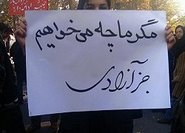


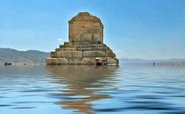



 Tulips in Holland