

Campaigners plan fuel depot protest
Could the fuel protests of 2000 be repeated all over again?
- Search: Fuel protests- Stay on the road and beat the big chill- Are Superfuels worth the money?- Winter driving tips- Breakdown cover
Fuel protesters are planning a new campaign of action targeting oil refineries and depots across the UK at the weekend. A group called Transaction-2007, an alliance of farmers and hauliers, is spearheading a new wave of protests fuelled by rising petrol prices. Prices on the forecourt passed the £1 mark several weeks ago and appear to be heading higher. Campaigners are planning a peaceful protest on Saturday to highlight the damage the high fuel prices are doing.
They warn that if the Government fails to get the message, they will be radically stepping up their efforts in the New Year. A strategic blockade of oil refineries in 2000 brought the country to a standstill and forced the Government to cut tax on petrol. David Hanley, chairman of protest group Farmers for Action, warned that similar scenes could be repeated without Government action. "We have been monitoring the fuel issue for some considerable time," he said. "Some time ago we were approached by the haulage industry with regard to meeting to discuss what to do. As a result, we have decided to do something to highlight the rising tax on fuel. It will be an entirely peaceful protest." He added: "We really don't know what else to do. We have been making noises to the Government for the last eight months but nobody is listening. "Something has to be done to try and ease the situation, otherwise essential users will have to put up their prices. If that happens, food prices will go up and everyone will suffer." He said the Government has had massive extra tax revenue as a result of the oil price and the tax on petrol. "We feel it has the money to be able to do something."
By Jamey LionetteWe Are What We Eat
Mass production of food is ruining our health, environment, and taste buds. How did this start? What's making it worse? How can we change?
By Patricia L JohnsonWhen The American Dream Becomes A Nightmare
Does it just happen these four states have a disproportionate number of foreclosures compared to the rest of the country or has there been a concerted effort in these states to sell subprime mortgages for the sole purpose of picking up the foreclosed properties for pennies on the dollar and reselling at a later date for extraordinary profits?
By George WashingtonWould A 9/11 Conspiracy Have Been Too Big To Keep Quiet?
By Kevin GosztolaHalliburton/KBR's Gang-Raping Of America
Halliburton/KBR isn't only guilty of covering up the gang-raping of women stationed in Iraq.
Iran Invasion Cancelled By Bilderberger? Audio
A wonderful interview on KPFA with Daniel Estulin in which he reveals that the Iran invasion was cancelled at the recent Bilderberger meeting in Ottawa, much to the displeasure of the American attendees. Daniel's 'reliability credentials' are quite in order for this kind of reporting. He even explains in the interview how he goes about gathering his intelligence on Bilderberger meetings.
Dishonest Political Tampering With The Science On Global Warming
Two detailed investigations by Committees of the House confirm that the IPCC has deliberately, persistently and prodigiously exaggerated not only the effect of greenhouse gases on temperature but also the environmental consequences of warmer weather.
Weather Warfare: Beware The US Military's Experiments With Climatic Warfare
'Climatic warfare' has been excluded from the agenda on climate change. The world's weather can now be modified as part of a new generation of sophisticated electromagnetic weapons. Both the US and Russia have developed capabilities to manipulate the climate for military use. Debate on weather modification for military use has become a scientific taboo.
Many Industrial Chemicals Are More Dangerous Than Previously Suspected
Many industrial chemicals can interfere with the hormone systems of many species; some of these hormone-related changes can be passed from one generation to the next by a mechanism that remains poorly understood, called epigenetics.
Power Plays: Iran-China Oil Deal, Setback For US BuzzFlash.org
This buzzflash article discusses a number of interesting recent developments in petroleum exploration and production. With the coming Peak Oil and post-Peak phases of Earth history on the horizon, time is of the essence. Both in finding greener ways to live, and preventing planetary destruction. Oh, wait, it may be to late for that. Sorry.
Is The Mahdi Army Morphing Into Another Hezbollah?"
Sadr's top aides say the anti-American cleric is anything but idle. Instead, he is orchestrating a revival among his army of loyalists entrenched in Baghdad and Shiite enclaves to the south," reports the Christian Science Monitor. "Many analysts say what may reemerge is an Iraqi version of Lebanon's Hizbullah."
Iraq To US: Can't You Take A Hint? Go Home
"Permanent forces or bases in Iraq for any foreign forces is a red line that cannot be accepted by any nationalist Iraqi," the government's national security advisor said in an interview broadcast late Monday.
Father killed daughter for not wearing hijabThis time in Canada - breitbart.com —
In yet another example of the Muslim "honor killings" that are becoming more common in the West, a father in the Toronto suburb of Mississauga has strangled to death his sixteen-year-old daughter, because she did not want to conform to Muslim requirements by wearing a headscarf.
Gang-Rape In Green Zone, Halliburton Cover-Up
US girl is gang-raped in Green Zone, left in shipping container 24 hours. What would you do if this was your daughter?
Victim: Gang-Rape Cover-Up By U.S., Halliburton/KBR
Jamie Leigh Jones, now 22, says that after she was raped by multiple men at a KBR camp in the Green Zone, the company put her under guard in a shipping container with a bed and warned her that if she left Iraq for medical treatment, she'd be out of a job. "Don't plan on working back in Iraq. There won't be a position here, and there won't be a position in Houston," Jones says she was told.
CIA Tapegate Just Doesn't Add Up
What precisely did the CIA tell the White House and Justice Department about the agency's intentions to destroy the interrogation materials? Who is this attorney who purportedly gave Jose A. Rodriguez Jr., a high-ranking CIA official, the go-ahead to destroy the tapes? What was the legal rationale for such a conclusion? Did someone write a "tape memo" justifying the decision, the way someone wrote a "torture memo"?
More Doubts About Destroyed CIA Tapes
Both Republicans and Democrats doubted the CIA story that the tapes were destroyed to protect the identities of interrogators. The growing scandal threatens to turn into the worst yet for the Bush Administration, beset by scandal and questions about White House credibility. Some have called for a special counsel to investigate.
IMPERIAL EMBLEM

PERSIA
Iranian Freedom Fighters UNITE
Showing posts with label Petrol. Show all posts
Showing posts with label Petrol. Show all posts
Wednesday, December 12, 2007
Monday, November 12, 2007
US pension funds ask Shell to scrap £5bn Iran project : Steve Hawkes - July 26, 2007
Shell is coming under intense pressure to scrap a £5 billion natural gas project in Iran after a call from a group of leading US pension funds for energy companies around the world to cut their ties with the Middle Eastern state. Some of America’s most influential institutional investors have written to Shell and seven of its major rivals, including Russia’s Gazprom and Total, warning that there is an increasing risk that sanctions imposed on the country will hit their business.
In a two-page letter sent to Jeroen van der Veer, Shell’s chief executive, the funds have revealed they are even concerned that infrastructure developed by the company could be targeted in any future war. It stated: “Historically, regional conflict has exposed facilities and infrastructure to the risk of attack, as evidenced by the Iran-Iraq war of the 1980s.” The move threatens to overshadow what promises to be one of the best set of quarterly results from Shell for nine months today. Analysts expected the group to reveal second quarter profits of $6.7 billion (£3.2 billion). The concerned shareholders include New York City’s five main pension funds and the influential California Public Employees Retirement System (Calpers), which has $700 million invested in Shell. The funds are coming under increasing pressure from State legislators in the US to divest their holdings in companies with ties to Iran. American oil and gas companies have already been barred from dealing with Iran, a stance backed by Lord Browne of Madingley, the former chief executive of BP, two years ago. He said: “Politically, Iran is not a flyer.” Shell has a long history with the Middle Eastern state, and three years ago signed a framework agreement to develop part of the giant South Pars gasfield and a liquefied natural gas plant with Spain’s Repsol. Mr van der Veer has continually refused to clarify Shell’s position regarding Iran, insisting that a final investment decision is more than a year away. A spokesman last night refused to comment on the letter except to confirm it had been received. He said: “When we come to deciding on Iran, we will take political considerations into account.” Iran holds the second-biggest gas reserves in the world behind Russia and is seen by analysts as a key part of Shell’s portfolio, given the company’s need to replenish its oil and gas developments. Other companies on the pension funds’ hit list include Repsol, Italy’s ENI, China National Petroleum Corp, ONGC of India and Japan’s Inpex Corporation. In total they hold $3.7 billion worth of shares in energy companies involved in Iran. Industry sources last night told The Times that pressure from the US is already making it harder for British exporters to bank letters of credit from Tehran. UK companies sell hundreds of products for oil pipelines in Iran. A spokesman for Calpers insisted that the letter sent to Shell and its rivals was little more than a “fact-find-ing mission” to establish the extent of their operations in the country. However, he admitted there was increasing concern about the companies’ ties to a “state sponsor of terrorism”. “It is increasingly likely that the worsening situation will negatively impact companies doing business there,” he said.
Iran’s pool
— Iran has 132.5 billion barrels of proven oil reserves – 10 per cent of the world’s total
— It holds 970 trillion cubic feet of natural gas, second only to Russia
— The country is the second-biggest Opec member behind Saudi Arabia, producing nearly four million barrels of oil a day, more than either BP or Shell’s global daily output
— Oil exports generate more than $45 billion a year for Iran, half its annual budget
— Exports are up by 40 per cent compared with the level just three years ago
In a two-page letter sent to Jeroen van der Veer, Shell’s chief executive, the funds have revealed they are even concerned that infrastructure developed by the company could be targeted in any future war. It stated: “Historically, regional conflict has exposed facilities and infrastructure to the risk of attack, as evidenced by the Iran-Iraq war of the 1980s.” The move threatens to overshadow what promises to be one of the best set of quarterly results from Shell for nine months today. Analysts expected the group to reveal second quarter profits of $6.7 billion (£3.2 billion). The concerned shareholders include New York City’s five main pension funds and the influential California Public Employees Retirement System (Calpers), which has $700 million invested in Shell. The funds are coming under increasing pressure from State legislators in the US to divest their holdings in companies with ties to Iran. American oil and gas companies have already been barred from dealing with Iran, a stance backed by Lord Browne of Madingley, the former chief executive of BP, two years ago. He said: “Politically, Iran is not a flyer.” Shell has a long history with the Middle Eastern state, and three years ago signed a framework agreement to develop part of the giant South Pars gasfield and a liquefied natural gas plant with Spain’s Repsol. Mr van der Veer has continually refused to clarify Shell’s position regarding Iran, insisting that a final investment decision is more than a year away. A spokesman last night refused to comment on the letter except to confirm it had been received. He said: “When we come to deciding on Iran, we will take political considerations into account.” Iran holds the second-biggest gas reserves in the world behind Russia and is seen by analysts as a key part of Shell’s portfolio, given the company’s need to replenish its oil and gas developments. Other companies on the pension funds’ hit list include Repsol, Italy’s ENI, China National Petroleum Corp, ONGC of India and Japan’s Inpex Corporation. In total they hold $3.7 billion worth of shares in energy companies involved in Iran. Industry sources last night told The Times that pressure from the US is already making it harder for British exporters to bank letters of credit from Tehran. UK companies sell hundreds of products for oil pipelines in Iran. A spokesman for Calpers insisted that the letter sent to Shell and its rivals was little more than a “fact-find-ing mission” to establish the extent of their operations in the country. However, he admitted there was increasing concern about the companies’ ties to a “state sponsor of terrorism”. “It is increasingly likely that the worsening situation will negatively impact companies doing business there,” he said.
Iran’s pool
— Iran has 132.5 billion barrels of proven oil reserves – 10 per cent of the world’s total
— It holds 970 trillion cubic feet of natural gas, second only to Russia
— The country is the second-biggest Opec member behind Saudi Arabia, producing nearly four million barrels of oil a day, more than either BP or Shell’s global daily output
— Oil exports generate more than $45 billion a year for Iran, half its annual budget
— Exports are up by 40 per cent compared with the level just three years ago
Friday, July 20, 2007
سایت حکومتی بازتاب در گزارشی در باره بحران بنزین در ایران به نقل از یکی از شاهدان نوشت در یکی از پمپ بنزینهای ایلام با صحنه ای روبرو شدم. ماجرا از این قرار بود که پیرمردی را در آنجا دیدم که با دو ظرف 20 لیتری خالی در دست، به هر راننده ای التماس می کرد که مقداری بنزین به او بدهند. او می گفت: جان تنها پسرم در خطر است. پس از پرس وجو از آن پیرمرد، متوجه شدم که پسرش در بیمارستان بستری است و دکترها گفتهاند که باید حتما به یکی از استان های مجهز به بیمارستان اعزام شود. در ایلام هم انتقال بیماران از طریق شرکتهای خصوصی دارای آمبولانس، انجام می شود. او می گفت پس از مراجعه برای آمبولانس، علاوه بر رقم هنگفتی که خواستند، به من گفته اند که تهیه بنزین آمبولانس هم به عهده خودت است و حالا من آمدهام برای اعزام پسرم از این و آن بنزین بگیرم. آخرین جمله ای که از آن پیرمرد شنیدم این بود كه می گفت نمی دانم چگونه خود را تسکین دهم و بگویم، چگونه در کشوری که روی نفت شناور است، به خاطر نبود بنزین برای آمبولانس، پسرم از دستم رفته است.
Iran Adjusts to Gas Rations; Will Economy Survive?
All Things Considered, by Mike Shuster
Listen to this : http://www.npr.org/templates/story/story.php?storyId=12103643
July 19, 2007 · After three weeks of gasoline rationing, the skies above Tehran are noticeably clearer, there is far less traffic on the city's streets, and the government is saving millions of dollars each day in subsidies for cheap gasoline. But drivers are frustrated, and many can't figure out how to navigate their lives on 24 gallons of gasoline a month. Although Iran is one of the largest exporters of crude oil in the world, it must import a large portion of its gasoline, which the government sells to the public at a very low price. It's not that there are shortages of gasoline in Iran; it's just that the government decided it could not sustain the enormous subsidies it was paying to keep gasoline prices so low. But rationing is creating new problems. And economists fear that Iran's economy could suffer.
Saturday, July 14, 2007
The Checkens are Comeing Home to Roost !
The bankruptcy of the economy and shortage of Petrol is now affecting the Air travelers
روزنامه سرمایه: در پي سهميهبندي بنزين و هجوم مسافران به بخش هوايي و همچنين به دليل كمبود ناوگان، در سيكل پروازها كشور اختلال ايجاد شده است.» اين مطلبي است كه معاون هوانوردي سازمان هواپيمايي كشوري در خصوص مشكلاتي از قبيل تاخيرات بيش از حد، عدم حمل بار همراه مسافر و... كه روزهاي اخير در بخش هوايي كشور به وجود آمده است در گفتوگو با «سرمايه» عنوان ميكند. عليرضا منظري با انتقاد از كمبود ناوگان هوايي و هجوم مسافران به اين بخش گفت: «با سهميهبندي بنزين بسياري از مسافران به بخش هوايي روي آوردند كه اين امر باعث اختلال در سيكل پروازي كشور شده است.» منظري ضمن ابراز نگراني از هجوم مسافران به بخش هواپيمايي در پي سهميهبندي بنزين، تعداد ناوگان هوايي را 128 فروند ذكر و اظهار كرد: «به دليل كمبود ناوگان هوايي در برابر افزايش حجم مسافران نميتوانيم به خلبانان فشار بياوريم چرا كه موجب استرس خلبان شده و در نهايت به لغو پرواز منجر ميشود.» او همچنين توضيح داد: «از طرفي با سهميهبندي بنزين به عنوان مثال بليت مسير تهران-اهواز را نميتوان براي هشت روز آينده رزرو كرد.» معاون هوانوردي سازمان هواپيمايي كشوري در پاسخ به اين سوال كه «آيا سازمان هواپيمايي كشوري برنامهريزي مشخصي براي افزايش تعداد مسافران خواهد انديشيد» گفت: «ما به تعداد كافي ناوگان نداريم كه بتوانيم براي جوابگوبودن به مردم نيز برنامهريزي كنيم.» منظري گرچه آماري از افزايش تعداد سفرهاي هوايي عنوان نكرد ولي ميزان افزايش آن را بسيار چشمگير دانست و اظهار كرد: «از روز چهارشنبه، 20 تيرماه نيز به دليل ازكارافتادن موتور هواپيماي ايرباس ايران در كشور عربستان تا به امروز آمار تاخيرات پروازي به طور چشمگيري افزايش يافته و باعث نارضايتي مسافران شده است.» مدتي است كه بخش هوايي كشور با معضلات متعددي روبهرو شده كه اين گونه مسايل منجر به نارضايتي مردم شده است. به يكي از اين موارد ميتوان به عدم حمل چمدانهاي همراه مسافران در يكي از پروازهاي كابل-مشهد به شمارهء 6508 بويينگ شركت هواپيمايي آسمان در هفتهء گذشته اشاره كرد كه بدون اطلاع قبلي مسافران صورت گرفت. اين پرواز كه قرار بود ساعت 12:45 دقيقه از فرودگاه كابل به سمت مشهد صورت گيرد، پس از دو ساعت تاخير پرواز كرد و هنگام ورود به مشهد به مسافران اعلام شد كه به علت سنگيني بيش از حد هواپيما از حمل بار همراه مسافران خودداري شده است. يكي از مسافران اين پرواز ضمن ابراز گلايه از رفتار نامناسب كاركنان شركت هواپيمايي آسمان اظهار كرد: «هنگام ورود در فرودگاه مشهد متوجه شديم كه چمدانهايمان نرسيده است وقتي علت را جويا شديم به ما گفتند كه به علت سنگيني بيش از حد هواپيما به دليل سوختگيري زياد، هواپيما قادر به حمل بار همراه مسافران نبوده و در پرواز بعدي بارتان را حمل خواهيم كرد.» وي افزود: «اين در حالي بوده كه نيمي از مسافران عازم تهران و مابقي بايد به شهرهاي ديگر عزيمت كنند و قادر به ماندن در مشهد براي دريافت بارشان به مدت يك هفته نبودند.»
Thursday, July 12, 2007
Iran won't raise fuel quota for drivers Tehran:
Iran will not raise the quota of gasoline for private drivers under rationing introduced last month, the oil minister said, despite grumbling by motorists that they do not get enough.
Oil Minister Kazem Vaziri-Hamaneh also said the government did not want to offer extra fuel at higher prices than the rationed fuel because it would undermine the objective of cutting consumption, the official Irna news agency reported. Iran began rationing fuel last month, sparking protests by motorists used to cheap, abundant fuel. The move aimed to curb consumption in the Opec member, which does not have enough refining capacity to meet domestic gasoline needs. The Islamic state has been importing 40 percent of its fuel needs, costing it $5 billion last year. That is a sensitive issue when world powers are considering ratcheting up UN sanctions against Iran over its nuclear programme. 'We are not able to incresae gasoline quotas for private cars,' IRNA quoted the minister as saying. Other news agencies also carried the comments. Drivers of private cars can buy 100 litres (22 gallons) of fuel a month, which many say is not enough, at the heavily subsidised price of 1,000 rials (11 US cents) a litre. Drivers, who can currently buy their quota up to six months in advance, worry about what will happen if they use up their allocation too quickly and a black market in extra fuel has already emerged.
'Offering (extra) gasoline at a free-market price will stop us from reaching our main goal which was to economise gasoline consumption,' the minister added. Other government officials have said offering extra gasoline at market prices would only fuel inflation, which is already running at 17 per cent. Economists say the black market with higher priced fuel will have the same inflationary impact. They say the government would do better to legalise the market and offer some fuel at higher prices, closer to international levels. Some Iranian politicians have said Iran had to take dramatic action because of mounting international pressure.
The UN has imposed two rounds of sanctions over Tehran's failure to halt work the West says is aimed at building atomic bombs. Iran dismisses this charge, saying it only wants to develop a home-grown nuclear power industry. The US, leading efforts to isolate Iran, has described Tehran's gasoline imports as leverage in the row.Reuters
Wednesday, July 11, 2007
كميته مبارزات ملی ايران، عموم مردم را به یک گردهمايی مسالمت آمیز در اعتراض به سهمیه بندی بنزین فراخوانده است. این گردهمايی روز جمعه آینده 22 تیرماه از ساعت 6 بعدازظهر در میدان انقلاب در تهران برگزار خواهد شد.
در بیانیه این کمیته آمده است كميته مبارزات ملی ايران يک كميته فراحزبي و فراگروهي است كه به منظور حمايت از مبارزات مدني و مسالمت آميز مردم ايران تاسيس شده است. اعضای این کمیته در روزها و شبهاي گذشته بهمراه شمار دیگری از فعالين سياسي، دانشجويی، مدني و كارگري در تهران و شهرستانهاي اطراف بيش از 5 هزار اعلامیه برای اعتراض به سهميه بندي بنزين بين مردم توزيع كرده اند. در این اطلاعیه که متن آن در پائین آمده از عموم مردم دعوت شده تا در روز جمعه 22 تيرماه از ساعت 6 بعدازظهر در ميدان انقلاب حضور یابند و بصورت مسالمت آمیز به سهميه بندی بنزين اعتراض کنند. كميته مبارزات ملی ايران تا كنون در بسياری از محله های تهران اقدام به شعارنويسی بر روی ديوارها نموده و قصد دارد در روزهای آينده ضمن توزيع 5 هزار شبنامه ديگر صدای خود را به گوش مردم ايران رسانده و از آنان دعوت نمايد در اين اعتراض عمومی شركت کنند. اين كميته ضمن اطلاع رسانی به بسياري از خطوط تاكسيرانی، مسافركشهای شخصی و آژانس ها، تا كنون توانسته حمايت بسياري از آنان را براي شركت در گردهمايی عصر جمعه جلب کند. متن شبنانه هاي توزيع شده در سطح تهران و شهرستانهاي اطراف بدين شرح است : ما به سهميه بندي بنزين اعتراض داريم هموطنان گرامي : در اعتراض به سهميه بندي بنزين روز جمعه مورخ 22/ 4/ 86 از ساعت 6 بعداظهر در ميدان انقلاب به صورت كاملا مسالمت آميز گردهم مي آييم تا در كنار يكديگر مخالفت خود را به سهميه بندي بنزين كه مي تواند زندگي بسياري از مردم ايران را به فقر و بدبختي بكشاند نشان دهيم . تو اگر برخيزي، من اگر برخيزم ؛ همه بر مي خيزند
تو اگر بنشيني، من اگر بنشينم ؛ چه كسي برخيزد
كميته مبارزات ملي ايران
در بیانیه این کمیته آمده است كميته مبارزات ملی ايران يک كميته فراحزبي و فراگروهي است كه به منظور حمايت از مبارزات مدني و مسالمت آميز مردم ايران تاسيس شده است. اعضای این کمیته در روزها و شبهاي گذشته بهمراه شمار دیگری از فعالين سياسي، دانشجويی، مدني و كارگري در تهران و شهرستانهاي اطراف بيش از 5 هزار اعلامیه برای اعتراض به سهميه بندي بنزين بين مردم توزيع كرده اند. در این اطلاعیه که متن آن در پائین آمده از عموم مردم دعوت شده تا در روز جمعه 22 تيرماه از ساعت 6 بعدازظهر در ميدان انقلاب حضور یابند و بصورت مسالمت آمیز به سهميه بندی بنزين اعتراض کنند. كميته مبارزات ملی ايران تا كنون در بسياری از محله های تهران اقدام به شعارنويسی بر روی ديوارها نموده و قصد دارد در روزهای آينده ضمن توزيع 5 هزار شبنامه ديگر صدای خود را به گوش مردم ايران رسانده و از آنان دعوت نمايد در اين اعتراض عمومی شركت کنند. اين كميته ضمن اطلاع رسانی به بسياري از خطوط تاكسيرانی، مسافركشهای شخصی و آژانس ها، تا كنون توانسته حمايت بسياري از آنان را براي شركت در گردهمايی عصر جمعه جلب کند. متن شبنانه هاي توزيع شده در سطح تهران و شهرستانهاي اطراف بدين شرح است : ما به سهميه بندي بنزين اعتراض داريم هموطنان گرامي : در اعتراض به سهميه بندي بنزين روز جمعه مورخ 22/ 4/ 86 از ساعت 6 بعداظهر در ميدان انقلاب به صورت كاملا مسالمت آميز گردهم مي آييم تا در كنار يكديگر مخالفت خود را به سهميه بندي بنزين كه مي تواند زندگي بسياري از مردم ايران را به فقر و بدبختي بكشاند نشان دهيم . تو اگر برخيزي، من اگر برخيزم ؛ همه بر مي خيزند
تو اگر بنشيني، من اگر بنشينم ؛ چه كسي برخيزد
كميته مبارزات ملي ايران
Monday, July 09, 2007
به گزارش خبرگزاری ايسنا، روز شنبه شانزدهم تيرماه، فردي که درخواست او براي دريافت چند ليتر بنزين بدون کارت سوخت در جايگاه ميدان جمهوري کرمانشاه بينتيجه مانده بود، با آوردن تعدادي از اقوام خود با ماموران انتظامی مستقر در اين جايگاه درگير شد. در جريان این درگیری، ماموران نیروی انتظامی با شليک گلوله فرد متقاضی را از ناحیه پا مجروح کردند که به بیمارستان منتقل شد. در پی اين حادثه مردم با پرتاب سنگ خودروی نيروي انتظامي را مورد حمله قرار دادند.
Friday, July 06, 2007
Economic Suicide.
Mullahs Gone Wild : John Mauldin, Millennium Wave Advisors
I want to briefly look at a development in the oil markets, which I find intriguing. Dr. Woody Brock, in a recent paper on oil prices, wrote a rather interesting sentence, to wit, that Iran would not have net oil to export in 2014. Read the full article here : http://www.forbes.com/finance/2007/07/05/iran-gasoline-rationing-pf-guru-ii-in_jm_0705soapbox_inl.html?partner=rss
I want to briefly look at a development in the oil markets, which I find intriguing. Dr. Woody Brock, in a recent paper on oil prices, wrote a rather interesting sentence, to wit, that Iran would not have net oil to export in 2014. Read the full article here : http://www.forbes.com/finance/2007/07/05/iran-gasoline-rationing-pf-guru-ii-in_jm_0705soapbox_inl.html?partner=rss
Thursday, July 05, 2007
Who is responsible for the price of a Liter of Petrol to be sold for 2000 Rial ? ( official price = 100 Rial)
سایت حکومتی آفتاب: تعلل در عرضه و اعلام قیمت آزاد بنزین موجب شده تا بازار سیاه سوخت پررونق شود و مردم برای مصرف شخصی و صنعتی به این بازار مراجعه کنند. یک منبع مطلع با بیان این مطلب افزود: برخی از گزارشها حکایت از آن دارد که قیمت آزاد بنزین در بازار سیاه هر لیتر تا یک هزار تومان خرید و فروش میشود. وی تصریح کرد: دولت با تعلل در اعلام قیمت آزاد بنزین ناخواسته به افراد سوجویی که پیش از اجرای سهمیهبندی، بنزین ذخیره کرده بودند میدان داده است. او گفت: بسیاری از صنعتگران کوچک و بزرگ برای آنکه کارشان متوقف نشود ناچار هستند که به دنبال بنزین باشند. همچنین اشخاص دیگری که به دلایل مختلف امکان استفاده از کارت سوخت هنوز برایشان میسر نیست حاضرند برای تهیه بنزین هر بهایی را پرداخت کنند به همین علت امروز قیمت متوسط سوخت در بازار سیاه و در نقاط دور افتاده و بهخصوص مراکز صنعتی حتی به 2 هزار تومان در هر لیتر نیز میرسد. گزارشهای رسیده حاکی از آن است که در برخی از جایگاهها سطح شهر بنزین از طریق کارتهای سوختی که صاحبان اصلی آن مشخص نیستند از لیتری 300 تا 500 تومان به فروش میرسد.
Saturday, June 30, 2007

درگيری در شهرهای ايران
درهمين ارتباط، منابع رسمی جمهوری اسلامی گزارش هايی را از درگيری در شهرهای تهران، بيرجند، اصفهان، بندر عباس، ياسوج، ايلام، استان خراسان رضوی، زنجان، آذربايجان شرقی و غربی، گرگان، و مازندران منتشر کرده اند. اين گزارش های تاييد نشده همچنين حکايت از کشته شدن تعدادی از مردم معترض در ناآرامي های ناشی از سهميه بندی بنزين در شهرهای مختلف و يا زخمی شدن شماری از مردم براثر شليک گلوله دارند.
حضور نیروهای یگان ویژه ضدشورش در خيابانهای تهران
سایت آسمان دیلی نیوز: نيروی انتظامی امروز از گشت زنی نيروهای ويژه ضد شورش برای جلوگيری از وقوع دو باره حوادث شامگاه سه شنبه که پس از اعلام سهميه بندی بنزين در سطح شهرهای ايران روی داد، خبر داد.
بحران بنزین؛ گزارشی از شهر خلخال
من از خلخال با شما تماس می گیرم. در خلخال پس از جیره بندی بنزین مردم و رانندگان خشمگین دست از کار کشیدند بطوری که هم اکنون رانندگان خط خلخال به اردبیل و همچنین خلخال به تالش در اعتراض به سهمیه بندی بنزین دست از کار کشیده اند و رفت و آمد در این شهرستان کاملا مشکل شده است. همچنین در اعتراض به دولت مردم فهیم خلخال چند راس قاطر و الاغ را در ایستگاههای سواری های خطی بسته اند. بطوری که دیروز تعدادی از جوانان خلخال به گردن این حیوانات عکس احمدی نژاد را نصب کرده بودند که این مسئله با واکنش نیروهای یگان ویژه ضد شورش روبرو شد که به دستگیری تعدادی از جوانان این شهر منجر شد. اسامی افراد دستگیرشده به این شرح می باشد: فرهنگ نصیرنیا ، مجید خالقی مقدم ، حسن بالا فتحعلی زاده ، نجیب نورپاش ، هارون نورپاش ، بدالله حکیم زاده ، بیت الله شافعی ، حبیب مناف زاده ، فرشید حکیمی و تعدادی دیگر که اسامی آنها اعلام نشده
است. به امید آزادی وطن
بحران بنزین؛ بستن 20 الاغ به میله های فرمانداری خوی!آذوح- جنبش دانشجويی آذربايجان – خوی- به دنبال سهمیه بندی و گران شدن بنزین در ایران که به طبع آن نا آرامی هایی در اکثر شهرهای کشور رخ داد در یک اقدام جالب و نمادین، جمعی از مردم خوی با بستن حدود 20 الاغ به میله های دیواره ساختمان فرمانداری اعتراض خود را به وضعی غیرقابل قبول موجود نشان دادند. هدف معترضین بیان این نکته بود که از این به بعد در شهر خوی به جای ماشین خر سوار خواهیم شد!
بحران بنزین؛ گزارشی از بندرگناوه
گزارش دریافتی: جايگاه سوخت شركتي بندر گناوه ديشب در محاصره نيروي انتظامي
بنا به گفته شاهدان عيني پريشب يك موتورسوار كه چهره او بوسيله كلاه ايمني پوشيده شده بود با مراجعه به جايگاه سوخت شركتي بندر گناوه واقع در مركز شهر اقدام به شليك تير هوايي كرده و تهديد ميكند كه اينبار براي جلوگيري از سوختن اتومبيلهاي مردم اقدام به آتش زدن پمپ بنزين نميكنم اما فردا شب اينكار را انجام خواهم داد . اين يك هشدار است تا فرداشب به اتومبيلهاي مردم خسارت وارد نشود . لازم به ذكر است كه در اين جريان نيز مامور محافظ موجود در پمپ بنزين براي جلوگيري از درگيري در نقطه اي از جايگاه تا دور شدن مهاجم پنهان ميشود . بلافاصله پس از دور شدن مهاجم نيروهاي انتظامي به محل مراجعه مينمايند و تعداد زيادي از آنها همانجا مستقر ميشوند به طوريكه اين جايگاه ديشب تحت كنترل كامل نيروهاي نظامي شب را به صبح رسانده و بنا به گفته يكي از كاركنان جايگاه ماموران از ترس شب را تا به صبح در دلهره بودند. شايان ذكر است كه پمپ بنزين بندر ديلم نيز در شب اعلام جيره بندي مورد هجوم عدهاي از جوانان قرار گرفت اما با التماسهاي صاحب جايگاه كه خود از شهروندان ديلم است جوانان براي جلوگيري از زيان بسيار زياد به نامبرده از اين قصد منصرف ميشوند . كشور آبستن حوادث بزرگي است.
حکومت نظامی اعلام نشده در کلیبر
بنا به گزارش دریافتی، در آستانه گردهمايی بزرگ مردم آذربایجان در قلعه بابک، شهر کلیبر در محاصره نیروهای نظامی قرار گرفته و ورود و خروج به این شهر تنها بعد از اجازه ایستهای پست و بازرسی سپاه و نیروی انتطامی ممکن است.
بحران بنزین؛ نگرانی و تشویش در بین تاکسیرانان
خبرگزاری حکومتی مهر: مدیر عامل سازمان تاکسیرانی شهر تهران از تشویش جدی رانندگان تاکسی طی چند روز گذشته خبر داد.
حسین تیموری کرمانی گفت در سهمیه بندی بنزین چگونگی فعالیت تاکسی ها به هیچ عنوان در نظر گرفته نشده و با اعلام سهمیه بندی بنزین تاکسیرانان دچار تشویش شده اند و هنوز معلوم نیست در وزارت نفت چه کسانی تصمیم گیران نهایی این امر هستند . وی در پاسخ به علت تشویش رانندگان پس از اعلام سهمیه بندی بنزین گفت بر اساس اعلام نظرهای کارشناسانه سهمیه های درنظر گرفته شده پاسخگوی نیاز تاکسی ها نیست . تیموری از بیان میزان سمیه مورد تایید تاکسیرانان خودداری کرد و افزود: میزان سهمیه بنزین مورد نیاز تاکسیرانان با بررسیهای کارشناسانه بطور دقیق تعیین و به مسئولان مربوطه اعلام شده است. مدیرعامل سازمان تاکسیرانی شهر تهران همچنین گفت رسیدگی به تخلفات آژانس ها به این سازمان ارتباطی ندارد.
http://www.iranpressnews.com/source/026311.htm
بحران بنزین؛ اوضاع در شهر مشهد
ستون جهت اطلاع روزنامه جمهوری اسلامی شنبه از مشهد خبر مي رسد در پي جيره بندي بنزين طي 2 روز گذشته بسياري از عمده فروشان مواد غذائي ـ مصالح ساختماني ـ پوشاك و ساير كالاهاي مورد نياز مردم از عرضه كالا به بازار خودداري مي كنند. برخي از فروشندگان جز اظهار مي دارند عمده فروشان كالا علي رغم پر بودن انبارهايشان به دلايل واهي و شايعات از عرضه كالا طفره رفته با قيمتهاي بالاتر به عرضه كالا مي پردازند.
وضعیت خانواده آیت الله سید حسین کاظمینی بروجردی
ای به دست آورده قدرت کار خلق آسان مگیر ما وقار کوه را گاهی به کاهی دیده ایم
ای انسانها در ایران خانواده ای را به جرم داشتن اعتقاد به دین سنتی و حقانیت پدر، پرپر می کنند.
رژیم مستبد و دیکتاتوری دینی ایران که با تکیه بر دین سیاسی، دین را ملعبه دست خود قرار داده، قتل و غارت خود را تا رسیدن به هدف نهایی خود پیش می برند، تا جايي كه باعث از بین رفتن سرمایه های ملی و اعتبار مردم ایران در سطح جهان شده است. یکبار دیگر در راستای فشار به خانواده روحانی مبارز و مخالف تز ولایت فقیه آیت الله سید حسین کاظمینی بروجردی ، رژیم غیر دموکرات حاکم بر ایران دست به اقدامات زشت غیر انسانی زده و با تمام امکانات قصد از پا در آوردن این خانواده مبارز را دارند . حکومت دین سیاسی که خطر انتشار شعار آیت الله بروجردی در جامعه و استقبال مردم آگاه ، را درک کرده است ، به اشکال گوناگون سعی در همراه کردن ایشان با اهداف پلیدشان را دارند و از وعده تا چوبه دار به ایشان فشار وارد کرده اند، ولی تاکنون به اهداف شوم خود نرسیده اند. آقای کاظمینی بروجردی که مخالف استبداد دینی است و به هیچ وجه حاضر به معاوضه دین سنتی با دین سیاسی نشده است. لذا رژیم با فشار آوردن به خانواده ایشان قصد به زانو درآوردن و از بین بردن روحیه مبارز طلبی آیت الله بروجردی را نموده است. گزارشات واصله حاکی از تشدید فشارها از جمله تعقیب همه روزه ، تهدید در همه جا ، در حصر گذاشتن خانواده آیت الله بروجردی شده است این عزیزان را در بایکوت و سانسور شدید خبری قرار داده اند و با تحت نظر گرفتن این خانواده باعث گردیده اند که هیچ کس از حال آنها با خبر نشود احضارهای متعدد از سوی دادگاه ویژه روحانیت، همسر و فرزندان این مبارز را بسیار آزار داده و با رفتار غیر انسانی انجام می پذیرد ودر هر احضار مورد ضرب و شتم قرار می گیرند که ریختن خون این خانواده از سوی مسئولین بلند پایه رژیم مباح اعلام شده است و در اقدامی وحشیانه و بی رحمانه تمامی اموال و اثاثیه فرزند ارشد آیت الله بروجردی(سید مهدی کاظمینی بروجردی) را مصادره نموده اند و هر کس که قصد پناه و یاری را به این خانواده داشته باشد، مورد تهدید جانی و مالی رژیم قرار می گیرد ، که این عمل باعث آوارگی این خانواده مبارز شده است. تهدیدهای جانی و مالی به هر دو فرزند پسر آیت الله بروجردی هر روز به شکل جدیدی ادامه دارد. این خانواده فداکار که جان و مال و ناموس و اهل و عیال را در حمایت از دین غیرسیاسی و وطن قرار داده اند ، در تنگناهای امنیتی قرار گرفته اند لذا به هر کاری جهت امرار معاش دست می زنند از سوی مأموران رژیم تعطیل و تخریب و اموال آنها مصادره می گردد. فشارها و مصادره اموال و دارایی و آوارگی این خانواده که از سوی دادگاه ویژه روحانیت ترتیب و تنظیم می شود، بر دختران آیت الله بروجردی فشار مضاعفی وارد نموده است. این عزیزان که در محل تحصیل با اذیت و آزار عوامل رژیم مواجه می باشند، باعث افت شدید تحصیلی گردیده و ادامه تحصیل در این شرایط برآنها بسیار مشکل و طاقت فرسا شده است، که بر اثر این فشارها دچار اختلالات روحی ، روانی و عصبی شده اند و این تنگناها با هر دادگاه بر علیه آیت الله بروجردی و مقاومت ایشان بر خانواده مظلوم و مبارزشان بیشتر می شود. این خانواده تاکنون حاضر به سازش با خون خواران دین سیاسی نشده اند و هنوز دفاع از وطن و دین سنتی و آباء و اجدادی را تا پای جان امری واجب می دانند. لذا از تمامی فعالان حقوق بشر و انسان دوستان و ایرانیان غیرتمند و نهادهای بین المللی ، سازمانهای حقوق بشر ، نویسندگان ، فعالان سیاسی و رسانه های خبری داخل و خارج کشور تقاضامندیم با جدیت از این خانواده در برابر حکومت غیر انسانی حمایت نمایند و همانند گذشته در این شرایط سخت این مبارزان در راه آزادی و طن را تنها نگذاریم. فشارهای خود را بر رژیم به هر شکل بیشتر نمائید تا باعث دلگرمی این خانواده و عقب نشینی این رژیم فاسد و دیکتاتور دینی گردد.
از زحمات و حمايت شما تشكر مي كنيم
مقلدين روحاني ظلم ستيزآيت الله سيد حسين كاظميني بروجردي
Wednesday, June 27, 2007
Angry protests erupt in Iran over petrol rationing
Antari Nejad, the great Mother Fucker of all the IRI lairs, has brought oil to every bodies dinner table in a Gerry-can filed with a liter of petrol enough to make hundreds of FIRE BOMBS.
Here is the music to go with it :

An Iranian man walks past a damaged petrol station in Tehran©AFP - Behrouz Mehri
TEHRAN (AFP) - Angry demonstrators torched petrol stations and long queues formed at heavily-guarded fuel pumps Wednesday after oil-rich Iran announced the start of fuel rationing, triggering nationwide protests. Motorists trying to stock up on fuel clashed with armed police after the surprise announcement rationing would take effect from midnight Tuesday.
Shouting "(President Mahmoud) Ahmadinejad must be killed," stone-throwing demonstrators set ablaze a car and petrol pumps at a service station in a residential area of northwestern Tehran late on Tuesday. It is the first such open outpouring of anger since Ahmadinejad took office in 2005, although criticism has mounted in some economic circles that his policies were fuelling inflation and hurting the poor. Tehran fire service spokesman Behrouz Tashakor said the city's firefighting teams had reported 12 petrol stations ablaze, according to the Fars news agency. Iran, OPEC's number two oil producer and the fourth in the world, announced on Tuesday that rationing aimed at reducing colossal state petrol subsidies and massive consumption would extend to private cars and taxis.


Iranians watch a petrol station burn in Tehran©AFP - Behrouz Mehri
But reformist and moderate lawmakers were pushing for legislation to halt the plan, while Interior Minister Mostafa Pour-Mohammadi and Oil Minister Kazem Vaziri Hamaneh were to brief parliament on the situation in a closed session .

Iranians line up to pump gasoline at a petrol station in downtown Tehran©AFP - Behrouz Mehri
Long queues of cars, some several kilometres (miles) long, snaked from petrol stations in Tehran and across the country as armed police stood guard. In some areas, people turned up with buckets to fill up with fuel. "One day the government says rationing has been postponed, the next they say they are going ahead with it, that explains the long queues and violence," said one petrol station manager, identifying himself only as Ghanei. State television gave the announcement just a few hours before it came into force at midnight. It said private cars using petrol would be limited to 100 litres of petrol a month while those using petrol and liquefied gas would only be allowed 30 litres. The rationing would continue for four months and might be extended further to six months. Separate higher quotas have been introduced for municipal yellow taxis and privately-run taxis, both essential means of transport. Iran has about seven million mostly ageing, fuel-inefficient cars, more than a million of them clogging the roads in Tehran where an official once described the level of pollution as "collective suicide." Cheap prices have encouraged such consumption that the government ironically had to spend five billion dollars importing petrol in the last financial year ended March. Its refining capacity covers only 60 percent of its needs, while smugglers also illegally take cheap petrol out of the country to neighbouring states where pump prices are far higher. Iran launched the first phase of the rationing plan two weeks ago, initially targeting only government vehicles. Last month, it also raised pump prices by 25 percent, to around 10 cents per litre, for a commodity that still costs less than a comparable amount of mineral water. A car burns inside a petrol station in northwest . Iran estimates that without rationing, fuel imports could reach 9.5 billion dollars a year. It produces 44.5 million litres of petrol a day but consumption is 79 million. Under Tuesday's plan, the maximum amount of petrol allowed in total for the four-month period is 400 litres for petrol-burning cars and 120 litres for those which consume both liquefied gas and petrol. Ahmadinejad has been criticised by the reformist press for stoking already high inflation with high spending and promising lavish local investment projects. Earlier this month, more than 50 economists wrote an open letter warning Ahmadinejad about the effects of his economic policies on society. However the president, who was elected on a platform of distributing the country's riches more evenly, insists inflation is under control and that the government is doing all it can to reduce poverty. The central bank has predicted inflation will rise to 17 percent in the year to March 2008 and some economists expect it could be even higher.
Here is the music to go with it :
 |
| NIGHT FEVER extra.... |
| Hosted by eSnips |

An Iranian man walks past a damaged petrol station in Tehran©AFP - Behrouz Mehri
TEHRAN (AFP) - Angry demonstrators torched petrol stations and long queues formed at heavily-guarded fuel pumps Wednesday after oil-rich Iran announced the start of fuel rationing, triggering nationwide protests. Motorists trying to stock up on fuel clashed with armed police after the surprise announcement rationing would take effect from midnight Tuesday.
Shouting "(President Mahmoud) Ahmadinejad must be killed," stone-throwing demonstrators set ablaze a car and petrol pumps at a service station in a residential area of northwestern Tehran late on Tuesday. It is the first such open outpouring of anger since Ahmadinejad took office in 2005, although criticism has mounted in some economic circles that his policies were fuelling inflation and hurting the poor. Tehran fire service spokesman Behrouz Tashakor said the city's firefighting teams had reported 12 petrol stations ablaze, according to the Fars news agency. Iran, OPEC's number two oil producer and the fourth in the world, announced on Tuesday that rationing aimed at reducing colossal state petrol subsidies and massive consumption would extend to private cars and taxis.


Iranians watch a petrol station burn in Tehran©AFP - Behrouz Mehri
But reformist and moderate lawmakers were pushing for legislation to halt the plan, while Interior Minister Mostafa Pour-Mohammadi and Oil Minister Kazem Vaziri Hamaneh were to brief parliament on the situation in a closed session .

Iranians line up to pump gasoline at a petrol station in downtown Tehran©AFP - Behrouz Mehri
Long queues of cars, some several kilometres (miles) long, snaked from petrol stations in Tehran and across the country as armed police stood guard. In some areas, people turned up with buckets to fill up with fuel. "One day the government says rationing has been postponed, the next they say they are going ahead with it, that explains the long queues and violence," said one petrol station manager, identifying himself only as Ghanei. State television gave the announcement just a few hours before it came into force at midnight. It said private cars using petrol would be limited to 100 litres of petrol a month while those using petrol and liquefied gas would only be allowed 30 litres. The rationing would continue for four months and might be extended further to six months. Separate higher quotas have been introduced for municipal yellow taxis and privately-run taxis, both essential means of transport. Iran has about seven million mostly ageing, fuel-inefficient cars, more than a million of them clogging the roads in Tehran where an official once described the level of pollution as "collective suicide." Cheap prices have encouraged such consumption that the government ironically had to spend five billion dollars importing petrol in the last financial year ended March. Its refining capacity covers only 60 percent of its needs, while smugglers also illegally take cheap petrol out of the country to neighbouring states where pump prices are far higher. Iran launched the first phase of the rationing plan two weeks ago, initially targeting only government vehicles. Last month, it also raised pump prices by 25 percent, to around 10 cents per litre, for a commodity that still costs less than a comparable amount of mineral water. A car burns inside a petrol station in northwest . Iran estimates that without rationing, fuel imports could reach 9.5 billion dollars a year. It produces 44.5 million litres of petrol a day but consumption is 79 million. Under Tuesday's plan, the maximum amount of petrol allowed in total for the four-month period is 400 litres for petrol-burning cars and 120 litres for those which consume both liquefied gas and petrol. Ahmadinejad has been criticised by the reformist press for stoking already high inflation with high spending and promising lavish local investment projects. Earlier this month, more than 50 economists wrote an open letter warning Ahmadinejad about the effects of his economic policies on society. However the president, who was elected on a platform of distributing the country's riches more evenly, insists inflation is under control and that the government is doing all it can to reduce poverty. The central bank has predicted inflation will rise to 17 percent in the year to March 2008 and some economists expect it could be even higher.
Petrol stations torched in Iran after Ahmadinejad rations fuel : David Byers and agencies
Nice music to go with this article
http://www.esnips.com/doc/7c35f4dd-7977-4773-8546-6386ec6adc96/NIGHT-FEVER

Gangs of youths torched petrol stations and long queues developed at pumps in Tehran after President Mahmoud Ahmadinejad announced the start of fuel rationing, causing the kind of violent protests rarely seen in Iran. Despite the Islamic Republic being Opec's No 2 oil producer, Mr Ahmadinejad announced yesterday evening that he was enforcing the rations from midnight last night. Reading out an Oil Ministry statement, Iranian state television said that private cars would be rationed to 100 litres per month, while those using petrol and compressed natural gas would only be allowed 30 litres. It added that the rationing would continue for four months and might be extended to six months. Separate quotas have also been introduced for municipal yellow taxis and privately-run taxi firms. Mr Ahmadinejad hopes that his controversial plan will force Iranians to pay a higher price for a commodity that now costs less than a comparable amount of mineral water. In the past, cheap pump prices have encouraged such widespread consumption that, despite its huge oil production rate, Iran has ironically been forced to spend billions of dollars each year importing petrol. However, the plan was greeted with violent protests by Iranians last night as the rationing came into force, while long queues for several hundred metres were also spotted outside petrol stations. Cars were seen burning inside a number of Tehran's petrol stations while demonstrators were seen throwing stones, and anti-riot police were called in. Iranian radio said today that several stations had been attacked “by vandals,” but did not say how many stations were damaged or give further details. At midnight, queues of more than half a mile were seen outside some petrol stations in the Iranian capital, the AP news agency reported. Minutes before midnight, cars stuck in some of the long queues began blaring their horns in protest, causing arguments with nearby residents trying to sleep, the agency added. “This man, Ahmadinejad, has damaged all things. The timing of the rationing is just one case,” Reza Khorrami, a 27-year-old teacher who was among those queuing up at one Tehran gas station before midnight, told AP. “Is this good timing, to announce rationing only three hours before it starts?” complained Ahmad Safai, a 30-year-old shopkeeper who was in line. “I had no gas in my car’s tank when I heard the report.”
http://www.esnips.com/doc/7c35f4dd-7977-4773-8546-6386ec6adc96/NIGHT-FEVER
Gangs of youths torched petrol stations and long queues developed at pumps in Tehran after President Mahmoud Ahmadinejad announced the start of fuel rationing, causing the kind of violent protests rarely seen in Iran. Despite the Islamic Republic being Opec's No 2 oil producer, Mr Ahmadinejad announced yesterday evening that he was enforcing the rations from midnight last night. Reading out an Oil Ministry statement, Iranian state television said that private cars would be rationed to 100 litres per month, while those using petrol and compressed natural gas would only be allowed 30 litres. It added that the rationing would continue for four months and might be extended to six months. Separate quotas have also been introduced for municipal yellow taxis and privately-run taxi firms. Mr Ahmadinejad hopes that his controversial plan will force Iranians to pay a higher price for a commodity that now costs less than a comparable amount of mineral water. In the past, cheap pump prices have encouraged such widespread consumption that, despite its huge oil production rate, Iran has ironically been forced to spend billions of dollars each year importing petrol. However, the plan was greeted with violent protests by Iranians last night as the rationing came into force, while long queues for several hundred metres were also spotted outside petrol stations. Cars were seen burning inside a number of Tehran's petrol stations while demonstrators were seen throwing stones, and anti-riot police were called in. Iranian radio said today that several stations had been attacked “by vandals,” but did not say how many stations were damaged or give further details. At midnight, queues of more than half a mile were seen outside some petrol stations in the Iranian capital, the AP news agency reported. Minutes before midnight, cars stuck in some of the long queues began blaring their horns in protest, causing arguments with nearby residents trying to sleep, the agency added. “This man, Ahmadinejad, has damaged all things. The timing of the rationing is just one case,” Reza Khorrami, a 27-year-old teacher who was among those queuing up at one Tehran gas station before midnight, told AP. “Is this good timing, to announce rationing only three hours before it starts?” complained Ahmad Safai, a 30-year-old shopkeeper who was in line. “I had no gas in my car’s tank when I heard the report.”
Shotage of Petrol and its rationing has inflamed all the Iranian cities.
ازحام و درگیری در پمپ بنزين های اهواز و همدان
به گزارش فارس از اهواز، با اعلام خبر سهميه بندي بنزين از اخبار صدا و سيماي جمهوري اسلامي ،جايگاه هاي عرضه سوخت در شهر اهواز كه اين روزها با صف هاي طولاني مواجه بود ، به صحنه درگيري افراد براي دريافت زودتر سوخت تبديل شد تا جايي كه در بعضي جايگاه ها نيروي انتظامي مجبور به دخالت در درگيري و پايان دادن آن شد . اين گزارش حاكي است شهروندان خوزستاني تلاش مي كنند بنزين بيشتري در باك خودروها و گالن هاي بنزين خود پر كنند. اين شهروندان معتقدند با توجه به گرماي شديد هوا در خوزستان و نياز به استفاده از كولر در خودروها سهميه بنزين 100 ليتري كافي نيست . چرا كه در صورت روشن كردن كولر مصرف بنزين شديدا افزايش يافته و سهميه تعيين شده در مدت بسيار كوتاهي به پايان مي رسد در اين صورت بنزين مورد نياز اضافه بر سهميه بايد به قيمت آزاد غير يارانه اي تهيه شود كه از عهده آنان خارج است . در همدان نیز به دنبال اعلام خبرآغاز سهميهبندي بنزين،رانندگان خودروها ، براي استفاده از بنزين خارج از سهميه،به سوي پمپ بنزين ها سرازير شدند. ازدحام خودروها در خيابانها و ميدانهاي منتهي به پمپ بنزين ها ،باعث ترافيك سنگين شبانه در اين خيابانها و ميدانهاي شده است. با توجه به ترافيك موجود، احتمال مي رود پمپ بنزين ها را با كمبود سوخت روبرو شوند. گفتني است بعضي رانندگان در استان همدان،هنوز كارت سوخت خودرو خود را تحويل نگرفته اند.
به گزارش فارس از اهواز، با اعلام خبر سهميه بندي بنزين از اخبار صدا و سيماي جمهوري اسلامي ،جايگاه هاي عرضه سوخت در شهر اهواز كه اين روزها با صف هاي طولاني مواجه بود ، به صحنه درگيري افراد براي دريافت زودتر سوخت تبديل شد تا جايي كه در بعضي جايگاه ها نيروي انتظامي مجبور به دخالت در درگيري و پايان دادن آن شد . اين گزارش حاكي است شهروندان خوزستاني تلاش مي كنند بنزين بيشتري در باك خودروها و گالن هاي بنزين خود پر كنند. اين شهروندان معتقدند با توجه به گرماي شديد هوا در خوزستان و نياز به استفاده از كولر در خودروها سهميه بنزين 100 ليتري كافي نيست . چرا كه در صورت روشن كردن كولر مصرف بنزين شديدا افزايش يافته و سهميه تعيين شده در مدت بسيار كوتاهي به پايان مي رسد در اين صورت بنزين مورد نياز اضافه بر سهميه بايد به قيمت آزاد غير يارانه اي تهيه شود كه از عهده آنان خارج است . در همدان نیز به دنبال اعلام خبرآغاز سهميهبندي بنزين،رانندگان خودروها ، براي استفاده از بنزين خارج از سهميه،به سوي پمپ بنزين ها سرازير شدند. ازدحام خودروها در خيابانها و ميدانهاي منتهي به پمپ بنزين ها ،باعث ترافيك سنگين شبانه در اين خيابانها و ميدانهاي شده است. با توجه به ترافيك موجود، احتمال مي رود پمپ بنزين ها را با كمبود سوخت روبرو شوند. گفتني است بعضي رانندگان در استان همدان،هنوز كارت سوخت خودرو خود را تحويل نگرفته اند.
Protesters torch Iran gas stations : June 27, 2007
Story Highlights• Two gas stations torched in Tehran as angry Iranians protes fuel rationing• Many Iranians forced to line up to fill their tanks• Iran one of world's major crude oil exporters but lacks capacity to refine fuel

TEHRAN, Iran (AP) -- Two gas stations were torched early Wednesday in Tehran as angry Iranians protested fuel rationing measures suddenly enforced by the government, while many other Iranians lined up to fill their tanks. There was no official confirmation Wednesday linking the two gas stations that could be seen burning in Tehran to the protests against the rationing, announced late Tuesday by the Oil Ministry. The measure sparked long lines at stations as Iranians tried to get one last fill-up before the limitations kicked in. State radio reported early Wednesday that several stations were attacked "by vandals," without giving further details. State-run television also said some of the vandals were detained. It did not give number of the detained people. Reports that gas stations in several cities across the country were also in flames could not be independently confirmed. People were still forming lines at gas stations on Wednesday, though lines had shortened compared to the previous evening. "I could not fill my car last night because of the rush. Now I have come to experience my first quota," said Hassan Riahi, a 21-year-old engineering student, as he waited at a Tehran gas station guarded by four police officers. Iran is the second biggest exporter in the Organization of Petroleum Exporting Countries. But because it has low refining capability, it has to import more than 50 percent of its gasoline needs. To keep prices low, the government subsidized gas sales, saddling it with enormous costs. The government had been planning for weeks to implement rationing, which was supposed to begin May 21 but was repeatedly put off. In May, the government reduced subsidies for gas, causing a 25 percent jump in the price. The issue is hugely sensitive in this oil-rich nation, where people are used to having cheap and plentiful gas. Hard-line President Mahmoud Ahmadinejad came to power in 2005 election based largely on his promises to improve the faltering economy. But his failure to do so has sparked widespread criticism.
"This man, Ahmadinejad, has damaged all things. The timing of the rationing is just one case," said Reza Khorrami, a 27-year-old teacher who was among those lining up at one Tehran gas station before midnight on Tuesday. Some stations in Tehran had lines more than a half mile long. Minutes before midnight, car owners still caught in the long lines began blaring their horns over and over in protest -- sparking arguments with nearby residents trying to sleep.
"Is this good timing, to announce rationing only three hours before it starts?" complained Ahmad Safai, a 30-year-old shopkeeper who was in line. "I had no gas in my car's tank when I heard the report." Under the rationing plan, owners of private cars can buy 26 gallons of fuel per month at the subsidized price of 38 cents per gallon. Taxis can get 211 gallons a month at the subsidized price. Conservatives in Iran's parliament, especially those aligned with the country's national oil company, have long pushed for higher gasoline prices with the hope of curtailing demand and freeing up government spending to invest in more oil and gas production.
Still, Ahmadinejad had resisted allowing increases because of his campaign promises to share Iran's oil wealth with the nation's poor. Iran has a law that says gasoline prices must increase 10 percent every year, but the president has resisted efforts by parliament to reverse a 2005 decision to suspend the annual increases. By 2014, Iran wants to raise its oil production capacity to 5.3 million barrels a day, from the current 4.3 million barrels, and natural gas from 560 million cubic meters a day to 1.5 billion cubic meters, Iranian Minister of Petroleum Kazem Vaziri Hamaneh said recently. "Iran would need $93 billion in foreign investment and more than $43 billion in domestic financial resources by 2014. The country cannot meet that level of investment and technology needs on its own," he said at an oil-and-gas conference earlier this month in Malaysia. In addition, Iran needs another $12 billion investment to raise its refining capacity from 1.625 million barrels a day to 2.94 million barrels in the next 5 years, he said.
Iran fuel rationing sparks anger, pump stations burnt
Wed Jun 27, 2007 5:05AM EDT
TEHRAN (Reuters) - Angry Iranian motorists queued for gasoline on Wednesday hours after the world's fourth largest oil exporter imposed fuel rationing, sparking chaotic scenes and the torching of two pump stations in the capital. Drivers raced to fill up their tanks late on Tuesday after the Oil Ministry announced the delayed scheme would finally go ahead at midnight after months of confusion and conflicting statements, forming lines that stretched hundreds of meters. One fuel station in Pounak, a poorer area of the capital, was set alight while another in eastern Tehran was partially burnt, two of its pumps completely destroyed by fire, witnesses said. "Last night there were a lot of fights, people were furious due to the sudden decision," said a 55-year-old pump attendant, who asked for his name not to be used. Those who missed the midnight deadline still faced long lines early on Wednesday in a country where many see abundant and cheap fuel as a right, even after government in May hiked the liter price by 25 percent to 1,000 rials (11 U.S. cents). Despite its huge energy reserves, Iran lacks refining capacity and must import about 40 percent of its gasoline, a sensitive issue when world powers have threatened new U.N. sanctions in a row with Tehran over its nuclear program. "It is still crowded this morning because many people left last night without fuel," the attendant in northern Tehran said. As he spoke, scuffles broke out among some waiting car owners. Iranian news agencies reported long queues for gasoline also in other cities in OPEC's number two oil producer. Some lawmakers were urgently drafting a bill to stop rationing, the official IRNA news agency said, without saying how many they were. Short of public transport, most people in Tehran rely on their own cars or taxis go get around in the congested streets of the sprawling city of 12 million people. But fuel imports are a big burden on state coffers because all fuel, whether imported or domestically produced, is sold at heavily subsidized prices, encouraging waste and smuggling. Private cars will get 100 liters of gasoline a month but less if they also burn compressed natural gas, state TV said on Tuesday. Drivers have complained that the amount is too little. "I'm 100 percent against rationing, we are swimming in oil and all they do is just putting pressure on people," said another taxi driver, Hassan Mohammadi. All gasoline is already sold using electronic "smart" cards, but some drivers have not received them. Officials say the cards will reduce the possibility of a black market in fuel. The United States, which is leading efforts to isolate Iran over its nuclear plans, has said Iran's gasoline imports are a point of "leverage." Washington accuses Iran of seeking to build nuclear weapons, a charge Tehran denies.
TEHRAN (Reuters) - Angry Iranian motorists queued for gasoline on Wednesday hours after the world's fourth largest oil exporter imposed fuel rationing, sparking chaotic scenes and the torching of two pump stations in the capital. Drivers raced to fill up their tanks late on Tuesday after the Oil Ministry announced the delayed scheme would finally go ahead at midnight after months of confusion and conflicting statements, forming lines that stretched hundreds of meters. One fuel station in Pounak, a poorer area of the capital, was set alight while another in eastern Tehran was partially burnt, two of its pumps completely destroyed by fire, witnesses said. "Last night there were a lot of fights, people were furious due to the sudden decision," said a 55-year-old pump attendant, who asked for his name not to be used. Those who missed the midnight deadline still faced long lines early on Wednesday in a country where many see abundant and cheap fuel as a right, even after government in May hiked the liter price by 25 percent to 1,000 rials (11 U.S. cents). Despite its huge energy reserves, Iran lacks refining capacity and must import about 40 percent of its gasoline, a sensitive issue when world powers have threatened new U.N. sanctions in a row with Tehran over its nuclear program. "It is still crowded this morning because many people left last night without fuel," the attendant in northern Tehran said. As he spoke, scuffles broke out among some waiting car owners. Iranian news agencies reported long queues for gasoline also in other cities in OPEC's number two oil producer. Some lawmakers were urgently drafting a bill to stop rationing, the official IRNA news agency said, without saying how many they were. Short of public transport, most people in Tehran rely on their own cars or taxis go get around in the congested streets of the sprawling city of 12 million people. But fuel imports are a big burden on state coffers because all fuel, whether imported or domestically produced, is sold at heavily subsidized prices, encouraging waste and smuggling. Private cars will get 100 liters of gasoline a month but less if they also burn compressed natural gas, state TV said on Tuesday. Drivers have complained that the amount is too little. "I'm 100 percent against rationing, we are swimming in oil and all they do is just putting pressure on people," said another taxi driver, Hassan Mohammadi. All gasoline is already sold using electronic "smart" cards, but some drivers have not received them. Officials say the cards will reduce the possibility of a black market in fuel. The United States, which is leading efforts to isolate Iran over its nuclear plans, has said Iran's gasoline imports are a point of "leverage." Washington accuses Iran of seeking to build nuclear weapons, a charge Tehran denies.
Monday, June 11, 2007
What a corrupt system......
بحران بنزین؛ نرخ بنزین آزاد شناور می شود
خبرگزاری رسمی جمهوری اسلامی: نایب رئیس اول مجلس شورای اسلامی گفت: نرخ بنزین مازاد بر سهمیه بندی، شناور خواهد بود و هر ماه یک بار قیمت آن به روز خواهد شد.محمدرضا باهنر در مراسم استقبال از غلامعلی حدادعادل در فرودگاه مهرآباد در مصاحبه با خبرنگاران با بیان اینکه دولت یارانه ای برای خرید بنزین مازاد بر سهمیه بندی پرداخت نخواهد کرد افزود: قیمت بنزین آزاد بر مبنای قیمت رایج در خلیج فارس خواهد بود که هزینه های متفاوتی از جمله هزینه انتقال را دربردارد.
باهنر افزود: با توجه به اینکه عرضه بنزین آزاد در سراسر ایران هزینه های انتقال متفاوتی خواهد داشت، تلاش می کنیم این قیمت به صورت میانگین در سراسر کشور تعیین شود.
خبرگزاری رسمی جمهوری اسلامی: نایب رئیس اول مجلس شورای اسلامی گفت: نرخ بنزین مازاد بر سهمیه بندی، شناور خواهد بود و هر ماه یک بار قیمت آن به روز خواهد شد.محمدرضا باهنر در مراسم استقبال از غلامعلی حدادعادل در فرودگاه مهرآباد در مصاحبه با خبرنگاران با بیان اینکه دولت یارانه ای برای خرید بنزین مازاد بر سهمیه بندی پرداخت نخواهد کرد افزود: قیمت بنزین آزاد بر مبنای قیمت رایج در خلیج فارس خواهد بود که هزینه های متفاوتی از جمله هزینه انتقال را دربردارد.
باهنر افزود: با توجه به اینکه عرضه بنزین آزاد در سراسر ایران هزینه های انتقال متفاوتی خواهد داشت، تلاش می کنیم این قیمت به صورت میانگین در سراسر کشور تعیین شود.
بحران بنزین؛ درگيری و زد و خورد شدید در پمپ بنزین ها
جمعآوري كارتهاي يدك سوخت خودرو به افت فروش 40 تا 60 درصدي جايگاهداران منجر شده است.
بيژن حاج محمدرضا، رييس سنديكاي جايگاهداران كشور, درگفت و گو با خبرنگار خبرگزاري كار ايران، ايلنا، چشمانداز پروژه كارت هوشمند سوخت را سياه و كبود ترسيم كرد و اظهارداشت: عدم توزيع سوخت بدون كارت هوشمند در نقاط جنوبي، شرقي و غربي كشور باعث زد و خورد جايگاهداران و مردم شده است. وي, با اعلام اينكه اگر مردم به يكديگر در ارايه كارتهاي سوخت كمك نكنند, موج اين زد و خوردها به تهران نيز خواهد رسيد, گفت: نامشخص بودن زمان سهميهبندي ، ميزان سهميهها ، عدم توزيع كليه كارتهاي سوخت، آماده نبودن كارتهاي سوخت موتورسيكلتها از جمله مشكلات موجود در پروژه كارت سوخت ت.پ
رييس سنديكاي جايگاهداران كشور, اعلام كرد: علاوه بر اين براي بسياري از دستگاههاي كارتخوان مشكلاتي ايجاد شده و تعمير آنها نيز زمانبر و مشكلات خاص خود را دارد. وي، با اشاره به اعلام شركت ملي پالايش و پخش مبني بر جمعآوري كارتهاي يدك هوشمند سوخت از جايگاهها از روز گذشته, ادامه داد: اعلام اين خبر در حالي است كه كارتها از 15 روز گذشته جمعآوري شده است. رييس سنديكاي جايگاهداران كشور, افزود: جمعآوري كارتهاي يدك سوخت به افت فروش 40 تا 60 درصدي منجر شده است, در حالي كه تا قبل از اين زمان افت فروش اين كارتهاي يدك 20 تا 25 درصد بود. وي، در ادامه خواستار تعيين و تكليف وضعيت پروژه كارت هوشمند سوخت از سوي مسوولان شد و تصريح كرد: حتي يكي از دو هزار هدف ترسيم شده در تعريف پروژه كارت هوشمند اجرايي نشده است. وي، با تاييد وجود كارتهاي تقلبي سوخت قيمت آنها را بين 10 تا 15 هزار تومان متغير دانست و گفت: طرح مساله سهميهبندي, خود منجر به ذخيرهسازيهاي بيمورد و احتكار بنزين شده است, به گونهاي كه برخي روزانه 80 ليتر از اين فرآورده دريافت ميكنند.
جمعآوري كارتهاي يدك سوخت خودرو به افت فروش 40 تا 60 درصدي جايگاهداران منجر شده است.
بيژن حاج محمدرضا، رييس سنديكاي جايگاهداران كشور, درگفت و گو با خبرنگار خبرگزاري كار ايران، ايلنا، چشمانداز پروژه كارت هوشمند سوخت را سياه و كبود ترسيم كرد و اظهارداشت: عدم توزيع سوخت بدون كارت هوشمند در نقاط جنوبي، شرقي و غربي كشور باعث زد و خورد جايگاهداران و مردم شده است. وي, با اعلام اينكه اگر مردم به يكديگر در ارايه كارتهاي سوخت كمك نكنند, موج اين زد و خوردها به تهران نيز خواهد رسيد, گفت: نامشخص بودن زمان سهميهبندي ، ميزان سهميهها ، عدم توزيع كليه كارتهاي سوخت، آماده نبودن كارتهاي سوخت موتورسيكلتها از جمله مشكلات موجود در پروژه كارت سوخت ت.پ
رييس سنديكاي جايگاهداران كشور, اعلام كرد: علاوه بر اين براي بسياري از دستگاههاي كارتخوان مشكلاتي ايجاد شده و تعمير آنها نيز زمانبر و مشكلات خاص خود را دارد. وي، با اشاره به اعلام شركت ملي پالايش و پخش مبني بر جمعآوري كارتهاي يدك هوشمند سوخت از جايگاهها از روز گذشته, ادامه داد: اعلام اين خبر در حالي است كه كارتها از 15 روز گذشته جمعآوري شده است. رييس سنديكاي جايگاهداران كشور, افزود: جمعآوري كارتهاي يدك سوخت به افت فروش 40 تا 60 درصدي منجر شده است, در حالي كه تا قبل از اين زمان افت فروش اين كارتهاي يدك 20 تا 25 درصد بود. وي، در ادامه خواستار تعيين و تكليف وضعيت پروژه كارت هوشمند سوخت از سوي مسوولان شد و تصريح كرد: حتي يكي از دو هزار هدف ترسيم شده در تعريف پروژه كارت هوشمند اجرايي نشده است. وي، با تاييد وجود كارتهاي تقلبي سوخت قيمت آنها را بين 10 تا 15 هزار تومان متغير دانست و گفت: طرح مساله سهميهبندي, خود منجر به ذخيرهسازيهاي بيمورد و احتكار بنزين شده است, به گونهاي كه برخي روزانه 80 ليتر از اين فرآورده دريافت ميكنند.
Sunday, March 18, 2007
Ordinary Iranians are SHAFTED once again with high rise of Petrol Prices and restriction and Rationing on how much they can buy and consume
خبرگزاری حکومتی مهر: معاون وزير اقتصاد با بيان اين که شاکله لايحه بودجه سال 86تقديمي دولت در مجلس تغييري نکرد، گفت: با توجه به اين که ايرادات شوراي نگهبان به مصوبه مجلس چندان مهم نيست ، مي توان ادعا کرد که لايحه بودجه در مجلس تمام شده است. سيدکمال الدين شهرياري با تاکيد بر اين که مصوبه مجلس نسبت به لايحه بودجه سال 86تقديمي دولت تغيير زيادي نکرده است ، گفت: با توجه به اين که ايرادات شوراي نگهبان به مصوبه مجلس ، چندان مهم نيست ، مي توان ادعا کرد که لايحه بودجه در مجلس تمام شده است. وي در بخش ديگري از سخنان خود افزود: در لايحه بودجه ، دولت پيش بيني کرده بود که ميزان توليد داخل بعلاوه بنزين وارداتي را تا سقف 2.5ميليارد دلار به قيمت ثابت ليتري 80تومان به فروش برساند و مازاد بر آن را در صورت نياز وارد کند و به صورت قيمت تمام شده به فروش برساند. معاون وزير اقتصاد ادامه داد: همچنين دولت مجاز بود در حد ميزان توليد داخل و 2.5ميليارد دلار بنزين وارداتي را سهميه بندي کرده و تا پايان سال ، آن را براساس سهميه اي که تعيين مي کند، حفظ کند و مردم با يک مقدار صرفه جويي همين ميزان را مصرف کنند. به گفته وي ، در مصوبه کميسيون تلفيق که به تصويب مجلس رسيد، قيمت هر ليتر بنزين از 80تومان به 100تومان و قيمت هر ليتر گازوئيل از هر ليتر 16تومان به 45تومان تغيير کرد و قرار شد دولت تا سقف 2.5ميليارد دلار بنزين را وارد کشور کند و آنچه در داخل کشور توليد مي شود و بنزين وارداتي تا سقف 2.5ميليارد دلار واردات بنزين را به نرخ 100تومان و گازوئيل را به نرخ 45تومان بفروشد. شهرياري افزود: دولت مازاد بر آن را هم مي تواند وارد کرده و به نرخ آزاد که حدود 400تا 500تومان خواهد بود و البته به بازار و قيمتهاي جهاني بنزين و فرآورده هاي ديگر بستگي دارد، عرضه
خبرگزاری حکومتی فارس: مخبر كميسيون تلفيق مجلس شوراي اسلامي گفت: شوراي نگهبان با سهميه بندي بنزين با نرخ 100 تومان براي هر ليتر از اول خردادماه سال آينده موافقت كرد. محمد مهدي مفتح گفت: طبق مصوبه مجلس و تاييد شوراي نگهبان قرار بر اين شده است كه از اول خردادماه سال آينده بنزين به صورت سهميهبندي و با دو نرخ ارائه شود. وي ادامه داد: نرخ اول هر ليتر بنزين 100 تومان است كه سرجمع حجم اين سهميه عبارت است از بنزين توليد داخل به اضافه بنزين حاصل از 5/2 ميليارد دلار واردات خواهد بود. مفتح گفت: كساني ميتوانند نرخ سهميه اي استفاده كنند كه داراي خودروي عمومي مثل تاكسي، آژانس، وانت و موتورسيكلتهايي كه خدمات عمومي ارائه ميدهند، باشند. به گفته وي، نرخ سهميه شامل خودروهاي دولتي و يا شركتهاي دولتي نخواهد بود. مخبر كميسيون تلفيق مجلس شوراي اسلامي تاكيد كرد: نرخ دوم سهميه بندي بنزين نرخي است كه بنزين در آن بدون محدوديت عرضه شود و افراد استفاده كننده بيش از سهميه و يا خودروهاي دولتي بايد از آن استفاده كنند قيمتي است كه دولت بايد نرخ اكثرا بر اساس لايحهاي (تا فروردين) تعيين و اعلام كند. وي ادامه داد: در طول دو ماه فروردين و ارديبهشت مجلس و دولت فرصت دارند كه اگر گزينه مناسبتري از اين مصوبه وجود داشته باشد كه هم بتواند اهداف موردنظر را تامين كند ارائه كنند. به گفته وي، اگر تا ابتداي خردادماه سال آينده اين اتفاق رخ دهد اين تصميم ميتواند تغيير كند. مفتح خاطرنشان كرد: مجلس شوراي اسلامي دولت را همچنين موظف كرده است كه در شهريور ماه سال آينده قيمت بنزين آزاد را اعلام كند. به گفته وي، قيمت جديد هر ليتر گازوئيل بدون سهميه بندي در بودجه سال آينده ، 45 تومان تعيين شده است. کند.
Thursday, March 08, 2007
Iran to Ration Gasoline, Raise Price By 20%
TEHRAN -- The Iranian Parliament decided Wednesday to ration gasoline, starting in May, the official IRNA news agency reported. As part of its ratification of the budget bill for the Iranian fiscal year beginning March 21, the country's parliament also increased the price of gasoline in the rationing system from 800 Iranian rials a liter ($0.09) to IRR 1,000/liter. The price to be paid by consumers for additional gasoline consumption beyond the rationed quota is yet to be decided by the government. Iran has one of the cheapest gasoline prices in world. Both the government and parliament have had reservations about dabbling with the price because of its impact on the already-high inflation rate. Distribution of gasoline under the rationing system will be through the use of a smart card which is being distributed among registered car owners. The amount of gasoline to be distributed under the rationing basis is yet to be decided by the government. Iran imports about 40% of its daily gasoline needs from abroad due to refining capacity limitations, making it one of the world's biggest importers of gasoline. Gasoline consumption has been around 70 million liters a day in Iran, but this has risen to 80 million liters a day because of the approach of the new Iranian year. The cost of imports was officially $5 billion in the current year, but a $9 billion annual cost has been mentioned if consumption is left uncontrolled. The government and Parliament have differed on the manner of dealing with gasoline overconsumption. The government has been in favor of rationing while the Parliament is in favor of dual pricing.
Thursday, February 15, 2007
How the west can avert war with Iran
By Reuel Marc Gerecht and Gary Schmitt
Do the Europeans really want to prevent a war between the US or Israel and Iran? If they had to choose between curtailing trade with the Islamic republic, or seeing either America or Israel preventatively strike Iran’s nuclear facilities, which would London, Paris and Berlin prefer? These are not unfair questions: at no time since the European Union started the “EU3” negotiations with Iran’s clerical regime in 2004 have the Europeans probably had more leverage over Tehran’s actions. At no time since 2002, when it became clear that the mullahs were conducting a clandestine nuclear research programme, has there been a more critical moment for determining which path – diplomatic or military – the US and Israel will choose to try to stop Iran’s pursuit of the bomb.
Washington and Jerusalem clearly have no desire to attack Iran. But if the Europeans close down the option of boosting the soft-power of sanctions, the odds on military strikes will increase significantly. Most in Europe’s political elite may well agree with President Jacques Chirac of France when he recently revealed he had no problem with Iran having “one or two” nuclear weapons. Embracing the theory of deterrence, Mr Chirac apparently envisioned the Israelis or the Americans threatening annihilation of Iran as a means of escaping from the international contretemps provoked by the mullahs’ nuclear aspirations. The European hope is that the Americans and the Israelis will realise that an attack on Iran’s nuclear sites is unthinkable.
But what if the Americans or the Israelis do not see it that way? George W. Bush and many other Americans are not convinced that the theory of deterrence is either a moral or effective idea when used against a terrorist-supporting state. Is the US going to slaughter hundreds of thousands – even millions – of Iranians for an unclaimed nuclear terrorist strike? If Tehran launched a conventional terrorist attack on a US facility – such as the one it is strongly suspected of having masterminded on the Khobar Towers complex in Saudi Arabia in 1996 – would not Washington be even less likely to respond, knowing the other side has the bomb?
We know that Iran’s leaders allowed members of al-Qaeda to pass through their territory after al-Qaeda had successfully displayed its penchant for slaughtering Americans. Even after the anti-Semitic tirades of Mr Ahmadi-Nejad, which echo the “bye-bye-Israel” nuclear bravado of former president Ali Akbar Hashemi Rafsanjani, the Europeans remain surreally casual about how a nuclear Iran could effectively intimidate Israel – politically, spiritually and economically. Both Americans and Israelis reflect seriously on the awful prospect of ideologically volatile Sunni Arab dictatorships obtaining their own nuclear weapons to counter Shia Iran’s bomb-enhanced ambitions.
Within Iran, is the clerical regime likely to reform, or become more paranoid, as internal dissent mounts? The permanently dysfunctional nature of the Islamic republic – the tension between theocracy and democracy and the corrupt, impoverishing statist economic structure guarantee the continuing insecurity of the regime and hence, in part, its willingness to use violence internally and externally. Since the death of Ayatollah Ruhollah Khomeini in 1989, Iranian society has been shearing away from its clerical overlords, who see themselves as the vanguard of the Iranian nation and the Muslim world. This process will continue and, with it, the anti-American and anti-Israeli animosity of the regime.
In 2003 when the British, French and Germans feared that Mr Bush might attack another “axis of evil” member, European nuclear negotiations with Tehran began in earnest. One of the most serious diplomatic undertakings in the EU’s history, the EU3 process signalled to the Iranians, as well as to all EU members and the US, that Europe would use both carrots and sticks to persuade the mullahs to cease their uranium enrichment activities. In the intervening four years, the EU3 has dangled various inducements before Tehran to no avail. Proceeding with tougher sanctions is a real opportunity for transatlantic relations; conversely, failure to do so will only signal how great remains the divide in relations.
Timing in a poker game is critical: if you do not know when to raise, you always lose. There are signs of serious political and economic turbulence inside the Islamic republic’s autocratic, socialist system. Iran’s rulers have now seen the Americans deploy a new battle group to the Persian Gulf, implement more aggressive rules to counter Iranian meddling in Iraq, interrupt the cash-flow of Iranian banks overseas (with some European participation), and watched the Americans and Europeans move forward with a sanctions regime at the United Nations. It is no coincidence that the internal Iranian discussion about Mr Ahmadi-Nejad’s competence and the “nuclear energy” programme has heated up. The effect inside Iran of EU-imposed sanctions could be considerable, given the fragility of the Iranian economy and concerns among Iranians about the possible cascading effect of sanctions. Poker may well have been invented in Iran, but it came to the Americans via the Europeans. Do the Europeans still know how to play?
The writers are scholars at the American Enterprise Institute
Do the Europeans really want to prevent a war between the US or Israel and Iran? If they had to choose between curtailing trade with the Islamic republic, or seeing either America or Israel preventatively strike Iran’s nuclear facilities, which would London, Paris and Berlin prefer? These are not unfair questions: at no time since the European Union started the “EU3” negotiations with Iran’s clerical regime in 2004 have the Europeans probably had more leverage over Tehran’s actions. At no time since 2002, when it became clear that the mullahs were conducting a clandestine nuclear research programme, has there been a more critical moment for determining which path – diplomatic or military – the US and Israel will choose to try to stop Iran’s pursuit of the bomb.
Washington and Jerusalem clearly have no desire to attack Iran. But if the Europeans close down the option of boosting the soft-power of sanctions, the odds on military strikes will increase significantly. Most in Europe’s political elite may well agree with President Jacques Chirac of France when he recently revealed he had no problem with Iran having “one or two” nuclear weapons. Embracing the theory of deterrence, Mr Chirac apparently envisioned the Israelis or the Americans threatening annihilation of Iran as a means of escaping from the international contretemps provoked by the mullahs’ nuclear aspirations. The European hope is that the Americans and the Israelis will realise that an attack on Iran’s nuclear sites is unthinkable.
But what if the Americans or the Israelis do not see it that way? George W. Bush and many other Americans are not convinced that the theory of deterrence is either a moral or effective idea when used against a terrorist-supporting state. Is the US going to slaughter hundreds of thousands – even millions – of Iranians for an unclaimed nuclear terrorist strike? If Tehran launched a conventional terrorist attack on a US facility – such as the one it is strongly suspected of having masterminded on the Khobar Towers complex in Saudi Arabia in 1996 – would not Washington be even less likely to respond, knowing the other side has the bomb?
We know that Iran’s leaders allowed members of al-Qaeda to pass through their territory after al-Qaeda had successfully displayed its penchant for slaughtering Americans. Even after the anti-Semitic tirades of Mr Ahmadi-Nejad, which echo the “bye-bye-Israel” nuclear bravado of former president Ali Akbar Hashemi Rafsanjani, the Europeans remain surreally casual about how a nuclear Iran could effectively intimidate Israel – politically, spiritually and economically. Both Americans and Israelis reflect seriously on the awful prospect of ideologically volatile Sunni Arab dictatorships obtaining their own nuclear weapons to counter Shia Iran’s bomb-enhanced ambitions.
Within Iran, is the clerical regime likely to reform, or become more paranoid, as internal dissent mounts? The permanently dysfunctional nature of the Islamic republic – the tension between theocracy and democracy and the corrupt, impoverishing statist economic structure guarantee the continuing insecurity of the regime and hence, in part, its willingness to use violence internally and externally. Since the death of Ayatollah Ruhollah Khomeini in 1989, Iranian society has been shearing away from its clerical overlords, who see themselves as the vanguard of the Iranian nation and the Muslim world. This process will continue and, with it, the anti-American and anti-Israeli animosity of the regime.
In 2003 when the British, French and Germans feared that Mr Bush might attack another “axis of evil” member, European nuclear negotiations with Tehran began in earnest. One of the most serious diplomatic undertakings in the EU’s history, the EU3 process signalled to the Iranians, as well as to all EU members and the US, that Europe would use both carrots and sticks to persuade the mullahs to cease their uranium enrichment activities. In the intervening four years, the EU3 has dangled various inducements before Tehran to no avail. Proceeding with tougher sanctions is a real opportunity for transatlantic relations; conversely, failure to do so will only signal how great remains the divide in relations.
Timing in a poker game is critical: if you do not know when to raise, you always lose. There are signs of serious political and economic turbulence inside the Islamic republic’s autocratic, socialist system. Iran’s rulers have now seen the Americans deploy a new battle group to the Persian Gulf, implement more aggressive rules to counter Iranian meddling in Iraq, interrupt the cash-flow of Iranian banks overseas (with some European participation), and watched the Americans and Europeans move forward with a sanctions regime at the United Nations. It is no coincidence that the internal Iranian discussion about Mr Ahmadi-Nejad’s competence and the “nuclear energy” programme has heated up. The effect inside Iran of EU-imposed sanctions could be considerable, given the fragility of the Iranian economy and concerns among Iranians about the possible cascading effect of sanctions. Poker may well have been invented in Iran, but it came to the Americans via the Europeans. Do the Europeans still know how to play?
The writers are scholars at the American Enterprise Institute
0
comments

 Labels:
Ahmadinejad,
Bomb,
EU,
Iran,
Islamic Republic,
Khamanei,
Military engagment,
Missile,
Nuclear,
Persian Gulf,
Petrol,
Qods,
Rafsanjani,
SANCTIONS,
US,
US ARMY,
Us pressure,
War
Labels:
Ahmadinejad,
Bomb,
EU,
Iran,
Islamic Republic,
Khamanei,
Military engagment,
Missile,
Nuclear,
Persian Gulf,
Petrol,
Qods,
Rafsanjani,
SANCTIONS,
US,
US ARMY,
Us pressure,
War
 Labels:
Ahmadinejad,
Bomb,
EU,
Iran,
Islamic Republic,
Khamanei,
Military engagment,
Missile,
Nuclear,
Persian Gulf,
Petrol,
Qods,
Rafsanjani,
SANCTIONS,
US,
US ARMY,
Us pressure,
War
Labels:
Ahmadinejad,
Bomb,
EU,
Iran,
Islamic Republic,
Khamanei,
Military engagment,
Missile,
Nuclear,
Persian Gulf,
Petrol,
Qods,
Rafsanjani,
SANCTIONS,
US,
US ARMY,
Us pressure,
War
Subscribe to:
Posts (Atom)


 Posts
Posts




 اخبار مربوط به زندانیان سیاسی و نقض حقوق بشر


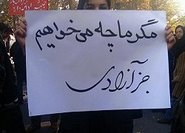


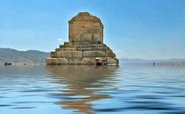


 Tulips in Holland