
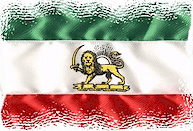


We Want Freedom
We get lies, deceit, & suppression
For nearley 30 years, the Non-Islamic Non Republic of non-Iranian Fascist mullah's have Lied,cheated and suppresed the Iranian people.
Enoough is Enough .
NOW IS THE TIME TO GET RID OF THEM.
IMPERIAL EMBLEM

PERSIA
Iranian Freedom Fighters UNITE
Showing posts with label Democracy. Show all posts
Showing posts with label Democracy. Show all posts
Saturday, July 26, 2008


Saturday, December 22, 2007
H.H. Prince reza Pahlavi in an interview with France International Radio
Newsweek International (Issue 2008)

Since the hostage crisis of 1979, a state of undeclared war
Since the hostage crisis of 1979, a state of undeclared war
between Iran and the United States-begun by the mullahs-has become ever
more bitter and intense. Militant anti Americanism has become the central core of Tehran’s foreign policy, as its rulers have opposed the interests of Washington and its allies everywhere-most notably in the Muslim world.
The result of almost three decades of hostility, exacerbated by Iran’s nuclear ambitions and its agitation in places like Iraq, Lebanon, Palestine and Afghanistan is that conflict in the region seems possible once more.
Should war break out, those likely to suffer most will be the people of Iran,
who have long borne the brunt of their government’s policies, which have isolated, brutalized and impoverished them.
Although the regime boasts of having held numerous elections, not one has been fair or free, with people’s candidates able to avoid endless obstructions. Ahmadinejad’s own election was such a sham that even some of his handpicked opponents, including a former president and a Speaker of Iran’s Parliament, accused him and his supporters of cheating.It is essential, therefore, not to confuse Iran with the clerical dictatorship.
The cult of death and superstition that personifies the Islamic Republic
has not conquered the spirit of our nation, especially its women and youth, who make up some 70 percent of the population.
Having squandered popular support, the regime today faces the most serious international crisis in its history and a number of sharp internal challenges, due primarily to the faltering, corruption-ridden economy. The mullahs’ only hope for survival is to use the nuclear threat to blackmail the outside world into inaction while brutalizing their people at home.
I have repeatedly stated my opposition to military action against Iran.
There is no question that dialogue and diplomacy must be given time to take their course.
But endless, futile negotiations cannot be a solution, either.
The threat posed by those who have blackened the name of Islam and destroyed the prosperity of the Iranian nation can be countered only through what I have referred to as a “third way”: the mobilization and the empowerment of the Iranian people.
While the present crisis has been focused mainly on Iran’s nuclear ambitions, most Iranians hope the standoff will provide them with a chance to challenge and replace the despotic theocracy with a secular democracy.
Until freedom, democracy and human rights are fully respected and adhered to by a responsible government in Tehran that is committed to the welfare of its own people, peace and security in the Middle East and beyond will continue to remain in constant jeopardy.
HH. Prince Reza Pahlavi is an opposition leader and the son or the last Shah of Iran.

دریا کیان پورچهارشنبه 24 خرداد 1385شاهزاده رضا پهلوی هفتۀ پیش در نشستی با گروهی از نمایندگان مجلس رانسه به مشکلات ایران و از جمله مسئله ی هسته ای اشاراتی کرد.
از دیدگاه رضا پهلوی که درایالات متحده درتبعید بسرمی برد، هرگونه چانه زنی با نظام حاکم برایران جز وقت کشی حاصل دیگری نخواهد داشت و تنها راه ممکن همانا، " سرمایه گذاری در دموکراسی در ایران است. کاری که جز با سرنگونی این رژیم امکان پذیرنخواهد بود."رادیو بین المللی فرانسه: چهارشنبۀ گذشته، هفتم ژوئن، به دعوت گروهی از نمایندگان مجلس فرانسه، در نشستی با حدود چهل تن از آنان، مسئلۀ هسته ای ایران را مورد بحث قراردادید. نگرانی عمدۀ آنها دراین زمینه چه بود؟ رضا پهلوی: این تنها موضوع گفتگوی ما نبود، گرچه یکی از نکات مهم مورد بحث بود. در این زمینه من به نمایندگان فرانسوی یادآوری کردم که چرا، بویژه دررابطه با آخرین بستۀ پیشنهادی گروه5+1، حکومت اسلامی در برابر دو گزینۀ بازنده - بازنده قرارگرفته است. از یک سو، با توجه به اتکای این نظام به جناح بنیادگرای خود، هرگونه عقب نشینی به معنای تضعیف و سرانجام شکست آن خواهد بود و، از سوی دیگر، رد بستۀ پیشنهادی نیز، با درنظرگرفتن ضعف اقتصادی کشور، منجر به اعمال تحریم هایی خواهد شد که از تحمل اقتصاد ایران خارج است. در هر دو صورت، نظام با گزینه ای بازنده روبرواست. من همچنین متذکرشدم که رویکرد به نظام فعلی ایران به عنوان دولتی متعارف، کارعبثی است. دراین جا با یک دیکتاتوری کلاسیک روبرو نیستیم، بلکه با استبدادی دینی روبرو هستیم که هدفی جز صادرکردن انقلاب بنیادگرای اسلامی خود به چهارگوشۀ جهان و اسلامی کردن دنیا ندارد. به تعبیرآنها، دنیای کنونی آنتی تز جهان آمالی شان است. هرگونه همزیستی با این نظام توهمی بیش نیست. این نظام تنها در پی بدست آوردن تضمین های امنیتی برای بقای خود نیست. این نظام آمده است تا دیگر نظام ها را از میان بردارد. اساس راهبردی این نظام برهمین بنیان استواراست و تنها مسئله زمان بندی آن است. در این راستا، به هردری می زنند تا به اهداف خود برسند: از بنیادگرایی اسلامی گرفته تا تروریزم و سلاح هسته ای. این آخرین حربه به آنها این امکان را خواهد داد تا در پناه آن تقابل و برخورد با قدرت های بزرگ را، بدون آن که به مرز غیرقابل بازگشت درگیری متعارف بیانجامد، ادامه دهند. ازاین طریق می خواهند، با اتکار به گروه های بنیادگرای کشورهای حوزۀ خلیج فارس، منطقه را در احاطۀ خود درآورده، برشریان حیاتی نفتی اقتصاد جهان سیطره افکنند. این تنها هدف آنها نیست. هدف نهایی، صدور انقلاب شان و برقراری حکومت الهی برزمین استرادیو بین المللی فرانسه: پیشنهاد شما به مخاطبین تان چه بود؟ رضاپهلوی: همان نکته ای را متذکرایشان شدم که تا کنون بارها و بارها گفته ام تنها راهی که به راستی به حل عمده ترین مشکلات جهانی و منطقه ای خواهد انجامید، از بنیادگرایی اسلامی و گسترش تسلیحات تخریب دست جمعی و تروریزم گرفته تا بی ثباتی سیاسی و مناقشۀ بین اسرائیل و فلسطین، از حذف این نظام می گذرد. تنها راهی که پیش پای جهان است، سرمایه گذاری بردموکراسی درایران است. این نظام باید برود. والسلام! این را هم اضافه کنم که تغییر نظام در ایران خواست اکثریت مردم ایران نیزهست. این مردم خواستی جز پیوستن به جلگۀ کشورهای آزاد جهان ندارند. تنها مانع برسرراه شان همین نظام است. پس، به جای وقت کشی و اتلاف نیرو در چانه زنی های بی پایان و بی ثمر با این نظام که نتیجه ای جز تثبیت وضع کنونی نخواهد داشت، باید روی متحدین طبیعی دنیای آزاد در منطقه، یعنی جنبش دموکراتیک مردم ایران، سرمایه گذاری شود تا این نظام از میان برود. با این وجود، یک نکتۀ کلیدی را می بایست همواره به خاطر داشت: آیا ایران زودتر به دمکراسی دست خواهد یافت یا این نظام به نسلیحات هسته ای؟رادیو بین المللی فرانسه: ولی، در شرایط کنونی، جامعۀ جهانی بیشتر به دنبال ادامۀ چانه زنی های دیپلماتیک با این نظام است تا، همانطور که شما گوشزد می کنید، راه یابی برای حذف و از میان بردن آن. آیا فکرنمی کنید گوش شنوایی برای سخنان شما وجود ندارد؟ رضا پهلوی: فکرمی کنم که دنیا درحال دریافتن این موضوع است که دروغ گویی ها و دو دوزه بازی های این نظام ثمره ای جز وقت کشی و خریدن زمان برای آن در پی نداشته است. هسته ای شدن برای جمهوری اسلامی یک امرحیاتی است: این راه تنها طریق بقای این نظام در شکل کنونی اش و صدورانقلاب آن است. این انقلاب در ایران به شکست انجامیده است. تنها راه برای بقای اش سلطه یافتن برسرزمین های جدید است. این نظام به هیچوجه به دنبال همزیستی با دنیا نیست. محرکین اصلی آن را علمداران بنیادگرایی اسلامی تشکیل می دهند. عناصری که دنیای آزاد برایشان دشمن شمارۀ یک محسوب میشود. گول نخوریم و چشمان خود را برابعاد گستردۀ تخریب و ویرانی حاصل از اعمال این جماعت بازکنیم.رادیو بین المللی فرانسه: پرزیدنت بوش متذکرشده است که تمامی گزینه ها برای حل مشکل هسته ای ایران روی میز قراردارند. آیا، به عقیدۀ شما، حملۀ نظامی برعلیه ایران قابل تصوراست؟ رضا پهلوی: همواره گفته ام و باز هم تکرارمی کنم: حملۀ نظامی به ایران نه تنها غیرقابل قبول است که کاری را نیزاز پیش نخواهد برد. برای بوجود آوردن تغییردرایران، چنین سناریویی لازم نیست. کافی ست از مخالفین درون مرز و از نیروهای دموکراتیک برون مرز حمایت لازم به عمل آید تا دست دردست یکدیگر نافرمانی مدنی وسیعی را در سطح ملی سازمان داده، نظام را ساقط کنند. منظورمن دراینجا این نیست که دولت های خارجی نظام کنونی ایران را تغییردهند، خیر! این بخود ما ایرانیان برمیگردد. اکثریت ایرانیان خواستار تغییر این نظام اند و دنیا باید از این خواست مردم ایران پشتیبانی کند. مثالی می زنم: تبعیض نژادی درآفریقای جنوبی زمانی پایان گرفت که نقطۀ پایانی به نظام سیاسی حاکم برآن کشورگذاشته شد. ماندلا و یاران او ساز- و- کارآن نظام را درست ارزیابی کرده بودند و از همین رو از دنیا خواستار اعمال مجازات هایی علیه آن شدند. همان ساز- و- کارها در مورد کمونیزم و فاشیزم نیزکارکرد داشتند. آنچه ما ازدنیا می طلبیم، حمایت جدی جامعۀ بین المللی برای پایان نهادن بربنیادگرایی و شیوع بیمارگونۀ آن است. رادیو بین المللی فرانسه: این روزها از نزدیکی محتمل دولت های ایران و آمریکا صحبت به میان می آید. آیا اعتقادی به این قضیه دارید؟ رضا پهلوی: از همان روزنخست، حکومت ایران برحول یک شعارمحوری می چرخید و آن "مرگ برآمریکا" بود، کشوری که "شیطان بزرگ" خطاب اش می کنند. پرچم آن را لگدمال می کنند و می سوزانند. این تنها تبلیغ سیاسی نیست. اصل اساس اعتقاد آنهاست. آمریکا نماد برجستۀ جهانی است که برعلیه آن اعلام جنگ کرده اند. چگونه انتظاردارید که این نظام با دشمن اصلی خود باب آشتی و همزیستی را بازکند؟ به اعتقاد من، ازمحالات است. رادیو بین المللی فرانسه: به عقیدۀ شما آیا ایران حق دستیابی به فنآوری هسته ای، چه صلح آمیز و چه نظامی، را دارد یا خیر؟ رضا پهلوی: تا آنجا که به فنآوری مربوط می شود، این از بدیهیات است. فراموش نکنید که ایران پیش از انقلاب این حق را داشت و امروز، نظامی که ادعای دفاع از این حق را دارد، همان نظامی است که مقصراصلی درازمیان بردن این حق بوده و هست. پیش از انقلاب، همین کشورهایی که امروز درپی اعمال مجازات هایی برعلیه ایران هستند، یعنی آمریکا، فرانسه و آلمان، با یکدیگردررقابت بودند تا بهترین فنآوری هسته ای را به نازل ترین قیمت در اختیارایران قراردهند. بدون این انقلاب، ایران امروز صاحب حدود سی نیروگاه هسته ای می بود. با این حال، حق فنآوری هسته ای را با حق شلیک هسته ای یکی نگیریم: این نظام برای بقا و به انجام رساندن اهداف خود نیتی جز مسلح شدن به سلاح هسته ای ندارد.رادیو بین المللی فرانسه: بنابراین، شما از کشورهای غربی می خواهید که از اپوزیسیون دموکراتیک ایران پشتیبانی به عمل آورند؟ رضا پهلوی: یک نکته را فراموش نکنیم: دنیای آزاد نه تنها وظیفه دارد از اصول اساسی آزادی و برابری دفاع کند، که موظف است در بسط این اصول اساسی به کشورهایی که از نبود آنها در رنج هستند نیزکوشا باشد. ایرانیان از خود می پرسند که آیا کشورهای غربی این اصول و مزایای آنها را تنها برای خودشان می خواهند یا دیگران، از جمله ما ایرانیان، نیزشایستگی برخورداری از این اصول اساسی را داریم؟ به غربی ها می گویم: اگرتوان و وقت خود را همراه با ما در نبرد برای دموکراسی صرف نکنید، معنایی جزاین نخواهد داشت که در بیانات خود در زمینۀ آزادی و حقوق بشرحسن نیت ندارید. وقتی از جانب دولت های غربی می شنوم که از دوستی با ایران سخن می گویند این انتظار را از آنها دارم که در عمل به حمایت شفاف از ارادۀ مردم ایران برای تحقق دموکراسی در کشورخود همت گمارند. امروزه، حفظ وضع کنونی دلیل اصلی ادامۀ روند اختناق، ضرب و جرح، زندان و شکنجه ای است که هم میهنان من را در زیر ستم نگهداشته است. راه حل دموکراتیک نه تنها برای مردم ایران که برای جهان آزاد نیز مفید واقع خواهد شد.رادیو بین المللی فرانسه: منظورشما از " اپوزیسیون دموکراتیک " چیست و نقش خود شما در این جنبش کدام است؟ رضا پهلوی: هرگروهی که به اصل دفاع از آزادی، دموکراسی و حقوق بشر پای بند است می تواند به آن بپیوندد. هرفردی که پای بندی خود به یک دموکراسی لائیک، متکی بر اعلامیۀ جهانی حقوق بشر، را اعلام می دارد، می تواند به اپوزیسیون دموکراتیک ایران بپیوندد. فکرمی کنم که امروز تمام حرکت ها و خانواده های فکری و سیاسی می توانند دست به دست یکدیگرداده، در راه این هدف مشترک کوشا باشند. در به روی تمامی آنهایی که به این اصول اعتقاد دارند و از قبل به دنبال تحمیل پیش شرطی نیستند و قوانین بازی را قبول کرده و نهایتا حاضر به قبول ارادۀ ملت اند، بازاست.رادیو بین المللی فرانسه: و نقش خود شما؟ رضا پهلوی: نقش من فدراتیو است. نقش من همواره این بوده است تا از جایگاهی ملی و در راه هدف مشترکی که شرح دادم به نزدیکی و همسویی خانواده ها و نیروهای فکری و سیاسی ایران کمک کنم. فکرمی کنم پیش از آنکه ایران به آزادی دست یابد و مردم آن در موقعیتی قرارگیرند که بتوانند حاکمیت خود را اعمال کنند، هیچ موضوع دیگری نباید درالویت قرارداده شود. تنها الویت کنونی ما می بایست آزادسازی میهنمان، نهادینه کردن دموکراسی و جدایی دین از دولت و پایان دادن به نظام دین سالار کنونی باشد. این هدف مشترک ماست و هم- رایی ملی می باید بر مرزبندهای ایدئولوژیک و سیاسی غلبه کند. آنتی تز جمهوری اسلامی دموکراسی و مشارکت تمام نیروهایی است که به اصول و ارزش هایی که به آنها اشاره کردم پای بند هستند. ایمان دارم که این پیام حرف دل اکثریت قاطع ملت ایران است. از طرف دیگر، احساس می کنم که شمارروزافزونی از دولتمردان غربی به عمق مشکل و ریشۀ آن پی برده، درپی بازنگری جدی در رویکرد خود به مسئله و نظام کنونی ایران اند. آنها در پی راه حل مناسبی می گردند. این راه حل، از دیدگاه ما، از گفتگو با اپوزیسیون دموکراتیک ایران می گذرد. دنیا می تواند به دنبال راه حل هایی باشد که از دیدگاه ما غیرقابل قبول خواهند بود، از جمله دخالت نظامی در ایران. چنین گفتگویی به ما این اجازه را خواهد داد که برای آنها مواضع و دیدگاه خود را تشریح کنیم و به صورت مستدل ثابت کنیم که چرا و چگونه یک جایگزین واقعی در سطحی گسترده و با ابعادی عینی درحال شکل گیری است. این جایگزین شامل مخالفین درون مرز و اپوزیسیون دموکراتیک برون مرز می شود و در پی آن است تا حرکت هایی عینی و کارآمد در راه برقراری دموکراسی در ایران ترتیب دهد. از این طریق خواهد بود که ما دوستان ایران را شناسایی خواهیم کرد

برگردان فارسی مقالۀ منتشره در نيوزويک بين المللی به نگارش شاهزاده رضا پهلوی:
اززمان گروگان گيری سال ١٩٧٩ ، اوضاع ميان ايران و آمريکا در يک حالت جنگاعلام نشده ای قرار دارد که با تحريکات ملايان آغاز گرديده و با مرور زمان رو به علنا نقش غيرقابل « آمريکا ستيزی » وخامت فزاينده ای نهاده است. از آن زمان تا کنون انکاری را بعنوان اساس و پايۀ اصلی سياست خارجی جمهوری اسلامی ايفا نموده و مذهبيون حاکم بر ايران همواره سياست مقابله با منافع آمريکا و متحدانش را در سراسر جهان و بويژه در خاورميانه و جهان اسلام دنبال نموده اند. امروز، نتايج حاصله از تقريبا سه دهه، تبليغات ماجراجويانه و وحشت آفرين، بدليل نگرانی جدی دربارۀ اهداف اتمی ايران، همراه با ايجاد تشنج در مناطقی بمانند عراق، لبنان، فلسطين و افغانستان، به نحوی تشديد يافته که شايعۀ خطرناک يک درگيری مهيب را در منطقه رواج داده است. در طی ساليان متمادی، مردم ايران، هزينه پرداز سياست های خصمانه و ناخوشايند رژيم بوده اند که موجب انزوای کشور در جهان، و سرکوب و فقر ايرانيان در داخل شده است. عليرغم آن که حکومت اسلامی همواره به انجام انتخابات متعددی که برگزار نموده است، مباهات می کند، حقيقت اين است که هيچ يک از اين به اصطلاح انتخابات نه آزاد بوده اند و نه بی طرفانه و يا براساس ضوابطی که مانع از شرکت کانديداهای حقيقی مردم در پروسه انتخابات نگردد. انتخاب شخص احمدی نژاد چنان شرم آور بود که حتی بعضی از رقبای دست چين شدۀ او مانند، رئيس جمهور سابق و رئيس پيشين مجلس، او و در صندوق های رای متهم کردند. « تقلب و دست کاری » طرفدارانش را علنا به بنابراين، حقيقت توام با واقعيت آنست که ايران را نبايد هرگز با ديکتاتوری مذهبی حاکم برکشور اشتباه گرفت و حسابشان را از هم جدا ننمود. حقيقت ديگری که بايد به آن توجه آنچنان که در جمهوری « شهادت طلبی، مرگ و خرافات » نمود آن است که روحيۀ اسلامی نهادينه شده است، از ابتدا در غلبه بر روح ملت ما، شکست خورده است که بهترين شاهد آن دفاع شجاعانۀ بانوان و جوانان است که حدود هفتاد درصد از جمعيت کشور ما را تشکيل ميدهند. جمهوری اسلامی در ضمن از دست دادن پشتيبانی ملت ايران، اينک علاوه بر روبرو بودن با جدی ترين بحران بين المللی در طول حيات خود، هم زمان و همچنان درگير چندين مسئلۀ بحرانی داخلی نيز می باشد که در اصل حاصل، اقتصاد بيمار و متزلزل متاثر از فساد و رشوه خواری است. در اين شرايط تنها اميد رژيم برای باقی ماندن در مسند قدرت، تهديد دنيای خارج به منظور جلوگيری از هر عکس العمل جدی و يا هرگونه مداخله درجهت کمک رسانی به مردم ايران، هم زمان با پرداختن و تشديد سياست سرکوب و ارعاب مردم در درون کشور، می باشد. من به دفعات مخالفت خود را با حملۀ نظامی به ميهنم ابراز کرده ام. ضمنا ترديدی نيست که بايد فرصت داد تا مذاکره و ديپلماسی نيز زمان لازمۀ خود را طی کند. ولی آنان که "روش" را با "هدف" اشتباه می گيرند و می انديشند که می شود از طريق مذاکره با جمهوری اسلامی به راه حل نهايی رسيد، موجب تاسف هستند. در تحليل نهايی، راه مقابله با تهديد ناشی از کسانی که نام اسلام را به بهای نابود کردن راه » آرامش و رفاه ملت ايران سياه کرده اند، تنها می تواند با آنچه که من آن را بعنوان تجهيز و پشتگرمی » : نام می برم، به مبارزه و رويارويی خوانده شوند. يعنی « سوم .« دادن به ملت ايران، بجای جنگ و يا مذاکرات بيهوده و بی انتها درحالی که درگيری کنونی کلا بر روی اهداف اتمی ايران تمرکز دارد، اغلب ايرانيان اميدوارهستند که اين مقابل فرصتی را فراهم کند، تا با پشتيبانی معنوی جهانی، آنان بتوانند با موفقيت، حاکميت مستبد و مذهبی را با يک حکومت دموکرات سکولار جايگزين نمايند. تا آن زمان که آزادی، دموکراسی و حقوق بشر، مورد اجرا و احترام کامل يک حکومت مسئول در تهران که به رفاه ملتش متعهد باشد، قرارگيرد، صلح و امنيت در خاورميانه و ديگر نقاط جهان همواره در خطردائمی خواهد بود.
Thursday, October 18, 2007
Prince Reza pahlavi's role in Iran's future and his support for Democracy in Iran- 071014-10-2007 - TishkTV
Watch these videos : They are important.
Interview with Ms. Boghraat
Today, George Bush invoked the idea of World War III in connection with Iran...after the Russian leader Vladimir Putin declared Iran has no nuclear weapons program.Three Videos: http://www.brasschecktv.com/page/171.html
1st - 4 Minutes and 10 Seconds
2nd - 8 Minutes and 22 Seconds
3rd - 4 Minutes and 59 Seconds
Bush: Threat of World War III if Iran Goes Nuclear : October 17, 2007 : Reuters : Matt Spetalnick
WASHINGTON -- U.S. President George W. Bush warned on Wednesday a nuclear-armed Iran could lead to World War III as he tried to shore up international opposition to Tehran amid Russian skepticism over its nuclear ambitions. Bush was speaking a day after Russian President Vladimir Putin, who has resisted Western pressure to toughen his stance over Iran's nuclear program, made clear on a visit to Tehran that Russia would not accept any military action against Iran. At a White House news conference, Bush expressed hope Putin would brief him on his talks in Tehran and said he would ask him to clarify recent remarks on Iran's nuclear activities. Putin said last week that Russia, which is building Iran's first atomic power plant, would "proceed from the position" that Tehran had no plans to develop nuclear weapons but he shared international concerns that its nuclear programs "should be as transparent as possible." "The thing I'm interested in is whether or not he continues to harbor the same concerns that I do," Bush said. "When we were in Australia (in September), he reconfirmed to me that he recognizes it's not in the world's interest for Iran to have the capacity to make a nuclear weapon." Bush, who has insisted he wants a diplomatic solution to the Iranian issue, is pushing for a third round of U.N. sanctions against Iran.Russia, a veto-holding member of the Security Council, backed two sets of limited U.N. sanctions against Iran but has resisted any tough new measures. Stepping up his rhetoric, Bush said a nuclear-armed Iran would pose a "dangerous threat to world peace." "We've got a leader in Iran who has announced that he wants to destroy Israel," he said. "So I've told people that, if you're interested in avoiding World War III, it seems like you ought to be interested in preventing them from having the knowledge necessary to make a nuclear weapon."
Wednesday, April 04, 2007
Prince Reza Pahlavi's Speech at the Hudson Institute
Hudson Institute Briefing Series
Iran, Regime Change or Behavior Change: A false choice
Ladies and gentlemen, distinguished guests good afternoon.
Allow me to express my gratitude for the invitation to be with you today.

To many of you whom I know personally, I extend my admiration and respect for the great work you have done over the years. To those I meet for the first time, thank you for letting me have the privilege of getting to know you.The Hudson Institute’s proud tradition of service to world peace includes the great work of those, like Herman Kahn, who dared to “think the unthinkable.” You can imagine the depth of my sorrow that today, the “unthinkable” concerns my homeland.The latest Presidential National Security Directive names the Islamic Republic of Iran as the greatest threat to international peace, security and stability. That is principally because permitting the foremost state-sponsor of terrorism to acquire nuclear weapons is unthinkable. What has changed from Herman Kahn’s era is that mutual assured destruction (MAD) worked against a rival that defined its interests in this material world. Messrs. Khamenei, Ahmadinejad and many of their cohorts do not. How can assured destruction deter those who glorify self-destruction and call it martyrdom? Just as suicide bombing has changed domestic security policies, dealing with the nuclearization of this new kind of “other-worldly” state requires a different approach in international relations. Far from acting to avoid assured destruction, they invite it with tireless exaltation of martyrdom! Which brings us to the question, what could be done?The current debate on Iran seems to have reduced the question to a choice between regime change and behavior change. That is a false choice. It is also a formulation preferred by those who do not mind loading the dice in favor of longer life for Iran’s clerical regime.

This is because short memories equate regime change with the use of force in Iraq. The unique mistakes in Iraq, however, should not sully regime change, which wasn’t such a bad phrase during the Cold War era, just two decades ago: President Reagan knew that he would not get behavior change from the Soviet regime unless he seemed serious about changing it. The actual change was a happy byproduct, which spelled the end of the Marxist mystique. East-European youth backpacked their way to the West to tell fellow students about the wide chasm between the deceptive promise of Marxism and its wretched reality. Long lines to take Marxist courses disappeared in Universities, from Buenos Aires to Paris. Similarly, I am convinced once the people bring down the clerical regime, with Iranian journalists, intellectuals and students free to travel, they will have the same shattering impact on the appeal of Islamist theocracy throughout the Moslem world.Ah, but Russia was more modern than the Middle East, riper for democracy – some say. They are perhaps unaware that Iran had a democratic “Constitutional Revolution,” fully 100 years ago, when Russia was still Czarist. They would be much surprised to learn that, in 1914, the Times of London wrote that British Parliamentarians would be well served to emulate democratic practices from their counterparts, in Iran’s Majles (parliament)! They know even less about the differences between Iran, which was never colonized, and Iraq, whose constituent parts were governed separately under Ottoman rule, which decapitated its independent political institutions and postponed our Iraqi brethren’s opportunity to develop a sense of nationhood.Still, it was easier to talk favorably about regime change in 2004 or 2005, when Iraqis were celebrating free elections and the Cedar Revolution was gaining steam in Lebanon. That is when Tehran’s theocrats and Syria’s Assad sensed the danger and set out to kill the hope for democracy in the region. They exploited religious and ethnic divisions to create a quagmire as a no-trespass sign to the rest of the world: Shelve any plans for democracy in the region, from the subcontinent to the Mediterranean, and from the Caspian to the Persian Gulf – read the sign. The Baker-Hamilton Report is a tacit acceptance of that no-trespass sign.

Unfortunately, the report does not indicate how one can reach an agreement with the Islamic Republic, whose primary purpose is to humiliate the US in the theater of the Moslem world. There is method to their madness: The theocracy’s anachronistic life is mortgaged on proving to regional governments, and non-governmental forces, that those who oppose America will defeat those who cooperate with her.The State Department’s policy on Iran relies on diplomatic isolation and economic pressure. It is more hard-nosed than Baker-Hamilton, but it still suffers from the flaws of realpolitik when facing an irrational actor. Isolation? What isolation, demands President Ahmadinejad! The day he was squaring off against President Bush at the UN General Assembly, last fall, 118 out of the 192 nations present, more than 60%, were with him. He had just come from Cuba, where he had secured the support of the non-aligned movement. He had been received like a rock star by radical students in Indonesia, applauded by Castro in Cuba, and bear-hugged by Chavez in Venezuela. Those in Foggy Bottom who think they can make Ahmadinejad feel isolated simply cannot see the world through his eyes. Even if he felt isolated, it is doubtful he would change his behavior. Even the threat of force is not enough to sway someone whose deepest beliefs welcome Armageddon – to expedite the return of the twelfth Imam, his messiah!As for economic pressures, recent history should have convinced us that they are not enough to change the behavior of a regime that does not care about the welfare of its people. In more than two years of negotiations, Iran’s major European trade partners, Germany, France and Britain played with numerous combinations of economic threats and incentives, before they threw in the towel. The International Atomic Energy Agency reported Iran to the UN Security Council shortly thereafter. Backed by the Russians and the Chinese, last June the US joined the Europeans to offer a very generous incentive package, should the regime suspend enrichment of uranium. Two deadlines came and passed, with the Islamic Republic dancing around the proposal, but not addressing its substance. Just as Presidents Bush, Putin and Chirac, Prime Minister Blair, and Chancellor Merkel were about to discuss what to do, Hizbullah crossed the Israeli border and took two hostages. Thus, the war precipitated by the Islamic Republic’s client washed discussions of pressuring Iran off the agenda at the St. Petersburg G8 Summit, late July of last year.It should not come as a surprise any longer that, three more deadlines and three UN Security Council resolutions later, we are back at the same old dance; except it has become more deadly, considering the regime’s plan for three thousand centrifuges and new restrictions placed on international inspections of Iran’s nuclear facilities; begging the question: To what level could unilateral US sanctions be expanded to, or what other UN sanctions could be acceptable to Russia and China? In short, US foreign policy and international pressure are reaching their limit, while the government whose head denies the Holocaust and wants an entire nation wiped off the map, is inching ever closer to the bomb!Having removed the Taliban and Saddam - two walls of Iran’s containment - having approached the limits of diplomatic and economic pressures, many discussions of US options now teeter between war and surrender. Surrender, by the way, has a fascinating new name: Engage and Deter! We engaged China to get out of Vietnam, why can’t we do the same with Iran to exit Iraq? That was the question put to the Senate Foreign Relations Committee by a Council of Foreign Relations fellow, who seemed to put some Senators in deep thought. We deterred the Soviet Union, why can’t we deter Iran, is more music to the ears of the Islamic Republic, playing in Washington these days. Perhaps, it is the current mood of desperation on Iraq, but few policymakers seem to peel these thin disguises of surrender and see through the false parallels and specious arguments:A cursory review of history will demonstrate that Henry Kissinger’s deal with China was possible because the latter saw the Soviets as the principal threat to her security. He knew how real that threat was when Leonid Brezhnev asked President Nixon to give him a free hand with China and stay out of a potential Sino-Soviet nuclear conflict.

There is today, no such parallel with the Islamic Republic, which does not see a third party as the principal threat, let alone seeing the US as a possible savior!In this new disguise for surrender, mention of deterrence is even less valid, but requires more insight to expose. During the cold war, nuclear deterrence gave the West an advantage: the Warsaw Pact’s conventional forces were quantitatively superior and nuclear arms acted as an equalizer in the European theater. In the Persian Gulf today, it is the US that has overwhelming conventional superiority. Should the Islamic Republic get the bomb, it will equalize that superiority and deter a high-intensity conventional attack. The nuclear shield will, thus, open the hands of the Islamic Republic to expand low intensity violence -- a.k.a. terrorism -- in furtherance of its constitutional mission of exporting Islamic Revolution. Hamas, Hizbullah, the Mahdi Army, the Badr Brigade and the like will then look ten feet taller than their intimidated moderate rivals.As one witness after another comforts Congressional leaders that the Islamic Republic can be deterred, I do not hear the riposte that even their best scenario means unshackling terrorism, let alone their worst! Nor does the administration seem to be able to lead Congress away from such harmful and deceptive advice, because it is ill-equipped to deal with unconventional states. Washington’s foreign policy is shaped by the State Department that understands diplomacy and the Defense Department that understands war. Both institutions are legacies of the state-centric view of the world which was consistent with the reality of international politics right after World War II – but not today, not after the Cold War. The Departments of State and Defense were not structured to help “velvet” revolutions, which have been the most significant patterns of positive change in the world since the Cold War. The problem is that the US does not have a third foreign policy department; one that understands, and can deal, with the peoples of the transitional world, not just their failed states.Is it all lost then? Are we back to war or surrender? Far from it! We haven’t focused on the greatest ally of the Free World in the Moslem World: the people of Iran. Three Iranian social groups, the women, youth and ethnic groups, as well as four professional and working groups, educators, lawyers, journalists and industrial labor, have been at the forefront of protests against and defiance of the Islamic Republic. Two of the top three Iranian cities, Tabriz and Mashhad, as well as other major cities, such as Sanandaj, have been out of government control, for days at a time. The principal reason why the vast majority of Iranians who want to reclaim peace and prosperity have not succeeded against the Islamic Republic is because they are prevented from communicating – with each other, and with the free world.Inside Iran, the government controls mass media with an iron fist. Even “Bloggers” with a limited audience are arrested, let alone published journalists – and there are more of them in jail than anywhere in the world. A must have for Iran’s pro-democracy movement is media that can connect Iranian activists inside Iran with each other. As I have mentioned before, there are a thousand circles of protest in Iran, but no nationwide medium to connect them. Since the government will not tolerate such a medium inside Iran, it has to be done from outside.As some of you may know, there are a few under-funded amateur-video type satellite television stations, beaming into Iran from the West. But they cannot even afford decent old movies, let alone produce meaningful programming. Then there is the Voice of America Radio and Television, and a forthcoming TV channel by the BBC. Although much improved, their governmental mission statements and cautious bureaucracies have not, and are not likely to, make a serious impact in Iran.What is needed is engaging programming that builds audience share by truly reflecting the needs, grievances and resistance of Iranian women, youth, ethnic groups and the professional groups. Given needed resources, modern technology makes it quite possible to have two-way communication between the politically active audience inside Iran and a medium outside which can connect them to each other. That is what it takes to mobilize the Iranian people – without whom, we are back to war or surrender. I never miss a chance to reject military action against my homeland. I am against war. I hope you are too, and I can not believe that you would be for surrender. Thus, we are left with regime change vs. behavior change. And as indicated earlier, that is a false choice. So what is the right choice?Like most totalitarian leaders, Iran’s Supreme Islamist leader wakes up every morning wondering if the morale and ideological glue of his security forces will hold. To strengthen their spine, he feels he has to take tough, uncompromising stands against his ideological adversaries – liberal democracies in general, and the United States and Israel in particular.The reckless self-righteousness of his “other-worldly” ideology will continue this course, until a final collision. This behavior will not change unless he wakes up one morning with an even greater fear: seeing the Iranian people joining hands and rising up against his theocratic tyranny. Unlike forgetful analysts in the West, he knows the Iranian people have changed their regimes many times before, when they had far less reasons to do so. He watches carefully for the signs of history repeating itself. Once he sees those signs, and only then, will he change his behavior. That is why idealism and realism, behavior change and regime change do not require different policies but the same: empowering the Iranian people. This is my political mission in life. I ask for your support, and thank you sincerely for sharing some of your valuable time with me.
Iran, Regime Change or Behavior Change: A false choice
Ladies and gentlemen, distinguished guests good afternoon.
Allow me to express my gratitude for the invitation to be with you today.
To many of you whom I know personally, I extend my admiration and respect for the great work you have done over the years. To those I meet for the first time, thank you for letting me have the privilege of getting to know you.The Hudson Institute’s proud tradition of service to world peace includes the great work of those, like Herman Kahn, who dared to “think the unthinkable.” You can imagine the depth of my sorrow that today, the “unthinkable” concerns my homeland.The latest Presidential National Security Directive names the Islamic Republic of Iran as the greatest threat to international peace, security and stability. That is principally because permitting the foremost state-sponsor of terrorism to acquire nuclear weapons is unthinkable. What has changed from Herman Kahn’s era is that mutual assured destruction (MAD) worked against a rival that defined its interests in this material world. Messrs. Khamenei, Ahmadinejad and many of their cohorts do not. How can assured destruction deter those who glorify self-destruction and call it martyrdom? Just as suicide bombing has changed domestic security policies, dealing with the nuclearization of this new kind of “other-worldly” state requires a different approach in international relations. Far from acting to avoid assured destruction, they invite it with tireless exaltation of martyrdom! Which brings us to the question, what could be done?The current debate on Iran seems to have reduced the question to a choice between regime change and behavior change. That is a false choice. It is also a formulation preferred by those who do not mind loading the dice in favor of longer life for Iran’s clerical regime.
This is because short memories equate regime change with the use of force in Iraq. The unique mistakes in Iraq, however, should not sully regime change, which wasn’t such a bad phrase during the Cold War era, just two decades ago: President Reagan knew that he would not get behavior change from the Soviet regime unless he seemed serious about changing it. The actual change was a happy byproduct, which spelled the end of the Marxist mystique. East-European youth backpacked their way to the West to tell fellow students about the wide chasm between the deceptive promise of Marxism and its wretched reality. Long lines to take Marxist courses disappeared in Universities, from Buenos Aires to Paris. Similarly, I am convinced once the people bring down the clerical regime, with Iranian journalists, intellectuals and students free to travel, they will have the same shattering impact on the appeal of Islamist theocracy throughout the Moslem world.Ah, but Russia was more modern than the Middle East, riper for democracy – some say. They are perhaps unaware that Iran had a democratic “Constitutional Revolution,” fully 100 years ago, when Russia was still Czarist. They would be much surprised to learn that, in 1914, the Times of London wrote that British Parliamentarians would be well served to emulate democratic practices from their counterparts, in Iran’s Majles (parliament)! They know even less about the differences between Iran, which was never colonized, and Iraq, whose constituent parts were governed separately under Ottoman rule, which decapitated its independent political institutions and postponed our Iraqi brethren’s opportunity to develop a sense of nationhood.Still, it was easier to talk favorably about regime change in 2004 or 2005, when Iraqis were celebrating free elections and the Cedar Revolution was gaining steam in Lebanon. That is when Tehran’s theocrats and Syria’s Assad sensed the danger and set out to kill the hope for democracy in the region. They exploited religious and ethnic divisions to create a quagmire as a no-trespass sign to the rest of the world: Shelve any plans for democracy in the region, from the subcontinent to the Mediterranean, and from the Caspian to the Persian Gulf – read the sign. The Baker-Hamilton Report is a tacit acceptance of that no-trespass sign.
Unfortunately, the report does not indicate how one can reach an agreement with the Islamic Republic, whose primary purpose is to humiliate the US in the theater of the Moslem world. There is method to their madness: The theocracy’s anachronistic life is mortgaged on proving to regional governments, and non-governmental forces, that those who oppose America will defeat those who cooperate with her.The State Department’s policy on Iran relies on diplomatic isolation and economic pressure. It is more hard-nosed than Baker-Hamilton, but it still suffers from the flaws of realpolitik when facing an irrational actor. Isolation? What isolation, demands President Ahmadinejad! The day he was squaring off against President Bush at the UN General Assembly, last fall, 118 out of the 192 nations present, more than 60%, were with him. He had just come from Cuba, where he had secured the support of the non-aligned movement. He had been received like a rock star by radical students in Indonesia, applauded by Castro in Cuba, and bear-hugged by Chavez in Venezuela. Those in Foggy Bottom who think they can make Ahmadinejad feel isolated simply cannot see the world through his eyes. Even if he felt isolated, it is doubtful he would change his behavior. Even the threat of force is not enough to sway someone whose deepest beliefs welcome Armageddon – to expedite the return of the twelfth Imam, his messiah!As for economic pressures, recent history should have convinced us that they are not enough to change the behavior of a regime that does not care about the welfare of its people. In more than two years of negotiations, Iran’s major European trade partners, Germany, France and Britain played with numerous combinations of economic threats and incentives, before they threw in the towel. The International Atomic Energy Agency reported Iran to the UN Security Council shortly thereafter. Backed by the Russians and the Chinese, last June the US joined the Europeans to offer a very generous incentive package, should the regime suspend enrichment of uranium. Two deadlines came and passed, with the Islamic Republic dancing around the proposal, but not addressing its substance. Just as Presidents Bush, Putin and Chirac, Prime Minister Blair, and Chancellor Merkel were about to discuss what to do, Hizbullah crossed the Israeli border and took two hostages. Thus, the war precipitated by the Islamic Republic’s client washed discussions of pressuring Iran off the agenda at the St. Petersburg G8 Summit, late July of last year.It should not come as a surprise any longer that, three more deadlines and three UN Security Council resolutions later, we are back at the same old dance; except it has become more deadly, considering the regime’s plan for three thousand centrifuges and new restrictions placed on international inspections of Iran’s nuclear facilities; begging the question: To what level could unilateral US sanctions be expanded to, or what other UN sanctions could be acceptable to Russia and China? In short, US foreign policy and international pressure are reaching their limit, while the government whose head denies the Holocaust and wants an entire nation wiped off the map, is inching ever closer to the bomb!Having removed the Taliban and Saddam - two walls of Iran’s containment - having approached the limits of diplomatic and economic pressures, many discussions of US options now teeter between war and surrender. Surrender, by the way, has a fascinating new name: Engage and Deter! We engaged China to get out of Vietnam, why can’t we do the same with Iran to exit Iraq? That was the question put to the Senate Foreign Relations Committee by a Council of Foreign Relations fellow, who seemed to put some Senators in deep thought. We deterred the Soviet Union, why can’t we deter Iran, is more music to the ears of the Islamic Republic, playing in Washington these days. Perhaps, it is the current mood of desperation on Iraq, but few policymakers seem to peel these thin disguises of surrender and see through the false parallels and specious arguments:A cursory review of history will demonstrate that Henry Kissinger’s deal with China was possible because the latter saw the Soviets as the principal threat to her security. He knew how real that threat was when Leonid Brezhnev asked President Nixon to give him a free hand with China and stay out of a potential Sino-Soviet nuclear conflict.
There is today, no such parallel with the Islamic Republic, which does not see a third party as the principal threat, let alone seeing the US as a possible savior!In this new disguise for surrender, mention of deterrence is even less valid, but requires more insight to expose. During the cold war, nuclear deterrence gave the West an advantage: the Warsaw Pact’s conventional forces were quantitatively superior and nuclear arms acted as an equalizer in the European theater. In the Persian Gulf today, it is the US that has overwhelming conventional superiority. Should the Islamic Republic get the bomb, it will equalize that superiority and deter a high-intensity conventional attack. The nuclear shield will, thus, open the hands of the Islamic Republic to expand low intensity violence -- a.k.a. terrorism -- in furtherance of its constitutional mission of exporting Islamic Revolution. Hamas, Hizbullah, the Mahdi Army, the Badr Brigade and the like will then look ten feet taller than their intimidated moderate rivals.As one witness after another comforts Congressional leaders that the Islamic Republic can be deterred, I do not hear the riposte that even their best scenario means unshackling terrorism, let alone their worst! Nor does the administration seem to be able to lead Congress away from such harmful and deceptive advice, because it is ill-equipped to deal with unconventional states. Washington’s foreign policy is shaped by the State Department that understands diplomacy and the Defense Department that understands war. Both institutions are legacies of the state-centric view of the world which was consistent with the reality of international politics right after World War II – but not today, not after the Cold War. The Departments of State and Defense were not structured to help “velvet” revolutions, which have been the most significant patterns of positive change in the world since the Cold War. The problem is that the US does not have a third foreign policy department; one that understands, and can deal, with the peoples of the transitional world, not just their failed states.Is it all lost then? Are we back to war or surrender? Far from it! We haven’t focused on the greatest ally of the Free World in the Moslem World: the people of Iran. Three Iranian social groups, the women, youth and ethnic groups, as well as four professional and working groups, educators, lawyers, journalists and industrial labor, have been at the forefront of protests against and defiance of the Islamic Republic. Two of the top three Iranian cities, Tabriz and Mashhad, as well as other major cities, such as Sanandaj, have been out of government control, for days at a time. The principal reason why the vast majority of Iranians who want to reclaim peace and prosperity have not succeeded against the Islamic Republic is because they are prevented from communicating – with each other, and with the free world.Inside Iran, the government controls mass media with an iron fist. Even “Bloggers” with a limited audience are arrested, let alone published journalists – and there are more of them in jail than anywhere in the world. A must have for Iran’s pro-democracy movement is media that can connect Iranian activists inside Iran with each other. As I have mentioned before, there are a thousand circles of protest in Iran, but no nationwide medium to connect them. Since the government will not tolerate such a medium inside Iran, it has to be done from outside.As some of you may know, there are a few under-funded amateur-video type satellite television stations, beaming into Iran from the West. But they cannot even afford decent old movies, let alone produce meaningful programming. Then there is the Voice of America Radio and Television, and a forthcoming TV channel by the BBC. Although much improved, their governmental mission statements and cautious bureaucracies have not, and are not likely to, make a serious impact in Iran.What is needed is engaging programming that builds audience share by truly reflecting the needs, grievances and resistance of Iranian women, youth, ethnic groups and the professional groups. Given needed resources, modern technology makes it quite possible to have two-way communication between the politically active audience inside Iran and a medium outside which can connect them to each other. That is what it takes to mobilize the Iranian people – without whom, we are back to war or surrender. I never miss a chance to reject military action against my homeland. I am against war. I hope you are too, and I can not believe that you would be for surrender. Thus, we are left with regime change vs. behavior change. And as indicated earlier, that is a false choice. So what is the right choice?Like most totalitarian leaders, Iran’s Supreme Islamist leader wakes up every morning wondering if the morale and ideological glue of his security forces will hold. To strengthen their spine, he feels he has to take tough, uncompromising stands against his ideological adversaries – liberal democracies in general, and the United States and Israel in particular.The reckless self-righteousness of his “other-worldly” ideology will continue this course, until a final collision. This behavior will not change unless he wakes up one morning with an even greater fear: seeing the Iranian people joining hands and rising up against his theocratic tyranny. Unlike forgetful analysts in the West, he knows the Iranian people have changed their regimes many times before, when they had far less reasons to do so. He watches carefully for the signs of history repeating itself. Once he sees those signs, and only then, will he change his behavior. That is why idealism and realism, behavior change and regime change do not require different policies but the same: empowering the Iranian people. This is my political mission in life. I ask for your support, and thank you sincerely for sharing some of your valuable time with me.
Thursday, March 15, 2007
مبارزات معلمان ایران برای احقاق حق است/حزب دموکرات ایران
پنجشنبه 24 اسفند 1385 برابر با 15 مارس 2007
در پی حضور معلمان زحمتکش کشور در مقابل مجلس انتصابی که تنها مطالبات اقتصادی خود را عنوان کرده بودند شاهد برخوردی ضد انسانی از طرف نیروهای امنیتی با معلمین هستیم. این برخورد خشونت بار در حالی صورت میگیرد که وزیر آموزش و پرورش به شکل طنز آمیزی خود را بهترین وزیر این وزارتخانه تا کنون میداند. جمهوری اسلامی در کلیت خود هیچگاه و در هیچ شرایطی پاسخی به خواست مردم ایران نداده است .حزب دموکرات ایران ضمن محکوم کردن تهاجم ماموران جمهوری اسلامی و دستگیری تعداد زیادی از نماینگان این قشر زحمتکش حمایت خود را از این مبارزات اعلام داشته و خواستار آزادی فوری آنها است.حزب دموکرات ایران
Wednesday, March 14, 2007
Thousands of teachers protest outside the Iranian Parliament
March 7, 2007- For the second time in one week, thousands of teachers protested outside the Iranian Parliament (Majlis) in Tehran on Tuesday, March 6, 2007. This protest was a follow up to their earlier mass rally on Saturday, March 3, 2007. There were also similar protests, in smaller scopes, in other provinces across the country. Teachers, who are very angry with the Minister of Education, were carrying red cards with them demanding the resignation of Minister Farshidi. Teachers are also upset because many of their existing issues and demands date back to several years ago, being totally disregarded by the Ministry of Education. For instance, according to interviews conducted by the official Iranian Labour News Agency (ILNA) about 98 percent of retired teachers live below poverty line. Most teachers have second or third jobs because they cannot afford the cost of living with their current salaries. Many teachers are paid hourly and are on contracts. One main demand of teachers is the coordination and harmonization of salaries.
Teachers Outside Parliament
After teachers staged a huge demonstration outside the Majlis last Saturday (between 10 to 15 thousands participated in the rally), there were some gestures by a few Members of Parliament as well as government representatives from the Ministry of Education to meet and negotiate with teachers. However, there have been serious disagreements on the main issues, including the actual rate of salaries currently paid to teachers as the Ministry claims a much higher amount is being paid despite the evidence to the contrary. Moreover, teachers had given the government the names of 10 representatives to negotiate on their behalf but the authorities only accepted 5 delegates thus the last meeting which was scheduled for Monday, March 5th did not take place as the result of the dispute over the Ministry's refusal to meet with elected representatives of teachers. Teachers vow that if their demands are not addressed they will shut down schools as of next Saturday. Demonstrators used numerous slogans, including: "schools will be shut own as of tomorrow", "incompetent Minister, resign, resign".
Saturday, March 10, 2007
Iran's Dissenters , The regime marks International Women's Day by cracking heads.
HERE'S HOW International Women's Day was celebrated Thursday in Tehran: Riot police swarmed over a few dozen women who bravely gathered near the parliament in an attempt to hold a peaceful demonstration. Some were beaten; some were arrested and taken away in vans. All mention of the demonstration was purged from state-controlled media, and independent papers and blogs were warned not to cover it, according to the Los Angeles Times. Repression of women is an everyday reality in Iran, but this week stood out. In addition to Thursday's crackdown, more than 30 women were arrested in a protest last Sunday. The group, which included almost all of Iran's leading female human rights activists, had gathered outside a courthouse in solidarity with five women who are on trial for organizing a protest in June. Three of those arrested were still being held on Friday, including Jila Baniyaghoob, a journalist, and Shadi Sadr, a lawyer. The women had been taken to Tehran's notorious Evin prison, where legions of political prisoners have been held and many tortured. Government propaganda portrays these activists as tools of Western powers who want to overthrow the government. Actually, the movement has far more modest and specific goals. It is seeking equal rights for women in Iran's penal and family codes, under which girls as young as 9 can be stoned to death on charges of adultery and a woman's life is valued at only half that of a man's. The activists are trying to collect a million signatures on a petition to parliament to end such discrimination.
Their courageous struggle and the regime's violent reaction to it are worth remembering at a time when the United States is edging toward opening a dialogue with the Iranian government. Today U.S. and Iranian officials will attend a regional conference in Baghdad. The implicit promise of such contacts, which we have supported, is a U.S.-Iranian rapprochement in which Tehran gives up its nuclear program and stops its support for militants in Iraq and around the Middle East in exchange for improved political and economic relations with the United States.
Such an accord would be in the U.S. interest. But another vital interest must be continued support for those people and movements in Iran that fight for human rights and democracy. Unless they survive and grow stronger, U.S.-Iranian relations aren't likely to progress very far.
Tuesday, March 06, 2007
Winds Of Change
خبر اختصاصی وبلاگ جنبش زن :
امروز سه شنبه ۱۵ اسفند ساعت ۱۲ به مناسبت ۸ مارس روز جهانی زن دانشجویان دانشگاه تهران دست به تجمع در صحن دانشکده حقوق و علوم سیاسی خواهند زد.
بنا به بیانیه ای که توسط جمعی از دانشجویان آزادی خواه و برابری طلب منتشر شده است دانشجویان ضمن بزرگ داشت روز جهانی زن خواستار :
۱- برابري کامل زنان و مردان در تمامي عرصه هاي اجتماعي ، اقتصادي ، سياسي و حقوقي جامعه2- لغو مجازات سنگسار3- لغو پوشش اجباري زنان4- حمايت اکيد دولت از زنان و دختراني که به سبب شرايط نا مناسب زندگي ، به ورطه هاي تاريکي از قبيل تن فروشي سقوط ميکنند .5- لغو تبعيض جنسيتي در عرصه کار و دستمزد برابر با مردان به ازاي کار برابر6- لغو طرح سهميه بندي جنسيتي دانشگاه ها7- حذف تفکيک جنسيتي در سرويسهاي حمل و نقل ، اماکن عمومي و دانشگاهها8- حذف نظارت پليسي دانشگاه بر پوشش دختران دانشجو
همچنین تراکت هایی به همین منظور در سطح دانشگاه تهران امروز پخش شده است با مضمون زیر:
آزادی برابری
به مناسبت ۸مارس روز جهانی زن
ودر اعتراض به تمامی نمود های تبعیض جنسیتی در جامعه
تجمع
در برابر دانشکده حقوق و علوم سیاسی پردیس دانشگاه تهران
زمان:سه شنبه ۱۵ اسفند ساعت ۱۲ ظهر
Tuesday, February 20, 2007
Some propaganda Gospel according to BBC4 and Rageh Omaar
Find out what you're not supposed to know... while you still can...
Follow this link : http://www.informationliberation.com/?id=20386
Rageh Inside Iran
Rageh Omaar embarks on a unique journey inside what he describes as one of the most misunderstood countries in the world, looking at the country through the eyes of people rarely heard - ordinary Iranians.It took a year of wrangling to get permission to film inside Iran but the result is an amazing portrayal of an energetic and vibrant country that is completely different to the usual images seen in the media. A country of contrastsRageh soon discovers that Tehran is a complex place and uncovers a city of extremes of wealth and poverty, where some people survive on less than a dollar a day and others shop till they drop in glitzy shopping malls.Iran is a country that bans women from riding motorcycles but where 60 per cent of the student population is female. It is also a youthful place, with two thirds of Iran's 70 million population under the age of 30. Local storiesRageh meets with local people to hear their personal stories and feelings about the current state of affairs in Iran. There are stories of taxi drivers, wrestlers, business women, people working with drug addicts and the country's leading pop star and his manager - the 'Simon Cowell' of Iran.Rageh Inside Iran transcends images of angry demonstrations and burning flags to reveal a country that isn't without its problems but which is also fascinating, dynamic and hospitable.


 Posts
All Comments


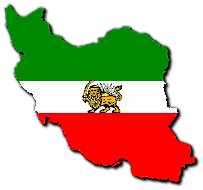
PERSIA

AHURAMAZDA

NU ROOZ E TON PEEROZE BAD

KILL THE DEMONS

SHIR O KHORSHID

STRIKE NOW
TO SHOW
SOLIDARITY
WITH THE
IMPRISONED
WOMEN, STUDENTS
AND THE
TRADE UNIONITS


نکته بیستم از پنجاه نکته اساسی مبارزه مسالمت آميزhttp://www.iranpressnews.com/javan/2008/04/3933.htm

WHO WOULD HAVE BELIEVED IT
 اخبار مربوط به زندانیان سیاسی و نقض حقوق بشر

AHMADINEJAD


The 7th Century Shrine, A symbol dedicated to the resistance of the Iranians against the invading Arabs
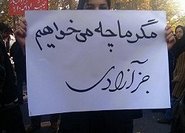
WHAT DO WE WANT OTHER THAN FREEDOM

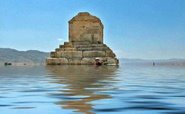
Catastrophe: http://www.savepasargad.com/european_languages.htm

UP YOURS

UP YOURS TOO !



Summer in Ibiza
 Tulips in Holland

Snow in Tehran

Autumn in Canada


 http://www.buzzinfly.com/
buzzradio.html
Podcast:http://www.audioagain.com/podcast.php?channel=buzzinfly


Follow this link : http://www.informationliberation.com/?id=20386
Rageh Inside Iran
Rageh Omaar embarks on a unique journey inside what he describes as one of the most misunderstood countries in the world, looking at the country through the eyes of people rarely heard - ordinary Iranians.It took a year of wrangling to get permission to film inside Iran but the result is an amazing portrayal of an energetic and vibrant country that is completely different to the usual images seen in the media. A country of contrastsRageh soon discovers that Tehran is a complex place and uncovers a city of extremes of wealth and poverty, where some people survive on less than a dollar a day and others shop till they drop in glitzy shopping malls.Iran is a country that bans women from riding motorcycles but where 60 per cent of the student population is female. It is also a youthful place, with two thirds of Iran's 70 million population under the age of 30. Local storiesRageh meets with local people to hear their personal stories and feelings about the current state of affairs in Iran. There are stories of taxi drivers, wrestlers, business women, people working with drug addicts and the country's leading pop star and his manager - the 'Simon Cowell' of Iran.Rageh Inside Iran transcends images of angry demonstrations and burning flags to reveal a country that isn't without its problems but which is also fascinating, dynamic and hospitable.
Sunday, February 18, 2007
A SANE MAN IN AN INSANE WORLD
Victor Davis Hanson is a classicist and historian at the Hoover Institution, Stanford University, and author, most recently, of "A War Like No Other: How the Athenians and Spartans Fought the Peloponnesian War." You can reach him by e-mailing author@victorhanson.com.
In his latest article "Tapping Ahmadinejad's Egg " , February 15, 2007 Real Clear Politics ,Victor Davis Hanson says that : "Americans should continue to support Iranian dissidents. We need not encourage dissidents to go into the street, where they could be shot. Instead we can offer them media help and access to the West. Americans can highlight the plight of women, minorities and liberals in Iran - just the groups that so appeal to the elite Western left".
I think you should read the entir article here: http://www.realclearpolitics.com/articles/2007/02/tapping_ahmadinejads_egg.html
Subscribe to:
Posts (Atom)


O P E N O F F I C E - Free softwere -
Subscribe To - BAHRAMERAD -

 Posts
All Comments
S E A S O N S
A u t u m n 2 0 0 8

MYSPACE ADD ON

Map of Iran's Neighbours
MAP OF PERSIA
PERSIA
FARAVAHAR
AHURAMAZDA
Happy Nu Rooz
NU ROOZ E TON PEEROZE BAD
Sassanid King
KILL THE DEMONS
Nuclear Disaster فاجعه هسته ای

Free Iran Petition


SHIR O KHORSHID
SHIR O KHORSHID
PROTEST NOW !
STRIKE NOW
TO SHOW
SOLIDARITY
WITH THE
IMPRISONED
WOMEN, STUDENTS
AND THE
TRADE UNIONITS
R A H _ E _A Z A D I

Peaceful Revolution

نکته بیستم از پنجاه نکته اساسی مبارزه مسالمت آميزhttp://www.iranpressnews.com/javan/2008/04/3933.htm
REPRESSION
WHO WOULD HAVE BELIEVED IT
HANGINGS OF THE INNOCENTS
اخبار مربوط به زندانیان سیاسی و نقض حقوق بشر
Ahmad
AHMADINEJAD

Earthly Angles Weep With Sorrow

T o m b o f F I R U Z A N
The 7th Century Shrine, A symbol dedicated to the resistance of the Iranians against the invading Arabs
Freedom
WHAT DO WE WANT OTHER THAN FREEDOM

Women's Symble


Threat to Passargad
Catastrophe: http://www.savepasargad.com/european_languages.htm
Khamanei
UP YOURS
Georg W Bush
UP YOURS TOO !
I N F O : N e o w o r x .n e t
Visitors : World
A D : N E O W O R X . N E T
Visitor counter
Visitores Counter
Internet Speed Test

W I N T E R 2 0 0 7 / 2 0 0 8
S U M M E R
Summer in Ibiza
S P R I N G
Tulips in Holland
W i n t e r
Snow in Tehran
A U T U M N
Autumn in Canada
I B I Z A S U M M E R 2 0 0 8
TEHRAN BURNING MUSIC
 |
| NIGHT FEVER extra.... |
| Hosted by eSnips |
BEN WATT AT GALEXY RADIO
 http://www.buzzinfly.com/
buzzradio.html
Podcast:http://www.audioagain.com/podcast.php?channel=buzzinfly

Neoworx.net
New YOUTUBE Video Juke Box
For your listening pleasure and where to buy this music
FOR THE LOVE OF PERSIA , I R A N

I n f o - N e o w o r x . n e t