

PRINCE CYRUS REZA PAHLAVI'S SPEECH 22 NOV 2008
PRINCE CYRUS REZA PAHLAVI / P2
Prince Cyrus Reza Pahli's short interview with reporters in Washington 22 Nov 2008
Frost Over The World - Prince Reza Pahlavi - Nov 21 -
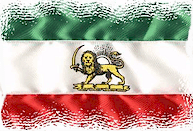
IMPERIAL EMBLEM

PERSIA
Iranian Freedom Fighters UNITE
Showing posts with label Prince Reza Pahlavi. Show all posts
Showing posts with label Prince Reza Pahlavi. Show all posts
Saturday, November 22, 2008


Thursday, November 20, 2008
Prince Reza Pahlavi in London
رضا پهلوی: درهای بیشتری به روی ما باز شده است
شهران طبری
روز سهشنبه شاهزاده رضا پهلوی به دعوت گیزل استوارت (Gisele Stewart)، نماینده مجلس بریتانیا از حزب حاکم کارگر در آن کشور، در جلسهای عمومی در ساختمان مجلس بریتانیا حضور یافت. رضا پهلوی در صحبتهای خود برای نمایندگان مجلس عوام، تصويری از وضع فعلی ايران، مردم و اپوزيسيون دولت در داخل و خارج از ايران ترسيم كرد و گفت: «بايد گذشته را پشت سر گذاشت و به اتفاق برای برقراری يک دموكراسی نوين منطبق با اصول و خواست جمعيت جوان ايران تلاش كرد.» راديو فردا در محل مجلس عوام بريتانيا گفتوگویی با شاهزاده رضا پهلوی در مورد نظراتش انجام داده است كه در زیر میخوانيد: راديو فردا: چرا برای بيان نظرات خود بريتانيا و مجلس عوام اين كشور را انتخاب کردید؟ آيا در نگاه اروپا به مسايل ايران تغييری رخ داده يا در حال رخ دادن است؟ رضا پهلوی: از ديد من فضای اروپا در مقايسه با سالهای گذشته يک تغيير ماهوی پيدا كرده است. به اين مفهوم كه از يکسو بسياری از قانونگذاران، دولتمردان و دولتزنان اين كشورها بيشتر با ماهيت واقعی رژيم ايران آشنا میشوند. از سوی ديگر، كشورهای اروپا با نگرانیهای مختلفی روبهرو هستند؛ از مسأله غنیسازی و اتمی شدن رژیم [ایران] گرفته تا تروريسم و عواقب آن. در حقيقت نيروهای اپوزيسيون و كسانی كه مانند من طرفدار يک نظام دموكراسی پارلمانی سكولار هستند، در مقابل آن چه به عنوان يک حكومت مذهبی در ايران وجود دارد، فرصتهای بيشتری پيدا میكنند كه وارد اصل مطلب شوند. اصل صحبت من، نه تنها در بريتانيا بلكه در پارلمان اروپا هم، اين بود كه شما وارد شدن به يک ديالوگ را مطرح میكنيد، اما اين ديالوگ طبق معمول به رژيم ايران محدود خواهد بود يا به نيروهای طرفدار دموكراسی و آزادی كه اكثريت جامعه ايران را تشكيل مي دهند هم گسترش خواهد يافت. خوشبختانه توجه به اين مسايل به جايی رسيده است كه امروز مشخصتر از گذشته و با فكر بازتر، افرادی مانند من را دعوت میكنند تا صحبت كنيم و مسايل را توضيح دهيم. اين فرصت مناسبی است. امروز درهای بيشتری به روی ما باز و درهای بيشتری به روی رژيم [ایران] بسته میشود.
البته مدتها ست كه من و افراد ديگر اپوزيسيون رژيم ايران تلاش میكنيم.
پرسشهای ديگری كه مطرح است اين است كه چگونه بايد فعاليت كرد؛ با چه كسانی بايد صحبت كرد؛ چگونه بايد ارتباط برقرار كرد. اين برخورد بسيار سازندهتر است. «اصل صحبت من، نه تنها در بريتانيا بلكه در پارلمان اروپا هم اين بود، كه شما وارد شدن به يك ديالوگ را مطرح مي كنيد، اما اين ديالوگ طبق معمول به رژيم ايران محدود خواهد بود يا به نيروهای طرفدار دموكراسی و آزادی كه اكثريت جامعه ايران را تشكيل مي دهند هم گسترش خواهد يافت؟»
در صحبتهای خود اشاره كرديد كه هدفتان ارتباط و صحبت با مردم ايران است و تغيير بايد از درون جامعه ايران روی دهد. چگونه میتوانيد با مردم ايران اين ديالوگ را برقرار كنيد؟ در حال حاضر، به دليل خفقان موجود درايران، بيشتر ارتباطات زيرزمينی است [مثلا] از طريق تلفن و اينترنت. اين ارتباط با هستههای مختلف مقاومت و در بخشهای مختلف اجتماعی در داخل كشور وجود دارد. آن چه كمبود آن در صحنه كاملا محسوس است، حداقل ساختار هماهنگی و مكانيزم رهبری اين برنامه است. در مجلس عوام بریتانیا گفتید كه در حال تهيه يک بسته سياسی برای گشودن راهی به سوی دموكراسی هستيد. برای تدوين اين، به گفته شما، بسته سياسی چه اقداماتی انجام گرفته است؟ يک پروژه مشترک ملی، كه گستردهترين نيروهای سياسی كشور را در يک هدف مشترک در برگيرد، میتواند تنها راه باشد. اين اهداف مشترک را به صورت ساده بيان میكنم: ايجاد يك آلترناتيو دموكراسی سكولار پارلمانی در مقابل نظام [حکومتی فعلی ایران] ، [تهیه] يک قانون اساسی مبتنی بر اعلاميه جهانی حقوق بشر، [آمادهسازی] يک پروسه انتخاباتی از طريق مجلس مؤسسان كه قانون اساسی آينده كشور را تدوين میكند. تمام فرمهايی كه اين سيستم میتواند داشته باشد مورد بررسي قرار میگيرد؛ اين كه نظام مشروطه باشد يا جمهوری يا فدرال. اين بار، بر خلاف ۳۰ سال پيش، مردم ايران بايد بدانند كه «نه» گفتن به اين سيستم [حکومتی فعلی] مهمترين مسأله نيست، بلكه بدانند به چه چيزی میخواهند رأی بدهند. ابتدا اين مسايل بايد به طور مشخص بيان شده و زمينه های لازم برای تشكيل احزاب ايجاد شود. سقوط نظام مرحله بعدی است، اين كه دولت موقتی كه پس از اين مرحله تشكيل میشود، چگونه كشور را اداره خواهد كرد و چگونه زمينههای لازم را ايجاد خواهد كرد. اينها دغدغههای مشترک همه كسانی است كه ممكن است در روز نهايی رأی آنها با هم متفاوت باشد. اما بخش عظيمی از نيروهای مختلف عقيدتی و سياسی مردم در اين راه حل كه محتوای نظام [احتمالی سیاسی] بايد سكولار دموكراتيک باشد، همسنگر هستند
مصاحبه تلویزیون جهانی بی بی سی با رضا پهلوی
در پی انتشار گزارش اخیر اطلاعاتی آمریکا که در آن از احتمال تقویت نقش ایران در جهان آینده در صورت فاصله گرفتن این کشور از حکومت مذهبی سخن رفته بود، تلویزیون جهانی بی بی سی با رضا پهلوی ولیعهد سابق ایران گفتگو کرده است.


Democracy and
human rights In Iran:
human rights In Iran:
What role for the West?
A Speech by Reza Pahlavi II
House of Commons 18th November 2008
Ladies and Gentlemen,
It is a great pleasure for me to be with you this afternoon, and I would like to take this opportunity to thank the Henry Jackson Society in London as well as Gisela Stuart MP for helping to organize this meeting.
Let me start by saying that in my talk with you today, I wish to go beyond the designated issue of democracy and human rights in my country, and any role which the West might have in promoting them. This is because, democracy and human rights in Iran is today intricately tied with a number of other key issues such as nuclear proliferation, regional stability and finally, international peace and security. To be more specific, I wish to say that the threat that is posed to international security by the Islamic Republic of Iran, is precisely because of the fact that Iran is today governed by a brutal dictatorship, where the will of the majority is ignored and anyone who in any way challenges the decisions of the state are severely dealt with. It thus follows that the establishment of a democratic system of government in Iran that respects the human rights of its citizens will undoubtedly pave the way for removing Iran as a major source of international anxiety. The implications of such a transition are quite obvious for both the people of Iran as well as the wider international community. For the people of Iran, the establishment of a democratic government would mean that their country would cease being an international pariah. Moreover, it would mean that country’s vast resources would be mobilized for securing the future of the country by helping to cure its ailing economy instead of driving the nation to the brinks of an unwanted military confrontation with the international community over something ridiculous like uranium enrichment. Indeed a democratic government in Iran would invest in the people of Iran instead of investing in forces of instability and terror with whom they have bonded for promoting a militant anti-Western, and in particular, anti American agenda.
In my view, it thus follows that the West does have a role in seeing how this scenario develops. It can either stand aside or remain impervious to the plight of millions of my compatriots by trying to compromise with their oppressors or adopt a different, more ethical role of siding with them and helping them to attain their fundamental rights and basic freedoms.
Here, I wish to add that, in my view, there is no question that the prospect for change in the aftermath of the election victory of President Elect Barrack Obama, has already aroused a new atmosphere of great expectations on the part of people everywhere, including my homeland, who see his success as a new and promising catalyst for the construction of a new world order that is based on peace, freedom, justice and opportunity. Given his personal background, people – irrespective of their nationality or geographical circumstance – are hopeful that the new US president will be much more sensitive to the kind of problems and impediments which have held them back and compromised their honor and dignity at the same time.
The pertinent question, therefore, is whether such expectations are realistic or not? Another words, will it be business as usual where economic interest often trump human rights considerations or will we step into a new and different era with all its incumbent challenges?
Focusing on my country, it is fair to say that up until the last several weeks when world attention has been fixed on the ongoing international financial crisis, that Iran and Iran related issues – in one way or another – had consistently received a disproportionate share of attention in the world media. Iran’s obstinate disregard of numerous UN Security Council resolutions and various international warnings concerning its nuclear policy and ambitions has created a situation whereby the country has become increasingly isolated while creeping slowly to the edges of an unwanted military conflict. It is also true to say that while certain parties in the West have periodically responded to Iranian disregard for international pressures such as those demanded by the Security Council and others that were more diplomatically conveyed in the ‘5+1’ meetings, by insisting that “all options are on the table”, there is a general sense that warnings of this nature are more indicative of rising frustration rather than clear intent.
It is clear that so far, the ‘5+1’ policy in halting Iran’s uranium enrichment program has failed to achieve its objectives, since neither the promise of inducements nor the threat of punishments have been sufficient to convince the Islamic leaders to change direction. It is in finding itself in such a situation, when its repackaged incentive offer has been effectively turned down, and in circumstances when the ‘5+1’ have been unable to be more robust in imposing stricter sanctions against the clerical regime, that the debate regarding ‘cooperation or confrontation’ with Iran is once again being revived.
Now, when we speak of ‘cooperation or confrontation’, there is no question that everyone would prefer ‘cooperation’ to ‘confrontation’. The most obvious factor is whether it is possible to arrive at an acceptable ‘modus vivendi’ with Iran or not? Here, it is essential once again, to take note that in the case of Iran’s nuclear file, the West has been engaged in negotiations with Iran for over 5 years, where the Europeans in particular have gone to extreme lengths in order to arrive at some form of a compromise. Their failure is due to the fact that their offers of incentive have been insufficient to commit the Iranians to observing their ‘red-lines’.
Thus, in very simple terms, unless the US and the EU are willing to re-draw the very ‘red-lines’ that they have marked of their own accord, then prospects for cooperation would appear to be very dim. No doubt if the ‘5+1’ were willing to live with a nuclear Iran, it would inevitably lead to a major proliferation of nuclear weapons in the Middle East, making the region a greater powder keg than it already is, then I am sure that the current crises could be resolved ‘cooperatively’. A recent study produced by the Institute for Security Studies of the European Union makes specific recommendations to this effect. But this is not a formula that I would recommend.
Here, I wish to be very candid with you: I believe that while one must strive for making every effort to make cooperation work, one cannot avoid confrontation by behaving expediently or by compromising one’s own principles. I believe that the majority of honored guests here this afternoon are well familiar with the history of the 1930s when the will to cooperate in an attempt to avoid conflict, blinded responsible politicians and eventually forced them into a much more costly confrontation which they had tried so hard to avoid in the first place!
So what can be done or should be done? Will cooperation be the way forward or is there no choice other than confrontation?
Today, the diplomatic ‘buzz word’ seems to be ‘engagement’. The obvious inference from this is that the US, in particular, should no longer insist on any preconditions and be ready to open direct talks with Iran. Here, it must be reiterated that perhaps for more than two decades we had a reverse situation, where the US was willing to come to the table but it was the Islamic regime that had the preconditions.
It is interesting to point out that while Iran has been clamoring for some time for direct talks with the US, and as signs have appeared that moves towards that end are now being seriously contemplated by the new Obama administration, another spanner was recently thrown into this mind-boggling equation by one of Ahmadinejad’s close advisers in Teheran who said that Iran will only talk with “the US when it has left the Middle East and ended its support for the Zionist regime”!
Most proponents of this line of thinking – perhaps wishfully, nourish the prospect that once direct negotiation starts than all contentious issues that have led to an estrangement of relations between Iran and the US, which have also indirectly affected Iran-EU relations, may in time become resolved.
In this context, quite apart from issues of primary concern to a majority of Iranians who aspire to live in a society that is free and humane with all its incumbent paraphernalia, the Iranian regime would be expected to modify its behavior on such issues as its nuclear aspirations, active engagement in international terrorism and finally, its menacing and destabilizing activities in places like Lebanon, Palestine, Iraq, Afghanistan and the Persian Gulf region.
But, is this a realistic expectation, given the nature of the Islamic Republic and the fact that for the past 30 years, militant anti-Americanism across the board has been the very foundation of its foreign policy? I certainly hope that the next US administration would give proper consideration to such realities. Most importantly, I feel that everyone in the West and in particular the US, would have a much clearer picture of issues, if they made a serious attempt at seeing matters from the prism of the Islamic leadership in Iran and not just their own wishes and priorities. I accept that this is not an easy challenge, but it is crucial and until such time that an effort has been made in this direction, there is no reason to hope that future policy decisions will be any better than those made in the past 30 years.
Having said all that let me make it clear that I am strongly opposed to any form of military action against my country. But for diplomacy to succeed, the aims as well as the obstacles to any intended objective needs to be carefully assessed and above all understood. Moreover, it is imprudent and self defeating if the West was to constantly find itself in a position of having to re-draw its own red lines.
Here, it is also essential that the ideological divide that separates the Iranian regime from the Iranian people as well as the wider world be also taken into account.
I would like to elaborate this point by suggesting that a consequence of the Islamic regime’s estrangement with its own people who are without doubt its ‘Achilles’ Heel’ in the course of the last three decades, has been the main impetus behind what I call its policy of ‘entrenchment’ in the Middle East region and beyond. In other words, as the regime gradually lost its popularity and legitimacy at home, it felt the need to hold some cards outside Iran for the obvious reason of fending off external pressures that might threaten its very existence.
Now let me say a few words about matters inside Iran. Despite its seemingly confident and secure outlook, the Islamic Republic of Iran (IRI) is in fact more vulnerable and damage prone than ever before in its 29 years of existence. The effects of the UN Security Council sanctions have already affected the country’s economy by having a significant impact on the private sector, while the imposition of gasoline rationing as well as the recently introduced VAT charges, have resulted in huge public protests that have led to unexpected strikes and violence.
In previous years, the IRI has successfully been able to ‘ride through’ a number of serious crises, a factor that is a mark to their resilience as well as the support base on which their order was initially constructed. Nonetheless, the number of difficult circumstances which the regime has confronted in previous years have taken their toll. Moreover, the mass exodus of its most skilled and experienced entrepreneurs, managers, bureaucrats and educated elites have contributed greatly to a major mismanagement crisis across the board, resulting in a tremendous fall in the per capita income of all Iranians.
Today, the clerical regime’s support base is at best no more than 10-15% of our population. In times of emergency, such as election times and the like, using the resources of our country, they are able to mobilize another similar figure. What this means is that in the course of the last three decades, the regime has alienated the rest of the population and is thus fearful of any circumstance that might lead to the mobilization of those it can no longer persuade.
Also,
while Iran is perhaps the cradle of modern day ‘Islamic Fundamentalism’, it is an accepted fact that despite its general rhetoric, none of the regime’s sanctimonious pronouncements have any bearing on the conduct of every day life amongst the Iranian people. Indeed, there should be no doubt in anyone’s mind that, although a theocracy in name, Iran is today governed like most other secular dictatorships that the world has known, since people only obey the likes of Khamenei and Ahmadinejad, not because of their special relationship with the almighty, but simply out of fear or economic need.
This development is a natural consequence of successive years of failure by the regime to improve economic conditions, and to relax social and civil society demands in a milieu where 70% of the population is below the age of 30 and well versed with the desires and aspirations of their contemporaries in other parts of the world and in particular, the West.
In the sphere of foreign policy, because of its intransigence over its nuclear file, the IRI has never been under such international pressure since its very inception.
In the past 12 months, a total of four UN Security Council Resolutions have warned and subsequently punished Iran for its continued defiance of the international will.
Moreover, it is thought unlikely that Islamic Republic will ever accept any compromise involving a complete halt to its uranium enrichment program.
Iran’s current stand off with the international community is also exacerbated by other factors such as Iran’s continued reliance on resort to Terrorism – both direct and indirect – for the advancement of its foreign policy objectives which have further increased tensions with the US and its various allies in places like Iraq, Lebanon, Palestine and Afghanistan.
In summary,
for more than a year now, the Islamic Republic of Iran has been in the midst of two extraordinary and dangerous crises.
First, the amount of international pressure on Iran because of its uncompromising stance over its nuclear agenda, and
second, the country’s domestic crisis fueled mainly as a consequence of its faltering economy, have both been unprecedented.
As we speak, the pressures from these quarters have not declined, and there are no immediate signs that this crisis will be coming to an end any time soon.
How this crisis comes to an end is, nevertheless, a matter of supreme importance not just to the Islamic leadership in that it can mean survival or the beginning of the end for them, but for the West, given that it now has the opportunity for tilting the balance in favor of forces of democracy, progress and human rights.
Seen from the stand point of the West,
I should like to point out that in the course of the past 30 years, there have been a series of confusing signals which have simply complicated matters.
Focusing in particular on the US, there is little wonder that rhetoric and posturing should have eclipsed meaningful policy based on reality.
As a result, there have been great many vacillations over the years that have ranged from accommodation and cooperation to regime change.
Perhaps what lies at the heart of this problem – something which I believe to be a especially central issue for the new US administration – is the need to come up with a clear and robust policy that is capable of dealing effectively with Iran.
From the perspective of the EU and next US administration, while any talk of regime change – something that in any case is only the business of the Iranian people – may be set aside, securing Iranian compliance or cooperation over a whole host of critical issues highlighted by the current nuclear impasse will remain a clear priority.
From the perspective of the EU and next US administration, while any talk of regime change – something that in any case is only the business of the Iranian people – may be set aside, securing Iranian compliance or cooperation over a whole host of critical issues highlighted by the current nuclear impasse will remain a clear priority.
Indeed, dealing with some of these critical problems is widely expected to be the first major foreign policy challenges of the new Obama administration.
Finally, I would like to leave you with this thought:
Finally, I would like to leave you with this thought:
In the last 30 years, since the advent of the Islamic regime in Iran, we have seen a sizable expansion in the number of highly destructive conflicts that have raged in the Middle East spanning from Afghanistan to the Eastern shores of the Mediterranean.
As we speak, there are some unfinished conflicts that still continue to threaten the peace and stability of the region as well as the prospects of all future generations living in the Middle East.
What has happened in the last 30 years is history.
But looking to the future it is important to note that the Islamic regime, and the regional friends and allies it has been able to cultivate, have a vision of life and society that is in stark contrast with the majority of other regional governments and their allies which includes the EU and the US.
To move forward positively, it is crucial for the West not to once again indulge itself in tactics that have been tried and tested before, and seen to fail.
Therefore, bearing in mind all that has been said, and given the fact that we are living in an increasingly interdependent environment, it should be apparent that Without a creative new policy supported by robust diplomatic efforts that encompasses a role for the overwhelming majority of Iranians who do not share the visions and values of their current rulers, nothing will change.
A policy of misplaced cooperation will be tantamount to capitulation, except for the fact that the ultimate cost of confrontation will most likely increase with time.
The only meaningful policy would be to engage the Iranian people and invite them to be part of a new and imaginative policy which will guarantee Iran’s territorial integrity, freedom of choice and democratic expression plus a respect for individual human rights.
Prince Reza Pahlavi

شاهزاده رضا پهلوی
رضا پهلوی: درهای بیشتری به روی ما باز شده است
روز سهشنبه شاهزاده رضا پهلوی به دعوت گیزل استوارت (Gisele Stewart)، نماینده مجلس بریتانیا از حزب حاکم کارگر در آن کشور، در جلسهای عمومی در ساختمان مجلس بریتانیا حضور یافت. رضا پهلوی در صحبتهای خود برای نمایندگان مجلس عوام، تصويری از وضع فعلی ايران، مردم و اپوزيسيون دولت در داخل و خارج از ايران ترسيم كرد و گفت: «بايد گذشته را پشت سر گذاشت و به اتفاق برای برقراری يک دموكراسی نوين منطبق با اصول و خواست جمعيت جوان ايران تلاش كرد.» راديو فردا در محل مجلس عوام بريتانيا گفتوگویی با شاهزاده رضا پهلوی در مورد نظراتش انجام داده است كه در زیر میخوانيد: راديو فردا: چرا برای بيان نظرات خود بريتانيا و مجلس عوام اين كشور را انتخاب کردید؟ آيا در نگاه اروپا به مسايل ايران تغييری رخ داده يا در حال رخ دادن است؟ بشنوید: بیشتر بخوانید: رضا پهلوی: از ديد من فضای اروپا در مقايسه با سالهای گذشته يک تغيير ماهوی پيدا كرده است. به اين مفهوم كه از يکسو بسياری از قانونگذاران، دولتمردان و دولتزنان اين كشورها بيشتر با ماهيت واقعی رژيم ايران آشنا میشوند. از سوی ديگر، كشورهای اروپا با نگرانیهای مختلفی روبهرو هستند؛ از مسأله غنیسازی و اتمی شدن رژیم [ایران] گرفته تا تروريسم و عواقب آن. در حقيقت نيروهای اپوزيسيون و كسانی كه مانند من طرفدار يک نظام دموكراسی پارلمانی سكولار هستند، در مقابل آن چه به عنوان يک حكومت مذهبی در ايران وجود دارد، فرصتهای بيشتری پيدا میكنند كه وارد اصل مطلب شوند. اصل صحبت من، نه تنها در بريتانيا بلكه در پارلمان اروپا هم، اين بود كه شما وارد شدن به يک ديالوگ را مطرح میكنيد، اما اين ديالوگ طبق معمول به رژيم ايران محدود خواهد بود يا به نيروهای طرفدار دموكراسی و آزادی كه اكثريت جامعه ايران را تشكيل مي دهند هم گسترش خواهد يافت. خوشبختانه توجه به اين مسايل به جايی رسيده است كه امروز مشخصتر از گذشته و با فكر بازتر، افرادی مانند من را دعوت میكنند تا صحبت كنيم و مسايل را توضيح دهيم. اين فرصت مناسبی است. امروز درهای بيشتری به روی ما باز و درهای بيشتری به روی رژيم [ایران] بسته میشود. البته مدتها ست كه من و افراد ديگر اپوزيسيون رژيم ايران تلاش میكنيم. پرسشهای ديگری كه مطرح است اين است كه چگونه بايد فعاليت كرد؛ با چه كسانی بايد صحبت كرد؛ چگونه بايد ارتباط برقرار كرد. اين برخورد بسيار سازندهتر است. در صحبتهای خود اشاره كرديد كه هدفتان ارتباط و صحبت با مردم ايران است و تغيير بايد از درون جامعه ايران روی دهد. چگونه میتوانيد با مردم ايران اين ديالوگ را برقرار كنيد؟ در حال حاضر، به دليل خفقان موجود درايران، بيشتر ارتباطات زيرزمينی است [مثلا] از طريق تلفن و اينترنت. اين ارتباط با هستههای مختلف مقاومت و در بخشهای مختلف اجتماعی در داخل كشور وجود دارد. آن چه كمبود آن در صحنه كاملا محسوس است، حداقل ساختار هماهنگی و مكانيزم رهبری اين برنامه است. در مجلس عوام بریتانیا گفتید كه در حال تهيه يک بسته سياسی برای گشودن راهی به سوی دموكراسی هستيد. برای تدوين اين، به گفته شما، بسته سياسی چه اقداماتی انجام گرفته است؟ يک پروژه مشترک ملی، كه گستردهترين نيروهای سياسی كشور را در يک هدف مشترک در برگيرد، میتواند تنها راه باشد. اين اهداف مشترک را به صورت ساده بيان میكنم: ايجاد يك آلترناتيو دموكراسی سكولار پارلمانی در مقابل نظام [حکومتی فعلی ایران] ، [تهیه] يک قانون اساسی مبتنی بر اعلاميه جهانی حقوق بشر، [آمادهسازی] يک پروسه انتخاباتی از طريق مجلس مؤسسان كه قانون اساسی آينده كشور را تدوين میكند. تمام فرمهايی كه اين سيستم میتواند داشته باشد مورد بررسي قرار میگيرد؛ اين كه نظام مشروطه باشد يا جمهوری يا فدرال. اين بار، بر خلاف ۳۰ سال پيش، مردم ايران بايد بدانند كه «نه» گفتن به اين سيستم [حکومتی فعلی] مهمترين مسأله نيست، بلكه بدانند به چه چيزی میخواهند رأی بدهند. ابتدا اين مسايل بايد به طور مشخص بيان شده و زمينه های لازم برای تشكيل احزاب ايجاد شود. سقوط نظام مرحله بعدی است، اين كه دولت موقتی كه پس از اين مرحله تشكيل میشود، چگونه كشور را اداره خواهد كرد و چگونه زمينههای لازم را ايجاد خواهد كرد. اينها دغدغههای مشترک همه كسانی است كه ممكن است در روز نهايی رأی آنها با هم متفاوت باشد. اما بخش عظيمی از نيروهای مختلف عقيدتی و سياسی مردم در اين راه حل كه محتوای نظام [احتمالی سیاسی] بايد سكولار دموكراتيک باشد، همسنگر هستند. «اصل صحبت من، نه تنها در بريتانيا بلكه در پارلمان اروپا هم اين بود، كه شما وارد شدن به يك ديالوگ را مطرح مي كنيد، اما اين ديالوگ طبق معمول به رژيم ايران محدود خواهد بود يا به نيروهای طرفدار دموكراسی و آزادی كه اكثريت جامعه ايران را تشكيل مي دهند هم گسترش خواهد يافت؟»
صداو تصویر
گفت و گو با رضا پهلوی |
Monday, November 03, 2008
HH.REZA PAHLAVI'PRINCE OF PERSIA' - Please come home -
HH.REZA PAHLAVI'PRINCE OF PERSIA'

HH. REZA PAHLAVI ' 'PRINCE OF PERSIA.'
"PRINCE REZA PAHLAVI"
"PLEASE COME HOME"
Full Version Remixed by BAHRAMERAD
Original Video by ARSHAN
Music: ' Guinea Pig ' by Ben Watt on Buzzinfly Label.
Monday, October 06, 2008
Thursday, October 02, 2008
Stoned in Tehran : by Thomas M. Moore
No matter who achieves victory in November’s U.S. presidential elections, it is certain the next administration will have to confront the growing problems posed by Iran. The Iranian nuclear program continues despite widespread international objection, and its sponsorship of terrorist organizations, such as Hezbollah, poses a constant threat. Furthermore, Iran’s regional and global influence is potent and growing, in part due to its vast energy resources, making Iran’s ambitions even more pressing. In order to provide answers to these questions, as well as offer a unique perspective on the domestic sociopolitical landscape of Iran, the Nixon Center hosted a panel discussion entitled “Iran: Questions for the Next Administration” on September 24.
Parviz Dastmalchi, an Iranian author and founder and editor of the well known periodical magazine Ketabe Jomeha, Alireza Nourizadeh, a senior commentator for Voice of America’s Persian news network and longtime journalist, and Mehrdad Khonsari, the Senior Research Consultant at the Centre for Arab and Iranian Studies in London and a former Iranian diplomat, spoke on the common goal of a more democratic Iran, which they advocate through their organization, Democratic Alternative. Also contributing to the discussion were Mohsen Sazegara, an Iranian journalist and former member of the Iranian government, and Prince Reza Pahlavi, the Crown Prince of Iran. The discussion was moderated by Geoffrey Kemp, the Director of Regional Strategic Programs at The Nixon Center.
After a brief introduction from Dr. Kemp highlighting the fluid nature of American-Iranian relations, Alireza Nourizadeh explained the need for continued dialogue on Iran. It is important, he stated, to bring attention to the views of a vast majority of Iranians that are often unnoticed. Nourizadeh emphasized the need for extensive reform, estimating that only 15–20 percent of the Iranian people support the current regime. But is it reasonable, given the theocratic and authoritarian nature of the Islamic Republic, to expect any substantial reform? Parviz Dastmalchi was skeptical of the prospects. First, Iran’s system of government and constitution, based on Ayatollah Khomeini’s concept of “rule of jurisprudence,” constitutionally entrenches the power of the religious elite. Furthermore, Iranian laws create inequalities that deny political rights to the majority of its citizens. As a result, most Iranian citizens are unable to legally participate in any reform movement. Dastmalchi went on to argue that because of this neglect of its own people’s rights, Iran sees no reason to commit to the principles of democracy on the international level. He identified the governance of the Iranian regime as “a new form of totalitarianism,” regimes that history has shown can only be reformed by their complete collapse. Both Mehrdad Khonsari and Prince Reza Pahlavi supported Dastmalchi’s opinion that the main obstacle to reform in Iran was the religion-based constitution, but offered a bit more optimistic view on the prospects for change. Prince Reza Pahlavi called for a shift in the focus of Iranian reformist movements. Instead of simply focusing on the election of a reform-minded president, the goal should be a constitutional referendum that could facilitate genuine change. He cited, as did all of the panelists, the example of former president Mohammed Khatami, who was elected behind a wave of popular support for reform, but whose term saw the highest number of detainments, arrests and executions since 1979. From the perspective of the international community, however, the need for domestic reform is secondary to Iran’s nuclear program and expansion of its global influence. Alireza Nourizadeh warned that the growth of Iran’s influence, not only in the Middle East but also in Latin America, should not be ignored. In the past, failure to curb Iran’s foreign-policy objectives led to the creation of Hezbollah, one of the world’s largest and most well-organized terrorist groups. Nourizadeh cited the expansion of Iran’s Quds force and the regime’s strengthening ties with the governments of Venezuela, Bolivia and Nicaragua as the very alarming. Likewise, the fiery rhetoric of Iranian President Mahmoud Ahmadinejad, Nourizadeh noted, should not be taken lightly. Ahmadinejad’s belief in the inevitability of confrontation between Iran and the United States is only further evidenced by the intensification of Iranian involvement in Latin America, what Nourizadeh called “America’s backyard.” Iran’s need to expand its sphere of influence, as Khonsari argued, is also the result of the ideological divide between the regime and its people. The lack of domestic support for the government has forced Iran to look outside its borders to find sources of political legitimacy. In seeking to curtail Iran’s influence and diffuse the growing nuclear crisis, the lead role will certainly fall to the United States—presenting a daunting challenge for the next administration. Khonsari identified the current “buzz word” surrounding these issues as “engagement.” While direct talk with Iran will certainly be necessary if any mutually acceptable solution can be reached, Khonsari noted that such engagement will not necessarily lead to successful negotiations and will have to be approached in a careful and calculated fashion. Similarly, a resolution of the complicated issue of Iran’s nuclear program that avoids military confrontation will demand a creative approach. Coupled with the advancement of engagement, all the panelists supported the idea of “smart sanctions.” These sanctions, which could include restricting the travel of Iranian diplomats, curtailing gas sales to and oil purchases from Iran, and an effort to directly engage the Iranian people themselves, would serve to both isolate Iran’s government and garner support from the population as a whole. It is this type of support for the Iranian people that Reza Pahlari, Mehrdad Khonsari and Mohsen Sazegara envision as the greatest hope for reform within Iran and the cornerstone of U.S. policy in the future. Due to the divide between the regime and its people, it is not sufficient to engage Iran on a purely political level. The United States must show support for the principles of democracy supported by the Iranian people—human rights, equality, free elections, and freedom of the press—by not focusing purely on the issue of Iran’s nuclear program and refusing to pander to the opportunistic media escapades of President Ahmadinejad. Khonsari stressed that the new U.S. administration will need to develop a robust and clearly defined policy concerning Iran, which focuses on pragmatic change instead of hollow rhetoric. Whatever this new policy may be, it is the people of Iran who will be the true agents of change.
Wednesday, September 17, 2008
Message to Students from Prince Reza Pahlavi
پیام شاهزاده رضا پهلوی به مناسبت آغاز سال تحصیلی ۸۸-۱۳۸۷
سه شنبه 26 شهريور 1387
هم میهنان عزیزم،دانش آموزان، دانشجویان و فرهنگیان عزیز و آگاه میهنآغاز سال تحصیلی جدید را به همۀ شما عزیزان شادباش میگویم.
با آغاز سال تحصیلی جدید، فصل جدیدی از آموختن، آگاهی، خِرَد گرایی و عمل به مسئولیت های علمی، ملی و آزادیخواهی آغاز می شود، خصوصا که این فصل، با آئین باستانی «مهرگان» همراه است که جلوه ای از جوانی و سرشاری و یاد آور پیوندهای ملی و تاریخی ما ایرانیان است.رژیم خودکامۀ جمهوری اسلامی در حالی که از پاسخگویی به ابتدایی ترین حقوق مشروع هزاران آموزگار و معلم دلسوز و شریف، درمانده با وجود شدیدترین سرکوب ها و وحشیانه ترین شیوه ها، نتوانسته است فریادهای آزادیخواهانه و عدالتجوی میلیون ها دانش آموز و دانشجوی آگاه و مبارز را خاموش سازد لذا، «سیاست پادگانی رژیم در دانشگاه ها» با هوشیاری دانشجویان مبارز، شکست خورده است، چرا که دانشگاه های ایران – همواره – سنگر واقعی آگاهی، خِرَد گرایی و آرمان های آزادیخواهانۀ ملت ایران بوده است. و هم از اینروست که سال تحصیلی جدید نیز، فصل جدیدی در مبارزه علیه استبداد مذهبی و اختناق سیاسی حاکمان ضد ایرانی بشمار می رود.در آغاز سال تحصیلی جدید به همۀ هم میهنان عزیزم و خصوصا به دانش آموزان و دانشجویان مبارز، نوید می دهم که بزودی با همدلی و همبستگی ملی ایرانیان وطن دوست (از طیف های مختلف فکری) گام های نوینی در راه رهایی میهن برداشته می شود و فصل نوینی در مبارزات ملت بزرگ ما آغاز خواهد شد که صدای آزادیخواهانه و عدالتجوی شما جوانان و دانشجویان مبارز نیز – به یُمن این همبستگی ملی – طنینی جهان تاب خواهد یافت.با این نوید پُر امید و با بزرگداشت خاطرۀ همۀ دانشجویان شجاع و دربند، آرزو می کنم که سال تحصیلی جدید، سال پیروزی های بزرگ باشد.
خداوند نگهدار ایران باد
رضا پهلوی
Friday, September 05, 2008
Prince Reza Pahlavi
پیام شاهزاده رضا پهلوی
بمناسبت یکصد و دومین سالگرد جنبش مشروطیت ۱۴ امرداد ماه ۱۳۸۷
هم میهنان عزیزم،
ملت ایران یکصد و دومین سالگرد انقلاب مشروطیت را که آغاز عصر آزادیخواهی، پشت کرد به قرون وسطی و احیای فرهنگ غرور آفرین ایرانی در عصر تمدن صنعتی نوین بود، در شرایطی جشن میگیرد که یک نظام ضد ملی و اشغالگر بنام «جمهوری اسلامی» برکشورما چیره گشته است و با ترور و سرکوب بیرحمانــۀ مردم، عوامفــریبی مــذهبی، تــرویج خرافات و تاریک اندیشی و بحران آفرینی های پی در پی در منطقه به حیات ننگین و مافیایی خود ادامه میدهد و اکنون نیز با تهدید به دستیابی سلاح هسته ای می رود که ایران را به کام مرگبار یک ماجرای جنگی بسپرد.
هم میهنان عزیزم،
من هم مانند همۀ ایرانیانی که به خوشبختی ملت و سرافرازی ایران می اندیشند، معتقدم که راز پیشرفت ما در گرو دو اصل مهم است:
حق حاکمیت مردم و جدایی دین از حکومت (سکولاریزم)، این دو اصل بنیادی درهمانحال که میراث گرانبهای مشروطیت اند، مشعلی فروزان اند که مسیر نسل های آینده را تابناک میسازند. بنابراین، تداوم ره آوردهای حیاتبخش انقلاب مشروطیت میسرنیست، مگر آنکــه رژیم ضـد ملی و آزادی کُش کنونی که متاسفانه پایمال کنندۀ این دو اصل مهم است را به گورستان تاریخ روانه سازیم. ولی آیا پدران و مادران ما و یا هیچ ملتی توانسته اند بدون آرمانخواهی، بدون دلاوری و فداکاری زنجیرهای اسارت را از دست و پای خود بگسلند و به سعادت و خوشبختی دست یابند؟
آزادی و حق گرفتنی است! مائیم که باید به عوامل بدبختی و اسارت خود و به آنچه که زندگانی تک تک ما را تلخ و سیاه کرده است، پایان بدهیم! مائیم که باید حرکت کنیم تا برکت آسمانها به ما روی آورد. از انقلاب مشروطیت بیآموزیم و بی هراس و یکپارچه بپاخیزیم و مطمئن باشید که حکومت جباران پایدارنیست و پیروزی از آن ماست!
خداوند نگهدار ایران باد
رضا پهلوی
Friday, August 29, 2008
Massage From Prince Reza Pahlavi
هشتم شهریور ماه ۱۳۸۷
هم میهنان عزیزم،
با نگرشی به کارنامۀ سیاه و سهمناک کشتار در جمهوری اسلامی از سال ۱۳۵۷ تا کنون، هر برگی را خونین تر و مرگبارتر از برگ دیگری می یابیم.جرم تمامی این جانباختگان صرفنظر از ایده و مرام سیاسی آنان، در نهایت معصومیت، پای بندی به اصل آزادی عقیده و بیان و ابراز آزادنۀ اعتقادات و آرمانهایشان بوده است.جلادان رژیم دستور دارند که دگراندیشان دربند را یا به ترک عقیده وادار کنند و یا بکشند و در گورستان های بی نام و نشان به خاک بسپارند.دهم شهریور ماه تنها یادآور کشتار بی رحمانۀ تاریخی نیست، بلکه حکایت از مقاومت قهرمانانه و رشادت آمیز قربانیان آن دارد. آنها با پذیرش مرگ بجای تسلیم در برابر استبداد، نقاب از چهرۀ اهریمنی رژیم برگرفتند و ماهیت ضد ایرانی و واپسگرای آنرا برملا ساختند.اکنون بر ما ایرانیان است که همواره یاد تمامی این فرزندان جانباخته و شایستۀ ایران را با هر باور و اندیشه ای گرامی بداریم و با تلاشی همبسته و پیوسته در راه رهایی میهن، روح پاکشان را شاد و خانواده هایشان را مفتخر و سربلند نمائیم.خداوند نگهدار ایران باد
رضا پهلوی
Bername farsi roz 28082008 az Tishktv
Friday, August 22, 2008
Please join NOW
طرح ملی مقاومت و نافرمانی مدنی
اتحاد میهنی ایرانیان
تشکیلات اتحاد میهنی ایرانیان (اتحاد ایران)موجودیت رسمی خود را اعلام و حمایت رسمی کمیته مرکزی تشکیلات در درونمرز را
با پرچمدار و مشعل دارمبارزه ؛ شاهزاده رضا پهلوی ؛ رسما اعلام میدارداین تشکیلاتبه منظور حفظ حقوق و منافع مشروع و قانوني و بهبود وضع اجتماعي اقتصادي سیاسی ملت ایران
بمنظور نجات کشور از چنگال استبداد دینی حاکم بمنظور توسعه یکپارچگی و همبستگی ملی برای حفظ تمامیت ارضی کشور ایران
بمنظور حمایت همه جانبه و فوری از هم میهنانی که مورد سرکوب – شکنجه – زندان و اعدام قرار میگیرند
بمنظور اتحاد میهنی تمامی سازمانها , و افراد مبارز معتقد به فرو ریزی دیوار جهل و ظلم جمهوری اسلامی و وسعت بخشیدن به جبهه متحد مبارزین درونمرزبرای نجات ایران وهمچنین؛ دستیابی به راهکارهای هماهنگ و تلاش برای تشکیل ستادی مشترک از تمامی نیروهای مخالف جمهوری اسلامی با افکار و آرای مختلف در یک صف مشترک
بمنظور ارایه یک منشور یک رنگ و زبان در قالبی دموکراتیک و فرا گروهی به جهان و سازمان ملل متحد و کشورهایی که در تدارک حمله های مخرب علیه کشور مان میباشند
باقبول و تعهد به التزام و پایبندی به ایرانی بودن در زیر پرچم مقدس سه رنگ شیر و خورشید نشان
التزام و پایبندی به تمامیت ارضی کشور ایران
التزام و پایبندی به جدایی دین از سیاست در عین احترام متقابل به ادیان و مذاهب و عقاید شخصی افراد
التزام و پایبندی به گذار از حکومت استبداد دینی موجود درکشور ایران تحت نام جمهوری اسلامی با روشهای مسالمت آمیز و نافرمانی مدنی
التزام و پایبندی به اصول دموکراتیک و توسعه آزادی های مدنی و فردی و آزادیهای شناخته شده مدنی و فردی بر اساس میثاقها و قوانین بین المللی
التزام و پایبندی به استقرار قانون در کشور ایران بر اساس میثاقها و قوانین بین المللی
التزام و پایبندی به تساوی حقوق زنان و مردان در استفاده از حقوق مدنی و سیاسی پیش بینی شده در میثاقها و قوانین بین المللی
التزام به حق زندگی برای همگان و پایبندی به اصل عدم دست اندازی به منافع و منابع و جان و مال افراد و ملتها و مخالفت با تروریسم
التزام و پایبندی به عدم اجبار افراد و یا گروهها به پیروی از یک روش یا اندیشه یا نظام معین به وسیله زور یا تهدید یا تطمیع و
پایبندی به جمع آوری و انحلال زندانها – بازداشتگاهها و مخالفت با هر نوع محدودیت های اجتماعی و سیاسی برای احزاب و گرو هها و اندیشه ها و نظریات مخالف یا موافق یا معترض همچنین مخالفت با شکنجه و آزار و اذیت و محدود نمودن افراد برای گرفتن اقرار یا اعتراف یا پیروی از اندیشه یا نظام معین
احترام به حقوق قبایل -ایلات -اقوام -لهجه ها -زبان های محلی و ادیان و مذاهب بر اساس پایبندی به اصل یکپارچگی ملت ایران و بر
اساس تمامیت ارضی کشور ایران و اصول منشور حقوق بشر و اصل عدم تبعیض نژادی و عقیدتی
التزام و پایبندی به اصل آزادی اندیشه و بیان و نوشتن آن بدون هیچگونه سانسور ؛ تعزیر یا محاکمه یا برخورد با صاحبان آنها
التزام و پایبندی و احترام به اصل امنیت ملی ایران و حفظ و نگهداری و صیانت از اسرار ملی و عدم وابستگی به بیگانگان
احترام به اجتماعات و تشکلات سیاسی و مدنی و صنفی در چارچوب قانون و میثاقهای بین المللی
التزام و پایبندی به اصل تساوی در توزیع منابع و در آمدهای ملی برای همگان در چارچوب تمامیت ارضی و استقلال کشور ایران
و اصولی که در اولین مجمع عمومی اعضای سازمان تصویب خواهد شد همچنین قانون اساسی تایید شده از جانب اکثریت ملت ماورای حکومت جمهوری اسلامی (و نهایتا برای براندازی حکومت جهل و ظلم جمهوری اسلامی تشکل یافته است) ا
برای عضویت میتوانید در مقابل همین مطلب مشخصات و نظر اصلاحی خودتان را درج و امضا کنید
توجه مهم : در صورت درج مشخصات شما فقط اسم اول و نظر شما برای دیگران قابل مشاهده خواهد بود و ای میل یا نشانی شما برای هیچکس بجز تشکیلات کمیته مرکزی قابل مشاهده نیست در صورتی که علاقمند به ارایه نام نشان خود یا سازمان و گروه خود هستید آن را در قسمت توضیحات و یا کامنت درج فرمایید
incrd@hotmail.com نشانی ایمیل دبیرخانه سازمان اتحاد میهنی ایرانیان توجه مهمسازمان اتحاد میهنی ایرانیان یک تشکیلات درونمرزی برای توسعه طرح ملی مقاومت و نافرمانی مدنی میباشد. این سازمان یک تشکیلات مسلح نیست و با آسیب رسانی به جان ومال و منافع عمومی موافقتی ندارد. استراتژی ما فرو ریزی دیوار حکومت استبداد دینی تحت نام جمهوری اسلامی میباشد دیواری که میانه ما و دنیای آزاد قرار گرفته و با اوهام و خیالات و خرافات و خون و جنگ و اعدام و زندان توسط سران جنایتکار رژیم از هم پاشیده جمهوری اسلامی بنا گردیده.ثبت نام برای هم میهنان درونمرز رایگان است و هیچگونه هزینه برای عضویت نباید پرداخت شود
Saturday, August 02, 2008
Prince Reza Pahlavi : for the celeberatiion of the 102 ed year of Iranian Constitution
پيام شاهزاده رضا پهلوی
بمناسبت
يکصد و دومين سالگرد جنبش مشروطيت
١۴ امرداد ماه ١٣٨٧
هم ميهنان عزيزم،
ملت ايران يکصد و دومين سالگرد انقلاب مشروطيت را که آغاز عصر آزاديخواهی، پشت کرد به قرون وسطی و احيای فرهنگ غرور آفرين ايرانی در عصر تمدن صنعتی نوين بود، در برکشورما چيره « جمهوری اسلامی » شرايطی جشن ميگيرد که يک نظام ضد ملی و اشغالگر بنام گشته است و با ترور و سرکوب بيرحمانۀ مردم، عوامفريبی مذهبی، ترويج خرافات و تاريک انديشی و بحران آفرينی های پی در پی در منطقه به حيات ننگين و مافيايی خود ادامه ميدهد و اکنون نيز با تهديد به دستيابی سلاح هسته ای می رود که ايران را به کام مرگبار يک ماجرای جنگی بسپرد.
هم ميهنان عزيزم،
من هم مانند همۀ ايرانيانی که به خوشبختی ملت و سرافرازی ايران می انديشند، معتقدم که راز پيشرفت ما در گرو دو اصل مهم است: حق حاکميت مردم و جدايی دين از حکومت (سکولاريزم)، اين دو اصل بنيادی درهمانحال که ميراث گرانبهای مشروطيت اند، مشعلی فروزان اند که مسير نسل های آينده را تابناک ميسازند. بنابراين، تداوم ره آوردهای حياتبخش انقلاب مشروطيت ميسرنيست، مگر آنکه رژيم ضد ملی و آزادی کُش کنونی که متاسفانه پايمال کنندۀ اين دو اصل مهم است را به گورستان تاريخ روانه
سازيم. ولی آيا پدران و مادران ما و يا هيچ ملتی توانسته اند بدون آرمانخواهی، بدون دلاوری و فداکاری زنجيرهای اسارت را از دست و پای خود بگسلند و به سعادت و خوشبختی دست يابند؟ آزادی و حق گرفتنی است! مائيم که بايد به عوامل بدبختی و اسارت خود و به آنچه که زندگانی تک تک ما را تلخ و سياه کرده است، پايان بدهيم! مائيم که بايد حرکت کنيم تا برکت آسمانها به ما روی آورد. از انقلاب مشروطيت بيآموزيم و بی هراس و يکپارچه بپاخيزيم و مطمئن باشيد که حکومت جباران پايدارنيست و پيروزی از آن ماست!
خداوند نگهدار ايران باد
رضا پهلوی
Friday, July 18, 2008
The Latest Article about Prince Reza Pahlavi's Talk in Toranto, Canada
« کارولين آلفانسو » ترجمه ای از مقاله خانم
مورخ 12 جولای، 2008 « گلوب و ميل » که در روزنامه
در کانادا انتشار يافته است
تاکيد فرزند شاه فقيد ايران:
"به ملت ايران کمک کنيد تا رژيم را تغيير دھند"
تورنتو – فرزند پادشاه فقيد ايران به غرب ھشدار داد که ديپلماسی و يا حملۀ نظامی، تخفيف دھندۀ تشنج ھا در ايران
نخواھد بود و افزود که فقط فاصلة زمانی کوتاھی برای تجھيز و پشتيبانی از خيزش ملی برعليه رژيم باقی مانده
است.آمده بود، « آيندۀ ايران » رضا پھلوی که ديروز به تورنتو برای سخنرانی در کنفرانسی بميزبانی انجمن غيرانتفاعی « گروگان » گفت: "لازم است غرب، ملت ايران را که به تعريف او « گلوب و ميل » طی مصاحبه ايی با روزنامه رژيم ھستند، با پشتيبانی معنوی و کمک ھای لازم در زمينة ارتباطات و ھمچنين قدری کمک ھای مالی حمايت و تجھيز نمايد".او گفت: "غرب بايد دريابد که گفتگو دربارة حقوق بشر، آزادی، حقوق زنان، با اين رژيم بمانند تجويز سيانور است. بنظر من، تنھا چيزی که رژيم را مجبور به تغيير روش خواھد نمود، ھويجی نيست که شما از بيرون برای آنان تکان می دھيد يا تھديد به حمله برای خنثی کردن امکانات نظامی اشان. بلکه بزرگترين وحشتی که خواب را از چشم سردمداران رژيم می ربايد، فقط وحشت از آن است که يک روز مردم در خيابان ھا برعليه آنان بپاخيزند". آقای پھلوی از زمانی که پدرايشان، محمد رضا شاه پھلوی که توسط آمريکا پشتيبانی می شد در انقلاب 1979 برکنارشد، به کشورش بازنگشته است و اکنون در مريلند زندگی می کند.ايشان که در بعضی از اوقات با عنوان شاھزادۀ سابق قلمداد می شوند، از موقعيت ممتاز خود در خارج از ايرانبرای فعاليت در زمينۀ حقوق بشر و آزادی در ايران استفاده کرده است. او شب گذشته در يک کنفرانس آخرھفته کهايرانيان فرھيخته برای تحليل پيرامون پيدا کردن راه حل ھايی در زمينه ھائی از قبيل بھداشت و صنعت نفت و غيره برای آيندۀ کشور گرد ھم آمده بودند، سخنرانی نمود.اظھار نظرھای آقای پھلوی در زمانی صورت گرفت که سپاه پاسداران، در ھفته گذشته، دست به آزمايش موشکھايی زده بود که يک نوع از آنھا، به گفتة آنان توانائی دسترسی به اسرائيل را دارا می باشد. اين آزمايشات، با عث ايجاد و افزايش اعتراضات بين المللی شده است. مقامات دولت بوش می گويند که اگر ديپلماسی نتواند در حل بحران کنونی کاربردی داشته باشد، گزينۀ نظامی را کنار نگذارده اند و در اين راستا، اسراييل سوگند خورده است که مانع تبديل ايران به يک قدرت اتمی گردد.آقای پھلوی گفت که ھدف رژيم و دولت احمدی نژاد يک بازی وقت کشی می باشد و بس. تا بتوانند با استفاده از زمان بيشتر به بمب اتمی دست يابند. او گفت دنيای خارج بايد از اين فرصت موجود برای تجھيز مردم ايران و فعال ساختن آنان استفاده کند. ھمچنين در ادامه اين مصاحبه که در محل ھتل اقامتشان در تورنتو صورت گرفت گفتند: "فقط زمان کوتاھی باقی مانده است تا اينکه کارھا به ابعاد زشت و ناجوری تبديل نشوند و اين يک جنايت عظيم تاريخی برای بشريت و کره زمين خواھد بود، اگر جامعۀ جھانی به اين گزينه مردمی در ايران شانس لازم را ندھد. زيرا بعدا بسيار ديرخواھد بود در جھان « تروريسم و متجاوز » ايشان در ادامه گفتارشان گفتند که به خاطر عملکرد نظام فعلی، نام ايران ھمرديف شناخته شده است. او که مشوق روش ھای بدور از خشونت از قبيل نافرمانی مدنی است، سياستمداران را به منظور ياری رساندن به حرکتی که منتج به تغييرات اساسی در ايران گردد، تشويق نموده و می نمايد. پاشنۀ آشيل اين رژيم مطمئنا بدست گرفتن اسلحه، درگيری و جنگ ھای چندين ساله نمی باشد. بلکه بايد شرايطی را » به وجود آورد تا با پشتيبانی شما ملت ايران آزادی خود را بازيابد. شما آنجا برای ديکته کردن راه حل و يا ديکته «. کردن يک سرانجام نھائی به ملت ايران نيستيد. بلکه بايد بگذاريد ملت ايران تصميم خودشان را بگيرند
Help Iranian People Change Government, Shah's Son Urges
Globe & Mail - Caroline Alphonse - Saturday, July 12th, 2008
TORONTO -- The son of the deposed Shah of Iran warned that Western diplomacy or military intervention will not ease the tensions in Iran, and said there is a small window of time to empower the country's citizens to rise up against the government.In Toronto yesterday to speak at a conference sponsored by the non-profit Iran Future Association, Reza Pahlavi said in an interview with The Globe and Mail the West needs to provide the Iranian people, whom he describes as "hostages" under the current regime, with moral support, communications assistance and a bit of financial help."You have to understand that with this regime, when they hear about human rights, when they hear about democracy, when they hear about women's rights, everything like that to them is like cyanide," he said."In my opinion, the only thing that will force the regime to change its behaviour is not any carrot you're dangling from the outside or any threat to strike them with weapons to neutralize their military capabilities. The biggest fear over which [the leaders] lose sleep overnight is the fear that one day the people on the street will rise against them."Mr. Pahlavi has not returned to Iran since his father, the U.S.-backed Shah Mohammad Reza Pahlavi, was toppled in the 1979 Iranian revolution. The son currently lives in Maryland.Sometimes referred to as the former Prince, Mr. Pahlavi has used his high-profile status abroad to campaign for human rights and democracy in Iran. He spoke last night at a weekend conference that has brought together Iranian scholars to analyze solutions for the country's future, whether in health care or in the oil industry.Mr. Pahlavi's comments came as Iran's Revolutionary Guards this week test-fired missiles, including one that it says could reach Israel. The tests have raised fears and provoked international condemnation. Bush administration officials say they have not ruled out military options if diplomacy fails, and Israel has sworn to prevent Iran from emerging as a nuclear-armed power.Mr. Pahlavi said the regime of President Mahmoud Ahmadinejad is playing a delay game, using the time to develop bombs. He said the outside world should use this period to support the Iranian people in becoming proactive."There's a short window of time before it really gets ugly," he said in the interview at a Toronto hotel. "It would be historically criminal, criminal for the future of our planet if the world community doesn't give this process a chance, because by then it would too late." In recent years, he said, Iran has become synonymous with "terrorism" and "aggression" because of the current regime. He is an advocate of non-violent civil disobedience and has lobbied politicians to help lead a movement for change."The Achilles heel of this regime is certainly not by taking up arms and fighting them in decades-long wars and conflicts. Let [the Iranian people] gain back their freedom with your support. You're not there to dictate to them a solution. You're not there to dictate to them an outcome. Let them make their own decision
Tuesday, July 08, 2008
Prince Reza Pahlavi's message on the occasion of "18 Tir"
هم میهنان عزیزم،
جنبش دانشجویی در ۱۸ تیرماه ۱۳۷۸ فریاد آزادیخواهی نسلی بـود که از یک انقلاب بی هدف پیشینیان خود جز خفقان و بی دادگری بهره ای نبرده است.
دانشجویان در آن روز بپا خاستند تا زنجیرهای اسارت را بگسلند و راه را به سوی ترقی و آزادی برای خود و نسل های آینده بازگشایند.
دانشگاه همیشه بستر تحولات سیاسی و مکتب آزاداندیشی و سنگـر مبـارزه با خفقان و بی عدالتی بوده است.
دانشجویان و جوانان برومند ایران در این روزهای حساس و سرنوشت ساز نقش شما سازندگان ایران فردا از هر زمان حیاتی تراست.
شما مواجه با رژیمی هستید که با تمام قدرت در صدد نابودی تاریخ، فرهنگ و هویت ملی شما است با ایرانی و ایرانیت در ستیزاست و بیگانه پرستی را برای خود افتخار می داند.
مقاومت و پایداری شما در مقابل چنین رژیمی قابل ستایش است.
من اعتقاد راسخ دارم که راه شما سازندگان ایران فردا، راه پیروزی است.
دراین راه پرفراز و نشیب من همواره همراه با شما در تلاش هستم.
خداوند نگهدار ایران باد
رضا پهلوی
Tuesday, June 17, 2008
مصاحبه برنامه «نگاه تازه»رادیو فردا با شاهزاده رضا پهلوی
شاهزاده رضا پهلوی؛ از زندگی سیاسی تا پشت پرده خاطرات جوانی
محمد ضرغامی، محمدرضا کاظمی
لینک مستقیم
لینک صوتی مصاحبه شاهزاده رضا پهلوی با رادیو فردا
شاهزاده رضا پهلوی: از روزی که جريانات مرا وادار کرد وارد صحنه سياست شوم، يعنی پس از فوت پدرم و از زمانی که در قاهره بودم تا امروز، تمام تلاشم بر اين بوده که بتوانم در آزادی کشورمان از وضعيتی که در آن قرار دارد، نقشی ايفا کنم و نيز به جريان همسويی و همکاری بين تمام نيروهای طرفدار دموکراسی، آزادی و حقوق بشر در ايران کمک کنم. زندگی من در واقع غير از ايران، نجات ايران و آزادی برای ايران چيز ديگری نبوده است و مقدار زيادی از ارتباطات من با داخل ايران است.
راست برویم سر اصل مطلب. این بار در برنامه «نگاه تازه» میهمانی ویژه داشتیم. این میهمان کسی نبود جز شاهزاده رضا پهلوی (که سالهاست اعلام کرده است برایش فرقی ندارد که او را با لقب خاص خودش خطاب کنند یا تنها با نام و نام خانوادگی)او پذیرفت به پرسش های صریح و بی پرده ما در گفت و گویی بی تکلف پاسخ گوید. (هر پرسشی از سیاسی گرفته تا شخصی و از روزهای پیش از انفلاب گرفته تا هم اکنون). حاصل این گفت و گو اکنون پیش روی شماست رادیو فردا: شما زندگي را چگونه مي گذرانيد و در شبانه روز چه فعاليت هايي داريد؟
رضا پهلوی: از روزی که جريانات مرا وادار کرد وارد صحنه سياست شوم، يعنی پس از فوت پدرم و از زمانی که در قاهره بودم تا امروز، تمام تلاشم بر اين بوده که بتوانم در آزادی کشورمان از وضعيتی که در آن قرار دارد، نقشی ايفا کنم و نيز به جريان همسويی و همکاری بين تمام نيروهای طرفدار دموکراسی، آزادی و حقوق بشر در ايران کمک کنم. زندگی من در واقع غير از ايران، نجات ايران و آزادی برای ايران چيز ديگری نبوده است و مقدار زيادی از ارتباطات من با داخل ايران است. برنامه روزانه من يکسان نيست و بسته به جلسات، ملاقات ها، سخنرانی ها و همچنين سفرهايی که به کشورهای مختلف دارم، متغير است. اين بيشتر وجه اجتماعی فعاليت های شماست، ولی زندگی وجه خصوصی نيز دارد. اگر از صبح اين همه کار انجام دهيد ديگر زمانی برای زندگی شخصی باقی نمی ماند. البته من به عنوان پدری دارای سه فرزند و در قبال همسرم طبیعتا مسئوليت های خانوادگی هم دارم که در حد توانم به آنها می پردازم به ويژه در مورد دخترانم و آموزش آنها. شما سه دختر داريد. آيا پسر نمی خواستيد؟ چه فرقی می کند؟ بچه سالم باشد، دختر و پسر برای من تفاوت نمی کند. ايرانی ها از قديم به پسر خيلی علاقه داشته اند. من حساسيتی روی اين مسئله ندارم و تا زمانی که بتوانم فرزندانی تربيت کنم که بتوانند به جامعه خودشان و به جامعه جهانی و بهبود وضعيت آن خدمت کنند، چه تفاوتی می کند که دختر باشند يا پسر. ولی فکر می کنم که برای پدرتان بسيار مهم بود پسر داشته باشند. آن زمان بر اساس فرهنگ مردسالاری جامعه ما، بايد وليعهد از جنس مذکر می بود. ولی فکر نمی کنم اگر بخواهيم مساوات و برابری کامل بين مرد و زن داشته باشيم، در آينده ايران اين مسئله مطرح باشد. بنابر این من خودم را مکلف به اين نمی بينم که حتماً بايد فرزند پسر داشته باشم برای اين که تداومی در آنجا وجود داشته باشد. اين طور به نظر می آيد که پدران، جوانی خودشان را در جوانی فرزندانشان جستجو می کنند. دوران جوانی دختران شما چقدر شبيه دوران جوانی خودتان است؟ هم شباهت هايی هست و هم تفاوت هايی. زيرا محيطی که فرزندانم در آن بزرگ می شوند بسيار متفاوت است و اين برای تمام خانواده هايی که در کشورهای غربی زندگی می کنند وجود دارد به خصوص با وضعيتی که اکنون در ايران هست اين تفاوت را می توان به وضوح مشاهده کرد. البته در مورد جنبه های فرهنگی، من و همسرم حتی المقدور سعی می کنيم آن چه که به ايران مربوط می شود، يادگارها و وضعيتی را که داشتيم به بچه ها ياد دهيم و چون نمی توانيم به ايران برويم به کشورهايی که تا حدودی به ايران شباهت دارند، سفر می کنيم. مثلاً کدام کشورها؟ کشورهايی مانند مراکش، مصر و اردن. پيش از آغاز برنامه، کليپی را پخش کرديم که تصويری از جوانی شماست و در جشن تولدتان، خانم گوگوش می خواند. با مراجعه به اين تصاوير چه چيزهايی برايتان زنده می شود؟ من خاطرات بسيار زيادی از کشورم دارم و آن چه بيشتر از همه در ذهنم نقش بسته، سفرهای متعددی است که در داخل ايران داشتم. در اين سفرها آيا يک شاهزاده فرصت داشت که رودررو با مردم مواجه و با مشقت های آنان آشنا شود؟ بله دقيقا همين طور است. آن چيزی که شما در باره سفرهای من از راديو وتلويزيون می شنيديد بيشتر جنبه رسمی داشت ولی آن چيزی که شما نمی شنيديد، بخشی بود که حالت فی البداهه و غير رسمی به نقاط مختلف ايران سفر می کردم. البته سن ما به اين دوران نمی رسد. ببخشيد من فراموش کردم که ۴۷ ساله ام و شما از من جوان ترهستيد(با خنده). منظورم جرياناتی است که در مطبوعات ايران منعکس می شد. بارها پيش می آمد که نه تنها در تهران بلکه در مناطق مختلف، برخورد ساده ای با مردم داشته باشم، به عنوان مثال در سواحل خليج فارس موتور لنج سوار می شدم و با ماهيگيرانی که آنجا کار می کردند، ساعت ها گفت و گو می کرديم و با هم ماهی می گرفتيم. در روستاهای شمال هم همين طور بود. از بيرجند گرفته تا اهواز نيز هنگامی که در پايگاه اصفهان و پايگاه .... دوره خلبانی می ديدم از اين برخوردها زياد داشتم و اين ها را به عنوان نمونه می گويم. درآن زمان که با مردم برخورد داشتيد، احساس می کرديد که اگر روزی حکومت را در دست بگيريد، تغييری ايجاد می کنيد؟ اين که مردم مشکلاتی دارند و در فقر زندگی می کنند و شما بايد اين شرايط را تغيير دهيد؟ با توجه به اين که در آن زمان هنوز بخش عمده از جامعه ايران شهری نشده بود. وقتی شما می گوييد «قدرت يا حکومت را در دست می گرفتيد» از لفظی استفاده کرديد که اميدوارم برای هم وطنانم سوء تفاهمی به وجود نياورد.من اعتقادی به دخالت در امر حکومت ندارم، اين وظيفه دولت است. ولی به عنوان فردی که می تواند برای جامعه اش نقش حساسی بازی کند، بيشتر به مسائل زير بنايی جامعه کار را دارم تا اداره امور. جمله ای را بارها شنيده ايم که زنده ياد دکتر مصدق گفته بود که شاه بايد سلطنت کند نه حکومت. آيا به اين جمله معتقديد؟ بله صد در صد. من قبل از هر چيزی به محتوای نظام کار دارم نه به شکل نظام. اميدوارم هر چه زودتر در ايران حکومتی داشته باشيم که بر مبنای يک دمکراسی سکولار پارلمانی باشد و قانون اساسی داشته باشيم که بر مبنای اعلاميه جهانی حقوق بشر باشد. اگر بخواهيم روی نوع و شکل نظام بحث کنيم دو فرم محتمل است، هم فرم مشروطه پادشاهی و هم فرم جمهوری. اگر بخواهم از کشورهايی که پادشاهی هستند نمونه بياورم، تنها فرم قابل پذيرش به اين صورت است که پادشاه يا ملکه، حق هيچ گونه دخالتی در امور سياسی و قانونی کشور را نداشته باشد و در مقامی بی طرف و فرامسلکی قرار بگيرد. برای بعضی اين سؤال پيش می آيد که وقتی ما يک حکومت دمکراتيک با پارلمان، دولت و نهادهای مربوطه داشته باشيم، ديگر چه نيازی است به پادشاه؟ دليل اصلی اين مسئله، به خصوصيات هر کشور باز می گردد. کشورهايی که از اقوام، اقليت ها و مذاهب مختلف تشکيل شده اند، يک سمبل وحدت مردمی می تواند به حفظ يکپارچگی جامعه کمک کند و چنين نقشی را اين نهاد می تواند برای کشور ايران بازی کند. آيا در آن دوران، موسيقی روز ايران را هم دنبال می کرديد؟
بله. البته در موسيقی پاپ زمان ما، همين خوانندگان معروفی مانند گوگوش، ستار و داريوش محبوب ترين بودند. البته ارکسترهای کلاسيک ايرانی هم داشتيم و يادم می آيد که گاهی برای تماشای کنسرت ها به تالار رودکی می رفتيم. البته در آن سن و سال تمايلم بيشتر به موسيقی پاپ دهه هفتاد بود و بيشتر موسيقی غربی گوش می کردم، از جمله بيتلز، کارلو سانتانا، پينک فلويد و گروه های مختلف. پس اهل «موسيقی معترض» بوديد؟ بله اسمش را می شود «معترض» گذاشت. موسیقی، موسیقی است دیگر. روحيه انسان در لحظات مختلف، چيزهای متفاوتی می طلبد و گاهی هوس موسيقی جاز، بلوز، موسيقی های نيوويو يا موسيقی سنتی می کند، به روحيه آدم درآن لحظه بستگی دارد. برای هر کسی چنين حالت هايی پيش می آيد. به کدام خواننده ها بيشتر علاقه داشتيد؟ آن زمان بعضی از خواننده ها اسطوره شده بودند به عنوان مثال گوگوش را که نام برديد، آن زمان برای ما مانند مدونای امروز آمريکا بود، همين طور داريوش و ستار. البته هايده و ديگران هم بودند ولی من بيشتر به آن موسيقی ها تمايل داشتم. اهل فيلم فارسی هم بوديد؟ گاهی اوقات بله. البته در مقايسه با فيلم هايی که در اين ۲۰ سال اخير ساخته شده، سينمای ايران در اين سال ها از نظر عمق، معنا و مفهوم پيشرفت های زيادی داشته است. آن دوران بيشتر فيلم ها جنبه تفريحی داشت ولی زياد يادم نمی آيد که عمق خاصی داشت. نمونه ای را می توانيد نام ببريد؟ بيشتر سريال هايی که درتلويزيون تهيه می شد، سريال های جالبی بود. مثلاً سريال «دليران تنگستان» يا سريال معروف «دايی جان ناپلئون» که اين قدر با معناست که می شود خيلی نکات را از آن در آورد و گويای ذهنيت آن دوران است و گاهی اوقات هم آدم با آن برخورد می کند. درمورد موسيقی معترض که اشاره کردم، منظورم ترانه هايی است که فرهاد يا فريدون فروغی و داريوش می خواندند و ته مايه سياسی داست. بله آن موسيقی هم بود. منظورتان «بوی گندم» است؟ بله «بوی گندم» يا ترانه«جنگل» که در مورد حادثه سياهکل خوانده شد. بله اين مسئله درموسيقی نيز نمايان می شد. امروز درجهان خيلی از آهنگ سازها و هنرمندان هستند که شعرهای آهنگشان خيلی با معناست و بعد سياسی دارد. آيا شما در اين رابطه با پدرتان هم صحبت می کرديد؟ بيشتر با مادرم، خواهر و برادرانم و با دوستانم صحبت می کردم، گاهی هم با خود اين خواننده ها. برای اين نوع موسيقی، هم پيش از انقلاب و هم پس از انقلاب، محدوديت هايی وجود داشته است و اين موضوع برای بخش های ديگر هنر نيز صدق می کند. نظر شما درمورد اين محدوديت ها چيست؟ خيلی از مشکلات گذشته ايران، البته جنبه های سياسی داشت ولی يکی از ريشه های مهم اين مشکلات جنبه های فرهنگی جامعه ما بود. اگر اين فرهنگ در جهت مدرنيته و آزادی به مفهوم ليبراليسم فکری پيش نرود و ما فقط به يک سری ايدئولوژی های بسته بندی شده بچسبيم، اگر قرار باشد همه بر اساس يک فکر پيش بروند، هرگز جامعه در آن حدی که شايسته است ترقی و پيشرفت نخواهد کرد و حتی ممکن است دچار واپس گرايی شود. نمونه آن اکنون در کشور خودمان مشاهده می شود، فقط به دليل دگمی که اين حکومت ايجاد کرده، ببينيد که کشور چقدر عقب رفته است. هر شهروندی بايد حق طبيعی و قانونی خود را داشته باشد و کوچکترين ترسی از بيان نظر خود درمورد هر موضوعی، نداشته باشد. اگر بخواهيم حرف های شما را خلاصه کنيم، بايد بگوييم آن چيزی که پيش از انقلاب اتفاق افتاده يعنی محدوديت ها، برخوردها و زندان کردن ها، مورد تأييد شما نيست. بله همين طور است و نمی گويم در گذشته نارسايی ها و اشکالاتی وجود نداشت. اين ها همه تجربياتی است که من، شما و نسل های بعدی بايد از آن بياموزيم و تلاش کنيم تا در آينده تکرار نشود. شما به چه ورزشی علاقمنديد؟ فوتبال ورزشی بود که بيش از همه به آن علاقه داشتم، البته الان در سن ۴۷ سالگی فوتبال بازی کردن ديگر برایم آسان نيست. ورزش های اسکی روی آب، اسکی روی برف، غواصی، کوهنوردی، اسب سواری و تنيس را هم دوست دارم. بازيکنان مورد علاقه شما درفوتبال، چه کسانی هستند؟ من در آن زمان اين شانس را داشتم که با بعضی از بازيکنان تيم ملی و تيم جوانان، از نزديک آشنايی داشته باشم و حتی بارها با هم تمرين داشتيم و بازی می کرديم. بازيکنان آن دوران علی پروين، حسن روشن، قاسم پور، قليچ خانی و ناصر حجازی بودند. طرفدار کدام تيم بوديد؟ تيم هايی که در آن زمان بيشتر معروف بودند، به ويژه دو تيمی که رقابت بين آنها شديد بود، تيم تاج و پرسپوليس بودن و شما هم از پرسپوليس و علی پروين شروع کرديد مرا گرفتار نکنيد(با خنده). من هم تاج را دوست داشتم و هم پرسپوليس را و از هيچ کدام طرفداری نمی کنم در حال حاضر فوتبال ايران را دنبال می کنيد؟ بازيکنان مورد علاقه تان چه کسانی هستند؟ بله تا آنجا که می توانم دنبال می کنم. البته اين روزها باشرايط ايجاد شده جای تأسف دارد و دلم به حال ورزشکاران می سوزد که با اين همه نارسايی و کمبود مواجه هستند. آخرين بازيکنانی که يادم می آيد به آخرين جام جهانی برمی گردد از جمله علی دايی و مهدوی کيا. فکر می کنم ادبيات را فراموش کرديم. در آن دوره چه کتاب هايی را می خوانديد؟ ادبيات جزو دروسی بود که درمدارس تعليم می دادند و بيشتر شعرهايی بود از حافظ، سعدی و نظامی . کليله و دمنه را هم به ما ياد می دادند. در مورد ادبيات مدرن چطور؟ من کمتر به خاطر می آورم که در آن زمان ادبيات مدرن داشته باشيم. مهدی اخوان ثالث و نادر نادرپور را داشتيم که تعدادشان کمتر از امروز بود. به کوران انقلاب برگرديم. اولين بار کی اسم آيت الله خمينی را شنيديد؟ چند ماه آخر قبل از وقوع انقلاب. نه تنها من بلکه خيلی ها بودند که اسم خمينی را نشنيده بودند و فقط اين اواخر بود که سر و صدا کرد. در حقيقت منظور من از چند ماه، زمانی بود که خمينی رقيب اصلی شد، ولی از يکی دو سال قبل بيشتر مطرح شده بود. اصلاً فکر می کرديد که آيت الله خمينی رهبر ايران شود و اداره کشور را در دست بگيرد؟ کمتر کسی بود که بتواند جريان را به شکلی که درآمد، تصور کند. فراموش نکنيد حتی خيلی از کسانی که پشت سر خمينی قرار گرفتند، نيت اصلی شان کسب قدرت سياسی بود. آنها اعتقاد داشتند که آقای خمينی تنها يک چهره سمبليک است و از صحنه کنار خواهد رفت، ولی مسائل طور ديگری پيش رفت. وقتی انقلاب شد، آيا احساس می کرديد که ممکن است اتفاقی بيفتد که ديگر نتوانيد به ايران بازگرديد؟ در اواخر انقلاب من خارج از ايران بودم. درست پس از پايان تحصيلات مدرسه، در تابستان سال ۷۸ ميلادی يعنی تيرماه ۵۷ برای آخرين بار از ايران خارج شدم. من آن التهاب را به چشم خودم نديدم زيرا از ۳-۲ ماه بعد از رفتن من آغاز شد و من از راه دور و از طريق مطبوعات بين المللی و خودی والبته با تماس با پدر و مادرم و کسانی که درايران بودند، مسائل را دنبال کردم. آقای پهلوی! به عنوان آخرين سؤال بگوييد که دوست دارید چه ترانه ای برايتان پخش شود؟ يکی از آهنگ هايی که اين پهلوی! به عنوان آخرين سؤال بگوييد که دوست دارید چه ترانه ای برايتان پخش شود؟ يکی از آهنگ هايی که اين اواخر ساخته شده است؛ - دوباره می سازمت وطن
Prince reza Pahlavi's Posters on the walls of The city of Tabrize & all over Iran
پخش عكس هاي شاهزاده رضا پهلوي در دهها خيابان تبريز
Wednesday, June 04, 2008
Queen Farah & King Cyrus Reza Pahlavi at Hope & Progress Fest
From: Minuvash : Added: 28 November 2007
Thanks to Queen Farah Pahlavi for reviving the good name of Iran with her every
move. http://www.FarahPahlavi.org
Thanks to King Cyrus Reza Pahlavi for reviving Law and Justice in Iran through Non violent Civil disobedience. http://www.RezaPahlavi.org
Thanks to Mrs. Hamideh Aramideh and the VOA Team of the Modern Woman Program
at: http://www.voapnn.com
Thursday, May 29, 2008
HIH Prince Reza Pahlavi : A worming to Khamenie and his cohorts
«هشداری به آقای علی خامنه ای و دست یارانشان»
May 24 th Live interview on Persian Radio TV
دبيرخانه رضا پهلوي
پیام شاهزاده رضا پهلویچهارشنبه 1 خرداد 1387
من نیز، همانند اکثریت قاطع هم میهنانم، دیریست که حکومت جابرانه و خودکامۀ شما را بر ایران عزیز و بر مردم آزاده و شریفش، از هر نوع مشروعیت قانونی و اعتبار اخلاقی بی نصیب می دانم. چه، اگرانقلاب از رهگذر مشارکت نسنجیدۀ مردم ایران مشروعیتی داشت، با آغاز و ادامۀ حکومت ولایت فقیه، که شما و یارانتان، چون بختکی سنگین برسینۀ ایرانیان فرود آوردید، ذره ای از آن مشروعیت بر دامن به خون و فساد آلودۀ شما برجای نمانده است.
اعتبار و مشروعیت هرحکومتی تنها مشروط به تبعیتش از رای شهروندان و، مهم تر از آن، منوط به لیاقتش در برآوردن خواست های برحق و آرمان های انسانی آن هاست. حکومتی که نه پاسخگوی شهروندانش باشد و نه کارساز مشکلاتشان، همانقدر مشروع و معتبراست که حکومت بیگانگان در سرزمینی اشغال شده. کارنامۀ سیاه سی سالۀ ولایت فقیه، آقای خامنه ای، بی گمان معرف وجود و حضور چنین حکومتی در میهن عزیزماست.
دلایل بی اعتنایی حکومت شما به رای مردم ایران چنان بدیهی و بی شمارند که مشکل بتوان کسی را، در ایران یا در سراسر جهان، یافت که از آن بی خبرباشد. نزدیک به سی سال است که شما و دستیارانتان، با توسل به خشونت بی کران و تهدیدها و ترفندهای گوناگون مجال ابراز رای و اظهارنظر آزادانه را از مردم ایران سلب کرده اید و در زندانی به پهنای سرزمین بزرگ ایران نه از مطبوعاتی که خواست ها و آرای شهروندان محروم را آزادانه بازتاب دهند نشانی برجای گذاشته اید و نه از احزاب مستقلی که بتوانند گویا و مدافع منافع و مصالح طبقات گوناگون جامعه باشند.
کارگران و کارمندان ایران که در این سال های سخت و عصیان زا متحمل بیشترین محرومیت ها شده اند نه حق تشکیل سندیکاها و انجمن های خود را داشته اند و نه حتی حق تجمع و تظاهر مسالمت آمیز در اعتراض به حکومتی که چنین مصیبت ها و محرومیت هایی بر آنان تحمیل کرده است. میلیون ها دانشجوی ایرانی، این نمایندگان واقعی ملت، این سخنگویان هشیار و فرهیختۀ مردم ایران، هرگاه سخنی در بیان واقعیت های تلخ زندگی خویش، در دفاع از مصلحت میهن رنجورشان، به زبان و قلم آورند پاسخ آن تحمل شکنجه و زندان و مرگ است. همین بها را سال هاست که زنان شیردل ایران، مادران و دختران محروم وطن، نیز پرداخته اند، آن هم به اتهام حق طلبی، به گناه تجاوز از حصار و حریم قرون وسطایی، به جرم تلاش برای گسیختن زنجیرهای بندگی و حقارتی که حکومت شما بر آنان تحمیل کرده است. حتی روحانیان حق طلب نیز که به نقش شما در سست کردن اعتقادات مذهبی بخش بزرگی از مردم ایران پی برده اند اگر زبان به انتقاد و اعتراض گشایند از انتقام شما مصون نمی مانند.
تنها دو نهادی را که می توانند معرف و مترجم واقعی خواست و ارادۀ عمومی باشند، که همانا انتخابات ادواری و مجلس شوراست، به نمایشی مبتذل و فرمایشی و به ابزاری شرم آور برای فریب مردمان فرو کاسته اید. بی حضور احزاب و مطبوعات آزاد و دادگستری مستقل، مردم ایران همانقدر از انتخابات شما بهره برده اند که مردم اتحاد جماهیر شوروی سابق از انتخابات نظام استالینی.
و این جاست، آقای خامنه ای، که باید به دلیل دوم سلب کامل اعتبار و مشروعیت ولایت مطلقۀ فقیه پرداخت که همانا بی کفایتی مزمن شما و پیشینیانتان در برآوردن حداقل نیازهای اقتصادی مردم ایران است. ابعاد وحشتناک این بی کفایتی به ویژه با توجه به درآمد سرشار سی سالۀ ایران از فروش نفت آشکارمی شود. به سخن دیگر، نظام ولایی شما افزون بر سلب همۀ حقوق و آزادی های مردم ایران، و علیرغم دست یافتن به ثروتی باد آورده و عظیم، ایران آباد و بالندۀ آستانۀ انقلاب اسلامی را که رشک جوامع همسایه بود به سراشیب ورشکستگی اقتصادی کشانده و مردم کوشا و مستعدش را به مصیبت های جانکاه تورم و بیکاری روزافزون دچار کرده است. در سراسر جهان، از شمار انگشتان یک دست بیشتر نیستند حکومت هایی که شهروندان خویش را، بسان حکومت شما، هم از آزادی های اساسی بشری محروم کرده باشند و هم از حداقل حقوق مادی. عجیب نیست اگر برخی از یاران معدود شما درعرصۀ بین المللی، از جمله سوریه و سودان و کرۀ شمالی، نیز در جرگۀ چنین حکومت هایی جای دارند.
اما، آقای خامنه ای، سلب حقوق و آزادی های مردم ایران و خم کردن پشتشان با سنگینی مشکلات روزافزون اقتصادی با همۀ اهمیتشان در برابر خطرها و تهدیدهایی که از سر جهل و غوغاگری متوجۀ امنیت و تمامیت ارضی میهن عزیز ما کرده اید رنگ می بازند. واقعیت مسلم آن است که سال ها پیش از تسلط شما و یارانتان بر مسند حکومت، سودای بهره جویی از اهرم مذهب برای دخالت در جوامع همسایۀ ایران مهم ترین وسوسۀ ذهنی شما بوده است. در مقدمۀ قانون اساسی جمهوری اسلامی، که «سند سلب حقوق ملت» نامی برازندۀ آن است، از چنین سودایی به صراحت سخن رفته.
تلاش شما برای حادثه آفرینی و مبارز طلبی برای تحریف افکار مردم ایران ریشه ای بس دیرینه دارد. از همان آغاز تسلط شما و یارانتان بر مسند قدرت بود که به خوار شمردن بزرگان و قهرمانان تاریخی و تحقیر آثار گرانقدر باستانی ایران پرداختید و عناد و خصومت خویش با هویت و فرهنگ کهن ایران، یعنی شالوده های استوار همبستگی هزاران سالۀ مردمانش، را تایید کردید. از همان آغاز بود که با درهم شکستن شیرازه های ارتش مجهز و مقتدر ایران و ریختن خون سردارانش، به حکومت عراق بهانه و فرصت دادید تا جسورانه بر میهن عزیز ما بتازد. از همان آغاز بود که با سرکوب اقوام گوناگون ایرانی، با تهدید و تحقیر ایرانیان پیرو مذاهبی جز تشیع، شالوده های دیرینۀ همبستگی و همزیستی میان ایرانیان را سست کردید. جنگ با عراق را، به بهای سنگین قربانی کردن صدها هزار جوان و نوجوان ایرانی و اتلاف سرمایه های بی حساب، آن هم به سودای تسلط بر عراق و رسیدن به قدس، چنان به درازا کشاندید تا ایران قربانی تجاوز، خود در نظر جهانیان و در داوری شورای امنیت سازمان ملل متحد، همتراز متجاوزان شناخته شود. با نقض یکی از کهن ترین و مسلم ترین اصول حقوق بین الملل به اشغال سفارت آمریکا و دستگیری و شکنجۀ اعضایش پرداختید، و با وادار ساختن این کشور به قطع رابطه با ایران، تنگناهای اقتصادی و سیاسی بی سابقه و پر هزینه ای برای مردم ایران به ارمغان آوردید.
با دخالت مستقیم و غیر مستقیم در امور داخلی همسایگان دور و نزدیک ایران، از جمله عراق و لبنان و فلسطین و افغانستان، و با حمایت تبلیغاتی و مالی و نظامی خود از تندروترین و خشونت گراترین دشمنان آزادی و همزیستی در این جوامع، نه تنها نام ایران عزیز را در جوامع بین المللی همنشین صفات پلیدی چون «تروریست» و «یاغی» کردید بلکه شماری بزرگ از کشورهای بزرگ و کوچک جهان را به صف دشمنانش راندید. اگر تا کنون ساده لوحانی در جهان نقش مستقیم حکومت شما را در آشوب ها و کشتارهای سرزمین های دور و نزدیک ایران نمی دیدند سخنانی که برای نخستین بار از زبان یار دیرین شما، آقای محمد خاتمی، در اعتراف بی پرده به این نقش جاری شد جای تردید برای کسی باقی نگذاشت.
اما، این همه نیز برای تحقق اهداف اصلی شما که منحرف کردن افکار مردم ایران، از راه تحریک دیگران به دشمنی با ایران و برافروختن آتش ستیز و جنگ، است کافی نبود. از همین رو، به بهانۀ دسترسی به انرژی هسته ای برای مقاصد صلح آمیز، درصدد دسترسی به سلاح های خوفناک تری برآمده اید تا بار دیگر ایران را آماج تهدید و تعرض دیگران سازید. از رهگذراصرار شما برچنین سودایی است که امروز کشور عزیزما با بحرانی بی سابقه و خطرناک روبروست؛ بحرانی که هم میهنان عزیز صلح دوست من کمترین نقشی در ایجاد آن نداشته اند.
مردم آگاه و دوراندیش ایران منفعت و مصلحت خویش را نه دخالت مسلحانه و موذیانۀ شما در سرنوشت مردم فلسطین و عراق و لبنان می بینند، نه در دشمنی شما با جوامع آزاد و پیشرفتۀ جهان و نه در اصرار دیوانه وارتان بر دست یافتن به سلاح هسته ای. مردم ایران از یاد نبرده اند که موجبات دسترسی به فنآوری و انرژی هسته ای، آن هم با موافقت و همکاری جامعۀ بین المللی، سال ها پیش از انقلاب فراهم شده بود زیرا هیچ کشوری در جهان بیمی از هدف ها و سیاست های حکومت آن روز ایران نداشت. شما و پیشینیان شما، اما، با هدف های تجاوز طلبانه و سیاست های تحریک آمیز خود نه تنها آن فضای اعتماد و تفاهم را یکسره نابود کرده اید بلکه با جهل و عمد اکثریت قریب به اتفاق دولت های جهان را از نزدیک و دور، به دشمنان ایران مبدل ساختید تا برای سرکوب هرچه بیشتر مردم آزادۀ ایران بهانۀ دیگری بیابید.
گرچه در آغاز این سخن، حکومت شما آقای خامنه ای و دستیارانتان را محروم از هر نوع اعتبار و مشروعیت در چشم هموطنانم خواندم، و بنابراین نمی بایست شما و حکومت شما را مخاطب خود سازم، اما، عشق به سرزمین پاک نیاکانم و نگرانی از سرنوشت هم میهنان محرومم مرا ناگزیر از آن می کند که به شما هشدار دهم که مسئولیت اصلی هر آسیب و خدشه ای که از سوی هر نیرو و قدرتی به تمامیت و یکپارچگی ایران عزیز، به هر گوشه ای از این سرزمین مقدس، وارد آید با شما و دستیاران شماست.
بدانید که در صورت رخ دادن فاجعه ای از اینگونه، سرنوشت شما و یارانتان بهتر از سرنوشت حاکمان خودکامه ای که در سال های اخیر بر کرسی متهمان به جنایت علیه بشریت نشستند و کیفری در خور یافتند نخواهد بود. از سرنوشت آنان اگر پند نمی گیرید، اگر آزادی و بهروزی شهروندان ایران کمترین محلی در دل و اندیشۀ شما ندارد، دستکم نگران سرزمینی باشید که در آن زاده شدید. اگر امروز که می توانید نخواهید سر به خواست های ملت دهید و به دامن بخشش بی کرانش دست آویزید، بدانید مسند قدرتی که چنین فرعون وار برآن تکیه زده اید در برابر عصیان روزافزون مردم ایران تاب نخواهد آورد، فرو خواهد شکست و شما را سرانجام بر کرسی پاسخ گویی به آنان برای محرومیت ها و مصیبت های سی ساله خواهد نشاند.
خداوند نگهدار ایران باد
رضا پهلوی
http://rezapahlavi.org/send/?persian&id=300"><> style="font-size:130%;">اين متن را با ايميل بفرستيد  http://rezapahlavi.org/print/?persian&id=300" A ><>style="font-size:130%;">نسخه قابل چاپ

http://rezapahlavi.org/print/?persian&id=300" A ><>style="font-size:130%;">نسخه قابل چاپ
<>'>http://rezapahlavi.org/print/?persian&id=300" A ><>
****L*******O*******V*******E****
“How can I fall in love with this person more fully?
How can I appreciate every aspect of this person?
How can I find new things that I am not attached to,
but I can love because
I see my reflection in them?”

"Beacons of Light 'Hologram of Love' May 2008
Greetings from Home
Hang on to Your Crystals . . .
Here We Go!
Dear ones, this is a special day. This is the activation of a process you began some time ago. It is now integrating into the human experience on a daily basis. This activation is helping to awaken a new level of humanity.
This is the crystal awakening on Planet Earth. As a note of explanation, the group has often used the word “crystal” to describe the new energy and higher vibrations that we are moving rapidly toward on this wild ride.
They say that humans and crystals have a natural resonance. Crystal is the highest level of the mineral (Earth) kingdom and humanity is the highest level of the animal kingdom; therefore, they have a natural understanding and harmony..
The rapid evolution of humanity has recently reached a vibrational resonance. This is similar to an energy ceiling, where evolution meets a natural resistance..It is about to break loose. Here new things will show up in your every day world almost as if they were there all along. These are seeds that were planted and are now sprouting in the collective of humanity. Ideas and concepts once thought to be on the edge are now becoming part of your reality every day.
They are leading you into the age of the empowered human. We offer you ideas and concepts to help you stretch some of your belief systems, so that you can more easily adapt and use this energy. By doing so, you will find how this can fit into your life in some way and where it can be used on a daily basis. Our intent is to offer you opportunities to see things from a different perspective..
This day we wish to speak about a form of energy that exists in your reality known as light. The light we have spoken of is completely misunderstood among humanity—especially in your scientific world. What you have termed the electromagnetic spectrum is actually only a small portion of the entire spectrum of light. More importantly, let us speak to you about what it looks like and how it has been used in the past so you can see what is going to take place in the future..
Ready, Set, Create!
Things are moving very quickly now and many of the divisions in the timelines and some of the dates you have set for yourself, such as 2012, have all been pushed forward. You are experiencing things that were never meant to be experienced by humans in this game. This is why all eyes are upon you now as you make your choices. You were not supposed to continue the game for this long, yet here you are making adjustments to carry more of the light from Home..
Mastery of Thought – Directing Light
You have decided to step into a new reality and create this as you move forward, to create the path beneath your feet before your foot hits the ground. Of course, you do this in a very magical way. You do not see the magic that happens as your foot hits the ground. You have no clue that you created that path yourself. Your expectation is what creates it; this is what science is beginning to understand. The intent of the experiment predetermines the outcome of the experiment. Humanity’s creation abilities are growing much faster than ever before. Before, there was always a time lag in place that kept you safe from your inability to master your thoughts. Without the safeguard of the time lag, your every thought created instantly and it was easy to get stuck in an endless loop going nowhere. So, in the beginning of the game you put in a time lag where you would have a thought and it would be a while b efore it would actually manifest. This broke the loop and seemed to work for a while, but with the continual rise in the vibration of humanity even this is no longer serving you the way it once did. That time lag is going away very quickly. Every thought that you now have and hold for more than seven seconds starts the manifestation process. Much of your energy in the transitional period ahead is going to be spent trying to wipe out creations that you really did not want, but just happened to be thinking of in that moment..
Retro-Causality
We ask you to take a look at your own mental process, because mastery of thought is not about only holding perfect thoughts in your mind. It is not possible for you to only have perfect or energetically positive thoughts all the time. You have placed yourself in a game where you have to experience negative energy in order to even understand what positive energy is. As a result, there must be continual contrast throughout your experience. There must be a rhythm to life. There will always be negative thoughts that enter your mind. If you claim them or attach yourself to them, they instantly become your reality. However, if you let them simply flow through your mind and say, “That is a really negative thought. I do not want to hang onto this one” and let it flow through, another thought will be very close behind it. Re-member that you are part of a Universal Energy and a Universal Subconscious mind an d all thoughts go through your brain. All emotions travel through your emotional body; all thoughts travel through your brain. . You have choice over which thoughts and emotions you are going to call your own. You have choice over which ones feed you, which ones drain your energy, and which ones you wish to keep in your field and incorporate. Learning how to flow the energy through your field to allows you to become an active participant in making choices. This is what humans do best and what you came here to work with. The key here is to follow your heart, for it knows the real difference between things that feed you and things that drain you. Listen to that voice within..Let us give you a practical illustration. We are going to go back to the beginning of Earth. We are going to tell you something that happened before the big bang, because it is still unclear what the big bang was in the first place. Exactly what exploded in order for everything to happen? (Here the group is making a direct reference to our collective human creative abilities. They say we still have not written our past as far back as the big bang.) Now science is starting to question and to understand there is a time connection that is not real. They are starting to understand they can go back to the beginning and change things like the big bang, which in turn changes all of your experience up to this point. It is possible to go back into what you call your history and change or alter it. That is going to be a big part of the future you are creating. Earth, as in all things, began as a thought of god. If we take that concept a little further, it is easy for humans to understand because you believe god to be the almighty, the all powerful. Every thought that god has manifests instantly. Is that not just what we told you was happening to humans? Do you see the similarities here? We hope you are beginning to see a mirror, because that is what is taking place. The mirror is starting to clear; you are starting to see behind the veil. You will see your own manifestations begin through your thought process. So let us give you some ideas about how to work with that, and ideas of things you can do to work with this energy for a positive state for yourself..
In the Beginning
In the beginning, a thought of god sent out a ray of what we call light. The ray of light in your physical being is felt as love. You feel it as the emotion of love, so therefore it is possible for us to say that love is the base energy of light. We will use that term for a moment. Now how does that work? It is very simple because the moment any person or any being of godlike nature holds a thought, a beam of energy comes from them and enters their own energy field and interacts with the world and the Universal Energy around them. The field is magnetized to attract the creation. What if you then had another thought of god that was another way of looking at that same creation? Now imagine this creation from many points of perception. Then you have multiple rays of light coming from different angles to meet as one. This gives the illusion of a physical three dimensional object. You know it in your reality as a h ologram. Multiple beams of light intersecting at one point create the illusion of real three dimensional objects. That is all that is necessary, for all of life is nothing more than an illusion.. Earth began as a hologram of light, as did the universe. This was the beginning and from that point a universe was created around it including a big bang to set it into motion. Earth was created intentionally with two sisters, Venus and Mars. The three sisters shared the balance of what you call carbon dioxide and created life on all three planets. There came a point where only one planet was able to balance enough carbon dioxide to maintain, so the two sisters put their energy into the one sister in the middle and breathed life into a planet that began as a hologram of light. In some ways it is as if the three lights created an additional hologram that reprinted Earth..
Forming a Hologram of Love
Now, let us talk of love. Love confuses many Lightworkers, dear ones. Let us talk about the energy of love. We see love as the base energy of all life. Compare that to the human definition of love and you will see how they vary. We tell you that love is a form of energy within the spectrum that we call light. Therefore, a hologram that can be created with light can also be created with love. We wish to share with you how to make a hologram of love..The way we see the expression of human love is in the act of balancing. Each one of you is slightly out of balance with some part of your energy. Find a person who can help you balance that energy and you have great potential for a deep, lasting, relationshift. Basically, relationshifts are a mirror. You see yourself through their eyes and you reflect them. When two people come together and form a connection and one person looks into another’s eyes and sees themselves through those eyes, that is the true reflection of the heart. If you like the person you see through their eyes, you become a friend. If you love the person you see through their eyes, you form a love relationship. The word love has meant so much and yet so little. It has been so restricted to small areas, including the small area of sexuality and relationships. Humans have developed habits of working with conditional love. Cond itional love has worked very well in the lower vibrations of your existence. As you move forward, it is no secret that you will be moving out of conditional love and into unconditional love. You will find that conditional love is a rather unique human invention. Therefore, it is not possible to make a hologram of conditional love..
Unconditional Light
Let us give you a specific example. Let us say that you have one relationship that means a lot to you. You really care about this person and the relationship between you. We actually see three vibrations here: the two of you and the third vibration, which is the harmonic of the two of you. When the two vibrations meet and support each other they create a third vibration, which we call the relationship. Many of you are attached to the relationship, not to the love you see reflected. This has to do with your attachment to the idea or concept of love. As you continue to evolve you will begin releasing your attachment to love. This is the first movement into unconditional love. It is not easy to do this, for your history of successes is largely based on conditional love..What happens is that you look at yourself through this person’s eyes and you love the reflection you see, so you start to build something with them. Over a period of time you build a relationship. At some point, one or both of you begin to grow very quickly, and the relationship begins to grow apart. If you can start the hologram of love, it can move into a multidimensional level which will make all of these transitions easier. Let us give you some practical examples as to how you can do this. Let us start with a love relationship. Let’s say that you fall in love with the way someone makes you feel. Focus on that, then find another point to fall in love with. Yes, find something else about them that you can fall in love with. Imagine this as a beam of light hitting the target from a different angle. Make it something new and build it as strong as you can. Then find at least one mo re point that you can fall in love with, and do your best to focus and build all of them. You have just created a Hologram of Love. That is now an energy imprint that stays in the ethers. If the imprint is left unhampered, it will be the form around which energy will naturally gather. The hologram of love can be used to enhance many other things including business, projects and many levels of relationships. All of it is based on unconditional love. It will not create a relationship, because relationships are built rather than created. But it will make a space for the best reflection possible within a relationship and greatly communication..Understand that this is your reflection in each of the ways you fall in love with them. In a way you are creating the hologram by falling in love with your own reflection..
Multifaceted Love
Each person is multifaceted. There are different parts of you inside each dimensional reality. If you are able to fall in love with the artist and the healer in someone —different dimensions of that person -- then you are able to recognize different aspects of the same person. This too can be used to create a hologram of love which is very magical. It allows you to see yourself in a very unique way—a way that will only get stronger as you move from one level to the other. But it means looking for those possibilities. It means searching for those different parts of this person that you can fall in love with. It also means releasing the restriction. It means letting go of the fear of falling in love and the fear of being hurt. Are you going to be hurt again? Yes, we pretty much guarantee it. Yes, at least once and maybe more if you are lucky..The more unconditional love from different angles that you can bring into each relationship, the deeper and easier the communications will be and the tendency to grow apart will not be a problem. This will allow you to see a very unique and special view of yourself, and ultimately you fall in love with yourself. When that happens, you will start to release the need for love outside of yourself. That is actually the best point from which to build a relationship where two very strong individuals who can walk side by side and support each other unconditionally. The more unconditional love you can bring into any relationship—whether it be in a love relationship, with your children at home, or boss at work, find those pieces that reflect you well and amplify those pieces. You may ask, “How can I fall in love with this person more fully? How can I appreciate every aspect of this person? How can I find new things tha t I am not attached to, but I can love because I see my reflection in them?” You are now at a level of vibration where you can create this energy and walk forward with a new form of love, which will easily move from one level the next. We have no conditions. That is our expectation of you: none. We love you for being who you are..
Overtime
You have had the courage to leave Home, to leave your heritage, to come down and play this game, to put a veil on and not even re-member that you are magical. You have the courage to come down here and bump into one another and create pain and difficulties so that you could have a human experience of the soul, and that takes courage. You are some of the greatest healers that have ever lived, even though some of you do not consider yourselves healers. You are making a difference not only in your reality and not only in your world, but throughout All That Is. Never before has there been a race of beings that went past the end to take the game into overtime. That is what has happened with humanity and you are creating the game as you go forward. There is no grand plan in place and you are doing it exceedingly well..
You are starting to uncover the secrets that have kept the veil in front of your face. The more you can play with love, the more that you can see how to look through someone else’s eyes and love yourself unconditionally, without expectations. You have the opportunity to be happy on this planet. It is not easy. If it were easy, everyone would be a human. As it is, only the highest have become humans and we thank you for sharing your light with us. You have no idea what this looks like, really. All dimensional realities come together and there is one beam of light that comes out of everything and it is planet Earth—and it is the humans taking this to an entirely new level. You will walk with your wings on and we hope you have fun creating many holograms of light to see your reflection in different ways.. It is with the greatest of honor that we greet you and hold you in our arms. We hope to reflect who you really are and help you re-member what you already know deep inside. We leave you with three simple reminders: to treat each other with the greatest respect for you are not alone on this path. Open the door whenever possible and nurture one another at every opportunity. Re-member that it is a game and play well together..
Subscribe to:
Posts (Atom)




 Posts


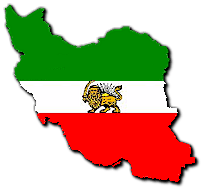


 اخبار مربوط به زندانیان سیاسی و نقض حقوق بشر


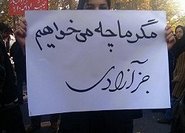


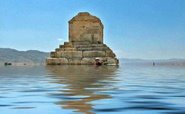



 Tulips in Holland