LONDON (AFP) – Britain and the United States clung to the belief that the shah of Iran would remain in power until shortly before the Islamic revolution, newly declassified documents from 1978 revealed Tuesday.Officials thought Mohammad Reza Pahlavi would continue to rule in some form up to the final weeks of 1978, in spite of violence, protests and the increasing influence of Ayatollah Ruhollah Khomeini.The shah left Iran in January 1979 and later Khomeini became supreme leader of the Islamic republic, the creation of which was one of the key events in 20th century Middle Eastern history. "It is not so much that the regime is in danger; more that their car has bogged down in soft ground and it is difficult to see how they are going to pick up speed again," wrote Britain's then ambassador to Tehran Sir Anthony Parsons in May 1978. A US official said in September that year that it was "more likely than not that the shah could weather the next period. It was not in his nature to throw in the sponge." The Western powers' views were revealed in files released by the National Archives in London under laws which allow official papers to be made public after 30 years. Parsons kept London updated on the situation in Iran throughout 1978 in a series of messages. In one of the longest, on May 10, 1978, he said he did not think there was a serious risk of the shah being overthrown and dismissed the influence of religious leaders. "The religious leadership... thunder from the mosques about the destruction of traditional Islamic and Iranian values by the blind adoption of Western customs, Western technology and so on," Parsons wrote. Speaking of the opposition more generally, he added: "I do not believe that this conjuncture poses a threat to the present shah's regime." A briefing from Britain's Tehran mission to the Foreign Office on August 29 added that "the Islamic church as such has no real interest in seeing the Pahlavi regime overthrown when the complexion of any alternative is so uncertain." On September 8, Britain's ambassador to the United States Peter Jay sent a message to London indicating the US was not thinking in terms of the shah being deposed, either. Jay reported then US deputy secretary of state Warren Christopher had "confirmed US concern, though he saw the shah as given to pessimism and was not aware of anything really new." Eight days later, Parsons sent another note to London which an official annotated with a note of concern about the shah's "passivity and depression". Then British prime minister James Callaghan added: "Yes. But he can come back!" Amid more violence and the imposition of martial law in major cities, Callaghan later became more uncertain -- on October 24, he wrote on a report from Parsons: "On the basis of this, I wouldn't give much for the shah's chance." Intensifying unrest saw an attack on the British embassy in Tehran on November 5, 1978 which caused extensive damage. By November 20, Parsons was voicing "very little cause for optimism." "The only hope I can see at present is that, for reasons of exhaustion and general concern about a slide into total anarchy, the temper of the country may abate and Khomeini's simple anti-shah message decline in attraction," he added. In a letter to then US president Jimmy Carter on December 2, Callaghan said it was "impossible" to forecast whether the shah would cling on. But he predicted that if he did not, it would have the "gravest" implications "for our two countries, with their great stake in Iran, in particular". "It is only a minor consolation that continued chaos in the country or the emergence of an extreme government dominated by the religious right wing might create almost as many problems for the Soviet Union," Callaghan wrote. By December 7, Parsons was telling London that it was "increasingly difficult" to see the shah remaining, just a few days before Jay got in touch, quoting Carter as saying he "fully expected" him to retain power. On December 19, Parsons said it was "as difficult as ever to predict the outcome" and said the "only hope" for continuing the dynasty was for him to become a constitutional monarch and hand over to his son quickly. Britain finally advised its subjects to leave Iran on December 31 unless they had a compelling reason to remain, and the shah followed soon after, on January 16, 1979.
Alliance For democracy In Iran
IMPERIAL EMBLEM
PERSIA
Shahanshah Aryameher
S U N OF P E R S I A
Iranian Freedom Fighters UNITE
Thursday, January 01, 2009
Thursday, December 18, 2008
Hamvatan Original Video - Please watch this video
Dear friends, Due to some copyright Issues I have changed my video to private mode. Here is the link of the original video made by the song producer group. Please send this link for your friend too.
Original Video Link:
http://www.negah28.info/index.php?option=com_content&task=view&id=935&Itemid=35
Regards, ZinBish
Monday, December 08, 2008
The Right Approach to Iran? From a Regime Apologist
This week, Tehran-born author Hooman Majd talks to NOW's David Brancaccio about America's thorny relationship with Iran and how he thinks Obama should handle the problematic issue of Iran's nuclear program."I think the main issue for Americans, and certainly for the [Obama Administration,] is how do we persuade Iran to not take that step? We can't take the knowledge away from them anymore," says Majd, who grew up in American and Britain, but often returns to Iran.Iran has produced enough nuclear material to produce a nuclear bomb, according to a report released last month from the International Atomic Energy Agency.Although Iran denies that its nuclear program has military aspirations, it has called for wiping out the state of Israel. What's the best way forward with this unpredictable country in Middle East?
More from Hooman MajdBook Excerpt:"The Ayatollah Begs to Differ" by Hooman Majd.
Iran in the News - Chicago Tribune: Obama's Iran Opportunity
International Herald Tribune: Iran said to have enough nuclear fuel for one weaponUPI: Iranian military begins major training run
Monday, December 01, 2008
In The Name Of Freedom : By Ayatholah SayIred Hussain Kazemaini Brojerdy
به نام پروردگار بزرگ كه خالق و حافظ صلح است
سلام بر مصلحين جهان، اداي احترام ميكنم به ساحت مقدس كساني كه عمر شريفشان را صرف اصلاحات كردند، سر ميسايم بر تربت قربانيان جنايت و خشونت، از داخل سلولم بوسه بر لباني ميزنم كه حقوق بشر را دم ميزنند درودم را از بند پر دردم در زندان اوين در شمال تهران، پايتخت ايران، بپذيريد، روزگار سختي را سپري ميكنم، كه تمام دلخوشي من، ياري رساندن به صلح و همراهي با آزاديخواهان و همسوئي با مدافعين حقوق بشر است، تنها آفريدگارم ميداند كه طي چهارده سال، خدمتگزاري به صلح و آئين آزادگي چه كشيدم و چگونه عمرم را سپري نمودم، من از كودكي از ظلم تنفر داشتم و استبدادستيزي طنين ضربان قلبم بود و هرگز نتوانستم در برابر زورگوئيهاي صاحبان قدرت ساكت بنشينم و چشمانم را بر تبعيضخواهيها و آزاديكشيها ببندم و نالههاي انسان هاي بيپناه را نشنيده بگيرم، هميشه تشنه عدالت بودهام و با ديكتاتورها در نبرد پيوسته قرار داشتهام، من خدائي را ميپرستم كه پيامبران را به قهر و غضب نفرستاده باشد و حكمي در رعب و وحشت جامعه ارسال نكند، ديني را قبول دارم كه مردمنواز باشد و دستان مجريان شريف را براي خودكامگي باز نگذاشته باشد، من عدالت را روح اجتماع ميدانم، آنگاه كه روان بشريت پريشان گشت، ناامني سراسر زمين را فرا ميگيرد، من آزادي را جسم موجودات ميدانم، در صورت سلب آزادي از هر موجودي، كالبدش تباه ميگردد. اينجانب توجه به حقوق بشررا از اعظم خدمات حياتي ميدانم، انسان براي خلاصي از هر نوع اسارتي، آزادي لازم دارد، هركس با طرح هر قانوني، درصدد محو يا محدوديت براي آزادي باشد به حقيقت انسانيت جفا كرده و مستوجب طرد است، من، صلح را از باران براي مردم زمين، ضروريتر ميدانم، زندگي بدون آب را با عطوفت و مهرباني همنوعان ميتوان علاج نمود، من، حقكشيهاي رايج در ممالك را براي ابناء بشر از قحطي زشتتر ميدانم، زيرا كه در قهر طبيعت، بنيآدم مددكار يكديگر ميشوند و اين بلاياي طبيعي را تسكين ميدهند، اما در نقض حقوق طبيعي و فطري و خداداده انسان، قدرت اعتراض جمعي، ميشكند و توان رعيت براي احقاق حقش محو ميگردد. من تاريخ گذشته را نسبت به تضييع حقوق بشر، شرمآور ميدانم، آنجا كه حكام براي توسعهطلبي خود، از جان ملت ها مايه ميگذارند و آرامش خلق را به خاطر كشورگشائيهاي خويش،سلب ميكنند، خون هاي مظلومين را براي جاهطلبيهاي خود ميريزند و نسل ها را منقرض ميسازند تا به اغراض حيواني و ضد انساني خود برسند، جنگ هاي جهاني موجود بر تارك تاريخ را عصيان بر موجود برگزيده خداوند ميدانم و سياهيهاي پاكنشدني از جنايات آن را لكه ننگي بر دامن سياستمداران بيوجدان و دور از خدا ميدانم، من هرگز مذهبي را كه با زور و تفتيش عقايد و سلب آزاديهاي فكري راه پيشرفت را براي خود، مشروع ميداند باور ندارم، اينجانب،انسان را اشرف مخلوقات ميدانم و او را برگزيده الهي در هستي ميبينم و هرگونه تعرض به هويت و موجوديت و شخصيت و مالكيت او را خلاف اراده خداوندي ميدانم، انسان ها حاكمان بلامنازعه حكومت ها هستند و دولت ها، خدمتگزاران ايشان ميباشند، هر حاكمي كه قصد استثمار انساني را داشته باشد گمراه است و حق اشتغالات حكومتي را ندارد، استعمارگر در هر لباسي كه انگيزه چپاول و تعدي به بشريت داشته باشد، به همه آحاد انساني اعلام جنگ داده است. يچ تفاوتي در نژادها و رنگها و ملل كره زمين نميباشد و بني آدم، در هرآنچه كه از مدخل اين سياره خاكي به دست ميآيد، سهيم است، وجود گرسنگي در جهان، بي آبروئي ثروتمندان را به تاريخ مي برد و آن را به عنوان بيرحمي و بيوجداني، ثبت ميگرداند، تمام ملت هاي زمين بايد از امكانات طبيعي آب و خاك و هوا، بهرهبرداري كنند، زيادهخواهيها و توسعهطلبيها و امتيازگيري ها نشانه عدم قناعت و احتياط و اعتدال است و سبب بروز كينهها و عداوت ها ميشود و مردم بيگناه را تهديد به خونريزي ميگرداند لذا بايد از هرابزاري كه اسباب نبردها را فراهم ميآورد، اجتناب كرد، مقدمات جنگ در جبههگيريهاي خصومتآميز است، لذا بايد بين همه اقوام و اديان، پل هاي دوستي و محبت ساخت و روابط بينالمللي را برپايه حسن ظن و تكثير مودت و پرهيز از تحريكات اقليتي و جغرافيائي و مرزي و انساني، بنا نمود. من منادي صلح ميباشم و به خاطر آن جوانيم را تقديم خداوند كردهام، به عنوان يك آزاديخواه كه سالها به خاطر حرمت آزادي، تاوان سنگيني را در قرباني دادن از خانواده و فروپاشي زندگيم دادهام، خواهان دموكراسي در تمامي جهان هستم، و تفاوتي بين اديان مختلف آسماني و مذاهب الهي نميبينم، هرآئيني كه ما را به پروردگار جهان برساند، سعادتآفرين خواهد بود، سلاح هاي كشتار جمعي را ضديت با بشر ميدانم و بمب هاي هستهاي را عامل نابودي و انقراض انسان مييابم، مسابقه در توليد و تكثير و فروش اسلحه را مغاير با سلامت محيط زيست ميدانم و هرچه را كه باعث برهم خوردن آرامش انسان شود، محكوم ميكنم، بايد فرهنگسازي در جهان به گونهاي پيش رود كه نيازي به داشتن زندان نباشد، نبايد حكومت ها قوانيني وضع كنند كه باعث به زحمت افتادن مردم شود، ماليات ها و عوارض و جريمهها بايد در حد اعتدال و ميانه باشد و رعايت توانائي اقشار مردم در پس دادن و اداء آنها بشود، من از ايرانزمين به تمامي خادمين حقوق بشر، تواضع ميكنم و مناديان صلح را در آغوش مهرم ميفشارم، در حالي كه انجمن حمايت از حيوانات در چگونگي برخورد انسان با حيوان، نظارت دارد و آن را زير ذرهبين دارد، چگونه از حال بشر مظلوم و مفلوك در جايجاي اين كره، غافل ميشود؟ من در حالي كه سال ها قبل به خروج از كشورم دعوت و توصيه شده بودم اما به خاطر دلسوزي به هموطنانم و احساس نياز آنها به دفاع از حقوق مشروع و معقول و معروفشان همه خطرات موجود را به جان خريدم و حاضر به ترك ملتم نگشتم و اكنون در بدترين موقعيت امنيتي و تبليغي و روحي و خانوادگي، قرار دارم و از حال و روزم، مجامع بينالمللي آگاه هستند، در عين حال، زندان و تبعيد و آزار و فشار را به خاطر اهميت حقوق بشر و عظمت صلحجوئي تحمل ميكنم و خدا و تاريخ را به شهادت ميگيرم كه از آغاز حياتم، از ستمكاري پرهيز كردهام و عاشق خدمت به محرومان بودهام و از موقعيت هاي مهم خود در اعتلاي اجتماعي و علائق مردمي، سوء استفاده نكردم و در هنگام حمله نيروهاي مسلح حكومتي، همگان را دعوت به تسليم كردم و از مقابله با تهاجمات كه سبب خونريزي ميگشت، اجتناب نمودم، و حالا هم خود را يك فدائي صلح و مبلغ آزادي و مدافع حقوق بشر ميدانم و از مراكز تصميمگيرنده در اين امر ميخواهم تا مرا در پيشبرد اهداف مقدسم ياري كنند و مصونيتي در خور اين مسئوليت عطا نمايند.با سپاس سيد حسين كاظميني بروجردي ، تهران نامه آيت الله بروجردي به افکار عمومي پيش از تبعيد
Failure of Federalism for Iran -
Failure of Federalism for Iran - Sarbazan and Janbakhtegan Organization
Thursday November 27th, 2008 -
Federalism is a political system which allows each different states to join to one another and these different states would form a nation-state like United States of America which is made of 50 states and one District of Columbia.1 There is a reason for America to comprise of different states because it had lengthly battle against Britain, and on July 04th, 1776, it gained its independence. There is Canada which is composed of ten provinces, and three territories, and Canada too went through lengthly armed forces battle, as well as, political battle against Britain to become an independent nation, and it was on April 17th, 1982 Canada had its own act, but still her majesty Queen Elizabeth II was head of state of Canada. Obviously, the US and Canada shared same historical background as they struggled against Britain to become independent nations by unifying all different nations into one strong nations against Britain. Now, let's ponder these questions to better understand federalism in relation with Iran. Does Iran share or experience of any above historical event? Are Iranians struggling against one foreign entity? And who is enemy of Iran today? Answering all above questions in one short answer that Iran has been an independent nation since dawn of history, and enemy of Iran, today, is the theocratic regime in Iran. The aim of this paper is to explore concept of political culture of Iran, discussing current economic condition of Iran in relation with future of Iran, and formulating a strategy to integrate diverse ethnic groups into a mainstream of Iran. This paper will prove that federalism would not work for Iran.This portion of the paper is exploring concept of political culture of Iran. In first order of business, it is going to define concept of political culture which is going to give more in-depth understanding of intention of this paper. Political culture is defined as "values, beliefs, and attitudes that are the basis of political behavior. The political culture of a group of people composed of the memory of important historical events in the group's development and the symbols that crystallize the subjective meaning that their society has for them."2 Today's value and belief of Iranian are shaped by past experience, it goes back to Cyrus the Great who is founder of Iran, and his my mother was Mandana from Mede princess who married a Persian king, and labor of their union brought Cyrus the Great. Interestingly, name of Cyrus is "a non-Iranian name. More likely, however, is an Iranian origin related to kur, the word for son in Kurdish and Luri dialects. The mixture of cultural elements from Aryans and indigenous peoples is also shown in the dress of the Persians pictures on reliefs from Persepolis, where they wear robes like Elamites rather than trousers or boots as do the other Iranian peoples, including Medes."3 Therefore, diversity has been pinnacle point of Iran from the founder of Iran Cyrus the Great, and ethnic groups would mingle with one another in royal court, or on daily activities.Passing page of history in fast pace, and coming closer to Iran's contemporary history by looking at 1900's when Britain and Russia signed a treaty with each other, and divided Iran into two spheres of their own influence, as American lawyer William Morgan Shuster published a book "The Strangling of Persia" and Edward Granville Browne published books like "The Persian Revolution 1905-1909" and "The Letters From Tabriz", as the above books depicted a chilling historical events that how Iran was ransacked by Russia and Britain without mercy. In addition, Russia would supply Iranian separatist with arsenal in order to under mind the central authority, and Britain would supply souther separatist with arsenal in order to under mind the central authority. However, when Japan defeated Russia and Russia faced with Bolshevik Revolution of 1917. Russia lost control of Iran. Additionally, Britain was on shaky ground on Iraq, and was moving toward inevitable World War One, and it needed its army to defend its own sovereignty. It was during this global unrest that a man named Reza Mirpanj who stepped in political scene, and descended throne of Iran who saved Iran from hands of separatists. Once, Russia and Britain took a break from the World War One, they launched an assault on Iran, and forced His Imperial Majesty King of Kings Reza Pahlavi the Great abdicated the throne of Iran, and His Imperial Majesty, Light of Aryan, King of Kings Mohammad Reza Pahlavi descended the throne of Iran. Still, Russia and Britain engaged in "Great Game" with Iran by supplying separatists with arsenal and contributing to chaos in Iran. His Imperial Majesty, Light of Aryan, King of Kings Mohammad Reza Pahlavi used military tactic, as well as, international community to bring social order back to Iranian territory. Putting past experience beside and looking at current condition of reality which is looming on Iran that already Professor Bernard Lewis drafted a blue print to disintegrate Iran, as Iran would be divided among different ethnic groups.The above plan of Dr. Bernard Lewis is already in progress ad embraced by foreign entities which is according to record on June 31st, 2005 Foreign Minister of Canada Pierre Pettigrew met Iranian separatist from Province of Khuzestan Rafiq Abu-Sharif, who claimed that Province of Khuzestan was suppressed by Iran, and wanted to separate Province of Khuzestan from Iran.4 Also, former prime minister of Canada Paul Martin, and current Prime Minister of Canada Stephen Harper have met Rafiq Abu-Sharif, and all above meetings mean that forces are at work to disintegrate Iran, and needs to be taken seriously by all Iranian that future of Iran is at risk.There is a counter measure to prevent Iran from disintegration by internal and external forces as Iran's political culture is monarchy, a monarch as a head of state of Iran would bring unification among different ethnic groups under one umbrella of Iran. The above scenario for a monarch would be applicable, when a monarch is residing in Iran, and acting within guideline of constitution as a symbol of Iran while parliament or legislative body would take appropriate action for unity of Iran within guideline of constitutional law.This portion of the paper is discussing current economic condition of Iran in relation with future of Iran. The cleric regime's economic management has been equal to plundering Iran's wealth, and has been draining Iran's treasury, and left dry in front of sun thirsty. Consequently, there is no wealth distribution among subjects of Iran. In 2006, Export Development Canada reported 10% of Iran's elite population own 75% of Iran's wealth and 90% of population own 25% of Iran's wealth. The gap between elite of the society and rest of population is going to remain same. In past 20 years Iran's inflation rate is recorded between 12% to 18%, and in 2008 it was recorded 18%,5 and according to current data from International Monetary Fund has stated about the theocratic regime's inflation rate "monetary policy in Iran has not been successful in meeting the inflation and monetary targets set in the Five-Year Development Plans, owing mainly to the monetary impact of government spending out of oil revenue. Although the attainment of the inflation targets has improved somewhat recently, the objective of a gradual disinflation to single-digit levels has not been achieved. Moreover, the implicit intermediate target of monetary policy, money growth, has been systematically missed,"6 and the unemployment rate is "12.6%"7 where population is 70 million. There is daily occurrence in Iran as people put their body organs on auction in a black market or in a legal clinic in exchange for cash. Also, economic pressure is forcing ladies to engage in oldest profession in order to support their basic necessity of life for their families. The above grimes are reality today in Iran, and asking for this mega political structure of federalism for Iran which is relying on oil revenue to meet ends, it would be unfair and unjust cruelty toward 90% of population that owns 25% of Iran's wealth. It means to have fat cats sitting around parliaments and are taking high salaries in the name of democracy, and draining Iran's treasure, and leaving 90% of Iranian hanging dry in front of sun one more time. It would be unjust, and unacceptable.This portion of the paper is formulating a strategy to integrate diverse ethnic groups into a mainstream of Iran by allowing pressure groups to take part in political life in order to create balance of power in a civil society, and power of pressure groups has been proven beyond doubt during cold war as Henry Mintzberg mentioned "capitalism did not triumph at all, balance did. We in the West have been living in balance societies with strong private sectors, strong public sectors, and great strength in the sector between. The countries under communism were totally out of balance."8 Also, there are non-profit organization and non-governmental organization that they contributed to political life in the west,9 and would have influence on public policy.10 These pressure groups are engine behind a healthy civil society and would gear a nation toward a democracy. There is need to create a pluralism political system as political power is diminished among pressure groups, public servants, and elected members of parliament.11 There is absent of one voice rule, but to follow will of people, and people are determining their own future.12 There is no "power elite that dominates the decision making process; rather there is a plurality of participants involved in the process. Success in influencing government decision making depends not only on access to such resources as money and expertise but also on a determination to have one's voice heard."13 In case, there is a federalist system in Iran, eventually, Libertarian school of thought would emerge on surface as a strong voice against this mega system of federalism to cut back on government spending. This school of thought would view "big government is a threat to freedom and economic prosperity," 14 and government needs to cut back on its programs in order to reduce taxes in order to have balance budget.15 Obviously, government would become like a virtual-government model like United Kingdom, United States of America and New Zealand,16 and multinational corporates would decide on public policy.17 Coming to this natural conclusion, if such above reality would occur in Iran by implementing a federalist system, as government would be eliminated by multinational corporates of region, and multinational corporates would push away pressure groups from their path on public policy. Consequently, Iran is marching toward its demise of civil unrest since wealthy province is unwilling to share its regional revenue with other region. However, in case by not having a federalist system, pressure groups would become political actors and would influence on public policy, and would respond to need of their communities as member of each community would begin to integrate into a mainstream society, and would not create an alienation of people who are citizen of one nation. As a result, it is justifiable to be concern about future of Iran, in case, it implements federalism as a political system, Iran is marching directly toward civil war and disintegration of Iran among ethnic groups, and already internal and external forces are working to disintegrate Iran among diverse ethnic groups. Today, 90% of Iranians are under economic pressure and there are families that they having tough times to put one meal on table for their families, this 90% is composed of different ethnic backgrounds, and it does not indicate which particular ethnic group is suffering more than other ethnic groups. Otherwise, it would be reasonable to claim that such ethnicity suffered more than others at hands of other ethnic groups. There is one fact which is standing-out clearly that the cleric who claim to be from line of Prophet Muhammad, and according to history, they invaded Iran during seventh century to plunder Iran' wealth, and today same people with their associates like Revolutionary Guard and Besij are enjoying lucrative 75% of Iran's wealth. This minority group has been suppressing all Iranians since 1979. So, enemy is the regime, and not diversity of Iran. Moreover, future of Iran needs to have diversity of political actors, and not political leaders to shape public policy, and in case federalism would be implemented as a political system in Iran, government would march toward a virtual government and multinational corporate of each region would influence on public policy. Obviously each region with stronger financial background would dominate political scene as others would face less influence in public policy. Consequently, it would lead Iran toward civil war so other region would become independent from other region.The bottom line, the federalist system may work in one country, but not for Iran because Iran's political culture is way different than other nations. Let's reduce unemployment rate, reducing inflation rate, and making sure Iran would move toward peace and prosperity.
Payandeh Iran/Long Live Iran - Copyright © 2008 Sarbazan and Janbakhtegan Organization - Copyright infringement shall be subject to prosecution.
Bibliography- Ghani, Reza. Iran and the Rise of Reza Shah: From Qajar collapse to Pahlavi Power. NY, NY: I.B. Tauris. 2000 - Frye N. Richard. The Golden Age of Persia. Great Britain: A Phoenix Press Paperback. 2003
1The World Factbook <https://www.cia.gov/library/publications/the-world-factbook/print/us.html> 27 November 2008 -2Brym J. Robert. New Society: Sociology for the 21st Century. TO, ON: Harcourt Brace & Company Canada Ltd. 1995. PG 18.20 -3Frye N. Richard. The Heritage of Persia. Costa Mesa, CA: Mazda Publishers Inc. 2004. PG 92-4The Bernard Lewis Project<http://www.rozanehmagazine.com/NoveDec05/AZPartVI.html> 27 November 2008-5index mundi <http://www.indexmundi.com/iran/inflation_rate_(consumer_prices).html> 27 November 2008-6IMF <http://www.imf.org/external/pubs/ft/wp/2007/wp07119.pdf> 27 November 2008-7IMF -htttp://www.imf.org/external/pubs/ft/scr/2007/cr07100.pdf> 27 November 2008 -8Mintzberg, Henry. Managing Government. President and Fellows of Harvard College: 1996. PG 75-9Mintzberg, Henry. Managing Government. President and Fellows of Harvard College: 1996. PG 76-10Kenneth Kernaghan, David Siegel. Public Administration. Fourth Edition. Toronto: International Thomson Publishing. 1999. PG 484-11Kenneth Kernaghan, David Siegel. Public Administration. Fourth Edition. Toronto: International Thomson Publishing. 1999. PG 30-12Kenneth Kernaghan, David Siegel. Public Administration. Fourth Edition. Toronto: International Thomson Publishing. 1999. PG 30-13Kenneth Kernaghan, David Siegel. Public Administration. Fourth Edition. Toronto: International Thomson Publishing. 1999. PG 30-14Kenneth Kernaghan, David Siegel. Public Administration. Fourth Edition. Toronto: International Thomson Publishing. 1999. PG 36-15Kenneth Kernaghan, David Siegel. Public Administration. Fourth Edition. Toronto: International Thomson Publishing. 1999. PG 36-16Mintzberg, Henry. Managing Government. President and Fellows of Harvard College: 1996. PG 81-17Mintzberg, Henry. Managing Government. President and Fellows of Harvard College: 1996. PG 81
Sarbazan and Janbakhtegan - Organization for Support of the Families of the Unsung Hero's Members of the Imperial Iranian Armed Forces - www.sarbazan.com, Private: shneshat@aol.com, Office: primmortalguard@gmail.com - P.O. Box 16166 Beverly Hills, CA 90209, US
Sunday, November 30, 2008
Thursday, November 27, 2008
The Devil We Know
Organization for Support of the Families of the Unsung Hero's Members of the Imperial Iranian Armed Forces - http://www.sarbazan.com/, Private: shneshat@aol.com, Office: sshneshat@yahoo.com, and primmortalguard@yahoo.com. P.O. Box 16166 Beverly Hills, CA 90209, US
---------------------------------------------------------------------------------------------
IN THE NAME OF MY FATHER
---------------------------------------------------------------------------------------------
Saturday November 22nd, 2008 - Book Review
Book title: The Devil We Know: Dealing with the New Iranian Superpower- Published: 2008
Publisher: United States by Crown Publishers
Author: Robert Baer ; This author made below remarks which makes his credentials as a Central Intelligence Agency officer questionable.
1. This author on prologue section page 1 claimed that in 1978 he was 24 years old young man and was on his way to India, as he had short stop in Iran, Tehran during Marshall laws. This author alleged that “the kamikaze taxi driver who drove me into Tehran from the airport that night taught me my first lesson: Iranians can't drive. The way he swoop and darted between the army patrols, I was convinced he was trying to draw fire. And was it legal to drive down the sidewalk to get around traffic?” Input: This sidewalk needed to be wide enough as well as accessible for a moving vehicle to drive on it because there is a big gap between road and sidewalk, and the author's statement would be impossible to do so since there is no such a sidewalk in Iran. 2. This author on page 55 alleged that “in October 2000, Ayatollah Khamenei, Ayatollah Khomeini's successor as supreme leader-the only real executive power in Iran-made it clear what the victory in Lebanon meant for Iran. It was during a secret address to Iran's National Security Council. After the usual long preamble, larded with quotations from the Koran, Khamenei put both hands on the conference table.” Input: Since he is an intelligent officer, he is required due to nature of his work to be detail orient, and should know that Khamenei's right hand is immobile. As a result, there are cloud of doubts looming on the book as how truthful is this author with his readers. This author contradicts himself on major points as follow.
1. This author on page 10 asserted that “and it wasn't as if the Iranian government could not close down the opium dens if it wanted to. Iran is a police state. Every day I drove around Tehran, or walked around the streets and bazaars, I was stopped and my papers checked.” On page 77 this author claimed that “Iran is not a totalitarian state run by “Islamofascists” who believe they're in some quixotic war with the West.” Input: Police state and totalitarian state shared same meaning as a state controls every fabric of a society, as this author experienced in Iran under rule of the mullah in Iran.
2. This author on page 207 claimed that “since 9/11, without any evidence, these people have tried to make the case that Muslims intend to infiltrate the United States, bring down from inside, and convert us to Islam.” On page 230-231 this author was talking with Muhammad British-Pakistani born who made a remark about 7/7 which was the way to go and “accept Allah's law,” he said. “End of story. Accept Allah's law and I think you'll have a peaceful life.” In other words, we either convert to Islam or die.” Input: There is a reality that Muslims are planning to convert Western nations to Islam or they have to die. Author's theory frame work for the cleric regime in Iran:
1. This author was working on theory of green belt or green crescent which was orchestra by former democrat president Jimmy Carter to contain communism in the region. As this author claimed that the cleric regime in Iran has infiltrated in Afghanistan, Lebanon, Palestine and Iraq and the regime in Iran was in charge of the situation in the region. Also, Turkey was under spill of the regime too but not as strongly as other region. As a result, the cleric regime in Iran is a superpower. This author lacked understanding the term superpower which means a state is in leading position in the international system and has ability to influence on international events. Current regime in Iran is not able to control international event, and has been struggling about its nuclear programs. The regime in Iran is not a great power either which would have economic, military, diplomatic and cultural strength. The current regime in Iran is a rouge state, which is an authoritarian regime, absent of human rights, and seeking weapon of mass destruction.
2. This author was claiming that the regime in Iran is no longer relying on terrorism to advance its interest. However, the cleric regime has been targeting Iranian dissidents and have been murdering them around the world.
3. This author on page 15 claimed that the US do not understand the regime in Iran because of Iranian dissidents are lobbying the White House and the White House does not have clear understanding of Iran. According to the record, so far element of the cleric regime on individual base or as a council like National Iranian American Council had opportunity to meet senior staffs and elected politicians, and to mislead the White House and not Iranian dissidents.
4. This author is working on fear tactic that price of oil on rise and on page 198 this author says it is in best interest of the US to negotiate with the regime in Iran. However, he does not provide any information or strategy how to negotiate with the regime in Iran. Author was bias toward Iran: 1. On page 9, this author claimed that there was no moral police officers in Iran. However, the regime has moral police officers who are enforcing Islamic dress code in Iran. 2. On page 104, this author wrote “the Iranians understand perfectly that the only reason we care about that miserable body of water called the Persian Gulf.” Input: This author is hostile toward Iranian identity.
3. This author claimed that during Iran-Iraq War youths were not given keys to paradise and asked to rush at enemy front and die. The key was a symbol of martyrdom. However, the regime gave the youth the keys and told them that these were keys to paradise. Validity of information: This author used, on page 143, statics about unemployment rate in Iran, and other data that it was unclear where the numbers were extracted from. Last, he alleged when in 1700's England's warship moved to Persian Gulf, this body of water was called Gulf and not Persian Gulf. The above claim was not reference from any source of information. The bottom line, this book does not have any kind of academic merit, and it tries to claim that the regime in Iran is a superpower and the US needs to negotiate and accept the regime in Tehran as a power. However, this author's theory lacks understanding proper meaning of political terms that the regime in Iran is a rouge state and not a superpower.
Payandeh Iran/Long Live Iran
Copyright © 2008 Sarbazan and Janbakhtegan Organization - Copyright infringement shall be subject to prosecution
Permission granted to this web logger to post this article on the : http://bahrameradblg.blogspot.com/ - File number: 11-26-08/01
Wednesday, November 26, 2008
Elections in Iran : From Mossadegh to Ahmadinejad
In the past as today, an occidental lobby has always tried to persuade the world that a kind of democracy would exist in Iran, the choices of the designated regime and the members, who consist in, would be only the wish of the Iranian people. In the past, at “blessed” time of Dr Mossadegh, we used to say that the Iranian people elected their nationalist leader, a personality democratically designated and overthrew by the “evil Shah”. But what was the reality? In the late 40’s, 80 % of Iranian population lived in rural areas (based on the census data extrapolation from 1936 to 1956). The peasants were bound to their lands and suffered in the facts from a serfdom regime, which has been abolished in 1963 by the same “evil Shah”. The “nationalist Dr Mossadegh”, also known as “Mossadegh-ol-Saltaneh” (Qajar Prince), was one of the most important landlords in Iran. He practised the serfdom and grew in wealth like his fellows during the famines of 1910’s (he was then 40 years old). These artificial famines were recurrent during the second part of XIX century (under Qajar reign) and stopped when Reza Shah took the power(Another “evil man” from the occident considerations). These famines, artificially maintained by the cereal speculators (such as the last Qajar king, Ahmad Shah, and the high clergy), reduced by half the Iranian population and transformed a prosperous country into one of the most miserable and poorest country in the world. Although having voting rights (granted by the constitution of 1906), the peasants did not vote, or when they did, they voted according to their Master’s instructions (the princes and the clergy). That is why the members of the Iranian National Assembly (the mejliss) were mainly consisted of important landlords (princes or mullahs) opposed to Pahlavis who were considered as annoying in their plans to have control over the richness of Iran.From the 20% remaining citizens, the half (the women) did not have voting right. They gained it only in 1963, granted again by the Shah against the alliance of the feudality and the clergy. (The clergy was also one of the most important owners of lands in Iran). Before 1963 and the Shah’s reforms, at last, only 10% of the population (any age) was capable to vote, even though, the participation was not so high that we could suppose. In 1951, Mossadegh, “our nationalist leader”, shared this poor electorate with the communists, the pro-palahvis, and the other political tendencies and was only representative at most of 3% of the Iranian population. In this context, talking about democracy would be abusive. Even if the sociological organization of Iran is nowadays very different, the same phenomenon is persisting, which means the non-representation of the electoral results. In fact, the peasantry does not represent 80% anymore but 20% of the overall population and, moreover, owns their own lands (thanks to the Shah who has abolished the feudality and the serfdom). This peasantry is now educated, (always thanks to the reformed fought by the clergy) and has the voting right, in the texts as in the facts. It is true to say that the women have also the voting right. But for whom can we vote in Iran? The occidental military-industrial lobby (which owns the press, at least in France) is favorable to the mullah’s regime and put forward the pretext of having elections as a proof of democratic political life in Iran. Except the journalists who want to preserve their job, and the experts who want to stay in the favor of this lobby, intellectuals perpetuate a misunderstood without being the direct beneficiaries of this system? (unless if they are attracted by a press career). But can we talk about democracy when the freedom of speech, the freedom of meeting, the freedom to create a political party and the freedom to run for elections are missing? The Iranians don’t vote anymore and those they do, it is only for having updated authority stamps on their identity card, avoiding by that to be annoyed in administrative tasks. The stir around elections in Iran seems to be, in these conditions, obscene and not appropriated.
Thursday, November 20, 2008
اوج فحشا /سکس کس کشی و دختران جنده رفسنجانی slut daughter
slut daughter
سازمان افسران حزب توده، دکترمصدّق و ... (بخش پایانی)
علی میرفطروس
سازمان افسران حزب توده،دکترمصدّق و رویداد 28 مرداد32 (بخش پایانی)
*بابک امیر خسروی(عضو کمیتهء مرکزی حزب توده): با اطمينان میتوان گفت كه در تاريخ جنبشهای سياسی در جهان، هرگز هيچ حزب و سازمان سياسی سراغ نداريم كه توانسته باشد آن همه افسر را در يك حزب غير قانونی با ايدئولوژی كمونيستی گرد آورده باشد.
*ستوان مهاجرانی(عضو سازمان افسران حزب توده ومحافظ مخصوص سرلشکر زاهدی):« بعضی اوقات جلسهء هيأت وزيران در باغی ـ در قيطريه ـ تشكيل میشد كه همگی در فضای باز،دُور ميزی مینشستند و من روی تپّهای كه مُشرف به باغ بود، پشت مسلسل موضعگيری كرده و هيأت وزيران و نخستوزير(سرلشکرزاهدی) در تيررس ِ آتش ِ من بودند. و يا اينكه در سفری كه زاهدی به اصفهان داشت، هنگام شب در منزل كازرونی بيتوته كرد و من تا صبح ، سلاح در دست، پُشت اطاق ِ خوابش كشيك میدادم».
اشاره:
نقش حزب توده و خصوصاً سازمان افسران آن در جریانات منجر به 28 مرداد 32 از نکات بسیار مهم و در عین حال مبهمی است که هنوز بطور شایسته به آن پرداخته نشده .نگارنده در کتاب «دکترمحمّد مصدّق؛آسیب شناسی یک شکست» به گوشه هائی از این مسئله پرداخته است.بعبارت دیگر: یکی از محوری ترین یا مهمّ ترین بخش های این کتاب، توجهء نویسنده به نیروی حیرت انگیز «سازمان افسران حزب توده» و نقش آن در رویدادهای 25-28 مرداد 32 می باشد (از جمله دستگیری غیر منتظرهء سرهنگ نصیری توسّط یکی از اعضای «سازمان افسران حزب توده» بهنگام ابلاغ فرمان شاه مبنی برعزل مصدّق و نیز، تهیّه و تکمیل نقشه ها و کروکی های پادگان های مهمّ تهران برای یک کودتای احتمالی).
نگارنده، در بخش ِ «نقش و نقشهء دیگر ِ مصدّق در 28 مرداد »، نشان می دهد که دکتر مصدّق - با هوشیاری، خِرَدمندی و وطن پرستی بسیار – پس از دیدار با هندرسون(سفیر آمریکا ) ، ضمن خالی کردن میدان در روز28مرداد32 ، انتصاب خواهر زادهء خود (سرتیپ محمّد دفتری) به سِمتِ رئیس شهربانی کل کشور و نیز فرماندار نظامی تهران، و با فراخواندن هواداران خود برای تَرک تهران یا ماندن در خانه های شان در روز 28 مرداد، و یا با انفعال و عدم درخواست کمکِ مردمی از طریق رادیو (با وجود اصرار و پافشاری دکتر فاطمی و دیگر یاران مصدّق)، کوشید تا ایران را از یک جنگ داخلی برَهانَد و یا از افتادن ایران به چنگ ِ«سپاه عظیم و رزم دیدهء توده ای ها» (بقول بابک امیر خسروی) جلوگیری کند و......
در زیر،بخش پایانی مربوط به سازمان افسران حزب توده و قدرت حیرت انگیز آن در آستانهء رویداد 28مرداد 32را می خوانیم.
بابك امير خسروی (عضو كميتهء مركزی حزب توده) كه از سازمان افسران حزب توده بعنوان «سپاه ِ عظيم و رزمديدهء تودهایها» ياد میكند1، ضمن گزارش دقيق و مفصّل خود مینويسد:
«تقسيمبندی افسران حزب توده به رستههائی چون هوائی، توپخانه، سوار، پياده، ژاندارمری، شهربانی، دانشجوی افسری و... بيانگر آنست كه حزب توده در همهء اركان و زوايای ارتش ـ حتّی در گارد جاويدان شاهی ـ رخنه كرده بود. آنچه واقعاً اهميـّت دارد، بررسی اين امر است كه پُشت ِ سر ِ اين ارقام: 125 افسر توپخانه، 180 افسر پياده، 59 افسر شهربانی و غيره، چه مقدار تانك و نيروی زرهي و امكانات فرماندهی و مواضع حسّاس و اطّلاعاتی نهفته بود... با اطمينان میتوان گفت كه در تاريخ جنبشهای سياسی در جهان، هرگز هيچ حزب و سازمان سياسی سراغ نداريم كه توانسته باشد آن همه افسر را در يك حزب غير قانونی با ايدئولوژی كمونيستی گرد آورده باشد... سازمان افسران از يك جهت، واقعاً افسانه بود، البتّه نه به معنای قصّه و داستان بلكه به علّت امكانات و قدرتِ واقعاً فوقالعاده و باورنكردنیاش به افسانهای حماسی میماند. وقتی سازمان (افسران) كشف شد، حتّی تودهایها را به حيرت انداخت... درصد قابل توجـّهی از افسران جوان رزمی، فرماندهان تانكهای «شرمن» به اضافهء برخی فرماندهان ردهء بالاترِ ارابهء جنگی، از اعضاء سازمان افسری بودند...»2
فريدون آذرنور (از افسران بلندپايهء سازمان) مینويسد:
«تمام 243 عضو سازمان افسران در تهران، در روز 28 مرداد در انتظار دستور از بالا بودند كه وارد عمل شوند. در بين آنها، 29 افسر هوائي، 7 افسر توپخانه، 9 افسر سوار، 17 افسر پياده، 25 افسر مهندس، 23 افسر ژاندارمری بودند كه هركدام متناسب با وضع شغلی، امكانات خود را داشتند و...». سرگرد آذرنور توضيح میدهد:
«دربارهء نقش افسران شهربانی ِ عضو سازمان كه هركدام از آنها منشاء عمليـّات مهـّم شدند و غالباً موقعيـّت ممتازی داشتند، تاكنون سكوت شده است. تعداد آنها در تهران 24 نفر و در تمام كشور 47 نفر بود. دو نمونهای كه از نزديك با آنها آشنا شدهام بيان میكنم: مثلاً سروان جواد درميشيان ـ يكی از اعضاء سابقهدار سازمان نظامی(حزب توده) و رئيس كلانتری ناحيهء شاپور (سبزه ميدان) دارای نفوذ فراوانی بر رو ی شعبان بیمخ بود كه دستورات او را كودكانه اجرا میكرد، و يا تظاهرات اوباش در ناحيهء 10 صورت میگرفت كه رياست آن به عهدهء سروان جواد صادقی ـ يكی از افسران با اتوريته، قدرت فرماندهی و مديريـّت استثنائی ـ بود كه علاوه بر عضويـّت فعـّال در سازمان افسران، يكی از طرفداران و ارادتمندان پر و پا قرص دكتر مصدّق بود».
فرماندهی تانكهای مستقر در اطراف منزل نخستوزير به عهدهء علی اشرف شجاعيان (عضو سازمان افسران حزب توده) بود. سرهنگ ممتاز در بارهء او ميگويد: «شجاعيان روز 28 مرداد، حماسه آفريد، در حالی كه زخمی شده بود، با تانك ِ خود تا آخرين گلوله جنگيد و تلفات سنگينی بر مزدوران شاهنشاهی وارد ساخت».3
ستوان يكم ايرج ايروانی عضو سازمان افسران حزب توده، فرماندهی بخشی از تانك را بر عهده داشت. وی روز 28 مرداد، بدون اينكه دستوری از حزب دريافت كند، در خيابانهای تهران سرگردان بود و عاقبت، وقتی كار ِ آشوبگران بالا گرفت، تانك او نيز در خدمت كودتاچيان قرار میگيرد و در يورش به خانهء مصدّق به كار میرود.
فريدون آذرنور (كه در آن ايـّام مسئول ايالتی سازمان افسری در آذربايجان بود) در سخن از طرح تدارك قيام مسلّحانه در تبريز مینويسد:
«سازمان افسران میتوانست با كمك 500 تودهای زُبده، با چند عمليات هماهنگ، تبريز را بطور كامل تسخير كند». وی توضيح میدهد كه اين تعهـّد سنگين بر اين اساس به عمل آمده بود كه از يك گردان مستقل توپخانهء 105 كوتاه آمريكائی كه از 4 آتشبار تشكيل میشد، سه نفر از فرماندهان از جمله ستوان يكم توپخانه كريم زندوانی، عضو سازمان افسری بودند و نفر چهارم افسر به كلّی بيطرفی بود. از يگانه هنگ رزمی در تبريز، چهار فرمانده گروهان، از جمله گروهان مأمور دژبان شهر (سروان پياده حسن سديدی و حسين زاده صديقی) و فرودگاه، فرمانده واحد كوماندو (سرگرد فريدون آذرنور)، واحد زرهپوش هنگ را رفيق ما سروان محمد صادق دلير آذر فرماندهی می كردند. فرماندهء ارابههای جنگی از هواخواهان ما و معاون دژبان كه افسر بانفوذی در شهر و درعين حال فرماندهء واحد دژبان، عضو سازمان افسری بودند. فرمانده گروهان مهندسی لشكر (سروان مهندس ابوالقاسم اويسی) و سه نفر از افسران شهربانی از جمله ستوان يكم عبـّاس افراخته و مقدّم ـ رئيس رمز شهربانی ـ عضو سازمان افسری بودند و دو نفر ديگر هركدام بنوبه، از مسئولين نگهبانی زندانيانی بودند كه تسليح 450 زندانی ِ فرقه [منظور زندانيان فرقهء دموكرات آذربايجان پس از شكست آن در آذر 1325 است] و آماده نمودن ِ آنها برای هرگونه عمليـّاتی بعهدهء آنان بود. چهار نفر از افسران كادر فرماندهی نيز جزو اعضای آزمايشی و يا هوادار ِ(سازمان افسران حزب توده) بودند».4
آذرنور سپس اطّلاعات كوتاهی در مورد لشكر اروميه ميدهد:
«اضافه بر فرماندهان واحدهای كوچك ـ كه اغلب آنها عضو سازمان افسری حزب توده بودند ـ میتوان سرهنگٍ ستاد صديق يحيوی (فرماندهء هنگ سوار و پادگان سلماس)، سرگرد يعقوبی (فرماندهء گُردان و پادگان قرهتپه)، سرهنگ دوّم صالح نجات (فرماندهء هنگ پيادهء رزمی اروميه) و سرهنگ جاويد (رئيس ركن 2 لشكر رضائيه و آجودان مخصوص شاه) را نام برد...»5
سروان محمـّد جعفر محمـّدی در تأييد نظر سرگرد آذرنور بر نيرومندی سازمان افسری، چند مورد ديگر را كه خود بر آنها آگاهی دارد، میافزايد. سروان محمـّدی مي نويسد:
«چهار نفر از افسران سازمان با درجات سرهنگ دوّم پياده (فتحالله پهلوان)، سرگرد پياده (عنايتالله پهلوان)، ستوان يكم توپخانه (قدرتالله پهلوان) و ستوان يكم هوائی (كامبيز دادستان) از خاندان سلطنتي بودند. سروان مهدی همايوني (از گارد سلطنتی شاه) از افراد نفوذی در ميان كودتاچيان بود... سروان پولاد دژ، از افسران برجستهء ركن دو (اطلاعات) و از همكاران نزديك سرتيپ تيمور بختيار و بسيار مورد اعتماد و مُشير و مُشار او بود... ستوان يكم عبدالله مهاجرانی از اعضاء سازمان افسری با واحد تحت فرماندهیاش، محافظ سرلشكر زاهدی كه خودِ او را اسكورت میكرد. مهاجرانی پس از لو رفتن سازمان، در زندان میگفت:
«هر موقع زاهدی میخواست بخوابد، مرا صدا میكرد و میگفت: عبدالله من نياز دارم دو سه ساعتی استراحت كنم، تو آماده هستي؟ و من جواب میدادم: «بخواب تيمسار! راحت باش!»... و تيمسار با آرامش كامل بخواب میرفت و من روی صندلی پشت اتاق او تا ساعت بيداریاش مینشستم و از او مراقبت میكردم»6
هنگامی كه زاهدی همراه با اسكورتش به اصفهان رفته بود، ليست افسران سازمان نظامی كشف میشود كه نام عبدالله مهاجرانی نيز در شمار ِآنها بود. از تهران به اصفهان تلگرافی دستور داده میشود عبدالله مهاجرانی بازداشت شود. زاهدی متوحّش میشود و تصـّور میكند عليه او كودتائی رخ داده است از بازداشت عبدالله جلوگيری ميیكند. سپس از تهران تلگراف حضوری میشود و زاهدی در تلگرافخانه حضور میيابد و از جريان دستيابی به دفتر رمز اسامی افسران سازمان نظامی آگاه میشود كه نام عبدالله مهاجرانی نيز در آن ثبت بود. همان دَم از عبدالله سئوال میكند جريان چيست، دستور بازداشت تو را میدهند؟ اگر چيزی هست الآن بگو تا كمكت كنم. عبدالله جواب میدهد: «تيمسار! من در هيچ جريان و سازمانی نيستم، سوءتفاهم است برطرف میشود». 7
ستوان مهاجرانی، بازداشت و روانهء زندان میشود... او در دادگاه به حبس ابد محكوم شد و پس از 5 سال از زندان آزاد گرديد و به تلافی ِ تيری كه در مغز زاهدی شليك نكرده بود، به سفارش اردشير زاهدی، در سازمان امور استخدامی كشور، استخدام و در پايان، بازنشسته میشود. ستوان يكم مهاجرانی، خود میگويد:
ـ «تقريباً يك ماه بعد از 28 مرداد با يك دسته از ژاندارمری، مأمور حفاظت سرلشكر زاهدی شدم. ولی محافظين نخستوزير كودتا از سه نيرو تأمين میشدند: لشكر گارد، شهربانی و ژاندارمری. من موقعی كه زاهدی در باشگاه افسران مستقر شده بود مأمور انجام آن شدم. سازمان نظامی از مأموريت من باخبر بود، بخاطر ندارم كه در بارهء ترور زاهدی به سازمان نظامی مطلبی گفته باشم. لكن با ايمانی كه به هدف خود و حزب داشتم، اگر دستوری در اين مورد میرسيد اجرا میكردم. مثلاً: بعضی اوقات جلسهء هيأت وزيران در باغی ـ در قيطريه ـ تشكيل میشد كه همگی در فضای باز،دور ميزی مینشستند و من روی تپّهای كه مُشرف به باغ بود، پشت مسلسل موضعگيری كرده و هيأت وزيران و نخستوزير در تيررس ِ آتش ِ من بودند.... و يا اينكه در سفری كه زاهدی به اصفهان داشت، هنگام شب در منزل كازرونی بيتوته كرد و من تا صبح با سلاح در دست، پشت اطاق خوابش كشيك میدادم»8
در برابر ِ اين «سپاه ِعظيم و رزم ديدهء تودهایها»، دكتر مصدّق ـ بعنوان وزير دفاع ـ بخاطر عدم ارتباط با بدنهء ارتش ـ در بیاطلاعی يا بیخيالی حيرتانگيزی، با طعنه و تمسخر، به شاه گفته بود:
ـ «حزب توده حتّی يك تفنگ هم نداشت تا چه رسد به تانك [لذا] پناهندگی شاهنشاه در كلاردشت (رامسر) از ترس يك عده كمونيست ِ بیاسلحه و تانك، حاكی از كمال تهـّور و شهامت بود!»9
زیرنویس ها:
1- امیر خسروی،ص743
2- امیرخسروی،صص709- 710
3- امیرخسروی،صص711 و 712
4- امیرخسروی،صص712 و 713
5- اميرخسروی،ص713
6- امیرخسروی،ص715
7- امیرخسروی،ص715
8- امیرخسروی،ص716
9- خاطرات،379
http://www.mirfetros.com
Sunday, November 16, 2008
“Iranian Strategy in Iraq: Politics and ‘Other Means.’”
Iran to Hold Conference on What Obama MeansABC News - USAABC News' Lara Setrakian brings my attention to Iranian Television reports that the government of Iran is planning on holding a conference entitled "Barack ...
http://www.vidoosh.tv/play.php?vid=2044
2. http://www.vidoosh.tv/play.php?vid=2109
http://peymanmeli.org/glory6.asp
http://peymanmeli.org/glory5.asp
http://peymanmeli.org/glory4.asp
http://peymanmeli.org/glory3.asp
http://peymanmeli.org/GloryofPrpls.asp This page describes the wonder of 100 Column Palace in Persepolis that perhaps not read anywhere else
Joseph Felter and Brian Fishman
ctc.usma.edu/Iran_Iraq/CTC_Iran_Iraq_Final.pdf - Similar pages
Documents detail Iranian training of Iraqi militias
22 Oct 2008 ... Joseph Felter and Brian Fishman in Iraq. They co-authored the report “Iranian Strategy in Iraq: Politics and ‘Other Means.’”...news-service.stanford.edu/news/2008/october22/iran-102208.html - 17k - Cached - Similar pages
Iranian Strategy in Iraq: Politics and 'other means' - Council on ...
Authors:. Joseph Felter. Brian Fishman ... reports, and interviews that explain the Iranian strategy and provide both the historical context and the ...www.cfr.org/publication/17561/ - 18k - Cached - Similar pages
Iranian Strategy In Iraq- CTC Occasional Paper - World Affairs Board
11 posts - 7 authors - Last post: 30 OctCompiled by Joseph Felter and Brian Fishman, this report goes far and, ... Iranian Strategy In Iraq- Politics and "Other Means"- CTC ...www.worldaffairsboard.com/showthread.php?t=47430 - 98k - Cached - Similar pages
US Labor Against the War : Iranian Strategy in Iraq: Politics and ...
24 Oct 2008 ... Iranian Strategy in Iraq: Politics and "Other Means" by Joseph Felter and Brian Fishman, Combating Terrorism Center at West Point ...www.uslaboragainstwar.org/article.php?id=17430 - 28k - Cached - Similar pages
Iranian Strategy in Iraq: Politics and "Other Means"
21 Oct 2008 ... Iranian Strategy in Iraq: Politics and "Other Means" ... Terrorism Center at West Point ^ 13 OCt 2008 Joseph Felter and Brian Fishman ...www.freerepublic.com/focus/f-news/2111054/posts - 9k - Cached - Similar pages
New Report Details Iran’s Dual Strategy in Iraq theTrumpet.com
Joseph Felter, a Special Forces veteran and national security affairs fellow at the Hoover Institution at Stanford, and co-author Brian Fishman, ...www.thetrumpet.com/index.php?q=5629.3954.0.0 - 25k - Cached - Similar pages
POLITICS: U.S. Task Force Found Few Iranian Arms in Iraq
16 Nov 2008 ... The extremely small proportion of Iranian arms in Shi'a militia weapons ... on Iranian strategy in Iraq by Joseph Felter and Brian Fishman. ...ipsnews.net/news.asp?idnews=44720 - 22 hours ago - Similar pages
IranPressNews (English): New Report Details Iran’s Dual Strategy ...
30 Oct 2008 ... Iran has a dual strategy in Iraq of providing military aid to Iraqi ... Joseph Felter, a Special Forces veteran and national security ...www.iranpressnews.com/english/source/048469.html - 14k - Cached - Similar pages
Documents Say Iran Aids Militias From Iraq - NYTimes.com
The new Iran study, written by Mr. Fishman and Col. Joseph H. Felter, concludes that Iran aims to attack American troops in Iraq in part to show off its own ...www.nytimes.com/2008/10/19/world/middleeast/19intel.html - Similar pages
baray moutaleh shekafe jensyati dar sale 2008 dar iran va jahan http://asre-nou.net/
baray moutaleh shekafe jensyati dar sale 2008 dar iran va jahan http://asre-nou.net/ --baray file pdf dar in link http://asre-nou.net/php/women/shekafe%20jensyati%20dar%20iran%20va%20jahan2008.pdf
Montazeri warns of taking away authority of elected offices
IranVNC - Washington,DC,USA
According to the website of the alumni association, Advar News, Montazeri reminded that the president of the Islamic Republic must be someone who has ...
Tehranologist: Hawk to Hawk, Dove to Dove?
Independent - London,England,UK
That's perhaps why centrist Mr Rafsanjani, former president and an all-time player in Iranian politics, has allegedly asked Khatami to stop hesitating. ...
Two men charged with illegally trading with Iran
AFP
Iran: The Economy Exposed
Stratfor (subscription) - USA
The Islamic republic is the second-biggest gasoline importer in the world after the United States, consuming more than 400000 bpd. ...
US Task Force Found Few Iranian Arms in Iraq
by Gareth Porter
Last April, top George W. Bush administration officials, desperate to exploit any possible crack in the close relationship between the Nouri al-Maliki government and Iran, launched a new round of charges that Iran had stepped up covert arms assistance to Shia militias. Secretary of Defense Robert M. Gates suggested that there was "some sense of an increased level of [Iranian] supply of weapons and support to these groups." And Washington Post reporter Karen DeYoung was told by military officials that the "plentiful, high quality weaponry" the militia was then using in Basra was "recently manufactured in Iran." But a U.S. military task force had been passing on data to the Multi-National Force Iraq (MNFI) command that told a very different story. The data collected by the task force in the previous six weeks showed that relatively few of the weapons found in Shia militia caches were manufactured in Iran. According to the data compiled by the task force, and made available to an academic research project last July, only 70 weapons believed to have been manufactured in Iran had been found in post-invasion weapons caches between mid-February and the second week in April. And those weapons represented only 17 percent of the weapons found in caches that had any Iranian weapons in them during that period. The actual proportion of Iranian-made weapons to total weapons found, however, was significantly lower than that, because the task force was finding many more weapons caches in Shia areas that did not have any Iranian weapons in them. The task force database identified 98 caches over the five-month period with at least one Iranian weapon, excluding caches believed to have been hidden prior to the 2003 U.S. invasion. But according to an e-mail from the MNFI press desk this week, the task force found and analyzed a total of roughly 4,600 weapons caches during that same period. The caches that included Iranian weapons thus represented just 2 percent of all caches found. That means Iranian-made weapons were a fraction of one percent of the total weapons found in Shia militia caches during that period.
The extremely small proportion of Iranian arms in Shia militia weapons caches further suggests that Shia militia fighters in Iraq had been getting weapons from local and international arms markets rather than from an official Iranian-sponsored smuggling network. The database was compiled by MNFI's Task Force Troy, which was directed to examine all weapons caches found in Iraq beginning in early January 2008 to identify Iranian-made weapons. The database was released by MNFI last July to the Empirical Studies of Conflict project, cosponsored by the U.S. Military Academy and Princeton University, and was published for the first time by West Point's Counter-Terrorism Center last month as an appendix to a paper on Iranian strategy in Iraq by Joseph Felter and Brian Fishman. In late April, the U.S. presented the Maliki government with a document that apparently listed various Iranian arms found in Iraq and highlighted alleged Iranian arms found in Basra. But the U.S. campaign to convince Iraqi officials collapsed when Task Force Troy analyzed a series of large weapons caches uncovered in Basra and Karbala in April and May. Caches of arms found in Karbala late last April and May totaled more than 2,500 weapons, and caches in Basra included at least 3,700 weapons, according to official MNFI statements. That brought the total number of weapons found in those former Mahdi Army strongholds to more than 6,200 weapons. But the task force found that none of those weapons were Iranian-made. The database lists three caches found Apr. 19, but provides no data on any of them. It lists no other caches for the region coinciding with that period, confirming that no weapons had been found to be of Iranian origin. In announcing the weapons totals discovered in Basra to reporters on May 7, Maj. Gen. Kevin Bergner said nothing about the provenance of the weapons, implicitly admitting that they were not Iranian-made.Only two months before the new high-level propaganda push on alleged Iranian weapons supply to Shia militias, the U.S. command had put out a story suggesting that large numbers of Iranian-supplied arms had been buried all over the country. On Feb. 17, 2008, U.S. military spokesman Rear Admiral Gregory Smith told reporters that Iraqi and coalition forces had captured 212 weapons caches across Iraq over the previous week "with growing links to the Iranian-backed special groups". The Task Force Troy data for the week of Feb. 9-16 show, however, that the U.S. command had information on Iranian arms contradicting that propaganda line. According to the task force database, only five of those 212 caches contained any Iranian weapons that analysts believed might have been buried after the U.S. invasion. And the total number of confirmed Iranian-made weapons found in those five caches, according to the data, was eight, not including four Iranian-made hand grenades. The task force database includes 350 armor-piercing explosively formed penetrators (EFPs) found in Iraqi weapons caches. However, the database does not identify any of the EFPs as Iranian weapons. That treatment of EFPs in the caches appears to contradict claims by U.S. officials throughout 2007 and much of 2008 that EFPs were being smuggled into Iraq by the Iranian Revolutionary Guard Corps. The allegedly Iranian-manufactured EFPs had been the centerpiece of the U.S. military's February 2007 briefing charging Iran with arming Shia militiamen in Iraq. Press reports of a series of discoveries of shops for manufacturing EFPs in Iraq in 2007 forced the U.S. command to admit that the capacity to manufacture EFPs was not limited to Iran. By the second half of 2008, U.S. officials had stopped referring to Iranian supply of EFPs altogether. Felter and Fishman do not analyze the task force data in their paper, but they criticize official U.S. statements on Iranian weapons in Iraq. "Some reports erroneously attribute munitions similar to those produced in Iran as Iranian," they write, "while other Iranian munitions found in Iraq were likely purchased on the open market."
The co-authors note that Iranian arms can be purchased directly from the website of the Defense Industries of Iran with a credit card.
Thursday, November 13, 2008
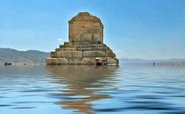
Cyrus The Great


تخریب نگارههای تاریخی و معاصر در ایران چیز تازهای نیست. گذشت زمان و بی گذشتی ِ انسان در کنار هم باعث تخریب و نابودی تدریجی آنچیزی میشود که بخشی از هویت ما و حتا بشریت است. ولی ما همواره با ذهنیتی کارتپستالگونه به میراث فرهنگی نگاه میکنیم، گویی که آنها هیچگاه دچار تغییر نمیشوند و برای همیشه جاودانهاند. بخشهایی از تخریب اساسی تخت جمشید را ببینید.
Latest News
جنگ جهانی اول و تاثیرات آن در ایران - مهراد واعظی نژاد
لرد کرزن مهمترین چهره هوادار حضور قدرتمند بریتانیا در ایران و همکاری همه جانبه با این کشور بود
نزدیک به سه سالی پس از پایان جنگ جهانی اول، در آوریل ۱۹۲۱ میلادی، سر پرسی سایکس، ژنرال بریتانیایی که بخش زیادی از دوران چهار ساله جنگ (۱۹۱۴ تا ۱۹۱۸) را در ایران گذرانده بود، گزارشی از آن دوران را برای موسسه سلطنتی مطالعات جغرافیایی در لندن ارائه می کرد. او سخنانش را این طور آغاز کرد: «تا پیش از سال ۱۹۱۴ بسیار بعید به نظر می رسید که کشوری چون ایران، با آن فاصله از اروپا، به صحنه جنگ بدل شود. در آن زمان اگر کسی می گفت که نیروهای بریتانیایی بارها و بارها در این استان و آن استان ایران رژه خواهند رفت، همه می گفتند عقلش را از دست داده. . با این حال، و در حالی که دولت ایران سیاست بی طرفی در جنگ پیشه کرده بود، نه فقط نیروهای بریتانیایی بلکه روس ها، آلمانی ها و ترکان عثمانی نیز در این دوران مشوش تاریخ ایران، به قول ژنرال سایکس، در "این استان و آن استان" رژه می رفتند.
Miniskirts, Headscarves Don't Mix at Tehran Park for Women OnlyBloomberg - USAThey are practical solutions that respect religious beliefs and are in line with the Islamic Republic's laws, said Mahmood Maniei, a spokesman and adviser ...
Iran able to impose its soft power against military one: FM SpokesmanISNA - Iran12 (ISNA)-The influential power of the Islamic Republic of Iran is undeniable and the country is able to impose its soft power in different regions. ...
Obama's Iran opportunityChicago Tribune - United StatesOf all the congratulations that President-elect Barack Obama basked in last week, the most unexpected came from Iranian President Mahmoud Ahmadinejad. ...
Analysis: For Obama, what to do about Iran nukes?The Associated PressWASHINGTON (AP) — After years of suspense and suspicion, Iran still denies it is trying to make a nuclear bomb. Analysts foresee the Iranians' success in a ...
Iran does not suspend nuclear program: officialTehran Times - Iran@H= ANKARA (IRNA) -- A senior Foreign Ministry official said on Tuesday that Iran will never suspend its nuclear enrichment program. ...
Obama administration may engage Iran for peace in AfghanistanPakistan Dawn - Karachi,PakistanBy Anwar Iqbal WASHINGTON, Nov 11: The Obama administration may engage Iran and the ‘reconcilable’ elements within the Taliban movement to seek a peaceful ...
World Briefing Middle East Iran: Missile Test-Fired Near Iraq BorderNew York Times - United StatesBy NAZILA FATHI Iran test-fired a new missile in the western city of Marivan, near the border with Iraq during a military maneuver, the government ...
Commander: Iran builds "solid barrier" against air raidsXinhua - China11 (Xinhua) -- A top Iranian commander said on Tuesday that the Islamic republic's air force has built up a "solid barrier" to defend the country's airspace ...
Cool pictures…. You like real Military hardware ?? then have a look at what real Navy, Air force, and efective shot-guns mean - Not what IRI's shitty arsenal is.
http://www.tom-phillips.info/images/cool.pics.military.htm
http://www.tom-phillips.info/images/cool.pics.military.2.htm
http://www.tom-phillips.info/images/cool.pics.military.3.htm
60% of Iranian midwives unemployedTehran Times - IranTEHRAN -- About 60 percent of the country’s midwifery graduates are unemployed, a member of Islamic Republic of Iran Medical Council (IRIMC) said here on ...
ElBaradei Welcomes Obama Iran PledgeVoice of America - USABy VOA News The head of the UN nuclear agency has expressed hope for talks between Iran and the administration of US President-elect Barack Obama. ...
Iranian-American student freed on bail: FatherTehran Times - IranLos Angeles-born Iranian-American student Esha Momeni has been released from custody in Iran on a $200000 bail, her father says. Gholam-Reza Momeni told the ...
Barack Obama looks to Iran to help bring peace to AfghanistanTelegraph.co.uk - United KingdomPresident-elect Barack Obama is planning to involve Iran in a major shift in US policy on the war in Afghanistan. By Alex Spillius in Washington Aides said ...
Iran test-fires new missile, Israel within reachReuters - USABy Zahra Hosseinian TEHRAN (Reuters) - Iran said it test-fired a new generation of surface-to-surface missile Wednesday and that the Islamic Republic was ...
Obama Administration And A Nuclear IranEvening Bulletin - Philadelphia,PA,USAMost critical of those issues is the threat of a nuclear Iran. The consequences of a nuclear Iran might be even more catastrophic than the economic crisis ...
President: Any aggression against Iran to receive crushing responseXinhua - China12 (Xinhua) -- Iranian President Mahmoud Ahmadinejad said Wednesday that any act of aggression against Iran will receive a crushing response, Iran's Press ...
World powers to meet anew on Iran sanctionsThe Associated PressWASHINGTON (AP) — Senior diplomats from six world powers are to meet this week to discuss stalled efforts to impose new sanctions on Iran over its nuclear ...
Iranian Economists: Ahmadinejad Has Failed
Ahmadinejad fails to meet the challenge of Iran’s leading economists. Last week 60 prominent economic professors in various Iranian universities published a 20,000 word open letter in protests against the misguided economic and foreign policy of the present government. Considering the repressive conditions prevailing in Iran, once again this group of economist demonstrated exemplary courage. This is the third time that such warnings against the improper government policies have been issued by a large number of Iranian academic economists. |
|
| Posted 12/11/2008 @ 21:59:4 GMT Problems of Engaging with Iran's Supreme Leader On the eve of the U.S. election, Kayhan, an Iranian newspaper affiliated with the supreme leader, wrote that "no matter who is elected tomorrow, America is our enemy and our relations with it will remain deadlocked. more By The Washington Institute | ![]() |
| Posted 11/11/2008 @ 16:56:3 GMT Might Israel strike at Iran before Obama takes over? Dr. Emily Landau, director of the Arms Control and Regional Security Project at the Institute for National Security Studies, said that aside from the diplomatic situation that altered with Obama's election, she could see no changes in "terms of the pros and cons of Israel taking some kind of action." more By The Jerusalem Post | ![]() |
| Posted 10/11/2008 @ 11:20:41 GMT "unacceptable" for Iran to have nuclear weapons BARACK Obama's selection of devout Jew Rahm Emanuel as his White House chief of staff has heartened many in the pro-Israel lobby in the US while prompting criticism from an Arab world hoping Senator Obama had sympathy for the Palestinians. more By The Australian | ![]() |


اخبار مربوط به زندانیان سیاسی و نقض حقوق بشر


Tulips in Holland