


Follow this link : http://www.informationliberation.com/?id=20386
Rageh Inside Iran
Rageh Omaar embarks on a unique journey inside what he describes as one of the most misunderstood countries in the world, looking at the country through the eyes of people rarely heard - ordinary Iranians.It took a year of wrangling to get permission to film inside Iran but the result is an amazing portrayal of an energetic and vibrant country that is completely different to the usual images seen in the media. A country of contrastsRageh soon discovers that Tehran is a complex place and uncovers a city of extremes of wealth and poverty, where some people survive on less than a dollar a day and others shop till they drop in glitzy shopping malls.Iran is a country that bans women from riding motorcycles but where 60 per cent of the student population is female. It is also a youthful place, with two thirds of Iran's 70 million population under the age of 30. Local storiesRageh meets with local people to hear their personal stories and feelings about the current state of affairs in Iran. There are stories of taxi drivers, wrestlers, business women, people working with drug addicts and the country's leading pop star and his manager - the 'Simon Cowell' of Iran.Rageh Inside Iran transcends images of angry demonstrations and burning flags to reveal a country that isn't without its problems but which is also fascinating, dynamic and hospitable.


Sunday, February 11, 2007
Surprising Partners Among Tehran's Layer of Alliances
The Guardian / Julian Borger, Diplomatic Editor .

When Iran's supreme leader, Ayatollah Ali Khamenei, vowed this week to hit back at American interests around the world if Iran was attacked, it was no empty threat. More than at any time in the life of the Islamic republic, Iran is positioned to inflict significant pain on the US and its allies in many places at the same time. US stumbling in the Middle East has strengthened and emboldened Iran. On top of an array of patron-client relationships with powerful Shia groups, like Hizbullah in Lebanon, the Badr brigades and the Mahdi army in Iraq, Tehran has built a new layer of alliances with some more surprising partners among the Sunni jihadists. It has forged a relationship with Hamas in Gaza, and even appears to have developed links with the Taliban. In the wake of anecdotal accounts of would-be Iranian jihadists turning up in Afghanistan, western intelligence sources believe official contacts have been made between the erstwhile enemies. Iranian intelligence is thought to be providing some money and training to the Taliban and giving safe passage for jihadists travelling from the Iraqi to the Afghan front. Seth Jones, a terrorism expert at the Rand Corporation thinktank, who has just returned from Afghanistan, said: "There are indications the Iranians have opened contacts with insurgent groups, including the Quetta Shura (the Taliban command council for southern Afghanistan)". He said there was so far no evidence Iran had supplied what the Taliban need most, modern surface-to-air missiles. He also stressed that Iranian backing for the Taliban was barely significant compared to the support it enjoyed in Pakistan, while Tehran enjoyed strong relations with the Karzai government in Kabul. "What Iran in my view is doing is pursuing a hedging strategy," he said. "The Iranian government would prefer to keep a close relationship with the Afghan government, but also wants to protect itself from a strike from the US or Israel." Iran could make life more difficult for the US, Britain and their allies in southern Afghanistan. "If the Taliban got surface-to-air missiles, it would really change things in Afghanistan." What was unfolding in Afghanistan was part of a broader contest, in which both sides were seeking a more lethal grip on their opponent as insurance against attack. "There is a struggle for influence between US and Iran right across south-west Asia, in which main theatres of operation are Lebanon, Afghanistan and Iraq," said Afshin Molavi, an Iranian specialist at the International Crisis Group (ICG). In that struggle, Iran national interests rise above sectarian or ideological affiliation. Meanwhile, the long-standing relationship with Hizbullah offers Iran the potential to threaten US interests much further afield. Tehran helped set up the Shia militia after the Israeli invasion of Lebanon in 1982, and it has since developed a global presence stretching as far as Lebanese communities in Latin America.
In the event of an attack on Iran, it could offer Tehran a potent network for reprisals.
But Iran's capacity to hit back is limited to the readiness of its clients and partners to take on the US. In recent years, Hizbullah has opted to focus on its role in Lebanon and its conflict with Israel. "The Mahdi army and Moqtada al-Sadr are willing to take money from Iranians, but he is an Iraqi nationalist with no pro-Iranian proclivities," said Joost Hiltermann, a Jordan-based analyst for the ICG. Furthermore, Tehran must calibrate any retaliation to avoid bringing the region down on its head. It may support the Taliban, but does not want to see the Sunni extremist movement back in power on its eastern border.
When Iran's supreme leader, Ayatollah Ali Khamenei, vowed this week to hit back at American interests around the world if Iran was attacked, it was no empty threat. More than at any time in the life of the Islamic republic, Iran is positioned to inflict significant pain on the US and its allies in many places at the same time. US stumbling in the Middle East has strengthened and emboldened Iran. On top of an array of patron-client relationships with powerful Shia groups, like Hizbullah in Lebanon, the Badr brigades and the Mahdi army in Iraq, Tehran has built a new layer of alliances with some more surprising partners among the Sunni jihadists. It has forged a relationship with Hamas in Gaza, and even appears to have developed links with the Taliban. In the wake of anecdotal accounts of would-be Iranian jihadists turning up in Afghanistan, western intelligence sources believe official contacts have been made between the erstwhile enemies. Iranian intelligence is thought to be providing some money and training to the Taliban and giving safe passage for jihadists travelling from the Iraqi to the Afghan front. Seth Jones, a terrorism expert at the Rand Corporation thinktank, who has just returned from Afghanistan, said: "There are indications the Iranians have opened contacts with insurgent groups, including the Quetta Shura (the Taliban command council for southern Afghanistan)". He said there was so far no evidence Iran had supplied what the Taliban need most, modern surface-to-air missiles. He also stressed that Iranian backing for the Taliban was barely significant compared to the support it enjoyed in Pakistan, while Tehran enjoyed strong relations with the Karzai government in Kabul. "What Iran in my view is doing is pursuing a hedging strategy," he said. "The Iranian government would prefer to keep a close relationship with the Afghan government, but also wants to protect itself from a strike from the US or Israel." Iran could make life more difficult for the US, Britain and their allies in southern Afghanistan. "If the Taliban got surface-to-air missiles, it would really change things in Afghanistan." What was unfolding in Afghanistan was part of a broader contest, in which both sides were seeking a more lethal grip on their opponent as insurance against attack. "There is a struggle for influence between US and Iran right across south-west Asia, in which main theatres of operation are Lebanon, Afghanistan and Iraq," said Afshin Molavi, an Iranian specialist at the International Crisis Group (ICG). In that struggle, Iran national interests rise above sectarian or ideological affiliation. Meanwhile, the long-standing relationship with Hizbullah offers Iran the potential to threaten US interests much further afield. Tehran helped set up the Shia militia after the Israeli invasion of Lebanon in 1982, and it has since developed a global presence stretching as far as Lebanese communities in Latin America.
In the event of an attack on Iran, it could offer Tehran a potent network for reprisals.
But Iran's capacity to hit back is limited to the readiness of its clients and partners to take on the US. In recent years, Hizbullah has opted to focus on its role in Lebanon and its conflict with Israel. "The Mahdi army and Moqtada al-Sadr are willing to take money from Iranians, but he is an Iraqi nationalist with no pro-Iranian proclivities," said Joost Hiltermann, a Jordan-based analyst for the ICG. Furthermore, Tehran must calibrate any retaliation to avoid bringing the region down on its head. It may support the Taliban, but does not want to see the Sunni extremist movement back in power on its eastern border.
Subscribe to:
Posts (Atom)


O P E N O F F I C E - Free softwere -

Subscribe To - BAHRAMERAD -


 Posts
All Comments
Posts
All Comments
S E A S O N S

A u t u m n 2 0 0 8


MYSPACE ADD ON

Map of Iran's Neighbours

MAP OF PERSIA
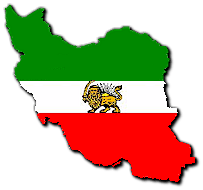
PERSIA
FARAVAHAR

AHURAMAZDA
Happy Nu Rooz

NU ROOZ E TON PEEROZE BAD
Sassanid King

KILL THE DEMONS
Nuclear Disaster فاجعه هسته ای

Free Iran Petition


SHIR O KHORSHID

SHIR O KHORSHID
PROTEST NOW !

STRIKE NOW
TO SHOW
SOLIDARITY
WITH THE
IMPRISONED
WOMEN, STUDENTS
AND THE
TRADE UNIONITS
R A H _ E _A Z A D I

Peaceful Revolution

نکته بیستم از پنجاه نکته اساسی مبارزه مسالمت آميزhttp://www.iranpressnews.com/javan/2008/04/3933.htm
REPRESSION

WHO WOULD HAVE BELIEVED IT
HANGINGS OF THE INNOCENTS
 اخبار مربوط به زندانیان سیاسی و نقض حقوق بشر
Ahmad

AHMADINEJAD

Earthly Angles Weep With Sorrow

T o m b o f F I R U Z A N

The 7th Century Shrine, A symbol dedicated to the resistance of the Iranians against the invading Arabs
Freedom
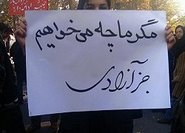
WHAT DO WE WANT OTHER THAN FREEDOM

Women's Symble


Threat to Passargad
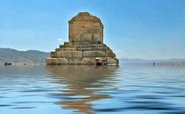
Catastrophe: http://www.savepasargad.com/european_languages.htm
Khamanei

UP YOURS
Georg W Bush

UP YOURS TOO !
I N F O : N e o w o r x .n e t

Visitors : World

A D : N E O W O R X . N E T

Visitor counter
Visitores Counter

Internet Speed Test


W I N T E R 2 0 0 7 / 2 0 0 8

S U M M E R

Summer in Ibiza
S P R I N G
 Tulips in Holland
W i n t e r

Snow in Tehran
A U T U M N

Autumn in Canada
I B I Z A S U M M E R 2 0 0 8


TEHRAN BURNING MUSIC
 |
| NIGHT FEVER extra.... |
| Hosted by eSnips |
BEN WATT AT GALEXY RADIO
 http://www.buzzinfly.com/
buzzradio.html
Podcast:http://www.audioagain.com/podcast.php?channel=buzzinfly
http://www.buzzinfly.com/
buzzradio.html
Podcast:http://www.audioagain.com/podcast.php?channel=buzzinfly

Neoworx.net
New YOUTUBE Video Juke Box


For your listening pleasure and where to buy this music

FOR THE LOVE OF PERSIA , I R A N

I n f o - N e o w o r x . n e t
