

US Intel Links Iran With Nuke Bomb Bid
February 14, 2008 The Associated Press George Jahn
VIENNA, Austria -- The U.S. has recently shared new intelligence with the International Atomic Energy Agency on key aspects of Iran's nuclear program that Washington says shows Tehran was directly engaged in trying to make a bomb, diplomats said Thursday.One of the diplomats said Washington also gave the IAEA permission to confront Iran with at least some of the evidence in an attempt to pry details out of the Islamic republic, as part of the U.N. nuclear watchdog's attempts to investigate Iran's suspicious nuclear past.The diplomats suggested that such moves by the U.S. administration would be a reflection of Washington's' drive to pressure Iran into acknowledging that it had focused part of its nuclear efforts toward developing a weapons program.The U.S. is leading the push for a third set of U.N. sanctions against Iran. Tehran insists its program is intended only to produce energy and has refused U.N. demands that it suspend its uranium enrichment program - technology that can produce both fuel for nuclear reactors and the fissile material for a bomb.A recent U.S. intelligence assessment that Iran had a clandestine weapons program but stopped working on it four years ago has hurt Washington's attempts to have the U.N. Security Council impose a third set of sanctions.While the Americans have previously declassified and then forwarded intelligence to the IAEA to help its investigations, they do so on a selective basis.Following Israel's bombing of a Syrian site late last year, and media reports citing unidentified U.S. officials as saying the target was a nuclear installation, IAEA chief Mohamed ElBaradei turned in vain to the U.S. in asking for details on what was struck, said a diplomat who - like others - spoke on condition of anonymity in exchange for divulging confidential information.Over the past two years, the U.S. already has shared material on a laptop computer reportedly smuggled out of Iran. In 2005, U.S. intelligence assessed that information as indicating that Tehran had been working on details of nuclear weapons, including missile trajectories and ideal altitudes for exploding warheads.After declassification, U.S. intelligence also was forwarded on two other issues: the "Green Salt Project" - a plan the U.S. alleges links diverse components of a nuclear weapons program, including uranium enrichment, high explosives testing and a missile re-entry vehicle - and material in Iran's possession showing how to mold uranium metal into warhead form.Two of the diplomats said the material forwarded to the IAEA over the past two weeks expanded on the previous information from the Americans, but had no additional details.Iran is already under two sets of U.N. Security Council sanctions for refusing to suspend uranium enrichment, which it started developing during nearly two decades of covert nuclear activity built on illicit purchases and revealed only five years ago.Since then, IAEA experts have uncovered activities, experiments, and blueprints and materials that point to possible efforts by Iran to create nuclear weapons, even though Tehran insists its nuclear project is peaceful and aimed only at creating a large-scale enrichment facility to make reactor fuel.Its leaders consistently dismiss allegations that they are interested in enrichment for its other use - creating fissile material suitable for arming warheads.Instead of heeding Security Council demands to freeze enrichment, Iran has expanded its program. On Wednesday, diplomats told the AP that Iran's new generation of advanced centrifuges have begun processing small quantities of the gas that can be used to make the fissile core of nuclear warheads.
US Confirms Upcoming Talks with Iran on Iraq
WASHINGTON -- The United States confirmed Monday reports that it is planning a new round of talks with Iran on the future of war-ravaged Iraq, but that the two sides have yet to agree on a date. By AFP
Many Iranians Says Revolutionary Ideals Still Unmet
In Tehran Monday, tens of thousands celebrated the 29th anniversary of the Islamic Revolution in 1979. By The Christian Science Monitor
A Campaign to Stop Stoning
Iranian judges apparently didn't get the memo about the moratorium on stoning issued in 2002 by Ayatollah Shahroudi, head of the judiciary. According to Amnesty International, nine women and two men are currently in prison awaiting this cruel and barbaric punishment, which is usually meted out for sexual transgressions. By The Nation
Many in Iran Bear the U.S. No Ill Will
TEHRAN -- When the shah ruled Iran, the Westernized elite would enjoy Hollywood movies at a small theater in the center of the city. Today, that theater is an Islamic cultural center and a meeting place for fundamentalists. By The International Herald Tribune
Iran Parades Captured British Naval Boat
The Iranian president today attempted to humiliate Britain by parading a captured naval boat in a huge rally marking the anniversary of the 1979 Islamic revolution. Mahmoud Ahmadinejad also used the occasion to tell huge crowds in Tehran that Iran will not back down "one iota" in its nuclear dispute with Western powers. By Daily Mail
A Hard Winter in Iran
If the upcoming parliamentary elections in Iran were open and democratic, President Mahmoud Ahmadinejad and the ruling mullahs would have a lot to worry about. How would you like your allies to face an electorate when, in one of the coldest winters in recent memory, the government has left thousands of people for days or even weeks with no natural gas for heat? When even those in Tehran have suffered rolling blackouts every night for a month, robbing people of electricity and heat for hours at a time? And all this while the country's major export -- oil -- is at nearly 100 dollars a barrel? By Chicago Tribune
Iran Sets Up Banks to Sidestep US Curbs
Iran's first investment banks will start operating next month, part of Tehran's strategy of opening new banking channels but also part of its effort to circumvent US restrictions on its financial sector. more By The Financial Times
Polish Gas Monopoly Signs Preliminary Gas Deal with Iran
WARSAW -- Polish gas monopoly PGNiG signed a preliminary deal with an Iranian state-owned oil company to cooperate on managing already-discovered gas reserves, it said on Monday. more By Reuters
US Captures Militia Leader With Iran Ties
U.S. soldiers captured a suspected Shiite militia commander and one other suspect Monday, the latest of several days of raids in Shiite holy cities south of Baghdad. more By The Associated Press
Iran Sees Less Threat in Exiled MKO Militants
TEHRAN, Iran -– Gholam Reza Sadeghi felt certain of his fate if he ever returned to Iran: torture and execution, given his years as a member of the antiregime Mujahideen-e Khalq, or "People's Holy Warriors." more By The Christian Science Monitor
Iran's Old Guard Pushed Aside
TEHRAN -- After Ayatollah Ruhollah Khomeini's followers toppled a U.S.-backed autocracy in Iran, he brought to power a coterie of politically engaged clerics who sought to create the world's first Islamic republic. Nearly 30 years later, a new generation of politicians is sweeping aside those clerics, many of whom had become proponents of better relations with the West and gradual steps toward greater democracy. By The Washington Post
Thousands Rally to Mark Revolution, Defy Nuclear Pressure
TEHRAN -- Tens of thousands of Iranians rallied on Monday to mark the 29th anniversary of the Islamic revolution, in a show of defiance of Western pressure on Iran to suspend its disputed nuclear program. By Reuters
Does Iranian Government Fear Educated Women?
Who’s afraid of girls? The Iranian government, it seems. Recent years have seen a dramatic rise in the number of Iranian girls enrolling in universities and other institutions of higher education. While many governments would see this as a blessing worth boasting about, that's not the case in Iran. By Radio Free Europe/RadioLiberty
Artificial Intelligence : Using TAGHIEH against the mullahs
February 11, 2008 The Washington Institute for Near East Policy Patrick Clawson
Though the White House press release read "President Bush to travel to Middle East to follow up on progress made at Annapolis," his January trip actually centered on Iran, a country he did not visit. America's friends -- the Persian Gulf monarchs as well as Israel -- fear that the publication of the recent National Intelligence Estimate (NIE) means the United States is weakening in its resolve to confront the rising threat from Iran. President Bush made his Middle East jaunt, in part, to assure them that that assessment was premature.Since its appearance in December, the NIE has given pause to Israeli policy makers and provided succor for State Department analysts who believe the Bush administration is overestimating the case for Tehran's nuclear intentions. That is because the report implies that the threat from Iran has diminished. But in fact, a careful and close reading of the NIE does not warrant this interpretation. In the end, the report will only make it harder to address a growing threat to world peace.Indeed, Americans might believe we no longer have to worry about Iran's nuclear program. In fact, the problem is worse because diplomacy may be more complicated, though not necessarily impossible. The most troubling prospect is that the United States and Israel are headed in opposite directions, which could lead to a severe strain in their relationship.The NIE begins: "We judge with high confidence that in fall 2003, Tehran halted its nuclear weapons program." That's nice, but it does not matter very much. As the NIE states, "We assess with high confidence that Iran has the scientific, technical, and industrial capacity eventually to produce nuclear weapons if it decides to do so." The key word in that sentence is "eventually" because the most vital question is when Iran will be able to produce its first nuclear weapon. The NIE says nothing about how the reported halt of Iran's nuclear weapons program affects that date.Despite the impression given by the wording in the NIE, Iran has by no means stopped its nuclear activities. In fact, Iran proudly shows off the progress it is making with its huge uranium-enrichment facilities. The Nobel Peace Prize-winning director of the International Atomic Energy Agency (IAEA), Mohamed ElBaradei, has said that when those facilities are completed, Iran would need only "a few months" more to build a nuclear weapon. That estimate suggests that the hard part is enriching the uranium -- not making a bomb. In other words, the wording of the NIE is deceptive: building a bomb is relatively easy. Producing nuclear material is not.That is why the 40-year effort to verify and enforce the Nuclear Nonproliferation Treaty (NPT) has been based on controlling the production of fissile material -- that is, enriched uranium or plutonium. NPT enforcement is based on safeguarding nuclear material, not only looking to see if a country is building a weapon. Iran does not need to have a weapons program -- that is, a bomb-design program -- until it is close to producing fissile material. After all, Iran does not need a sophisticated warhead such as the ones that go atop missiles. It could put a bulky, heavy nuclear device into a ship container or a truck -- similar to the truck Iran's proxies used to bomb the U.S. Marine barracks in Beirut in 1983.So what does the NIE say about when Iran will be able to make sufficient fissile material for a bomb? The old estimate, made in 2005, stated this was "unlikely before early-to-mid next decade." The new NIE says, "Iran probably would be technically capable of producing enough HEU [highly enriched uranium] for a weapon sometime during the 2010-2015 time frame." The only caveat is from the State Department's intelligence arm, which "judges that Iran is unlikely to achieve this capability before 2013." How nice -- we may even have as long as five years. That is better than nothing, but it is not very good.International Pressure, U.S. Engagement or Military Force?The NIE argues that Iran can be persuaded through sticks and carrots: "We judge with high confidence that the halt [in Iran's nuclear weapons program] was directed primarily in response to increasing international scrutiny and pressure resulting from exposure of Iran's previously undeclared nuclear work."Iran's decision to suspend its nuclear weapons program, in fact, came in the fall of 2003, after the British, French and German leaders bluntly told Iran: suspend your nuclear program or suffer the consequences. Their stand was unprecedented in its forcefulness for the usually mild Europeans. And, of course, they acted in the wake of what then looked like a successful U.S. invasion of Iraq. The lesson the NIE draws is that when Iran sees a united international community, it backs down."Our assessment that the [nuclear weapons] program probably was halted primarily in response to international pressure suggests Iran may be more vulnerable to influence on the issue than we judged previously," the NIE reads.I think that is correct; a longtime theme of my work has been Iran's vulnerability to influence on the nuclear issue, so it would be comforting to think that the NIE is accurate in this regard. But honesty as an analyst compels me to report that the NIE provides little reason to come to this conclusion.The alternative, more cynical interpretation from many of my Israeli friends is that Iran understood that suspending its nuclear weapons program would have no effect on its progress toward nuclear weapons, yet would reduce the risk that IAEA inspectors would discover Iran's true intentions. In other words, the NIE displays undue confidence that the U.S. intelligence community knows not just what happened but the reasons why.That over-confidence fits a pattern. The sad reality is that the U.S. intelligence community's track record on Iran suggests that its knowledge has been not much better than it was about Iraq or North Korea. As the new NIE points out, the 2005 estimate assessed "with high confidence that Iran currently is determined to develop nuclear weapons," whereas the new estimate is that Iran halted its nuclear weapons program in fall 2003 -- well before the 2005 estimate came out.Since the intelligence community has now decided it was wrong in 2005, one might think that U.S. intelligence agencies would be more cautious about what they now purport to know. It is possible that the new information is the last word on the subject, but it is vital to remember that deciding whether or not Iran is "determined" is a matter of interpretation, not just information.According to the NIE, Iran did in fact have a covert nuclear weapons program up until 2003. If that information is correct, then Iran has been in complete violation of its obligations under the NPT, both by having a program until 2003 and then not reporting it up through the present day. Only full disclosure can provide confidence that Iran will not restart the program.What if Iran gets to the brink of a bomb?If Iran gets to the brink of a bomb, then there will be a vigorous debate about what to do. The two obvious alternatives are: stop Iran's nuclear program by force or live with it by deterring it. Military force is always a terrible choice, so we need to carefully consider whether there is a better alternative. Deterrence sounds attractive; after all, it worked during the Cold War.But deterrence is not a simple policy. Even during the Cold War, it meant accepting great risks, as evident from the Cuban missile crisis. And deterring a nuclear Iran is likely to prove much more difficult than deterrence was during the Cold War for a host of reasons: The Cold War required committing hundreds of thousands of troops and hundreds of billions of dollars a year for decades. The international community may not have the political will to assemble a broad coalition of states ready to commit forces to deter a nuclear Iran or the staying power to maintain such a military coalition over a period of decades. The Cold War saw mid-size powers like Germany and Italy reluctantly accept protection from the superpowers rather than build their own nuclear weapons. It will be no small challenge to deter the dozens of other potential proliferators who may conclude from Iran's experience that there is little price to be paid for violating the NPT or withdrawing from it. Since Iran's clandestine nuclear activities were brought to light, nine Middle East countries have announced they are rethinking their nuclear options. The Middle East security environment is much more complicated than the straightforward East-West Cold War. The Iran-Iraq war killed a half million people, at least 10 times more than have died in all Israeli-Arab fighting. Introduce nuclear weapons into this messy situation, and many more may die. The Soviet Union more or less lived up to agreements it made. The Islamic Republic of Iran has a long history of dissimulation. Iran may be tempted to try covert, deniable nuclear weapons delivery -- for instance, by terrorist groups -- which the United States would have difficulty attributing to it.For all its faults, the Soviet Union was a tightly run ship. Iran's regime is dotted with factions that seem to pay little attention to any central authority. What's worse, the Revolutionary Guards, the same radical elements that provide support to terrorists, control aspects of the nuclear program. To say that there are potential command-and-control problems is an understatement. The Soviet communist system wanted to rule the world. In Islamic Iran, some radical elements appear to be willing to destroy the world. They are so highly confident God is on their side that they are ready to risk bringing on the apocalypse.What Will Israel Do?If the United States decides to live with a nuclear-armed Iran, Israel may not accede. For the United States, Iranian nuclear capability is a big problem but by no means an existential threat. By contrast, Israel has to worry that Iran will supplement the hundreds of millions of dollars it spends each year to arm those fighting to wipe Israel off the map (Hamas and Hezbollah) with nuclear threats aimed at the same purpose.If Israel decides to use force on its own, that would have many disadvantages for U.S. interests. An Israeli strike would convert a global issue about Iran's failure to comply with its obligations under international treaties into an Iranian-Israeli dispute, where many around the world would automatically take sides against Israel.An Israeli strike could engender such international criticism that Iran would be confident it can rebuild without fearing international disapproval, much less a second round of strikes. Many around the world would assume that Washington gave Israel permission, if not assistance, so the United States would face much the same reaction as if it had carried out a raid itself. That could mean vicious Iranian responses against U.S. interests.If Israel acts against the wishes of the United States, the worst of all situations would be created if it does the job poorly. In such a case, the threat from Iran's nuclear program would be magnified, and the U.S.-Israel alliance would be damaged. Unfortunately, this case is distinctly possible. This makes it all the more urgent that we reinforce diplomacy with tough sanctions and close international coordination at the highest levels to maximize the chances, admittedly fading, that Iran agrees to a compromise.Patrick Clawson, the deputy director for research of The Washington Institute for Near East Policy, is the author of several books on Iran.
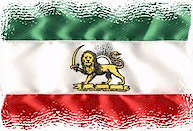
IMPERIAL EMBLEM

PERSIA
Iranian Freedom Fighters UNITE
Showing posts with label West. Show all posts
Showing posts with label West. Show all posts
Tuesday, February 12, 2008
Friday, January 11, 2008
Welcome to the Orwellian Police-State= Iran -and the top CUNT says that there is democracy in ISLAMIC REPUBLIC OF IDIOTS!
TAKE SOME TIME AND EDUCATE YOURSELF IN WHAT IS REALLY HAPPENING INSIDE IRAN - THINGS THAT ARE NEVER REPORTED IN THE FOREIGN MEDIA THESE DAYS - NOT LIKE 28 YEARS AGO WHEN THE BBC AND THE AMERICAN NEWS PAPERS WERE FULL OF LIES ABOUT " WHAT THE POOR SHAH'S SECURITY FORCES WERE DOING TO STOP THE ACTIONS OF THESE TERRORISTS- INSPIRED ACTS PERPETUATED BY THE MURDERING FASCIST MULLAHS, THE COMMUNIST/MARXISTS AND THEIR HIRED PALESTINIAN SURROGATES UP AND DOWN THE STREETS OF THE IRANIAN CITIES.
Spate of Executions and Amputations in Iran
Afghanistan Seeks End to Iran Deportations
Persian Gulf is Authenticated Internationally, UK Daily Reminded
Iran Hangs 7 People, 21 Executions Since Year's Start
The Day the Americans Sunk Khomeini's Navy
جهنمی که رژیم اسلامی به مردم ایران تحمیل کرده است
سرانجام سه دهه حاکمیت اسلامی بر ایران
http://uk.youtube.com/watch?feature=related&v=ZdCq9ovitmg
http://uk.youtube.com/watch?v=outci3eWQsE&feature=related
http://uk.youtube.com/watch?v=ffDe7v9YcoE
http://uk.youtube.com/watch?v=5jqQVqsOw4U
http://uk.youtube.com/watch?v=gTFRTAlavFQ&feature=related
http://uk.youtube.com/watch?v=UYMNiSnlz_w&feature=related
http://uk.youtube.com/watch?v=r0joZr2LlLo&feature=related
http://uk.youtube.com/watch?v=_PYJHUniri0&feature=related
http://uk.youtube.com/watch?v=6J2jqKlNNXo&feature=related
http://uk.youtube.com/watch?v=cvxwuFWhsAQ
http://uk.youtube.com/watch?v=iaicSE143Yw
http://uk.youtube.com/watch?v=kKGjUv9NyzQ
http://uk.youtube.com/watch?v=D_4h0VaNudY
http://uk.youtube.com/watch?v=LZMzUAlLb5U
http://uk.youtube.com/watch?v=fGt6lEzcn6w&feature=related
http://uk.youtube.com/watch?v=P3Z65KRaWJU&feature=related
http://uk.youtube.com/watch?v=9bnL8zmnR0Q
http://uk.youtube.com/watch?v=IhpZOUwDtZg
http://uk.youtube.com/watch?v=VOMr7-_GsBM
http://uk.youtube.com/watch?v=NNLaFRaNPdI
http://uk.youtube.com/watch?v=GZF9Zs9AYl8&feature=related
http://uk.youtube.com/watch?v=MJmzfkIonI0
http://uk.youtube.com/watch?v=An6LABUf1X0
سرانجام سه دهه حاکمیت اسلامی بر ایران
چرا اكنون بسياری از مردم به جايی رسيدند كه گمان می كنند دخالت خارجی می تواند آنها را از وضع موجود نجات دهد
http://uk.youtube.com/watch?v=vsCuTrc2mv4&feature=related
http://uk.youtube.com/watch?v=PiG63tvRgiA&feature=related
http://uk.youtube.com/watch?v=_9YdalDA31Q
http://uk.youtube.com/watch?v=PF7RD3dHU_I
http://uk.youtube.com/watch?v=XLq7r_5k1TI
http://uk.youtube.com/watch?v=AhrymTcZnKM
http://uk.youtube.com/watch?v=jjfzlTP4a3g
http://uk.youtube.com/watch?v=f2cdUp00rWc
Documentary .....
Prostitution Behind the Veil
part 1:http://youtube.com/watch?v=xDja_ym8sSE
part 2:
http://youtube.com/watch?v=NKMbWvFy3Js
part 3:
http://youtube.com/watch?v=xmL5fevERAU
part 4:http://youtube.com/watch?v=4oN2xwQdng8
part 5:http://youtube.com/watch?v=YzlxU1FWOVc
مرد م ایران !
برای آزاد ی و صلح در جنبش
نجات ایران متحد شوید!
مرد م ایران !
با حذف جمهوری اسلامی از
ساحت وطن به اسارت ملی و شور
بختی خود پایان د هید!
برقرار باد د موکراسی !
نابود باد د یکتاتوری!
مرد م ایران! انتخابات را با تحریم
فعال خود به انواع اعتراضات
مبد ل کنید!
گفتاری در باره « وحدت ملی »
مردم ایران !
برای آزاد ی و حقوق انسانی و صلح متحد
شوید و جمهوری اسلامی را از میان
بر د ارید !
سر نگون باد جمهوری اسلامی عامل اسارت
ملی و جنگ افروزی در جهان !
http://tinyurl.com/2tytrb
0
comments

 Labels:
Australia,
denmark,
France,
Germany,
Holland,
Iran,
Islamic Republic of Idiots,
Italy,
Persia,
Turkey,
UK,
USA,
West,
World news
Labels:
Australia,
denmark,
France,
Germany,
Holland,
Iran,
Islamic Republic of Idiots,
Italy,
Persia,
Turkey,
UK,
USA,
West,
World news
Labels:
Australia,
denmark,
France,
Germany,
Holland,
Iran,
Islamic Republic of Idiots,
Italy,
Persia,
Turkey,
UK,
USA,
West,
World news
Saturday, December 22, 2007
Iran and what to do with this Rouge Fascist State
Bush backs Moscow's fueling of Bushehr.
The Costs of Containing Iran - Washington's Misguided New Middle East Policy
The Bush administration wants to contain Iran by rallying the support of Sunni Arab states and now sees Iran's containment as the heart of its Middle East policy: a way to stabilize Iraq, declaw Hezbollah, and restart the Arab-Israeli peace process. But the strategy is unsound and impractical, and it will probably further destabilize an already volatile region. Vali Nasr, Professor of International Politics at the Fletcher School of Law and Diplomacy and Adjunct Senior Fellow for the Middle East at the Council on Foreign Relations, is the author of "The Shia Revival: How Conflicts Within Islam Will Shape the Future." Ray Takeyh is a Senior Fellow at the Council on Foreign Relations and the author of "Hidden Iran: Paradox and Power in the Islamic Republic."
Europe Will Become a Muslim Continent, Says Khamenei's Spokesman
Tehran -- Europe will eventually become a Muslim continent, according to a representative of Iran's supreme leader, Ayatollah Seyyed Ali Khamenei. "In a dozen years, Europe will be an Islamic continent," said Rasul Jalilzadeh on Friday as he was speaking to the basiji, a voluntary organisation in the capital Tehran.
Senior US Envoy: Iran Needs to Admit to Past Weapons Program
VIENNA, Austria -- Iran needs to "confess" to running a past nuclear weapons program or its claims of cooperating with a U.N. investigation of its past clandestine activities will be a sham, the chief U.S. envoy to the International Atomic Energy Agency said Friday. In Washington, meanwhile, U.S. Secretary of State Condoleezza Rice said Tehran must do even more to end present U.N. sanctions and avoid new ones — halt uranium enrichment and related activities that could make the ingredients for a bomb.
The Report on Iran: Straight or Bent?
On December 3 of this year, the Directorate of National Intelligence, an agency attached to the White House that centralizes intelligence supplied by the ensemble of American intelligence agencies, made public a report (National Intelligence Estimate, NIE) deeming that Iran had suspended its nuclear program since autumn of 2003. That document, issued in mid-2007, asserts that Iran is no longer an immediate nuclear threat and that the Iranian regime is less determined to develop nuclear weapons than the United States thought in 2005. It still emphasizes that Tehran is continuing to enrich uranium for civilian purposes and judges that if the Iranian military effort were relaunched, the country could produce nuclear warheads between 2010 and 2015.
What Will Israel Do?
December 21, 2007 Newsweek Web Exclusive Michael Hirsh
A unilateral military strike against Iran is much more likely following the latest intel report about Tehran's nuke program.Ehud Olmert, like George W. Bush, is trying hard to make it seem that nothing has changed, and that the international diplomatic coalition against Iran is still intact. "The state of Israel is not the main flag-bearer against the quirks of the regime in Tehran," the Israeli prime minister declared testily last week, after officials in his own government seemed to suggest that Israel had been left on its own by Washington. Olmert said that the recent U.S. National Intelligence Estimate (NIE) on Iran--which stunned leaders around the world by concluding, after years of bellicose rhetoric from Bush officials about Iran's nuclear ambitions, that Tehran had halted its weapons program in 2003--has "generated an exaggerated debate" in Israel. "Some of us even interpreted the report as an American retreat from its support of Israel," Olmert said. "This is groundless … I trust and am confident that the United States will continue to lead the international campaign to stop the development of a nuclear Iran."But Olmert is not Moses; he can't hold back elemental forces all by himself. And a rising tide of opinion in Israel's intelligence and national-security circles believes that the NIE does signal American retreat--and, more profoundly, renewed Israeli isolation over what is deemed an existential threat out of Tehran. Gen. Ephraim Sneh, a former deputy defense minister who has warned for years that Israel would eventually have to confront Iran alone, told me that "today we are closer to this situation than we were three weeks ago ... we have to be prepared to forestall this threat on our own." Some prominent American experts think that the NIE all but assures Israeli military action at some point. "I came back from a trip to Israel in November convinced that Israel would attack Iran," Bruce Riedel, a former career CIA official and senior adviser to three U.S. presidents--including Bush--on Middle East and South Asian issues, told me Thursday, citing conversations he had with Mossad and defense officials. "And that was before the NIE. This makes it even more likely. Israel is not going to allow its nuclear monopoly to be threatened."Riedel said the Bush administration compounded the problem by failing to signal to the Israelis that the NIE assessment was coming. "Something like this should have been presented to the Israelis through professional intelligence channels," he said. Yuval Steinitz, a member of the right-wing Likud Party, told me that he had led a delegation of Knesset members to Washington a few weeks before the NIE was made public Dec. 3. Steinitz said he met with Vice President Dick Cheney, national-security adviser Stephen Hadley and other administration officials, but not even they seemed aware that their 2005 estimate that Iran was definitely pursuing nuclear weapons was about to be repudiated. Even though Iran was discussed, he said, "no one seemed to have any sign this was forthcoming," he says.Many Israeli experts are appalled by the tone of the report, which concludes with "high confidence" that Iran halted its "nuclear weapons program." The NIE arrived at this finding even though it also asserted that Washington now had concrete evidence of that program, and despite Tehran's brazen pursuit of uranium enrichment. Even formerly moderate European and Russian officials suggest that the report went too far, especially in concluding that the U.S. intel community still has "moderate confidence" that the suspension of the program continues. Uzi Arad, a former Mossad official and adviser to Benjamin Netanyahu, the former Likud prime minister, said that on a recent trip he made to Moscow, a Russian general poked fun at the naiveté of the NIE, commenting that if the Iranians had halted weapons development in 2003 it was partly because they were satisfied with progress there and wanted to devote investment to harder parts of the nuclear equation, like enrichment. In the end, these critics say, Iran is likely to be further emboldened by the report (Iranian President Mahmoud Ahmadinejad lost no time in boasting of America's "surrender"). "The irony is that the effect of this report may be self-negating--by itself it will accelerate Iranian acquisition of nuclear weapons," Arad said.Some experts question whether the Israelis have the capability to seriously damage Iran's nuclear program, which is secured in secret, hardened facilities around the country. But others point out that the new NIE gives evidence of far better intelligence on Iran--possibly including the whereabouts of its facilities. "It did state for first time that a military nuclear program was in motion until 2003," said Sneh. "That was a major revelation that should have been picked up, and it was very damaging incriminating evidence, justifying much harsher action against Iran."A few experts, such as David Albright of the Institute for Science and International Security in Washington, say the intel still seems scant on the location of Iran's secret centrifuge development and manufacturing complex. Still, Albright points out that the Israelis are likely encouraged by the nonreaction to their September airstrike on what is reported to have been a Syrian nuclear facility, which may have been a test run for Iran, or at least a warning directed at Tehran. "Israel has gotten away with it in a sense," says Albright. He suggests that any Israeli pre-emptive action might not be a "traditional strike" but could involve more "sabotage of equipment." The Israelis also know that the Arab states are terrified of an Iranian nuclear power, possibly to the point of looking the other way at another such strike.Sneh, like others, isn't conceding failure yet on the official Israeli and U.S. approach, which involves isolating Iran diplomatically and economically. A third U.N. Security Council resolution authorizing economic sanctions against Iran is expected to pass next year, but it is likely to be fairly hollow because of Russian and Chinese opposition. One reason for Bush's abruptly announced nine-day visit to the region in mid-January is to deal with the fallout from the NIE, which includes not only the possibility that Israel will act unilaterally but also that Bush's prized Annapolis peace process will stall. The Bush trip is, in part, an implicit concession to U.S. hawks that the NIE went too far in absolving Iran. It is also a conscious effort to reassure both Israel and the Arab states that Washington will stand up to Iran's increasing intrusiveness and hegemonic tendencies. A dominant conspiracy theory in Arab capitals in the wake of the NIE is that Washington is seeking to cut a deal with Tehran--one that would effectively allow it to keep its nascent uranium-enrichment capability--in exchange for Iranian help in stabilizing Iraq.Bush may also reassure the Israelis and Arab allies that the NIE overstated things in letting Iran off the hook. In yet another briefing to angry congressmen Wednesday, Director of National Intelligence Mike McConnell conceded that "we could have written parts of it more clearly," according to a senior congressman who was there. The ranking Republican member of the Permanent Select Committee on Intelligence, Rep. Peter Hoekstra, says he's calling for an independent commission to probe the report. "Most of the world looks at it and says it's an embarrassment to the United States because once again the U.S. intelligence community has dramatically changed its position," Hoekstra told NEWSWEEK. And it may well be that Washington must take back its words one more time to prevent the Israelis from acting on their own.
Monday, December 17, 2007
How Britain Re- invented Christmas : By Harry Bingham
Ever wondered why we in the west / Britain celebrate on
December 25 ? Or why we eat turkey and sing carols?
Harry Bingham tells the story of a surprisingly home-grown festival .
December 25 ? Or why we eat turkey and sing carols?
Harry Bingham tells the story of a surprisingly home-grown festival .

The Christmas story starts a long way back - though not 20 centuries ago, as you might expect. Indeed, for several hundred years after the birth of Christ, believers no more thought to celebrate his birth than they did the loss of his first milk tooth. No one pretended to know the exact date he was born, nor did anyone much care. Until, that is, the British got involved. There's nothing less British, you might think, than a story set in the Middle East involving wise men crossing the desert with exotic gifts of gold, frankincense and myrrh. But look deeper and you will find that Christmas is an example, in microcosm, of this country's extraordinary influence. Read the Full article here : http://tinyurl.com/39ksrm

STORIES BEHIND THE SONGS
Away in a manger
God rest you merry, gentlemen
Hark, the herald angels sing
The holly and the ivy
In the bleak midwinter
O come all ye faithful
Once in royal David's city
While shepherds watched their flocks by night
LISTEN TO THE CAROLS
Away in a manger
God rest you merry, gentlemen
Hark, the herald angels sing
The holly and the ivy
In the bleak midwinter
O come all ye faithful
Once in royal David's city
While shepherds watched their flocks...

Listen to your favourite carols ---- Telegraph's guide to Christmas 2007

Star turn: an ancient mosaic in Ravenna showing the three wise men
NOW THE REAL STORY OF THE WINTER CELEBERATIONS :
Merry Yalda - The Iranian Christmas By Iranian Scholar Dr. Esmail Nooriala

يلدای مهر و روشنايی بر شما شاد باد
کميته بين المللی نجات پاسارگاد
ترديدی نيست که مهمترين دليل ماندگاری ارزش های فرهنگی ايرانزمين، از آنجا است که ريشه در باور به انسان و به اهميت حضور او، به عنوان يک اصل مسلط دارد. در عين حال اين ارزش ها، حتی در قالب سنت هايي چند هزار ساله پيوند ناگسستنی انسان با طبيعت و محيط زيست او را به روشنی تاييد و تحسين می کند.
فرهنگ ايرانزمين با اين که بارها مورد تجاوز و تهاجم بيگانگان از سويي، و سرکوبی قدرت های متعصب مذهبی از سويي ديگر بوده اند، اما همچنان تا امروز زنده و شکست ناپذير باقی مانده و در ذهن مردمان ما هر روز رنگی از تازگی به خود گرفته اند.
يلدا يکی از نمودهای زيبا و ماندگار اين فرهنگ است. مراسم و ريشه ی يلدا، چه به عنوان تولد ميترا، خدای مهر و روشنايي، و چه به عنوان اسطوره ای برآمده از ارتباط انسان با طبيعت، اگر چه از هزاران سال قبل می آيد اما تفکری که در پی آن است، يعنی «باور به پيروزی غير قابل ترديد روشنايي بر تاريکی» «اهميت پاسداری از مهر، دوستی و پيمان» « اهميت احترام به نظم و قانون» تفکر انسان متمدن و صاحب حقوق بشر امروز نيز هست.
قرن هاست که انسان ايرانی هر سال با جشن و شادمانی به استقبال خورشيد گرمابخش، آن فاتح تاريکی، می رود و به ياد می آورد که آدمی طالب مهر، آرامش، رفاه و امنيت و شادمانی است و ظلم و تاريکی و جهل و اندوه شايسته او نيست. کميته نجات پاسارگاد ضمن شادباش فرارسيدن يلدای مهر و روشنايي از همگان می خواهد تا در يکی از تاريک ترين و تلخ ترين دوران های تاريخی سرزمين مان، به برگزار کردن هر چه با شکوهتر و زيباتر مراسم يلدا بپردازند و به جهانيان نشان دهند که فرهنگ ايرانی ما فرهنگ مهر، شادمانی، وفای به پيمان و آشتی و صلح است و آن چه اکنون در سرزمين ما، می گذرد، از نوع همان تاريکی هايي است که انسان سالم و با فرهنگ ايرانی، از آن می گريزد و آن را دوست نمی دارد
در عين حال لازم است که بار ديگر به لزوم حفظ و نگاهبانی از گنجينه های ملی و بشری ايرانزمين تاکيد کرده و يادآور شويم که ويران کردن هر تکه از اين ميراث های بشری به معنای ويران کردن بخشی از فرهنگ زنده و خردمداری است که می تواند سازنده فردای ما و نسل های آينده باشد
با مهر و احترامکميته بين المللی نجات پاسارگادبيست و يکم دسامبر 2007 (يلدا)
WATCH THIS VIDEO : http://tinyurl.com/28sgbc
Yalda - Shab-e Cheleh - Shab-e Yalda -
Yalda, a Syric word imported into the Persian language by the Syric Christians means birth (tavalud and melaad are from the same origin). It is a relatively recent arrival and it is refereed to the "Shab e Cheleh Festival" a celebration of Winter Solstice on December 21st. Forty days before the next major Persian festival "Jashn e Sadeh" this night has been celebrated in countless cultures for thousands of years. The ancient Roman festivals of Saturnalia (God of Agriculture, Saturn) and Sol Invicta (Sun God) are amongst the best known in the Western world. In most ancient cultures, including Persia, the start of the solar year has been marked to celebrate the victory of light over darkness and the renewal of the Sun. For instance, Egyptians, four thousand years ago celebrated the rebirth of the sun at this time of the year. They set the length of the festival at 12 days, to reflect the 12 divisions in their sun calendar. They decorated with greenery, using palms with 12 shoots as a symbol of the completed year, since a palm was thought to put forth a shoot each month. The Persians adopted their annual renewal festival from the Babylonians and incorporated it into the rituals of their own Zoroastrian religion. The last day of the Persian month Azar is the longest night of the year, when the forces of Ahriman are assumed to be at the peak of their strength. While the next day, the first day of the month "Day" known as "khoram rooz" or "khore rooz" (the day of sun) belongs to Ahura Mazda, the Lord of Wisdom. Since the days are getting longer and the nights shorter, this day marks the victory of Sun over the darkness. The occasion was celebrated in the festival of "Daygan" dedicated to Ahura Mazda, on the first day of the month "Day" Fires would be burnt all night to ensure the defeat of the forces of Ahriman. There would be feasts, acts of charity and a number of deities were honored and prayers performed to ensure the total victory of sun that was essential for the protection of winter crops. There would be prayers to Mithra (Mehr) and feasts in his honor, since Mithra is the Eyzad responsible for protecting "the light of the early morning" known as "Havangah" It was also assumed that Ahura Mazda would grant people's wishes, specially those with no offspring had the hope to be blessed with children if performed all rites on this occasion. One of the themes of the festival was the temporary subversion of order. Masters and servants reversed roles. The king dressed in white would change place with ordinary people. A mock king was crowned and masquerades spilled into the streets. As the old year died, rules of ordinary living were relaxed. This tradition persisted till Sassanian period, and is mentioned by Biruni and others in their recordings of pre-Islamic rituals and festivals. Its' origin goes back to the Babylonian New Year celebration. These people believed the first creation was order that came out of chaos. To appreciate and celebrate the first creation they had a festival and all roles were reversed. Disorder and chaos ruled for a day and eventually order was restored and succeeded at the end of the festival. The Egyptian and Persian traditions merged in ancient Rome, in a festival to the ancient god of seedtime, Saturn. The Romans exchanged gifts, partied and decorated their homes with greenery. Following the Persian tradition, the usual order of the year was suspended. Grudges and quarrels forgotten, wars would be interrupted or postponed. Businesses, courts and schools were closed. Rich and poor became equal, masters served slaves, and children headed the family. Cross-dressing and masquerades, merriment of all kinds prevailed. A mock king, the Lord of Misrule, was crowned. Candles and lamps chased away the spirits of darkness. Another related Roman festival celebrated at the same time was dedicated to Sol Invictus ("the invincible sun" Originally a Syrian deity, this cult was imported by Emperor Heliogabalus into Rome and Sol was made god of the state. With the spread of Christianity, Christmas celebration became the most important Christian festival. In the third century various dates, from December to April, were celebrated by Christians as Christmas. January 6 was the most favored day because it was thought to be Jesus' Baptismal day (in the Greek Orthodox Church this continues to be the day to celebrate Christmas). In year 350, December 25 was adopted in Rome and gradually almost the entire Christian Church agreed to that date, which coincided, with Winter Solstice and the festivals, Sol Invicta and Saturnalia. Many of the rituals and traditions of the pagan festivals were incorporated into the Christmas celebration and are still observed today. It is not clear when and how the world "Yalda" entered the Persian language. The massive persecution of the early Christians in Rome brought many Christian refugees into the Sassanin Empire and it is very likely that these Christians introduced and popularized "Yalda" in Iran. Gradually "Shab e Yalda" and "Shab e Cheleh" became synonymous and the two are used interchangeably. With the conquest of Islam the religious significance of the ancient Persian festivals was lost. Today "Shab e Cheleh" is merely a social occasion, when family and friends get together for fun and merriment. Different kinds of dried fruits, nuts, seeds and fresh winter fruits are consumed. The presence of dried and fresh fruits is reminiscence of the ancient feasts to celebrate and pray to the deities to ensure the protection of the winter crops. The Iranian Jews, who are amongst the oldest inhabitants of the country, in addition to "Shab e Cheleh" also celebrate the festival of "Illanout" (tree festival) at around the same time. Their celebration of Illanout is very similar to Shab e Cheleh celebration. Candles are lit; all varieties of dried and fresh winter fruits will have to be present. Special meals are prepared and prayers are performed. There are also very similar festivals in many parts of Southern Russia that are identical to "Shab e Cheleh" festival with local variations. Sweet breads are baked in shape of humans and animals. Bon fires are made; dances are performed that resemble crop harvesting. Comparison and detailed studies of all these celebrations no doubt will shed more light on the forgotten aspects of this wonderful and ancient festival, where merriment was the main theme of the festival. Happy Shab e Cheleh.
Courtesy of Massoume Price.
The Festival of "Yalda" (Winter Solstice Celebrations)
The winter solstice, December 21st or 22nd, is the longest night of the year. For example, this year, on 21st December London (England) will see only seven hours and 49 minutes of daylight. Near the winter solstice, the length of the day changes very slowly, as does the Sun's height in the sky - one of the reasons why the long winter nights seem to go on forever!In Iran, the winter solstice has been celebrated for centuries and it is called Shab-e yalda, which refers to the birthday or rebirth of the sun. Yalda is a Syriac word and means birth (tavalod and meelaad are from the same origin). The ceremony is traced to the primal concept of Light and Good against Darkness and Evil in the ancient Iranian religion. This night with Evil at its zenith is considered unlucky. The last day of the Persian month of 'Azar' is the longest night of the year. From this day forward, Light triumphs as the days grow longer and give more light. This celebration comes in the Persian month of 'Day', which was also the name of the pre-Zoroastrian creator god (deity). Later he became known as the God of creation and Light, from which we have the English word day (the period of light in 24 hours).The Persians adopted their annual renewal festival from the Babylonians and incorporated it into the rituals of their own Zoroastrian religion. The occasion was celebrated in the festival of 'Daygan' dedicated to Ahura Mazda, the Lord of Wisdom. Fires would be burnt all night to ensure the defeat of the forces of Ahriman (principle Evil). There would be feasts, acts of charity and a number of deities honoured and prayers performed to ensure the total victory of the sun that was essential for the protection of winter crops. There would be prayers to Mithra (Mehr) and feasts in his honour, since Mithra is the Eyzad (deity) responsible for protecting " the early morning light", known as 'Havangah'. It was also assumed that Ahura Mazda would grant people's wishes.Early Christians took this very ancient Persian celebration and linked it to Christ's birthday. Today, the date for Christmas has slightly changed, but there are many similarities such as, lighting candles, decorating trees with lights, staying up all night, singing and dancing, eating special foods, paying visits to family and friends, ...
Traditions:
In the evening of Shab-e Yalda bonfires are lit outside, while inside the home, family and friends gather in a night-long vigil around the korsi, a low, square table covered with a thick cloth overhanging on all sides. A brazier with hot coals is placed under the table. In the past, fruit and vegetables were only available in season and the host, usually the oldest in the family, would have carefully saved grapes, honeydew melons, watermelons, pears, oranges, tangerines, apples, and cucumbers. These were then enjoyed by everyone gathered around the korsi, or a fireplace.On this night, the oldest member of the family says prayers, thanking God for previous year's blessings, and prays for prosperity in the coming year. Then he cuts the melon, and the watermelon and gives everyone a share. The cutting symbolizes the removal of sickness and pain from the family. Snacks are passed around throughout the night: pomegranates with angelica powder (gol-par) and Ajil-e shab-e yalda, a combination of nuts and dried fruits, particularly pumpkin and watermelon seeds and raisins. This mixture of nuts literally means night-grazing; eating nuts is said to lead to prosperity in days to come. More substantial fare for the night's feast include eggplant stew with plain saffron-flavored rice, rice with chicken, thick yogurt, and halva (saffron and carrot brownies). The foods themselves symbolize the balance of the seasons: watermelons and yogurt are eaten as a remedy for the heat of the summer, since these fruits are considered cold, or sardi; and halva is eaten to overcome the cold temperatures of winter, since it is considered hot, or garmi. On into the night of festivities the family keeps the fires burning and the lights glowing to help the sun in its battle against darkness. They recite poetry and play music, tell jokes and stories, until the sun, triumphantly reappears in the morning.
جـشـن در ایران

ما که بـه آواز سیمـُرغ
سخن میگفته ایم
چرا رقصیدن در اندیشیدن ِ
به آوازسیمرغ را
فراموش کرده ایم؟
منوچهرجمالی
بزرگترین آماج فرهنگ ایران، «زندگی کردن به کردارجشن» بود. زندگی درگیتی، باید « جشن همیشه تازه » باشد . هر روز از زندگی ، باید ، جشنی دیگرباشد. این آماج ، بافـت ِ « دین وخـدا » ، وروش ِ« جهان آرائی = سیاست وحکومت» ، و ساختـار ِ« اقتصاد» را معین میسازد .« زمان »، هرروزجشنی دیگر، و گـُلی دیگر، و آهنگ وترانه ای دیگر، و خدائی دیگر میشود( آنچه که امروز دراصطلاح سکولاریته ، عرضه میشود ) زمان وزندگی باهمند . زندگی، دگردیسی جشنی درزمان است . این آرمان ، هنگامی واقعیت پذیر بود که « بُن یا تخم جشن ِهمیشه تازه شونده » که « فرشگرد » نامیده میشد ، درگوهر هرانسانی باشد . پیشوند « فرش» درفرشگرد، همان معنای « فرشک » درکردی را داشته است که « آغوز و پنیرمایه » میباشد . آغوز، شیرجانورتازه زائیده است و مایه ،« اصل تحول دهنده» است . « زندگی» ، این« آماج یا مزه ویا معنا » را درخود، نهفته وپوشیده دارد . هیچکسی وهیچ قدرتی و هیچ آموزه ای ومذهبی وعقیده ای وعلمی ، ازفراسوی انسان ، به زندگی ، مزه وغایت ومعنا نمیدهد . هرانسانی، آبستن به آنست .این تخم ، همان زندگی بود که « جی= ژی= زی » نامیده میشد، و همین « جی= ژی= زندگی » ، نام خودِ مادر ِزمان واصل زندگی ، « رام » بود ، که « خرّم و فرّخ » هم نامیده میشد . به عبارت دیگر، گوهرجداناپذیراز زندگی هرانسانی، خدا یا، اصل خرّمی و فرّخی هست، و بدینسان زندگی خرّم، قداست دارد، وخدائیست . خدا، چیزی جز« اصل همیشه تازه شوی زندگی ، و اصل جشن سازی همیشگی » نیست. این بُن یا « تخم جشن همیشه تازه شونده » ، ازخوشه ای بود که « خوشه همه جانها، وهمه انسانها، یا همه هستان » بود ، و نام آن ، « ارتای خوشه، یا سیمرغ، یا سئنا، یا سین، یا سن، یا صنم » بود، وتخم همین « خوشه جشن ساز» که خدا باشد، درتن هرانسانی ، تخم خودرا افشانده و کاشته بود . تخم ِ خوشه خدای جشن سازیا مطرب ، نطفه در زهدان وجود هرانسانی شده بود. واژه های « خوشه » وخوش(= زهدان) و قوش ( باز) یک واژه اند . همچنین « وشی » که خوشه( کردی) باشد و به معنای نوزائیست ، درتبری به « باز» هم گفته میشود . پروازپرنده ، پیکریابی اندیشه ازنو، خوشه شوی ، از سر، به کمال رسی ، ازسر، اصل نوآفرینی شوی بوده است . چنین ویژگی، گوهر خدا هست . همچنین درتـُرکی ،« بوغدایتو»، نام هماست . این نام ، دو معنا دارد . بوغدای + دایتی که به معنای« خدای خوشه گندم » است . ودراین ترکیب ِ« بوغ + دایتی» ، به معنای « نی – خدا» هست. نام دیگر هما درترکی « لوری قوش» هست که به معنای مرغ ِ سرودگوی هست ( لوری دربرهان قاطع به معنای سرودگوی ) . همچنین واژه « جشن » که « یسنا = یز+ نا » باشد ، دراصل، به معنای « سرود نای » است . معنائی که الهیات زرتشتی به « یز، و یزدان وایزد » میدهد ، برای تحریف ذهن ازگوهراصلی خدا است . ایزد و یزد و یزید و یزدان ، به معنای « خدای موسیقی وسرود وجشن » است. ایزد، اصل سرودن وجشن سازی و خرّم سازی است . واژه « دین » هم که « دا ئنا = داء + نای » باشد به معنای « نای، یا زهدان واصل نوازنده ، و اندیشنده ، وآفریننده ، و شیردهنده ... » میباشد .ازاین رو هست که دروندیداد ( اوستا ) مرغ « کرشیپ » هست که دین را به شهرجمشید ( =جم ، فرزند ِنای است. شیت= جید= چیت، نای است )، نخستین انسان، که فرزند سیمرغست ، میآورد. این اصل وسرچشمه همیشه نوشوی زندگی است که بنیاد گذار دین ، یا بینش زایشی و بینش جشنسازمیباشدJashne Deagan - شب يلدا Khodi Kaviani & Haideh Esfahani . « مرغ » ، پیکریابی این« آرمان زندگی » بوده است . افسانه سازی سیمرغ یا عنقا ( عنق= نی= گردن وحلق هست ) یا هما (= هو+ مایه = مادربه ، یا آب ِبه، آب، آوه یا آپه ، معنای شیرابه کل هستی را داشته است ) ، پیکارپیروان میتراس و موءمنان به اهورامزدای زرتشت ، برضد این آرمان زندگی بوده است، و هنوزنیز هست .
Jashne Deagan - شب يلدا Khodi Kaviani & Haideh Esfahani
Taraneh baraye Jashne Deygan dar Mahe Dey. Dar Mahe Dey 4 Bar Jashne Deygan Gerefte Mishe, ke "Shabe Yalda" faghad yeki az baghimandehaye inast.
Santa Claus
St Nicholas, also known as Santa ClausBy Jonathan Petre : Father Christmas is inescapably associated these days with the jingling tills and shopping mall grottos of the modern Christmas.
Santa "mistreats his elves and tricks children"
Telegraph.co.uk guide to Christmas 2007
So it is easy to forget that beneath the roly-poly, scarlet-coated, ho-ho-hoing secular exterior there beats the heart of a saint.St Nicholas' appearance was finally defined by a Coca-Cola advertising campaign in 1931- The transformation of St Nicholas, an obscure fourth-century bishop, into the star of the retail trade and Hollywood schmaltz has involved a few facts, layers of legend and a generous sprinkling of savvy American marketing.Little is know of the historical St Nicholas, not even whether he was particularly plump or jolly, though he almost certainly wore a beard.But his reputation for generosity and for giving gifts anonymously have survived down the centuries and, say his admirers, he is the last remaining link with the true spirit of Christmas.What we do know is that he was born in the third century in Patara, an important port on the southern coast of what is now Turkey. After the death of his wealthy parents, he reputedly inherited a fortune, much of which he gave away. He was eventually elected a bishop of the nearby city of Myra, and almost certainly suffered persecution and imprisonment at the hands of the Roman Emperor Diocletian. He is listed among the participants of the First Council of Nicaea, which formulated the Creed that is still adhered to today, and even supposedly slapped another bishop in a squabble over the nature of the Trinity.St Nicholas is believed to have died in Myra in AD 343, and his cult spread after his bones were stolen by Italian sailors and taken to a crypt in Bari in the heel of Italy in the eleventh century. Because of the often miraculous legends that have attached to him over time like tinsel on a Christmas tree, he has been adopted as a patron saint of numerous causes, from sailors and merchants to archers and
children.The most enduring story, however, tells of a poor man who had three daughters but could not afford a proper dowry for them, leaving them facing the prospect of remaining unmarried and even being forced into prostitution. Wanting to help, but being too modest or shy to do so publicly, Nicholas went to the man's house at night and threw three purses filled with gold coins through the window. One of the many versions of the story has him throwing in one purse on three successive nights.Another has him drop one of the bags down the chimney to avoid being spotted by the father; a variant on this has the bag falling into a stocking drying above the fire.In yet another version, the father does confront the saint, only to have Nicholas say that the man should thank God alone. As a result of this association, Nicholas is the patron saint of pawnbrokers; the three gold balls that traditionally hung outside a pawnshop symbolise the three sacks of gold.The historical Nicholas is still revered among Roman Catholic and Orthodox Christians, and he is honoured by a number of Anglican and Lutheran churches. No fewer than 500 churches claim his patronage in Britain, 400 of them in the Church of England.In much of Europe, where the veneration of saints remains part of popular culture, St Nick appears in a variety of forms - in some cities he rides through the streets on a horse - and children receive models of a jolly bearded bishop.In this country, he was the basis for Father Christmas, who emerged during the Victorian era as a jolly-faced and bearded character, usually wearing holly on his head.But the familiar modern creation was born in America, where Dutch settlers had taken their Christmas customs; their Sinter Klaas and the German Sankt Niklas metamorphosed into Father Christmas.His main progenitor was Clement C Moore, a New York Episcopal minister, who is not remembered for his life work, the Hebrew and English Lexicon, but for a poem he composed for his children, "The Visit of St Nicholas", now universally known by the title based on its first line, "The Night Before Christmas". Published in 1822, he gave the world St Nicholas as a nocturnal Christmas gift bringer with sleigh, reindeer and a sack of toys on his back, who enters the house down the chimney and fills children's stockings with toys and sweets. According to the verses, St Nicholas had by now developed a portly shape - "a little round belly/ that shook when he laughed like a bowlful of jelly". He was also pink-cheeked and dressed in furs; "His eyes - how they twinkled! His dimples how merry!/ His cheeks were like roses, his nose like a cherry!/ "His droll little mouth was drawn up like a bow,/ And the beard of his chin was as white as the snow." But the poem neglected to describe his costume, or even mention its colour, and he was depicted in a variety of outfits and a range of colours over the following decades. His physical appearance was finally defined in the well-known Coca-Cola advertising campaign of 1931, when fat Father Christmas in a red coat trimmed with fur and secured with a large belt became the universally accepted image. This somewhat saccharine secular figure, who has perhaps more in keeping with pagan midwinter festivities than with the sombre St Nicholas, is now the ubiquitous presence at this time of year. Indeed, the Father Christmas myth has spawned its own academic industry, with anthropologists and sociologists offering rival analyses of his role in our psyche.One Sheffield University professor devised the bizarre-sounding theory that the traditional image of the flying Father Christmas owes a great deal to an hallucinogenic "magic" mushroom used in Lapp societies in northern Europe. Even physicists such as the Daily Telegraph's own Dr Roger Highfield have attempted to work out how Father Christmas could travel around the world to deliver presents to every child in just one night. He has calculated that the elderly gentleman would have to travel 221 million miles at an average speed of 1,279 miles per second, 6,395 times the speed of sound.For all those dads about to unpack the fake beard and red coat to delight, or terrify, their children this Christmas, that is a sobering thought indeed.
The saintly CV
· St Nicholas was born circa AD 260 in Patara, in what is now Turkey
· Became Bishop of Myra and was probably jailed by Emperor Diocletian. Attended Council of Nicaea in 325.
· Died in 343, possibly on December 6. His relics were removed in 1087 to Bari, Italy
· Gradually transmogrified into Father Christmas in this country (and Santa Claus in the United States)
· Familar image of red coated Father Christmas became universal after 1931 Coca-Cola advertising campaign
Santa 'mistreats elves and tricks children'By Fiona Govan in Madrid
Santa Claus is an overweight clown in red pyjamas who mistreats elves and tricks generations of children into believing reindeer can fly, according to a Spanish advertising campaign that hopes to remind the nation of the real magic of Christmas.
Watch the three rapping kings video
How About That: More weird news from around the world
Your complete guide to Christmas 2007
Spanish children traditionally received their Christmas presents on January 6, when parades are held to commemorate the journey of the Three Kings who, guided by the Star of Bethlehem, brought gifts of gold, frankincense and myrrh to the infant Christ.But in recent years Father Christmas has hijacked the traditional festivities helped by Hollywood films and shops eager to use his image to persuade parents to buy more toys and Spanish children now expect their presents delivered via the chimney on Christmas Eve.A Spanish advertising agency is now fighting to win back the festive season for Caspar, Melchior and Balthasar, the three wise men from the East. read it here : http://tinyurl.com/2qwjka
We three kings of Orient aren't
The Archbishop of Canterbury has questioned the story of the three wise men but, argues Christopher Howse, this does not change the message of Christmas .
Transcript: Archbishop's interview with Simon Mayo
Damian Thompson: Another of Rowan Williams' own goals
What's this? Has the Archbishop of Canterbury, Dr Rowan Williams, said that the Three Kings didn't exist? Well, not quite. "St Matthew's Gospel," he remarked in a radio discussion, "says they're astrologers, wise men, priests from somewhere outside the Roman Empire. That's all we're really told." But think how deeply these three men have entered our imagination as part of the Christmas story. "A cold coming they had of it at this time of the year, just the worst time of the year to take a journey, and specially a long journey, in. The ways deep, the weather sharp, the days short, the sun farthest off, in solstitio brumali, the very dead of winter." Those words, in a tremendous sermon by Lancelot Andrewes that King James I heard on Christmas Day 1622, were brilliantly stolen by TS Eliot and incorporated into his poem The Journey of the Magi. And we can see it all: the camels' breath steaming in the night air as the kings, in their gorgeous robes of silk and cloth-of-gold and clutching their precious gifts, kneel to adore the baby in the manger. Yet, that is not entirely what the Gospel says. The wise men, as Dr Williams points out, figure only in the Gospel according to St Matthew. That's no surprise, since Mark and John do not give accounts of the infancy of Jesus. St Matthew tells of them in just 12 verses, beginning: "Now when Jesus was born in Bethlehem of Judaea in the days of Herod the king, behold, there came wise men from the east to Jerusalem, saying, 'Where is he that is born King of the Jews? For we have seen his star in the east, and are come to worship him.'" It doesn't say they were kings, or that there were three of them. We suppose they were three because they brought gold, frankincense and myrrh. From the earliest times these gifts were accorded mystic significance: gold for kingship, incense for worship, and myrrh for anointing, just as Christ was anointed with precious spices for his tomb.
Thursday, March 22, 2007
Iran In Position To Target U.S. Interests : Oxford Analytica
Senior Iranian leaders repeatedly have vowed to target U.S. interests around the world should their country come under attack from the United States or Israel. Accordingly, Tehran is positioning itself to inflict significant pain on the United States and its allies in multiple countries.
Iran has historically been active in Afghanistan, as have Kabul's other powerful neighbors, Pakistan and Russia. However, there is growing evidence that Tehran has recalculated its strategic interests there as tension rises with the United States over its nuclear ambitions.
As the world's largest Shiite country, Iran has been the traditional foreign backer of Afghanistan's Shiites. After Russian withdrawal from Afghanistan in 1989, Iran became a patron of the Northern Alliance, while Pakistan supported the victorious Taliban. Iran viewed the rise of the Sunni Taliban with deep concern. After the fall of central Afghanistan to the group in 1998, Iran said it had the right to take all necessary action to protect its security interests. It followed up with a number of measures.
Since the fall of the Taliban in 2001, Iran pursued two major strategic objectives in Afghanistan:
1. Partnership. It has developed a close strategic partnership with President Hamid Karzai's government:
--Iran and Afghanistan have joint trade, energy, investment, cultural and scientific projects.
--This year, they are expected to begin work on road and rail links.
--They have also cooperated in efforts to crack down on the rising drug trade.
2. Influence. Tehran also has moved to exert influence in western and central Afghanistan. Tehran's goal is to secure strategic depth and influence in areas close to the border. Some activities are directed at the United States.
The bilateral relationship has been largely cooperative. However, the prospect of conflict with the United States has added a new dimension. Tehran regards its involvement in the country as a hedge against a possible U.S. or Israeli strike against nuclear facilities in Iran. This means that Iran is prepared to undermine U.S. interests in the country should relations between Washington and Tehran deteriorate substantially.
There is scope for friction in three main areas:
--Taliban. Iranian "hedging" has involved opening contacts with Afghan insurgent groups over the past two years. There is evidence of direct contacts between Iranian intelligence agents and the Taliban leadership. There are also signs that the Taliban have sought to acquire weapons and weapons technology from Iran. However, there are no indications that Iran has responded to such moves.
--Other Insurgents. Individuals within the Iranian government have provided money and training to a small number of foreign jihadists in eastern Afghanistan. There has been some cooperation between insurgents in Iraq, Afghanistan and Pakistan, who use Iran as a transit country.
--Warlords. Iran could also use its close relationship with warlords to further undermine U.S. efforts in Afghanistan by spreading violence to western and central parts of the country.
Yet this hedging strategy entails several risks:
--A major Iranian effort to fund Afghan insurgent groups would jeopardize Iranian-Afghan relations and their growing political and economic ties.
--A stronger Sunni-based insurgency in Pakistan and Afghanistan would undermine Iran's broader Shiite interests.
--A third and more significant risk is the destabilization of Afghanistan. A further deterioration into lawlessness could trigger a range of spillover effects that would have a negative impact on all of the countries in the region.
Iran will not jeopardize its close relationship with Afghanistan and bolster Sunni extremist groups unless it is backed into a corner. A sharp deterioration in U.S.-Iranian relations risks triggering such a move. However, if this can be avoided, Tehran will probably remain more helpful than harmful to U.S. and NATO interests in Afghanistan, as well as those of the government in Kabul.
To read an extended version of this article, log on to Oxford Analytica's Web site.
Oxford Analytica is an independent strategic-consulting firm drawing on a network of more than 1,000 scholar experts at Oxford and other leading universities and research institutions around the world. For more information, please visit www.oxan.com.
Iran has historically been active in Afghanistan, as have Kabul's other powerful neighbors, Pakistan and Russia. However, there is growing evidence that Tehran has recalculated its strategic interests there as tension rises with the United States over its nuclear ambitions.
As the world's largest Shiite country, Iran has been the traditional foreign backer of Afghanistan's Shiites. After Russian withdrawal from Afghanistan in 1989, Iran became a patron of the Northern Alliance, while Pakistan supported the victorious Taliban. Iran viewed the rise of the Sunni Taliban with deep concern. After the fall of central Afghanistan to the group in 1998, Iran said it had the right to take all necessary action to protect its security interests. It followed up with a number of measures.
Since the fall of the Taliban in 2001, Iran pursued two major strategic objectives in Afghanistan:
1. Partnership. It has developed a close strategic partnership with President Hamid Karzai's government:
--Iran and Afghanistan have joint trade, energy, investment, cultural and scientific projects.
--This year, they are expected to begin work on road and rail links.
--They have also cooperated in efforts to crack down on the rising drug trade.
2. Influence. Tehran also has moved to exert influence in western and central Afghanistan. Tehran's goal is to secure strategic depth and influence in areas close to the border. Some activities are directed at the United States.
The bilateral relationship has been largely cooperative. However, the prospect of conflict with the United States has added a new dimension. Tehran regards its involvement in the country as a hedge against a possible U.S. or Israeli strike against nuclear facilities in Iran. This means that Iran is prepared to undermine U.S. interests in the country should relations between Washington and Tehran deteriorate substantially.
There is scope for friction in three main areas:
--Taliban. Iranian "hedging" has involved opening contacts with Afghan insurgent groups over the past two years. There is evidence of direct contacts between Iranian intelligence agents and the Taliban leadership. There are also signs that the Taliban have sought to acquire weapons and weapons technology from Iran. However, there are no indications that Iran has responded to such moves.
--Other Insurgents. Individuals within the Iranian government have provided money and training to a small number of foreign jihadists in eastern Afghanistan. There has been some cooperation between insurgents in Iraq, Afghanistan and Pakistan, who use Iran as a transit country.
--Warlords. Iran could also use its close relationship with warlords to further undermine U.S. efforts in Afghanistan by spreading violence to western and central parts of the country.
Yet this hedging strategy entails several risks:
--A major Iranian effort to fund Afghan insurgent groups would jeopardize Iranian-Afghan relations and their growing political and economic ties.
--A stronger Sunni-based insurgency in Pakistan and Afghanistan would undermine Iran's broader Shiite interests.
--A third and more significant risk is the destabilization of Afghanistan. A further deterioration into lawlessness could trigger a range of spillover effects that would have a negative impact on all of the countries in the region.
Iran will not jeopardize its close relationship with Afghanistan and bolster Sunni extremist groups unless it is backed into a corner. A sharp deterioration in U.S.-Iranian relations risks triggering such a move. However, if this can be avoided, Tehran will probably remain more helpful than harmful to U.S. and NATO interests in Afghanistan, as well as those of the government in Kabul.
To read an extended version of this article, log on to Oxford Analytica's Web site.
Oxford Analytica is an independent strategic-consulting firm drawing on a network of more than 1,000 scholar experts at Oxford and other leading universities and research institutions around the world. For more information, please visit www.oxan.com.
0
comments
Labels:
Iran,
Islamic Republic of Idiots,
Middle East,
MILETARY,
United Nations,
USA,
West
Labels:
Iran,
Islamic Republic of Idiots,
Middle East,
MILETARY,
United Nations,
USA,
West
Saturday, March 17, 2007
Iran's army warns U.S. against any "stupid move"
A senior Iranian army commander warned the United States and other Western powers not to make any "stupid move" over Tehran's nuclear programme and said they would be surprised by the military response to any such action. The comments by the commander-in-chief of the regular army, reported by newspapers on Saturday, were the latest in a series of defiant statements by Iran's leadership as the United Nations prepares to vote on new sanctions against the country.
Iran is embroiled in an escalating international dispute over its uranium enrichment, which Iran says is solely for fuel for power generation but the West suspects is a cover for making nuclear weapons. The United States says it would prefer a negotiated solution to the crisis, but has not ruled out military options if diplomacy fails. Armed forces chief Ataollah Salehi said Iran's military was much stronger today than when Iran fought an eight-year war against Saddam Hussein's Iraq in 1980-88. "Today the defensive capabilities of Iran are not to be compared with those of the time of the holy war and if our bullying enemies make a stupid move, they will certainly be surprised," the daily Siyasat-e Rouz quoted Salehi as saying on Friday. A draft resolution agreed by the U.N. Security Council's five members with veto power -- the United States, France, Britain, China and Russia -- and Germany was sent to the 15-nation council on Thursday for a vote expected next week. The draft seeks new sanctions against Iran for refusing to suspend uranium enrichment, whose product can be used to generate power or, more highly enriched, to make nuclear bombs. Iranian leaders have reiterated in recent days they will not bow to pressure and abandon their nuclear programme, while saying they too would prefer a negotiated solution. Iran's chief nuclear negotiator Ali Larijani said on Wednesday his country would respond militarily if attacked.
Iran is embroiled in an escalating international dispute over its uranium enrichment, which Iran says is solely for fuel for power generation but the West suspects is a cover for making nuclear weapons. The United States says it would prefer a negotiated solution to the crisis, but has not ruled out military options if diplomacy fails. Armed forces chief Ataollah Salehi said Iran's military was much stronger today than when Iran fought an eight-year war against Saddam Hussein's Iraq in 1980-88. "Today the defensive capabilities of Iran are not to be compared with those of the time of the holy war and if our bullying enemies make a stupid move, they will certainly be surprised," the daily Siyasat-e Rouz quoted Salehi as saying on Friday. A draft resolution agreed by the U.N. Security Council's five members with veto power -- the United States, France, Britain, China and Russia -- and Germany was sent to the 15-nation council on Thursday for a vote expected next week. The draft seeks new sanctions against Iran for refusing to suspend uranium enrichment, whose product can be used to generate power or, more highly enriched, to make nuclear bombs. Iranian leaders have reiterated in recent days they will not bow to pressure and abandon their nuclear programme, while saying they too would prefer a negotiated solution. Iran's chief nuclear negotiator Ali Larijani said on Wednesday his country would respond militarily if attacked.
Friday, February 16, 2007
I`VE SAID IT BEFORE AND I`LL SAY IT AGAIN.LIER LIER PANTS ON FIRE !
Tehran`s comic Friday Prayer says that all the accusations levied against IRI is lies and Islamic republic does not kill people...HA HA HA ...LOL
آدينه، 27 بهمن ماه 1385 برابر با 2007 Friday 16 February
امامی کاشانی: این چه حرفهائی است، جمهوری اسلامی و آدم کشی؟
امامی کاشانی: این چه حرفهائی است، جمهوری اسلامی و آدم کشی؟
امامی کاشانی، امام جمعه نمایش امروز تهران با حمله به کشورهای غربی بویژه ایالات متحده گفت "اینکه می گویند جمهوری اسلامی می خواهد بمب اتمی بسازد و یا جمهوری اسلامی به عراق سلاح می دهد و سربازان آمریکايی با سلاحهای ما کشته می شوند، همه دروغ است. دشمن درغگو این مسایل را مطرح می کند." امامی کاشانی گفت "از یک طرف اینها را می گویند از طرف ديگر به كشورهای عربی مي گويند جمهوری اسلامی دشمن شماست. توجه ندارند كه دنیا از آنها مي پرسد اين چه حرفهايي است كه شما ميزنيد." امامي كاشاني گفت "همه مسائلي كه دشمن در باره ما مطرح ميكند، دروغ است. جمهوری اسلامی كه آدم نمی كشد."امامی کاشانی در سخنان خود بر ادامه فعالیتهای هسته ای جمهوری اسلامی تاکید کرد و مدعی شد "مردم با شرکت در راهپیمايی 22 بهمن بر دستیابی به انرژی هسته ای اصرار کردند."
Thursday, February 15, 2007
MUST SEE REPORT ABOUT IRAN AND IRAQ
Web of Deceit Saddam Hussein - The Trial You'll Never See
Made for European television this film was never broadcast in North America. Barry Lando and Michel Despratx's documentary The horrifying truth is the extent to which we in the west have been complicit. Check out Lando's new book "Web of Deceit" and his blog at http://barrylando.com/ 7 Videos : http://www.informationclearinghouse.info/article17053.htm
Made for European television this film was never broadcast in North America. Barry Lando and Michel Despratx's documentary The horrifying truth is the extent to which we in the west have been complicit. Check out Lando's new book "Web of Deceit" and his blog at http://barrylando.com/ 7 Videos : http://www.informationclearinghouse.info/article17053.htm
Sunni, Shi'a and the "Trotskyists of Islam"
February 09, 2007 OpenDemocracy Fred Haliday
The conflict now besetting the middle east is, like all major international conflicts, multidimensional. It involves not just one major axis of violence (Israel/Arabs, United States/terrorism, west/Iran) but several overlapping conflicts that draw states and armed movements into their arena. The major concern of strategists and analysts remains the polarisation between the US and its foes in Iraq and, increasingly, in Iran. But there is another important, ominous, conflict accompanying these that has little to do with the machinations of Washington or Israel, and is less likely to be contained by political compromise: the spread, in a way radically new for the middle east, of direct conflict between Sunni and Shi'a Muslims.
Many generalisations and simplifications accompany the whole issue of Sunni and Shi'a Islam. In the aftermath of the Iranian revolution, when Ayatollah Khomeini produced a radical, populist, third-world rhetoric that denounced the west and the "golden idols" or taghut who served imperialist interests in the region (among them the Shah of Iran, Anwar Sadat, Saddam Hussein, and the Gulf rulers), it was claimed by many that Shi'ism, the belief of around 10% of all Muslims, was inherently militant. Unlike the Sunni, who had historically accepted the legitimacy of Islamic rulers, the caliphs, and who paid their clergy from state funds, thereby controlling them, the Shi'a refused to accept the Muslim credentials of their rulers and produced a clergy, paid for by the subscriptions of the faithful, that were closer to the people and so more radical. I recall a conversation with Ibrahim Yazdi, the first foreign minister of the Islamic Republic of Iran (who after Ayatollah Khomeini's death spent years under virtual house arrest in Tehran). As he sat under the enormous chandeliers of what had been the Shah's foreign ministry, he exclaimed with pride: "We are the Trotskyists of Islam!"
Please read the rest of this article here. http://www.opendemocracy.net/globalization/islam_4334.jsp
BUT BEFORE YOU DO HERE IS MY COMMENT ABOUT THIS ARTICLE .
I am sorry that you have missed the point yet again Mr Fred Haiday - Just like when you fell in love with the likes of Ibrahim Yazdi in 1978 and promoted Khomeini and his like minded lunatics. The modern version of Shaisam with its emphases on the coming of Mehdi is sacrileges to the Sunnis. That's what is the root of the animosity between these two groups. You have failed to mention or grasp the importance of this crucial aspect that divides the Muslims today.
The conflict now besetting the middle east is, like all major international conflicts, multidimensional. It involves not just one major axis of violence (Israel/Arabs, United States/terrorism, west/Iran) but several overlapping conflicts that draw states and armed movements into their arena. The major concern of strategists and analysts remains the polarisation between the US and its foes in Iraq and, increasingly, in Iran. But there is another important, ominous, conflict accompanying these that has little to do with the machinations of Washington or Israel, and is less likely to be contained by political compromise: the spread, in a way radically new for the middle east, of direct conflict between Sunni and Shi'a Muslims.
Many generalisations and simplifications accompany the whole issue of Sunni and Shi'a Islam. In the aftermath of the Iranian revolution, when Ayatollah Khomeini produced a radical, populist, third-world rhetoric that denounced the west and the "golden idols" or taghut who served imperialist interests in the region (among them the Shah of Iran, Anwar Sadat, Saddam Hussein, and the Gulf rulers), it was claimed by many that Shi'ism, the belief of around 10% of all Muslims, was inherently militant. Unlike the Sunni, who had historically accepted the legitimacy of Islamic rulers, the caliphs, and who paid their clergy from state funds, thereby controlling them, the Shi'a refused to accept the Muslim credentials of their rulers and produced a clergy, paid for by the subscriptions of the faithful, that were closer to the people and so more radical. I recall a conversation with Ibrahim Yazdi, the first foreign minister of the Islamic Republic of Iran (who after Ayatollah Khomeini's death spent years under virtual house arrest in Tehran). As he sat under the enormous chandeliers of what had been the Shah's foreign ministry, he exclaimed with pride: "We are the Trotskyists of Islam!"
Please read the rest of this article here. http://www.opendemocracy.net/globalization/islam_4334.jsp
BUT BEFORE YOU DO HERE IS MY COMMENT ABOUT THIS ARTICLE .
I am sorry that you have missed the point yet again Mr Fred Haiday - Just like when you fell in love with the likes of Ibrahim Yazdi in 1978 and promoted Khomeini and his like minded lunatics. The modern version of Shaisam with its emphases on the coming of Mehdi is sacrileges to the Sunnis. That's what is the root of the animosity between these two groups. You have failed to mention or grasp the importance of this crucial aspect that divides the Muslims today.
Subscribe to:
Posts (Atom)




 Posts
Posts


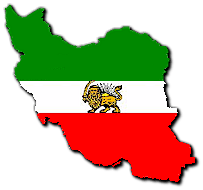


 اخبار مربوط به زندانیان سیاسی و نقض حقوق بشر


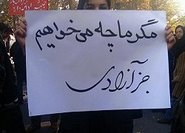


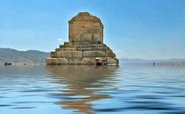



 Tulips in Holland