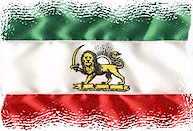

IMPERIAL EMBLEM

PERSIA
Iranian Freedom Fighters UNITE

Showing posts with label Us Military. Show all posts
Showing posts with label Us Military. Show all posts
Thursday, October 30, 2008


Sunday, August 10, 2008
Massive US Naval Armada Heads For Iran : By Lord Stirling
August 8, 2008
Massive US Naval Armada Heads For Iran
Operation Brimstone ended only one week ago. This was the joint US/UK/French naval war games in the Atlantic Ocean preparing for a naval blockade of Iran and the likely resulting war in the Persian Gulf area. The massive war games included a US Navy supercarrier battle group, an US Navy expeditionary carrier battle group, a Royal Navy carrier battle group, a French nuclear hunter-killer submarine plus a large number of US Navy cruisers, destroyers and frigates playing the "enemy force". The lead American ship in these war games, the USS Theodore Roosevelt (CVN71) and its Carrier Strike Group Two (CCSG-2) are now headed towards Iran along with the USS Ronald Reagon (CVN76) and its Carrier Strike Group Seven (CCSG-7) coming from Japan. They are joining two existing USN battle groups in the Gulf area: the USS Abraham Lincoln (CVN72) with its Carrier Strike Group Nine (CCSG-9); and the USS Peleliu (LHA-5) with its expeditionary strike group. Likely also under way towards the Persian Gulf is the USS Iwo Jima (LHD-7) and its expeditionary strike group, the UK Royal Navy HMS Ark Royal (R07) carrier battle group, assorted French naval assets including the nuclear hunter-killer submarine Amethyste and French Naval Rafale fighter jets on-board the USS Theodore Roosevelt. These ships took part in the just completed Operation Brimstone. The build up of naval forces in the Gulf will be one of the largest multi-national naval armadas since the First and Second Gulf Wars. The intent is to create a US/EU naval blockade (which is an Act of War under international law) around Iran (with supporting air and land elements) to prevent the shipment of benzene and certain other refined oil products headed to Iranian ports. Iran has limited domestic oil refining capacity and imports 40% of its benzene. Cutting off benzene and other key products would cripple the Iranian economy. The neo-cons are counting on such a blockade launching a war with Iran. The US Naval forces being assembled include the following: Carrier Strike Group Nine USS Abraham Lincoln (CVN72) nuclear powered supercarrier with its Carrier Air Wing Two Destroyer Squadron Nine: USS Mobile Bay (CG53) guided missile cruiser USS Russell (DDG59) guided missile destroyer USS Momsen (DDG92) guided missile destroyer USS Shoup (DDG86) guided missile destroyer USS Ford (FFG54) guided missile frigate USS Ingraham (FFG61) guided missile frigate USS Rodney M. Davis (FFG60) guided missile frigate USS Curts (FFG38) guided missile frigate Plus one or more nuclear hunter-killer submarines Peleliu Expeditionary Strike Group USS Peleliu (LHA-5) a Tarawa-class amphibious assault carrier USS Pearl Harbor (LSD52) assult ship USS Dubuque (LPD8) assult ship/landing dock USS Cape St. George (CG71) guided missile cruiser USS Halsey (DDG97) guided missile destroyer USS Benfold (DDG65) guided missile destroyer Carrier Strike Group Two USS Theodore Roosevelt (DVN71) nuclear powered supercarrier with its Carrier Air Wing Eight Destroyer Squadron 22 USS Monterey (CG61) guided missile cruiser USS Mason (DDG87) guided missile destroyer USS Nitze (DDG94) guided missile destroyer USS Sullivans (DDG68) guided missile destroyer USS Springfield (SSN761) nuclear powered hunter-killer submarine IWO ESG ~ Iwo Jima Expeditionary Strike Group USS Iwo Jima (LHD7) amphibious assault carrier with its Amphibious Squadron Four and with its 26th Marine Expeditionary Unit USS San Antonio (LPD17) assault ship USS Velia Gulf (CG72) guided missile cruiser USS Ramage (DDG61) guided missile destroyer USS Carter Hall (LSD50) assault ship USS Roosevelt (DDG80) guided missile destroyer USS Hartfore (SSN768) nuclear powered hunter-killer submarine Carrier Strike Group Seven USS Ronald Reagan (CVN76) nuclear powered supercarrier with its Carrier Air Wing 14 Destroyer Squadron 7 USS Chancellorsville (CG62) guided missile cruiser USS Howard (DDG83) guided missile destroyer USS Gridley (DDG101) guided missile destroyer USS Decatur (DDG73) guided missile destroyer USS Thach (FFG43) guided missile frigate USNS Rainier (T-AOE-7) fast combat support ship Also likely to join the battle armada: UK Royal Navy HMS Ark Royal Carrier Strike Group with assorted guided missile destroyers and frigates, nuclear hunter-killer submarines and support ships French Navy nuclear powered hunter-killer submarines (likely the Amethyste and perhaps others), plus French Naval Rafale fighter jets operating off of the USS Theodore Roosevelt as the French Carrier Charles de Gaulle is in dry dock, and assorted surface warships Various other US Navy warships and submarines and support ships. The following USN ships took part (as the "enemy" forces) in Operation Brimstone and several may join in: USS San Jacinto (CG56) guided missile cruiser USS Anzio (CG68) guided missile cruiser USS Normandy (CG60) guided missile cruiser USS Carney (DDG64) guided missile destroyer USS Oscar Austin (DDG79) guided missile destroyer USS Winston S. Churchill (DDG81) guided missile destroyer USS Carr (FFG52) guided missile frigate The USS Iwo Jima and USS Peleliu Expeditionary Strike Groups have USMC Harrier jump jets and an assortment of assault and attack helicopters. The Expeditionary Strike Groups have powerful USMC Expeditionary Units with amphibious armor and ground forces trained for operating in shallow waters and in seizures of land assets, such as Qeshm Island (a 50 mile long island off of Bandar Abbas in the Gulf of Hormuz and headquarters of the Iranian Islamic Revolutionary Guards Corps). The large and very advanced nature of the US Naval warships is not only directed at Iran. There is a great fear that Russia and China may oppose the naval and air/land blockade of Iran. If Russian and perhaps Chinese naval warships escort commercial tankers to Iran in violation of the blockade it could be the most dangerous at-sea confrontation since the Cuban Missile Crisis. The US and allied Navies, by front loading a Naval blockade force with very powerful guided missile warships and strike carriers is attempting to have a force so powerful that Russia and China will not be tempted to mess with. This is a most serious game of military brinkmanship with major nuclear armed powers that have profound objections to the neo-con grand strategy and to western control of all of the Middle East's oil supply. The Russian Navy this spring sent a major battle fleet into the Mediterranean headed by the modern aircraft carrier the Admiral Kuznetsov and the flagship of its Black Sea Fleet, the Guided Missile Heavy Cruiser Moskva. This powerful fleet has at least 11 surface ships and unknown numbers of subs and can use the Russian naval facility at Syria's Tartous port for resupply. The Admiral Kuznetsov carries approximately 47 warplanes and 10 helicopters. The warplanes are mostly the powerful Su-33, a naval version (with mid-air refueling capability) of the Su-27 family. While the Su-33 is a very powerful warplane it lacks the power of the stealth USAF F-22. However, the Russians insist that they have developed a plasma based system that allows them to stealth any aircraft and a recent incident where Russian fighters were able to appear unannounced over a US Navy carrier battle group tends to confirm their claims. The Su-33 can be armed with the 3M82 Moskit sea-skimming missile (NATO code name SS-N-22 Sunburn) and the even more powerful P-800 Oniks (also named Yakhonts; NATO code name SS-N-26 Onyx). Both missiles are designed to kill US Navy supercarriers by getting past the cruiser/destroyer screen and the USN point-defense Phalanx system by using high supersonic speeds and violent end maneuvers. Russian subs currently use the underwater rocket VA-111 Shkval (Squall), which is fired from standard 533mm torpedo tubes and reaches a speed of 360kph (230mph) underwater. There is no effective countermeasures to this system and no western counterpart. A strategic diversion has been created for Russia. The Republic of Georgia, with US backing, is actively preparing for war on South Ossetia. The South Ossetia capital has been shelled and a large Georgian tank force has been heading towards the border. Russia has stated that it will not sit by and allow the Georgians to attack South Ossetia. The Russians are great chess players and this game may not turn out so well for the neo-cons. Kuwait has activated its "Emergency War Plan" as it and other Gulf nations prepare for the likelihood of a major regional war in the Middle East involving weapons of mass destruction. The two-ton elephant in the living room of the neo-con strategy is the advanced biowar (ABW) that Iran, and to a lessor extent Syria, has. This places the motherlands of the major neo-con nations (America, France, the United Kingdom), as well as Israel, in grave danger. When the Soviet Union fell the Iranians hired as many out-of-work former Soviet advanced biowar experts as possible. In the last 15 or so years they have helped to develop a truly world class ABW program utilizing recombination DNA genetic engineering technology to create a large number of man made killer viruses. This form of weapon system does not require high tech military delivery systems. The viruses are sub-microscopic and once seeded in a population use the population itself as vectors. Seeding can be done without notice in shopping malls, churches, and other public places. The only real defense to an advanced global strategic biowar attack is to lock down the population as rapidly as possible and let those infected die off. Unless the public gets it act together and forces the neo-cons to stop the march to yet another war in the Middle East we are apt to see a truly horrific nightmare unfold in OUR COUNTRIES.
Sunday, July 20, 2008
Monday, July 14, 2008
Friday, July 11, 2008
Senate Confirms Petraeus, Odierno- By Jim Garamone
WASHINGTON, July 10, 2008 – The Senate has confirmed Army Gen. David H. Petraeus as commander of U.S. Central Command and Army Lt. Gen. Raymond T. Odierno to receive his fourth star and succeed Petraeus as commander of Multinational Force Iraq. The full Senate confirmed Petraeus by a vote of 95-2 and Odierno by a 96-1 margin. Odierno is the Army’s 3rd Corps commander and served as commander of Multinational Corps Iraq for 14 months. The changes put Petraeus -- who implemented the U.S. surge into Iraq -- in charge of U.S. military forces in a dangerous part of the world. The command stretches from Pakistan to Egypt and from Kazakhstan to the Saudi Arabian peninsula. It includes the war in Afghanistan and, until Oct. 1, also includes control of Joint Task Force Horn of Africa based in Djibouti. Petraeus will take over CentCom after giving his assessment on the post-surge conditions in Iraq. The last surge brigade will leave Iraq at the end of this month. Petraeus called for -- and Defense Department leaders agreed to -- a pause before bringing the U.S. force in Iraq down any further. The decision on further withdrawals probably will not come until mid-September, and Petraeus will not leave the Iraq command until that is complete, officials said. In another general officer announcement today, the White House has officially nominated Gen. Norton A. Schwartz to be Air Force chief of staff and Air Force Gen. Duncan J. McNabb to succeed Schwartz as commander of U.S. Transportation Command, at Scott Air Force Base, Ill. Senate officials could not say when the confirmation hearings for the men would be.
Biographies:
Army Lt. Gen. Raymond T. Odierno
Secretary of Defense Robert Gates speaks with reporters at the Pentagon.
MG Michael Oates Iraq Briefing - 10 July 2008
MG Michael Oates, Commander of Multi-National Division-Center, and 10th Mountain Division, speaks via satellite with reporters at the Pentagon, providing an operational update.
Freedom Watch Afghanistan - 11 July 2008 - The latest from Operation Enduring Freedom showing the activities of American troops in country. Produced by AFN-Afghanistan.
Around the Services - July 10, 2008 - A new Middle East threat emerges as Iran fires off a set of missiles. The Pentagon reopens bidding on an Air Force tanker contract. Plus, Army doctors perform a miraculous procedure.
Wednesday, July 09, 2008
War of The Worlds
Now that things are heating up between US, Israel, and Iran, let’s do a comparison. Shall we? (4 videos)
Sunday, July 06, 2008
Maliki Warns US on Iran; Will not allow Iraqi air space or land in any US Attack
Iran has resumed work on constructing highly sophisticated equipment that nuclear experts say is primarily used for building atomic weapons, according to the latest intelligence reports received by Western diplomats.
The work is aimed at developing the blueprint provided by Dr AQ Khan, the "father" of Pakistan's nuclear bomb, who sold Iran details of how to build atom bombs in the early 1990s.
By Con Coughlin
>Read the Article
Sunday, July 06, 2008
Iraqi Prime Minister Nuri al-Maliki told Bush Friday by video conference that the US could not use Iraqi territory or airspace to attack neighboring Iran.
He basically told Bush to suck it up and negotiate with Ahmadinejad. It is amazing what $70 billion a year in petroleum revenue will do for a prime minister's self-esteem. Al-Maliki met with top Iranian leaders in Tehran recently and appears to have reassured them that Washington would not be allowed to use Iraq as a springboard for an assault. Although some are wondering if al-Maliki is making a declaration of independence from the US, in fact he is just continuing the policy of Iraq's ruling Shiites since 2005 of seeking good relations with both Washington and Tehran.
the Status of Forces Agreement being hammered out between the Iraqi government and the Bush administration, complaining that it sells out Iraq's sovereignty to the US.
Al-Hayat reports in Arabic that al-Maliki
said that Iraq has been able to end the ethnic war that some forces, internal and external, had sought to ignite.
had been broken. But it was in 2004-2005 that Sunni Arab guerrillas were besieging Baghdad. In 2006-2008 the Shiite militias pushed them back and ethnically cleansed about half of the Sunnis from the city. So the most recent significant change is not a breaking of the Sunni siege but the expulsion of hundreds of thousands of Sunnis from their homes. And, I'm afraid that you can't declare the war over as long as hundreds of civilians and more dozens or hundreds of "insurgents" are being killed every month. (The figure of Iraqi dead issued by the US per month excludes killed insurgents and also excludes civilians whose cause of death cannot surely be laid at the feet of political violence). For an alternative interpretation of how the violence in Baghdad was reduced, see Gregg Gordon.At the same event, Abdul Aziz al-Hakim, the clerical leader of the Islamic Supreme Council of Iraq (al-Maliki's main backer in parliament), commended al-Maliki for his military campaigns against the [Mahdi Army] militiamen, saying it was important to establish a monopoly over the use of weaponry in the hands of the government. He also called for the expulsion from Iraq of some 4,000 Iranian activists from the Mujahidin-e Khalq organization, which the US lists as a terrorist group. Al-Hakim is head of the rival Badr Corps paramilitary, trained by the Iranian Revolutionary Guards, and so wants to see rivals such as the Mahdi Army and the Mojahidin-e Khalq weakened.
at a discount in return for a Turkish pledge to raise the level of the water in the Tigris and Euphrates Rivers. They have their headwaters in Anatolia, where Turkey is doing some damming for irrigation. The rivers have been low this spring, harming Iraqi agriculture and raising fears that Turkish dams are beginning to harm Iraq. In part also because of the disappointing rainy season in February, the low water level has allegedly driven many Iraqi poor farmers off their lands to seek work as day laborers in the cities.As usual with Sistani's representatives, al-Karbala'i is talking good sense when he suggests trading cheaper oil for increased water.
McClatchy reports political violence on Saturday:
Baghdad- On Friday night a roadside bombed detonated near the Salama hospital in Yarmouk neighborhood (west Baghdad). Two people were killed and eight others were injured.- Around 11 am a roadside bomb targeted a police patrol in Karrada neighborhood near Andalus intersection downtown Baghdad. Two people were injured including one policeman.- Police found 3 dead bodies in Baghdad : 2 were found in west Baghdad (Karkh bank); 1 in Saidiyah and 1 in Washash. While 1 was found in Ameen in east Baghdad in Risafa bank.Kirkuk- In the morning a roadside bomb targeted an official of the patriotic united of Kurdistan’s convoy. No casualties reported.Diyala- On Friday evening gunmen planted a bomb near a house at Shuhdaa neighborhood in Jalwlaa (northeast Baquba). Six people from one family were injured when the bomb exploded (a wife, four daughters and a son).Anbar- At 10:55 am a roadside targeted Khalid Abu Mihahid a leader of the Islamic party in Falluja near the Islamic headquarter. He was injured with two of his guards."
Saturday, July 05, 2008
Tuesday, July 01, 2008
Breaking: Iran to Suspend Uranium Enrichment for Six Weeks , Farsi Site Says
A Farsi-reading academic writes to a Gulf oriented list that it appears that Iran has decided to suspend uranium enrichment, as a goodwill gesture, for a period of six weeks. "This action will be taken in return for no further sanctions, and resumption of negotiations with the 5+1 group during this period based on the latest proposed package."
"Suspension for suspension" as former US Iran envoy Nick Burns called it.
I am trying to confirm. The academic adds that, "Dr. Ali Akbar Velayati, former FM and advisor to the Iranian leadership on international affairs, has made comments along this linetoo."
Perhaps the massive "they're gonna bomb" campaign (see our "Iran Panic" forum) served its purpose?
Kuwait plans for Iranian oil blockade FT.com -
 Contractors in Iraq lose immunity CNN 19:12
Israel's Olmert Warns of Military Response to Gaza Attacks Voice of America News - Politics 19:11
 Behind the scenes soldier takes on top Canadian job 14 minutes ago canada.com - Vancouver Sun 19:08
Oil Jumps on Fears Iran Could Be Attacked TheStreet.com 19:08 Qatar cabinet names woman, adds environment ministry FT.com -
Will the U.S. open an office in Iran? Christian Science Monitor - USA 19:24
 'Weak' Iran ripe to be attacked Asia Times Online - Middle East News 11:34
 Denying Hersh’s report, US envoy refers to PJAK as terrorist Today's Zaman - News 00:03
 Iranian blockade 'an act of war' Gulf Daily News 23:02 30-Jun-08
 White House mum on alleged coverts ops in Iran AFP - Stories 22:36 30-Jun-08
News Form Hell On Earth - The Mullah Land.
Pentagon Official Warns of Israeli Attack on Iran
iranvajahan Tuesday, July 1, 2008 11:10:00 AM CEST
Translate:[ar] [zh] [fr] [de] [it] [ja] [ko] [pt] [ru] [es]
WASHINGTON -- Senior Pentagon officials are concerned that Israel could carry out an attack on Iran's nuclear facilities before the end of the year, an action that would have enormous security and economic repercussions for the United States and the rest of the world....
Interview with Israeli Politician Isaac Ben-Israel: 'Israel Will Not Stand By While Iran Builds the Bomb'
spiegel-en Tuesday, July 1, 2008 11:08:00 AM CEST
(Translate:[ar] [zh] [fr] [de] [it] [ja] [ko] [pt] [ru] [es]
Isaac Ben-Israel, a former Israeli Air Force general and now member of the ruling Kadima party, spoke with SPIEGEL about the limits of sanctions in dealing with Iran's nuclear program. He says Israel is prepared to mount a military strike against the mullah regime if diplomacy fails....
dailytimesPK Monday, June 30, 2008 11:13:00 PM CEST
TEHRAN: Iran has made new changes at its Supreme National Security Council (SNSC), which looks after negotiations with the West in the nuclear crisis, the Mehr news agency reported on Monday. Javad Vaeedi has been replaced as the council’s deputy head in charge of international affairs by Ali.......
MANAMA (Agencies): The commander of the US navy’s Fifth Fleet warned on Moday that the United States will not allow Iran to shut the Strait of Hormuz
arabtimes Tuesday, July 1, 2008 8:31:00 AM CEST
Translate:[ar] [zh] [fr] [de] [it] [ja] [ko] [pt] [ru] [es]
Strait of Hormuz, the Gulf sea lane through which much of the world’s oil is supplied. “They will not close it... They will not be allowed to close it,” Vice-Admiral Kevin J. Cosgriff told a press conference in Bahrain, where the Fifth Fleet is His remarks followed comments by the chief of Iran’s elite Revolutionary Guards, General
arabtimes Monday, June 30, 2008 9:14:00 AM CEST
Translate:[ar] [zh] [fr] [de] [it] [ja] [ko] [pt] [ru] [es]
leadership, according to a report in The New Yorker magazine published online on Sunday. The article by reporter Seymour Hersh, from the magazine’s July 7 and 14 issue, centers on a highly classified Presidential Finding signed by Bush which by US law must ....
Israel getting too big for its britches: Rafsanjani
tehrantimes Sunday, June 29, 2008 8:51:00 PM CEST 
Monday, June 30, 2008
Tuesday, May 27, 2008
Freedom Watch Afghanistan : 27 May 2008
The latest from Operation Enduring Freedom showing the activities of American troops in country. Produced by AFN-Afghanistan.
Confirmation hearings begin for the top military commander in Iraq. The Vice President speaks at the Coast Guard graduation. A ride with the Air National Guard.
Sen. Biden on Iran & GI Bill
Confirmation hearings begin for the top military commander in Iraq. The Vice President speaks at the Coast Guard graduation. A ride with the Air National Guard.
Sen. Biden on Iran & GI Bill
Sunday, May 18, 2008
Iran Prepares for a US attack
Planned US Israeli Attack on Iran: Will there be a War against Iran? by Michel Chossudovsky | |
 | |
Global Research, May 14, 2008 | |
The media has failed to cover the history of US war preparations directed against Iran. News coverage of US sponsored war preparations in relation to Iran started to surface in early 2007 in scanty press reports. | |

 Print this article
Tuesday, May 06, 2008
Iraq to Form Committee to Document Iranian Interference By Jim Garamone
WASHINGTON, May 5, 2008 - American Forces Press Service
The Iraqi government will form a committee to document Iranian interference inside Iraq, an Iraqi government spokesman said in Baghdad yesterday.
Ali al-Dabbagh spoke during a news conference with Multinational Force Iraq spokesman Navy Rear Adm. Patrick Driscoll. The Iraqi leader spoke after representatives of the Iraqi United Alliance party returned from Iran, where they met with officials in Tehran about Iranian interference in Iraq. "The Iraqi government thinks the positive relationship with Iran is through the elected government," Dabbagh said through an interpreter. "There shouldn't be any financing [or] training for any other side outside the government." Coalition and Iraqi officials have accused Iran of training and financing Shiite Iraqi militant elements that coalition military officials call "special groups." Iran also has smuggled arms -- including explosively formed projectiles designed to pierce armored vehicles -- into Iraq. Extremists are using these weapons against coalition and Iraqi security forces and against innocent Iraqi civilians, officials said. Illegal militias are a large problem especially in Shiite areas of the country. "It is not possible that there is a parallel force outside the government," Dabbagh said. "No institute or party can share responsibility with the government. We should be a government of institutions that respect the law and not a government that allows militias and chaos." Iraq wants good relations with Iran, and the visit by the Iraqi United Alliance members helped with that dialogue, the spokesman said. "The mission has been successful, and both sides understand we need security and stability in Iraq," Dabbagh said. "There can be no stability in Iran unless there is stability in Iraq. That is the message that has been sent and received." Iraqi Prime Minister Nouri al-Maliki has ordered a committee to document any Iranian interference in Iraq's affairs. "The committee will examine all allegations and prove whether this country is trying to interfere or not," Dabbagh said. Multinational Force Iraq "is supporting all venues that lead to good dialogue and a peaceful resolution," Driscoll said. The admiral also noted a downturn in high-profile al-Qaida attacks in Iraq in April. This reverses the trend since January. "These attacks are used by al-Qaida to try to incite sectarian violence," Driscoll said. "But by and large, I think the Iraqi people have rejected that failed ideology." Al-Qaida is being squeezed out of Iraq, as the terror group neither holds swaths of territory nor controls cities, the admiral said. "But they do remain a very lethal threat and actively pursued out in Anbar, the Diyala River valley and up in Mosul," he said. The U.S. drawdown continues on schedule, Driscoll said, with the last of the U.S. surge brigades set to leave Iraq by mid-summer. "There will be a period of about 45 days where we are going to consolidate and evaluate the situation on the ground and then continue withdrawing troops," he said. Any further U.S. withdrawal after the final surge brigades leave will be conditions-based, he noted. "[Commanders will] work closely with Iraqi security forces and with the government of Iraq to make that assessment," he said.
Hezbollah Training Iraqi Shiite Extremists in Iran
May 06, 2008 The Associated Press Patrick Quinn
BAGHDAD -- Iraqi Shiite extremists are being trained by members of the Lebanese militant group Hezbollah in camps near Tehran, a U.S. military spokesman said Monday.Iraqis are receiving the training at camps operated by the Quds Force, an elite unit of Iran's Revolutionary Guard Corps that has been accused of training and funneling weapons to Shiite extremists in Iraq, Air Force Col. Donald Bacon, a U.S. military spokesman in Baghdad, told The Associated Press."We have multiple detainees who state Lebanese Hezbollah are providing training to Iraqis in Iranian IRGC-QF training camps near Tehran," Bacon said.The Quds Force is also known as the Iranian Revolutionary Guards Corps-Quds Force, or IRGC-QF. Al-Quds is the Arabic name for Jerusalem.The Quds Force is believed to operate overseas, helping to create the militant Shiite Hezbollah group in 1982 in Lebanon and to arm Bosnian Muslims during the Balkan wars.The first reports of Hezbollah training of Shiite extremists emerged in March 2007, when U.S. forces captured Qais Khazali, the senior Special Groups leader for Iraq, and Ali Mussa Daqduq, a senior Lebanese Hezbollah commander captured along with him. The arrests took place in the Shiite holy city of Karbala."Ali Mussa Daqduq confirmed Lebanese Hezbollah were providing training to Iraqi Special Group members in Iran and that his role was to assess the quality of training and make recommendations on how the training could be improved," Bacon told The AP in an e-mail.Since then, Bacon said, "we have captured other Iraqis who have discussed their training in Iran and who state many of their instructors were Lebanese Hezbollah."The U.S. has accused Iran of supporting Shiite militias in Iraq. But Iran, which is predominantly Shiite like Iraq, has blamed violence in the war-torn country on the U.S. presence.U.S. and Iraqi forces have for the past six weeks battled Shiite extremists in Baghdad and the southern city of Basra. Hundreds of people have been killed in the fighting against the so-called "special groups" that have broken away from anti-American cleric Muqtada al-Sadr's Mahdi Army militia.Iran said Monday it would not hold a new round of talks with the U.S. on security in Iraq until American forces end their assault against Shiite militias.Iraq's government spokesman said Sunday that the crackdown will continue even if Iran pulls out of the talks.A five-member Iraqi delegation was sent to Tehran last week to try to choke off suspected Iranian aid to militiamen. They met with Gen. Ghassem Soleimani, commander of the Quds Force, but no clear details emerged from the meeting.
Iraqi, Coalition Forces Detain 15 Suspected Terrorists American Forces Press Service
WASHINGTON, May 6, 2008 - Iraqi and coalition forces detained 15 suspected terrorists, including two wanted individuals, while targeting al-Qaida operations throughout Iraq today.
-- In two coordinated operations 60 miles north of Baghdad, coalition forces detained nine suspected terrorists, including a wanted man believed to work in the foreign-terrorist-facilitation network. When coalition forces arrived at the target building, three suspects crept out the back and into tactical positions behind a vehicle. Coalition forces perceived hostile intent from the men and called for supporting aircraft to engage them. One suspected terrorist was wounded in the engagement and taken to a military medical facility. -- Iraqi and coalition forces in Kirkuk captured a wanted man believed to distribute extremist propaganda and work with al-Qaida in Iraq terrorists. -- In Tarmiyah, 25 miles north of Baghdad, coalition forces detained four suspects while targeting a terrorist tied to several al-Qaida in Iraq networks in central Iraq. -- While targeting an al-Qaida operative in Mosul who coordinates attacks against them, coalition forces detained one suspected terrorist. "Iraqi and coalition efforts to stop the violence al-Qaida in Iraq terrorists inflict on Iraqi citizens continue in earnest," said Army Lt. Col. Maura Gillen, a Multinational Force Iraq spokeswoman. "We are working with the elected government to help provide a more secure future for the Iraqi people." In other news from Iraq, Iraqi security forces and Multinational Division Baghdad soldiers killed nine criminals and discovered weapons caches during night operations in Baghdad yesterday and today. -- At about 6:35 p.m., soldiers from 11th Iraqi Army Division discovered six rocket-propelled grenades and two explosively formed projectiles in New Baghdad. -- Iraqi army soldiers from 24th Brigade, 6th Iraqi Army Division, discovered 32 81 mm mortar rounds while on patrol west of Baghdad at about 7 p.m. -- At about 7 p.m., Iraqi national policemen from 1st Battalion, 1st Brigade, 1st National Police Division, discovered a weapons cache in the courtyard of the Imam Ali Mosque in the Ghadier neighborhood of Baghdad. The police found five explosively formed projectiles, two improvised explosive devices, five rocket rails, three grenades and numerous rounds of various ammunitions. Soldiers from the 4th Brigade Combat Team, 10th Mountain Division, provided a security cordon outside the mosque. -- At about 9:20 p.m., Iranian-trained "special groups" fighters fired upon a barrier emplacement team in Baghdad's Sadr City neighborhood. An aerial weapons team was called in support of troops in contact and fired one Hellfire missile, eliminating the criminal threat. -- Soldiers from 1st Battalion, 64th Armor Regiment, 3rd Infantry Division, currently attached to 3rd Brigade Combat Team, 4th Infantry Division, and Iraqi army soldiers from the 11th Iraqi Army Division, were attacked with rocket-propelled grenades in Sadr City. Iraqi army soldiers engaged the dismounted criminals with RPGs, and soldiers from 1-64 Armor fired two M1A2 Abrams tank rounds, killing six criminals. -- At about 2:50 a.m., an aerial weapons team witnessed criminals emplacing an improvised explosive device in New Baghdad. The team fired two Hellfire missiles and killed three criminals. "Iraqi security forces and U.S. soldiers are working side by side to eliminate the criminal elements, discovering and seizing weapons caches and capturing or killing criminals involved in violent attacks against innocent Iraqi civilians and Iraqi and coalition forces," said Col. Allen Batschelet, chief of staff of Multinational Division Baghdad and 4th Infantry Division. "They put their lives on the line daily for the Iraqi people; they are all heroes." Also yesterday, an improvised explosive device struck an emergency services unit of the Kirkuk police force at about 9 a.m. One member of the unit was killed, and seven were wounded in the attack. An explosive ordnance detachment and quick reactionary force immediately responded to the scene of the attack, which occurred on a popular thoroughfare frequented by morning commuters. "These cowards will utilize any means necessary to stop the attempts by the courageous people of Kirkuk and its [Iraqi security forces] to bring about peace and stability to their city," said Army Col. David Paschal, commander of 1st Brigade, 10th Mountain Division. "It's too late. These tactics will only strengthen the resolve of its citizens and the ISF that protect them. There are no more places to run and hide for these violent criminals." In other operations yesterday, Multinational Division Baghdad soldiers killed two criminals and discovered two weapons caches in Baghdad. -- At about 5:15 a.m., soldiers with 1st Brigade Combat Team, 4th Infantry Division, discovered a weapons cache containing 60 mm mortar rounds, a rocket-propelled-grenade launcher, an RPG warhead, a light anti-tank weapon, a PKC light machine gun, an RPG fuse and PKC rounds. -- At about 8 a.m., soldiers with 2nd Brigade Combat Team, 101st Airborne Division, discovered two large containers filled with 7.62 mm rounds while on a combat patrol. -- At about 10:30 a.m. in the eastern Baghdad neighborhood of Ur, a Multinational Division Baghdad patrol was attacked by criminals using small-arms fire. The soldiers returned fire and killed one special groups criminal. -- At about 11:50 a.m., a Multinational Division Baghdad patrol received small-arms fire at a joint security station in southern Sadr City. An air weapons team fired two Hellfire missiles on the criminals' position. The team engaged with a third missile when the small-arms fire continued. There was no further contact. -- At about 2:40 p.m. in the eastern Baghdad neighborhood of Jamilla, an unmanned aerial vehicle observed two special groups criminals emplacing an improvised explosive device in the median of the roadway. An air weapons team engaged the two, killing one and wounding the other. The wounded criminal was loaded into a vehicle and evacuated by other criminals. The IED was destroyed in the strike. "The MND-B soldiers represent the best of our nation and are true professionals," Batschelet said. "They can transition from engaging a hostile enemy to providing assistance to the Iraqi people. They are warriors, peacekeepers and humanitarians." Elsewhere yesterday, terrorists attacked Iraqi army members manning a security checkpoint in Diyala Province. Ten Iraqi army soldiers were killed and 13 were wounded. The wounded were evacuated to a nearby medical facility. "Attacks of this nature against those who are working to protect the citizens of Iraq and make the new Iraq safer for all citizens are yet another example of the barbarous nature of al-Qaida in Iraq," said Army Maj. Peggy Kageleiry, a Multinational Division North spokeswoman. In a separate operation yesterday, Multinational Division Baghdad soldiers detained 15 suspects while conducting night operations in the New Baghdad district of eastern Baghdad. Soldiers from 4th Brigade Combat Team, 10th Mountain Division, detained 15 suspects and seized bomb-making materials as well as a large amount of Iranian currency. Seven of the 15 detainees were held for questioning. "Operations to enforce the rule of law, detain criminal elements and disrupt their networks continue across Baghdad," said Army Lt. Col. Steve Stover, a Multinational Division Baghdad spokesman. "We are chipping away at their ability to intimidate innocent Iraqis and conduct their criminal activities." Iraqi counterterrorism force teams advised by U.S. Special Forces soldiers engaged special groups criminals conducting a small-arms-fire attack in Baghdad in two separate operations May 4 and yesterday, killing seven and detaining two. During the May 4 operation, Iraqi forces killed one special groups fighter who was attacking an Iraqi police station and coalition forces with small-arms fire from a rooftop. As the team left the area, they were attacked again by small-arms fire from three more gunmen. The Iraqi team returned fire, killing two. In the Shoalah neighborhood in northern Baghdad, the Iraqi team conducted an operation yesterday to prevent special groups activity and disrupt improvised-explosive-device networks. During the operation, special groups criminals attacked the team with an IED and small-arms fire. As a firefight developed, U.S. Special Forces soldiers authorized a coalition aircraft to engage the enemy. The aircraft fired four rounds, killing one enemy fighter. The Iraqi team then cleared two structures in the area and detained two individuals for questioning. After clearing the two structures, the team left the neighborhood and was attacked by three more gunmen. The Iraqi counterterrorism force troops returned fire, killing all three enemy fighters. "Operations to enforce the rule of law, detain criminal elements and disrupt their networks continue across Baghdad," said Col. Bill Buckner, a Multinational Corps Iraq spokesman. "We are chipping away at their ability to intimidate innocent Iraqis and conduct their criminal activities." In earlier operations, Kirkuk's emergency services unit and the Aruba police conducted a successful joint operation against members of a suspected kidnapping ring May 4. One of the suspects opened fire on police as they approached the target house. The police returned fire, killing the gunman. An Aruba policeman also was wounded in the attack. During a search of the premises, police recovered eight false identification cards, one AK 47 rifle with 35 magazines, and one pistol with 23 magazines. The police also detained another occupant in the house, who is been held for questioning. "The police are doing an excellent job of targeting criminal elements in Kirkuk," Paschal said. "The city's police forces are well-trained and prepared to defend their citizens." Iraqis who fail to obey the rule of law will be found out and brought to justice by Iraqi security forces and the people of Kirkuk, Paschal added. (Compiled from Multinational Corps Iraq and Multinational Force Iraq news releases.)
Related Sites: Multinational Corps Iraq - Multinational Force Iraq
Iran Must Finally Pay a Price
May 05, 2008 - The Wall Street Journal - Fouad Ajami
We tell the Iranians that the military option is "on the table." But three decades of playing cat-and-mouse with American power have emboldened Iran's rulers. We have played by their rules, and always came up second best.Next door, in Iraq, Iranians played arsonists and firemen at the same time. They could fly under the radar, secure in the belief that the U.S., so deeply engaged there and in Afghanistan, would be reluctant to embark on another military engagement in the lands of Islam.This is all part of a larger pattern. As Tehran has wreaked havoc on regional order and peace over the last three decades, the world has indulged it. To be sure, Saddam Hussein launched a brutal war in 1980 against his nemesis, Ayatollah Ruhollah Khomeini. That cruel conflict, which sought to quarantine the revolution, ended in a terrible stalemate; and it never posed an existential threat to the clerical state that Khomeini had built. Quite to the contrary, that war enabled the new rulers to consolidate their hold.Over the course of its three decades in power, this revolutionary regime has made its way in the world with relative ease. No "White Army" gathered to restore the lost dominion of the Pahlavis; the privileged classes and the beneficiaries of the old order made their way to Los Angeles and Paris, and infidel armies never showed up. Even in the face of great violation – the holding of American hostages for more than 400 days – the indulgence of outside powers held.Compare the path of the Iranian revolutionaries with the obstacles faced by earlier revolutions, and their luck is easy to see. Three years into their tumult, the tribunes of the French Revolution of 1789 were at war with the powers of Europe. The wars of the French Revolution would last for well over two decades. The Bolsheviks, too, had to fight their way into the world of states. The civil war between the White and Red Armies pulled the Allies into the struggle. A war raged in Russia and in Siberia. It was only in 1921 that Britain granted the Soviet regime de facto recognition.In its first decade, the Iranian revolution was a beneficiary of the Cold War. From the vantage point of the U.S., the Iranians had the most precious of assets – a long border with the Soviet Union. Americans were reluctant to push the new clerical regime into the Soviet orbit. The crisis that nearly shattered the Reagan presidency, the covert sale of arms to Iran authorized by Ronald Reagan himself, stemmed from this reading of Iran as the "underbelly of the Soviet Union."In retrospect, the U.S. exaggerated the weakness of the Iranian theocrats in the face of the communist menace within Iran, and on the Soviet border. Nearby was the great struggle for Afghanistan, the last fight of the Cold War, and this too was a boon to the Iranian clerics.Many thought that the Iranian moderates would turn up in the fullness of time. In his inaugural speech, George H.W. Bush offered an olive branch to Iran's rulers: "Goodwill begets goodwill," he said. A decade later, in the typical Clintonian spirit of contrition and penance, Secretary of State Madeleine Albright gave Iran's rulers an outright apology for America's role in the coup that overthrew the nationalist leader Mohammad Mussadiq in 1953. The coup "was clearly a setback for Iran's political development," she said, part of a flawed American diplomacy that aided the Shah's government as it "brutally repressed political dissent."But the clerics have had no interest in any bargain with the U.S. Khomeini and his successors have never trusted their society's ability to withstand the temptations of normal traffic with America. Furthermore, oil wealth granted Iran's rulers an exemption from the strictures of economic efficiency. They would pay the price of economic sanctions and deny their country the benefits of access to the American market, because their hold on political power trumped all other concerns.At any rate, the market was forgiving. The European Union, Turkey, the United Arab Emirates, and China in later years, would supply Iran with all the technology and imports it needed. Oil revenues enabled the regime to defy the power of outsiders.Tehran has never needed to remake itself into a warrior state. The skills of the bazaar and the ways of terror have seen it through. They could feud with the United Arab Emirates over small contested islands while turning Dubai into a veritable extension of the Iranian economy. They have been painfully good at probing the limits of tolerable conduct abroad. They have harassed Arab rulers while posing as status quo players at peace with the order of the region.There were also proxies willing to do Tehran's bidding: Hezbollah in Lebanon, warlords and militias in Iraq, purveyors of terror for the hire. To be sure, there is enough American power in the region – and enough Arab resources – to balance that of Iran. But the Iranian state has had a feel for stepping back from the brink when it truly mattered.The leaders who oversee the American project in Iraq now see Iran as the principal threat to our success there. Ambassador Ryan Crocker, a diplomat with a thorough knowledge of the region, has spoken of an Iranian attempt to "Lebanonize" Iraq – to subvert the country through the use of proxies.In Iraq, the Iranians have been able to dial up the violence and dial it down, to make promises of cooperation to the government of Prime Minister Nouri al-Maliki while supplying Shiite extremists with weapons and logistical support. "Lebanonization" may be an exaggerated fear, because Iraq is much larger and wealthier than Lebanon, and more jealous of its own sovereignty. But the low-level warfare against American soldiers by Shiite groups – aided and abetted by Iran – may be responsible for hundreds of American deaths.The hope entertained a year or so ago, that Iran would refrain from playing with fire in Iraq, has shown to be wishful thinking. Iran's nuclear ambitions are of a wholly different magnitude. But before we tackle that Persian menace, the Iranian theocrats will have to be shown that there is a price for their transgressions.Mr. Ajami, a Bradley Prize recipient, teaches at the School of Advanced International Studies at Johns Hopkins University. He is the author of "The Foreigner's Gift" (Free Press, 2006).
Sunday, April 27, 2008
US Warns Iran of Retaliation Over Iraq Action
US Warns Iran of Retaliation Over Iraq Action
April 27, 2008 - The Times - Sarah Baxter in Washington
America's top military officer has ratcheted up the pressure on Iran by issuing an unusual public warning that the Pentagon is planning for “potential military courses of action”.
Admiral Mike Mullen, chairman of the joint chiefs of staff, blamed the Iranian government and Quds force of the Iranian Revolutionary Guard for its “increasingly lethal and malign influence” in Iraq. He said conflict with Iran would be “extremely stressing” for America’s overstretched forces, but added: “It would be a mistake to think that we are out of combat capability.”
Mullen said he was increasingly concerned about Iran’s growing involvement in supplying munitions and training to rebel Shi’ite militias and “killing American and coalition soldiers in Iraq”. Speaking at a Pentagon news conference late on Friday, he said recent operations in the southern port city of Basra had revealed “just how much and how far Iran is reaching into Iraq to foment instability”. A Pentagon source said the admiral’s frankness was “extremely significant” and could pave the way for some form of attack on Iran. However, Mullen said: “The solution right now still lies in using other levers of national power, including diplomatic, financial and international pressure.”
Mullen’s tough rhetoric came shortly after General David Petraeus, the US commander in Iraq responsible for the troop surge, briefed Congress about the “nefarious activities” of the Quds force in stirring violence in Iraq. There were a total of 923 civilian deaths in Iraq last month, the highest number since August 2007. “We should all watch Iranian actions closely in the weeks and months ahead, as they will show the kind of relationship that Iran wishes to have with its neighbour,” Petraeus said. Petraeus was nominated last week to take over as commander of all US forces in the Middle East from Admiral William Fallon, who resigned in March after becoming an outspoken critic of American policy towards Iran. Petraeus has been asked to prepare a briefing on the extent of Iranian involvement in Iraq. It will include the recovery of weapons with date stamps showing that they were recently manufactured in Iran. American officers claim that Iran is responsible for new, highly dangerous roadside bombs in Iraq and accuse Iranian-trained militants of responsibility for the deadliest rocket and mortar attacks on Baghdad’s green zone.
“The question is not if Iran is unhelpful in Iraq,” said Philip Crowley, a retired air force colonel and defence expert at the Center for American Progress in Washington. “The question is what to do about it.” Robert Gates, the US defence secretary, said last Monday that Iran is “hell-bent on acquiring nuclear weapons”. He added that war would be “disastrous” but the military option must remain on the table. However, a senior defence source said the administration regarded Iran’s nuclear programme and its interference in Iraq as separate problems, requiring different tactics and solutions.
Moqtada al-Sadr, the Iranian-backed radical Shi’ite cleric, called on his followers at Friday prayers to stop fighting Iraqi troops and unite against “the occupiers” – US troops.
Iran News Round Up [Michael Rubin]
(Thanks to Ali Alfoneh for his compilation and Meir Javedanfar for his suggestions)
Politics
· Former president Mohammad Khatami, while voting for the second round of parliamentary elections, answers a journalists' question regarding his readiness to run for presidency: "I have retired."
· Radical cleric Hadi Ghaffari incited physical fights with pro-Karrubi reformists present at a University of Tabriz debate.
· Initial results from Tehran show the Grand Principalist Alliance won the second round of parliamentary elections. More.
o English language report on run-offs.
o Photo essay of results announcement.
· Ayatollah Kashani urges the government to pay more attention to the inflation, but adds that "presence of the people in the scene during the second round of parliamentary elections shows the strength of the regime."
· Mousavi Lari wonders what emergency made Ahmadinejad change the minister of interior right before the second round of parliamentary elections.
o Rafsanjani says the incident shows the necessity of a "real reform of the election procedures as described in the law."
o Commander Afshar, the person in charge of the conduct of the parliamentary elections, says the press "imposed change of the minister of interior to the government."
Religion, Culture, and Society
· Ayatollah Javadi Amoli: " University text books should become Islamized…The universities should be cleansed of secular books."
o Minister of higher education Zahedi: "The fundamental texts of the humanities at our universities are extracted from Western sources...the conditions should be ripe to adorn such studies with the thoughts expressed in the Quran, sayings of the great men of religion and on this foundation make the connection between such material and the scientific matters...Why should we not use divine methodology in the fields of psychology and psychiatry?"
· Grand Ayatollah Hossein-Ali Montazeri comments upon Iranian religious philosopher Abdol-Karim Soroush's claim that the Quran is not the words of God, but the words of the prophet Muhammad.
· A schoolteacher’s depressing report about the Islamic Republic's "Generation X.”
Human Rights and Labor
· The student monthly Patogh of journalism department at Emam Sadeq University shut down by Ahmadzadeh Kermani, the 29-year-old dean of the university.
· For the second consecutive day, 100 students stage a sit-in at the Department of Industrial Engineering of Sahand University in Tabriz. According to the placards, the students are demanding resignation of Dr. Zahed, vice dean of the university responsible for security matters, abolition of separation of the sexes, abolition of all the rulings of the disciplinary committee of the university, and ending sexual discrimination when it comes to the students’ right to participate in cultural matters. Photo essay.
· President of Unemployed Workers Union jailed.
Military and Security
· According to Akhbar-e Rooz, two alleged Kurdish smugglers, 15 and 21 years old, killed in skirmishes with the Law Enforcement Forces.
Diplomacy
· Malay authorities bar the Islamic Republic from an arms exhibit.
· According to some reports, the Islamic Republic embassy in London has denied a visa to English footballer David Beckham out of fear of "chaos" and "uproar of fans" in Iran.
· The Islamic Republic denies an incident in the Persian Gulf in which a U.S. ship allegedly fired warning shots near an Iranian vessel.
Economy and Trade
· Member of a commission investigating the tobacco business in Iran says the Iranian president has been misinformed with regard to concessions in the industry.
· A report from the Islamic Republic customs discloses that public enterprises importing meat and butter import the products at subsidized prices, but sell them on the market at inflated prices.
· Ahmadinejad in Hamadan: "The [bank] interest we had before was against the Shari'a."
· Right wing economist Khosh-Chehreh distances himself from Ahmadinejad, criticizes the economic policies of the government.
· Ali Safar-Ali, chief of the largest shipping company of the Islamic Republic, Bonyad, says most Iranian ships sail under "free" flags to evade sanctions.
Photo of the Day
· Ahmadinejad helps woman who faints after meeting him.
04/26 12:23 PM
Saturday, April 26, 2008
Thursday, April 24, 2008
NEWS CENTRAL - The latest news from around the world
نکته بیستم از پنجاه نکته اساسی مبارزه مسالمت آميز
U.S. Says New Find Shows Iran Still Sends Arms to Iraq
April 25, 2008 - The Wall Street Journal - Yochi J. Dreazen
The U.S. military says it has found caches of newly made Iranian weapons in Iraq, leading senior officials to conclude Tehran is continuing to funnel armaments into Iraq despite its pledges to the contrary.Officials in Washington and Baghdad said the purported Iranian mortars, rockets and explosives had date stamps indicating they were manufactured in the past two months. The U.S. plans to publicize the weapons caches in coming days. A pair of senior commanders said a presentation was tentatively planned for Monday.The allegations, which couldn't be independently verified, mark a further hardening of U.S. rhetoric on Iran, which senior American officials now describe as the greatest long-term threat to Iraq.This month, Adm. Michael Mullen, chairman of the Joint Chiefs of Staff, said Iranian support for Shiite extremist groups had grown. Defense Secretary Robert Gates said for the first time that he believed Iranian President Mahmoud Ahmadinejad knew about the shipments.
Iran has long denied that its government knowingly funneled weapons into Iraq or trained Shiite militants there. It has derided the U.S. claims as propaganda. Several senior U.S. military officials said the weapons caches would undercut the Iranian denials and provide new evidence of continuing Iranian support for Shiite militants across Iraq."You can see the manufacturing dates right on the armaments themselves," one senior commander in Baghdad said. "These are very clearly weapons that were made in the last month or so."Rear Adm. Gregory Smith, the top American military spokesman in Baghdad, said U.S. officials were "working on a briefing that we hope to be able to deliver in the next week or so." He said he would not be "disclosing the substance of the brief."Last fall, U.S. and Iraqi officials said Mr. Ahmadinejad had told the government of Iraqi Prime Minister Nouri al-Maliki that Tehran would take steps to curb shipments of Iranian weaponry into Iraq.The weapons of deepest concern to U.S. officials were explosively formed penetrators, or EFPs, which U.S. officials accuse Iran of manufacturing and shipping to Shiite militants. EFPs, which are capable of punching through even the strongest U.S. armor, have been responsible for hundreds of American deaths.The number of EFP attacks began to sharply decline after the Iranian assurances, resulting in a significant reduction in U.S. military casualties. That led several senior State Department officials to conclude that Tehran was honoring its commitments.At the Pentagon, Mr. Gates and other top military officials have been skeptical, arguing it was too soon to draw that conclusion.The number of EFP attacks against U.S. forces has rebounded this year. American commanders accuse Iran of providing the rockets that rained down on the heavily fortified Green Zone in Baghdad recently, killing several Americans. U.S. officials said Iran provided the weaponry that Shiite militants used in block-by-block fighting with Iraqi government security forces in the southern port city of Basra this month.Gen. David Petraeus, the top U.S. commander in Iraq, focused his recent congressional testimony almost exclusively on Iran, which he said was playing a "destructive role" by funneling advanced weaponry to Shiite militants in Iraq.
Within the State Department, views about Iran have also been hardening. Ryan Crocker, the U.S. ambassador to Iraq, told reporters last year that there were signs Tehran was "using some influence to bring down violence from extremist Shia militias." Earlier this month, by contrast, he said Iran was playing a "highly dangerous" role in Iraq, and directly accused Tehran of providing the deadly rockets that slammed into the U.S. Embassy compound where he lives and works.Mr. Crocker also said that recent talks between U.S., Iraqi and Iranian officials had made little progress and failed to persuade Iran to change its behavior in Iraq.Still, U.S. officials have until recently acknowledged uncertainty when the Iranian armaments used in Iraq were manufactured. If the rockets and explosives were made before Iran's vow to curb weapons shipments, it was possible Tehran was abiding by its commitment.In light of the new discovery, U.S. officials say they feel confident Iran is continuing to produce weapons and ship them to Iraqi militants. Some of the newly found weapons had manufacturing dates stamped on the weapons themselves, while others were in sealed containers that had similar manufacturing information, the officials said.
Joint Chiefs Chairman Assails Iran's Role in Iraq
WASHINGTON -- The government of Iran continues to supply weapons and other support to extremists in Iraq, despite repeated promises to the contrary, and is increasingly complicit in the death of American soldiers, the chairman of the Joint Chiefs of Staff said Friday in a stark new assessment of Iranian influence. more
The Petraeus Effect
By signalling an aggressive posture by the US toward Iran, the promotion of George Bush's favourite general is a dangerous miscalculation more
Navy-Contracted Vessel Fires Warning Shots on Fast Boats in Persian Gulf
A vessel contracted by the Navy in the Persian Gulf fired warning shots Thursday on two fast boats believed to be of Iranian origin.
Polling Stations Quiet in Iran Parliamentary Election
TEHRAN -- Polls opened in Tehran and other areas of Iran on Friday for runoff elections to fill the 82 seats in the 290-member Parliament in which there was not a clear winner in the first round
Rice to Make Trip to Britain, Israel, West Bank
WASHINGTON -- US Secretary of State Condoleezza Rice will travel to Britain, Israel and the West Bank for talks on Iran's nuclear program, Kosovo and Middle East peace efforts, the State Department said Friday
شلیک کشتی آمریکايی بسوی قایقهای سپاه در خلیج فارس
به گزارش خبرگزاری فرانسه از واشنگتن، یک مقام وزارت دفاع آمریکا امروز اعلام کرد یک کشتی متعلق به نیروی دریايی آمریکا بسوی دو قایق تندروی سپاه پاسداران در آبهای خلیج فارس بمنظور هشدار شلیک کرده است. این حادثه روز گذشته روی داد.
مقام وزارت دفاع آمریکا که نخواست نامش فاش شود، گفت ملوانان کشتی Westward Venture هنگامی که دو قایق تندروی سپاه پاسداران به سمت کشتی نزدیک می شدند، بمنظور هشدار بسوی آنها شلیک کردند که در پی اخطار ملوانان آمریکايی، قایق ها از محل دور شدند.
این سومین حادثه از این دست طی هفته های اخیر در آبهای خلیج فارس است.
در تهران به گزارش تلویزیون عرب زبان جمهوری اسلامی "العالم"، نیروی دریايی سپاه پاسداران هرگونه رویارويی با کشتی های آمریکايی در خلیج فارس را تکذیب کرده است.
Petraeus to head US Mideast operations
Apr 24 2008 01:47 - David Petraeus, the US commander in Iraq, has been chosen to head the high-profile Central Command, which oversees military operations in central Asia, the Horn of Africa and the Middle East Read more »
Iraqi offensive draws extra forces to Basra
Apr 24 2008 01:54 - The US military presence in Basra has grown to 800 troops as its soldiers provide increased support to an Iraqi government offensive against militias Read more »
Israel offers to 'return' the Golan Heights
Apr 23 2008 22:23 - Prime minister Ehud Olmert is willing to vacate the Golan Heights, the territory conquered by Israeli forces in the 1967 war, in exchange for full peace with Damascus, a Syrian cabinet minister has said Read more »
Ross Issues Urgent Warning on Iran - April 23, 2008 Newsmax.com Newsmax
The U.S. and its allies probably have no more than a year to take action against Iran before that nation acquires nuclear weapons, warns Dennis Ross, an architect of the Mideast peace process.
" There are clear signs that the Bush administration will not wait that long and military action is imminent."
The U.S. and its allies probably have no more than a year to take action against Iran before that nation acquires nuclear weapons, warns Dennis Ross, an architect of the Mideast peace process.By 2009, Iran “could be a nuclear power, if not a nuclear weapon state, said Ross, who served as the director for policy planning in the State Department under President George H.W. Bush and special Middle East envoy under President Bill Clinton.If not stopped by next year, Iran will have “crossed the threshold of stockpiling fissionable material,” Ross said in remarks to Toronto’s Shaarei Shomayim Congregation that were reported by the Canadian Jewish News.“Once they cross that threshold, we’re going to be in a different ball game. We have to approach this with a high degree or urgency. We’re running out of time.”Not only did Iranian President Mahmoud Ahmadinejad vow to “wipe Israel off the map,” but former Iranian President Mohammed Khatami has stated that it would “take only one bomb” to annihilate Israel, Ross told the gathering.“Is that their intention?” he asked. “Can you ignore what they say?”Ross helped the Israelis and Palestinians reach the 1995 Interim Agreement on the West Bank and the Gaza Strip, facilitated the peace treaty between Israel and Jordan, and also worked on talks between Israel and Syria.Regarding Iran, he said the country is vulnerable to economic pressure because it derives 85 percent of its export revenue from oil, and squeezing Iran’s oil revenue can push the “not very popular” regime into abandoning its nuclear weapons efforts, according to the Jewish News.
But there are clear signs that the Bush administration will not wait that long and military action is imminent. As Newsmax reported in mid-April, a leading member of America’s Jewish community disclosed that a military strike on Iran was likely, and said Vice President Dick Cheney’s recent trip through the Middle East should be seen as preparation for the U.S. attack.The source also told Newsmax that Israel “is preparing for heavy casualties,” expecting to be the target of Iranian retribution following a U.S. strike.And Saudi Arabia is reportedly taking emergency steps in preparing to counter any radioactive hazards that may result from an American attack on Iran’s nuclear facilities.
Groups With Iran's Backing Blamed for Baghdad Attacks
Nearly three-quarters of the attacks that kill or wound American soldiers in Baghdad are carried out by Iranian-backed Shiite groups, the United States military said Wednesday. Senior officers in the American division that secures the capital said that 73 percent of fatal and other harmful attacks on American troops in the past year were caused by roadside bombs planted by so-called “special groups.
”The Divestment Trap
Divestment from enterprises in countries beset with politically noxious regimes is a well-regarded and popular impulse. Such proposals always draw upon the experience of American campus activism pushing for divestment from apartheid South Africa in the 1980s. But not all divestment ideas are created equal, nor have equal merit. A bill to divest from Iran, now before the Massachusetts Legislature, is an empty gesture and likely to be counterproductive.
Petraeus Promotion Locks Officers in Place for Successor
President Bush is promoting his top Iraq commander, Army Gen. David Petraeus, and replacing him with the general's recent deputy, keeping the U.S. on its war course and handing the next president a pair of combat-tested commanders who have relentlessly defended Bush's strategies.
Petraeus to Head U.S. Middle East Forces
WASHINGTON -- General David Petraeus, the top US commander in Iraq, was tapped Wednesday to lead U.S. forces in the Middle East in a major shift in the military command at a time of growing tensions with Iran.
Al Sayyid and the Mullah are Seeking Help!
The wonders of politics and fate never cease; Sayyid Muqtada al Sadr is demanding ending the security crackdown against his armed men and is calling for the resorting to the political process
Iran Cargo Halted on Purpose, Russia Gripes
MOSCOW -- The Russian state company building Iran's first nuclear power plant accused Azerbaijan on Tuesday of intentionally obstructing a shipment of cargo for the plant.
Israel Changes Tune on Iran
JERUSALEM -- In the clearest indication yet that Israel now believes Iran's nuclear aspirations will be curbed, Prime Minister Ehud Olmert has said that efforts being undertaken by the international community will ensure that Tehran does not acquire nuclear capability
.On Iran - Also Try Diplomacy
As George W. Bush prepares to leave town, one of the many pieces of unfinished business is his vow to thwart Iran's nuclear ambitions. Instead, Teheran is far closer today to having a nuclear weapon than when he came to office
Tehran Plays Down ElBaradei Remarks on Resolving Iran Issue
Tehran -- Tehran played down Wednesday's remarks by International Atomic Energy Agency (IAEA) head Mohamed ElBaradei, who termed Iran's agreement to discuss alleged nuclear weapons studies as a 'milestone' in solving questions about the country's nuclear programme.
ElBaradei: Iran Agrees to Explain Weapons Claims
SARAJEVO -- UN atomic watchdog chief Mohamed ElBaradei said on Wednesday that Iran has agreed to clarify claims it has studied how to design nuclear weapons by the end of May. 'It is my understanding that hopefully by the end of May we will be in a position to get an explanation and clarification from Iran as to these alleged studies,' ElBaradei told reporters during a visit to Bosnia.
Syrian leader confirms Israeli peace offer
Syria, Israel trade notes on Golan Heights for peace - BEIRUT, Lebanon — A Cabinet minister said Wednesday that Israel has passed a message to Syria saying it is prepared to return the Golan Heights in exchange for a peace treaty. Israeli officials......
bignewsnetwork-palestine - Translate:[ar] [zh] [fr] [de] [it] [ja] [ko] [pt] [ru] [es]
CIA reveals 'Syria reactor' files
bbc - Translate:[ar] [zh] [fr] [de] [it] [ja] [ko] [pt] [ru] [es]
Top US General in Iraq to Head Regional Command
By Al Pessin Pentagon23 April 2008 - Pessin report - Download (MP3) - Pessin report - Listen (MP3)
U.S. Defense Secretary Robert Gates has named the top U.S. commander in Iraq, General David Petraeus, to lead the U.S. Central Command, which oversees the wars in Iraq and Afghanistan, as well as U.S. military operations and security cooperation throughout the Middle East and in Central Asia and East Africa. VOA's Al Pessin reports from the Pentagon.
Robert Gates at a Pentagon news conference, 23 Apr 2008 The move was not a surprise, but it confirmed Secretary Gates' desire for continuity in Iraq strategy, and the expansion to Afghanistan of the kind of success the administration says General Petraeus has had in Iraq.
"The kind of conflicts that we're dealing with not just in Iraq, but in Afghanistan, and some of the challenges that we face elsewhere in the region, in the Central Command area, are very much characterized by asymmetric [guerilla] warfare," said Secretary Gates. "And I don't know anybody in the United States military better qualified to lead that effort."Secretary Gates also announced that General Petraeus' former deputy in Iraq, Lieutenant General Raymond Odierno, will replace him, even though Odierno has only been home from Iraq for two months, much shorter than the minimum one year. Gates was asked whether that reflects a 'stay the course' strategy, an approach that hurt President Bush's Republican Party in the 2006 election. The secretary indicated things have changed since General Petraeus was put in place early last year, including a surge of U.S. forces and a new counterinsurgency strategy. "The course, certainly, that General Petraeus has set has been a successful course," he said. "So, frankly I think staying that course is not a bad idea. I would say it's a good idea." General David Petraeus prepares to testify before Senate Armed Forces Committee, 08 Apr 2008The secretary said he expects General Petraeus to stay in Iraq for several more months while the process of Senate approval of his nomination proceeds. He says that, and the fact that the general will still supervise the Iraq war from his new post, means he will be intimately involved in the assessment that U.S. commanders will make in August and September, after the last of the surge forces leave Iraq. That assessment will determine when additional U.S. forces will be withdrawn, and how many. During testimony before U.S. congressional committees this month, General Petraeus called for a 45-day period of assessment and he cautioned against withdrawing U.S. forces too quickly. "We haven't turned any corners," he said. "We haven't seen any lights at the end of a tunnel. The champagne bottle has been pushed to the back of the refrigerator. And the progress, while real, is fragile and is reversible." At Central Command, General Petraeus will replace Admiral William Fallon, who announced his retirement six weeks ago. An article published in Esquire magazine last month portrayed Admiral Fallon as standing against many people in the Bush administration who, the magazine said, wanted to go to war with Iran. Officials deny there were any substantive differences. On Wednesday, Secretary Gates said all American commanders involved in Iraq, including Petraeus and Fallon, have the same view of Iran. "It is a hard position because what the Iranians are doing is killing American servicemen and women inside Iraq," he said. U.S. officials say the Iranian Quds Force, an elite unit of the country's Revolutionary Guard Corps, supports Iraqi Shi'ite insurgents, giving them funding, training and technology for high-powered roadside bombs. Wednesday's announcements also included the withdrawal of General Odierno's nomination to be vice chief of staff of the army. That nomination goes instead to another former Iraq deputy commander, Lieutenant General Peter Chiarelli, who has been Secretary Gates' chief military aide.
Subscribe to:
Posts (Atom)




 Posts





 اخبار مربوط به زندانیان سیاسی و نقض حقوق بشر







 Tulips in Holland