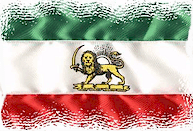

IMPERIAL EMBLEM

PERSIA
Iranian Freedom Fighters UNITE

Showing posts with label Iran. Culture. Show all posts
Showing posts with label Iran. Culture. Show all posts
Sunday, November 11, 2007
Wednesday, September 19, 2007
Gems of Modern Art keept away from people of Iran
Tehran Museum of Contemporary Art
http://ir-tmca.com/collection/collection.htm
http://ir-tmca.com/collection/collection2.htm

Iran keeps Picassos in basement : Kim Murphy / Los Angeles Times
http://www.latimes.com/news/nationworld/world/la-fg-museum19sep19,1,5465097.story
For a 2005 exhibition, authorities issued an order to remove the central panel of Francis Bacon’s triptych “Two Figures Lying on a Bed With Attendant” because of its purported homosexual overtones. A reporter enters a museum vault holding possibly the finest collection of late 19th and 20th century masters outside the West.
TEHRAN -- Habibollah Sadeghi looks vaguely irritated to see me: not surprised, seeing as he has spent the last 10 days evading my phone calls, letters and polite appeals delivered through intermediaries. He knows I want to see his Picassos. He doesn't want to show them to me. But Iranian hospitality being what it is, Sadeghi is forced to invite me into his office for tea. "I got your letter," he says. "Frankly, I was somewhat offended that you seem to think our paintings are like some big nuclear secret. They are not a secret at all." "I know," I reply. "That's why I came to see them."
http://ir-tmca.com/collection/collection.htm
http://ir-tmca.com/collection/collection2.htm
Iran keeps Picassos in basement : Kim Murphy / Los Angeles Times
http://www.latimes.com/news/nationworld/world/la-fg-museum19sep19,1,5465097.story
For a 2005 exhibition, authorities issued an order to remove the central panel of Francis Bacon’s triptych “Two Figures Lying on a Bed With Attendant” because of its purported homosexual overtones. A reporter enters a museum vault holding possibly the finest collection of late 19th and 20th century masters outside the West.
TEHRAN -- Habibollah Sadeghi looks vaguely irritated to see me: not surprised, seeing as he has spent the last 10 days evading my phone calls, letters and polite appeals delivered through intermediaries. He knows I want to see his Picassos. He doesn't want to show them to me. But Iranian hospitality being what it is, Sadeghi is forced to invite me into his office for tea. "I got your letter," he says. "Frankly, I was somewhat offended that you seem to think our paintings are like some big nuclear secret. They are not a secret at all." "I know," I reply. "That's why I came to see them."
Tuesday, April 17, 2007
Humer Abrameian : History of Iran before Islam
http://www.awti.org/homer/radio_seday_shoma/adl%20alavi%20vh%20eshgh%20molavi%20bakhsh%201.wma
به لينک بالا بخش يکم از گفتار هومر آبراميان که در مورد ايران پيش از اسلام سخن ميگويد گوش کنيد گفتار کدبان خردمند بطور کامل در تارنمای ما برای شنيدن و پخش کردن موجود است به www.awti.org مراجعه بفرمائيد
به لينک بالا بخش يکم از گفتار هومر آبراميان که در مورد ايران پيش از اسلام سخن ميگويد گوش کنيد گفتار کدبان خردمند بطور کامل در تارنمای ما برای شنيدن و پخش کردن موجود است به www.awti.org مراجعه بفرمائيد
Tuesday, March 20, 2007
No Ruz is a celebration of life, By: Massoume
No Ruz, new day or New Year as the Iranians call it, is a celebration of spring Equinox. It has been celebrated by all the major cultures of ancient Mesopotamia. Sumerians, 3000BC, Babylonians 2000 BC, the ancient kingdom of Elam in Southern Persia 2000BC, Akaddians all have been celebrating it in one form or another. What we have today as No Ruz with its’ uniquely Iranian characteristics has been celebrated for at least 3000 years and is deeply rooted in the traditions of Zoroastrian belief system.
This was the religion of Ancient Persia before the advent of Islam 1400 years ago. It is known as the mother religion in the area. The familiar concepts of Hell, Heaven,Resurrection, coming of the Messiah, individual and last judgment were for the first time incorporated into this belief system. They still exist in Judo-Christian and Islamic traditions. In order to understand No Ruz we have to know about Zoroastrians’ cosmology.
These people believed in two primal forces. In their ancient text, Bundahishn foundation of creation, we read that The Lord of Wisdom residing in the eternal light was not God. He created all that was good and became God. The Hostile Spirit, Angra Mainyu (Ahriman), residing in the eternal darkness created all that was bad and became the Hostile Spirit (The word anger in English comes from the same origin).
Everything that produced life, protected and enriched it was regarded as good. This included all forces of nature beneficial to humans. Earth, waters, sky, animals, plants were all good. Justice, honesty, peace, health, beauty, joy and happiness were regarded as belonging to the good forces. All that threatened life and created disorder belonged to the hostile spirits.
The two worlds created did not have a material form but the essence of everything was present. The two existed side by side for three thousand years, but completely separate from each other. At the end of the third millennium the Hostile Spirit saw light, wanted it and attacked the good world. This was the beginning of all troubles we face now.
The Lord of Wisdom in order to protect his world created the material world “Gaeity”,Geety in modern Persian. This material world was created at seven different stages. The first creation was the sky, a big chunk of stone high above. The second creation was the first ocean, at the bottom. Earth a big flat dish sitting on the ocean was the third. The next three creations were the prototypes of all life forms. The first plant, the first animal a bull and the first human Gayo-maretan (Kiomarth), both male and female. The seventh creation was fire and sun together.
The struggle continues for 12000 years. There are four periods, each 3000 years. At the last phase several saviors come and the last one Saoshyant will save the world. When he comes there is resurrection, walking over the Chinvat Bridge (Sarat Bridge in Quran) and last judgement. We recognize this figure as Time Lord (Imam Zaman) in Iranian version of Shiite Islam.
In order to protect his creations the Lord of Wisdom also created six holly immortals, Amesha Spenta one for each creation. Khashtra (Sharivar), the protector of sky, Asha-Vahishta (Ordibehesht) protected fire. Vahu Manah (Bahman) for all animals, Haurvatat (Khordad) protected all waters, Spenta Armaiti (Esphand) a female deity protector of mother earth and Ameratat (Amurdad) supported all plant life. Ahura Mazda himself became the protector of all humans and the holly fire.
There was one problem with this material world, it did not have a life cycle. The sun did not move. There were no days or nights and no seasons. The three prototypes of life were sacrificed. From the plant came the seeds of all plants. The bull produced all animals and from the human came the first male and female. The rest of the humanity was created from their union. The cycle of life started. Sun moved, there was day, night and the seasons. This was called the first No Ruz..
The Lord of Wisdom also created guardian angles (forouhars) for all living beings. Every human had one as long as they stayed with the good forces. As we see in the myth of Azydahak in Avesta, the Zoroastrians’ holly book. We know this figure as Zahak in modern Persian. A prince, he chooses the Hostile Spirit as his protector. He was made a king, ruled for 999 years and became immortal.
Zoroaster (Zardosht) the architect of this cosmology introduced many feasts, festivals and rituals to pay homage to the seven creations and the holly immortals. Seven were amongst the most important. They are known as Gahambars, feasts of obligation. The last and the most elaborate was No Ruz, celebrating the Lord of Wisdom and the holly fire at the time of spring equinox.
The oldest archaeological record for No Ruz celebration comes from the Achaemenian (Hakhamaneshi) period over 2500 years ago. They created the first major empire in the region and built Persepolis complex (Takhte Jamshid) in central Iran. This magnificent palace/temple complex was destroyed by Alexander the Great in 334 BC.
Achaemenians had four major residences one for each season. Persepolis was their spring residence and the site for celebrating the New Year. Stone carvings show the king seated on his throne receiving his subjects, governors and ambassadors from various nations under his control. They are presenting him with gifts and paying homage to him. We do not know too much about the details of the rituals. We do know that mornings were spent praying and performing other religious rituals. Later on during the day the guests would be entertained with feasts and celebrations.

We also know that the ritual of sacred marriage took place at this palace. An ancient and common ritual in Mesopotamia, the king would spend the first night of the New Year with a young woman. Any offspring produced from this union would be sent back to the temples and they would normally end up as high-ranking religious officials. There is no evidence that this was practiced later on and was part of the New Year rituals.
What we have today as No Ruz goes back to the Sassanid period. They were the last great Persian Empire before the advent of Islam 1400 years ago. Their celebrations would start five days prior to the New Year. They believed the guardian angles (Fourohars) would come down to earth within these five days to visit their human counter parts. A major spring-cleaning was carried out to welcome them with feasts and celebrations. Bon fires would be set on rooftops at night to indicate to the guardian angles that humans were ready to receive them. This was called Suri Festival.
Modern Iranians still carry out the spring-cleaning and celebrate Wednesday Suri.Bon fires are made and all people will jump over the fire on the last Tuesday of the year. This is a purification rite and Iranians believe by going over the fire they will get rid of all their illnesses and misfortunes. Wednesday Suri did not exist before Islam and very likely is a combination of more than one ritual to make it last.
The ancient Zoroastrians would also celebrate the first five days of No Ruz, but it was the sixth day that was the most important of all. This day was called the Great No Ruz (No Ruze bozorg) and is assumed to be the birthday of Zoroaster himself. Zoroastrians today still celebrate this day, but it has lost its significance for the rest of the Iranians. In Sassanid period the New Year would be celebrated for 21 days and on the 19th day there would be another major festival.
Modern Iranians celebrate New Year for 13 days only. The first few days are spent visiting older members of the family other relatives and friends. Gifts are exchanged; sweets and feasts will be consumed. At the last day, the 13th of the first month, all people will leave their homes to go to the parks or rural areas to spend a day in nature. Again this was not celebrated in this manner before and might be several rituals in one. A major part of the New Year rituals is setting a special table with seven specific items present, Haft Sin (Haft chin, seven crops before Islam). In the ancient times each of the items corresponded to one of the seven creations and the seven holly immortals protecting them.
Today they are changed and modified but some have kept their symbolism. All the seven items start with the letter S; this was not the order in ancient times. Wheat or barley representing new growth is still present. Fish the most easily obtainable animal and water are present. Lit candles are a symbol of fire. Mirrors are used today, origin unknown. These were expensive items in ancient times and were made from polished metal. It is unlikely that all households would have one. Zoroastrians today place the lit candle in front of the mirror. Wine was always present. Today it is replaced by vinegar since alcohol is banned in Islam.
Egg a universal symbol of fertility corresponding to the mother earth is still present. Garlic is used to warn off bad omen. This is a modern introduction. There is no evidence that it was used in that context before. However the ancient Iranians would grow seven different herbs for the New Year and garlic might have been one of those. Samano a thick brownish paste is present today. It is a nutritious meal and could have been part of the feasts. It is also possible that it has replaced Haoma. Haoma is a scared herbal mix known for its healing properties. It was a major cult on its own with many rituals and ceremonies. The cult is still performed by the Zoroastrians today, but is abandoned by the rest of the Iranians. Coins symbolizing wealth and prosperity, fruits and special meals are present as well.
Why this festival has survived? There have been major attempts by the Muslim rulers over the centuries to minimize it, ban it or get rid of it once and for all. The reasons for their failure should be sought in the spirit of this festival. Contrary to the Islamic traditions where death and martyrdom mark all the major rituals, No Ruz is a celebration of life.
Forces of nature completely beyond them dominated people in ancient times. They formed a union with these forces to protect themselves. Through this union they created a balance and maintained the cosmic order Asha. Without it there would be chaos, the world of the Hostile Spirit (Ahriman). The Zoroastrians were and are required to have the same mind, the same voice and act the same way as their god the Lord of Wisdom.
They are expected to only think of good things, speak the good words and act the good deeds. Our celebrated poet Ferdousi over a thousand years ago virtually single handedly translated Avestan mythology into modern Persian. A Zoroastrian who was persecuted all his life because of his fate; he starts his book in the name of the Lord of Life and Wisdom (beh nameh khodavand jaan o kherad). The lord of life and wisdom was Ahura Mazda’s title in the Avestan texts of the Sassanid period.
Lord or not, life and wisdom are what that makes us humans. We are the only beings who know we have a life and what we do with our lives depend on the wisdom. At the end of the millennium with the mess this planet is in we need that wisdom more than ever. Creating a balance with nature and maintaining order are very relevant. These are the lessons we can learn from such a wonderful and ancient tradition. So happy New Year, enjoy the festival. Joy and happiness were regarded as major forces defeating the hostile spirits. This is why we are still celebrating this occasion after 3000 years.
Massoume March 1999
Massoume@mailandnews.com
This was the religion of Ancient Persia before the advent of Islam 1400 years ago. It is known as the mother religion in the area. The familiar concepts of Hell, Heaven,Resurrection, coming of the Messiah, individual and last judgment were for the first time incorporated into this belief system. They still exist in Judo-Christian and Islamic traditions. In order to understand No Ruz we have to know about Zoroastrians’ cosmology.
These people believed in two primal forces. In their ancient text, Bundahishn foundation of creation, we read that The Lord of Wisdom residing in the eternal light was not God. He created all that was good and became God. The Hostile Spirit, Angra Mainyu (Ahriman), residing in the eternal darkness created all that was bad and became the Hostile Spirit (The word anger in English comes from the same origin).
Everything that produced life, protected and enriched it was regarded as good. This included all forces of nature beneficial to humans. Earth, waters, sky, animals, plants were all good. Justice, honesty, peace, health, beauty, joy and happiness were regarded as belonging to the good forces. All that threatened life and created disorder belonged to the hostile spirits.
The two worlds created did not have a material form but the essence of everything was present. The two existed side by side for three thousand years, but completely separate from each other. At the end of the third millennium the Hostile Spirit saw light, wanted it and attacked the good world. This was the beginning of all troubles we face now.
The Lord of Wisdom in order to protect his world created the material world “Gaeity”,Geety in modern Persian. This material world was created at seven different stages. The first creation was the sky, a big chunk of stone high above. The second creation was the first ocean, at the bottom. Earth a big flat dish sitting on the ocean was the third. The next three creations were the prototypes of all life forms. The first plant, the first animal a bull and the first human Gayo-maretan (Kiomarth), both male and female. The seventh creation was fire and sun together.
The struggle continues for 12000 years. There are four periods, each 3000 years. At the last phase several saviors come and the last one Saoshyant will save the world. When he comes there is resurrection, walking over the Chinvat Bridge (Sarat Bridge in Quran) and last judgement. We recognize this figure as Time Lord (Imam Zaman) in Iranian version of Shiite Islam.
In order to protect his creations the Lord of Wisdom also created six holly immortals, Amesha Spenta one for each creation. Khashtra (Sharivar), the protector of sky, Asha-Vahishta (Ordibehesht) protected fire. Vahu Manah (Bahman) for all animals, Haurvatat (Khordad) protected all waters, Spenta Armaiti (Esphand) a female deity protector of mother earth and Ameratat (Amurdad) supported all plant life. Ahura Mazda himself became the protector of all humans and the holly fire.
There was one problem with this material world, it did not have a life cycle. The sun did not move. There were no days or nights and no seasons. The three prototypes of life were sacrificed. From the plant came the seeds of all plants. The bull produced all animals and from the human came the first male and female. The rest of the humanity was created from their union. The cycle of life started. Sun moved, there was day, night and the seasons. This was called the first No Ruz..
The Lord of Wisdom also created guardian angles (forouhars) for all living beings. Every human had one as long as they stayed with the good forces. As we see in the myth of Azydahak in Avesta, the Zoroastrians’ holly book. We know this figure as Zahak in modern Persian. A prince, he chooses the Hostile Spirit as his protector. He was made a king, ruled for 999 years and became immortal.
Zoroaster (Zardosht) the architect of this cosmology introduced many feasts, festivals and rituals to pay homage to the seven creations and the holly immortals. Seven were amongst the most important. They are known as Gahambars, feasts of obligation. The last and the most elaborate was No Ruz, celebrating the Lord of Wisdom and the holly fire at the time of spring equinox.
The oldest archaeological record for No Ruz celebration comes from the Achaemenian (Hakhamaneshi) period over 2500 years ago. They created the first major empire in the region and built Persepolis complex (Takhte Jamshid) in central Iran. This magnificent palace/temple complex was destroyed by Alexander the Great in 334 BC.
Achaemenians had four major residences one for each season. Persepolis was their spring residence and the site for celebrating the New Year. Stone carvings show the king seated on his throne receiving his subjects, governors and ambassadors from various nations under his control. They are presenting him with gifts and paying homage to him. We do not know too much about the details of the rituals. We do know that mornings were spent praying and performing other religious rituals. Later on during the day the guests would be entertained with feasts and celebrations.
We also know that the ritual of sacred marriage took place at this palace. An ancient and common ritual in Mesopotamia, the king would spend the first night of the New Year with a young woman. Any offspring produced from this union would be sent back to the temples and they would normally end up as high-ranking religious officials. There is no evidence that this was practiced later on and was part of the New Year rituals.
What we have today as No Ruz goes back to the Sassanid period. They were the last great Persian Empire before the advent of Islam 1400 years ago. Their celebrations would start five days prior to the New Year. They believed the guardian angles (Fourohars) would come down to earth within these five days to visit their human counter parts. A major spring-cleaning was carried out to welcome them with feasts and celebrations. Bon fires would be set on rooftops at night to indicate to the guardian angles that humans were ready to receive them. This was called Suri Festival.
Modern Iranians still carry out the spring-cleaning and celebrate Wednesday Suri.Bon fires are made and all people will jump over the fire on the last Tuesday of the year. This is a purification rite and Iranians believe by going over the fire they will get rid of all their illnesses and misfortunes. Wednesday Suri did not exist before Islam and very likely is a combination of more than one ritual to make it last.
The ancient Zoroastrians would also celebrate the first five days of No Ruz, but it was the sixth day that was the most important of all. This day was called the Great No Ruz (No Ruze bozorg) and is assumed to be the birthday of Zoroaster himself. Zoroastrians today still celebrate this day, but it has lost its significance for the rest of the Iranians. In Sassanid period the New Year would be celebrated for 21 days and on the 19th day there would be another major festival.
Modern Iranians celebrate New Year for 13 days only. The first few days are spent visiting older members of the family other relatives and friends. Gifts are exchanged; sweets and feasts will be consumed. At the last day, the 13th of the first month, all people will leave their homes to go to the parks or rural areas to spend a day in nature. Again this was not celebrated in this manner before and might be several rituals in one. A major part of the New Year rituals is setting a special table with seven specific items present, Haft Sin (Haft chin, seven crops before Islam). In the ancient times each of the items corresponded to one of the seven creations and the seven holly immortals protecting them.
Today they are changed and modified but some have kept their symbolism. All the seven items start with the letter S; this was not the order in ancient times. Wheat or barley representing new growth is still present. Fish the most easily obtainable animal and water are present. Lit candles are a symbol of fire. Mirrors are used today, origin unknown. These were expensive items in ancient times and were made from polished metal. It is unlikely that all households would have one. Zoroastrians today place the lit candle in front of the mirror. Wine was always present. Today it is replaced by vinegar since alcohol is banned in Islam.
Egg a universal symbol of fertility corresponding to the mother earth is still present. Garlic is used to warn off bad omen. This is a modern introduction. There is no evidence that it was used in that context before. However the ancient Iranians would grow seven different herbs for the New Year and garlic might have been one of those. Samano a thick brownish paste is present today. It is a nutritious meal and could have been part of the feasts. It is also possible that it has replaced Haoma. Haoma is a scared herbal mix known for its healing properties. It was a major cult on its own with many rituals and ceremonies. The cult is still performed by the Zoroastrians today, but is abandoned by the rest of the Iranians. Coins symbolizing wealth and prosperity, fruits and special meals are present as well.
Why this festival has survived? There have been major attempts by the Muslim rulers over the centuries to minimize it, ban it or get rid of it once and for all. The reasons for their failure should be sought in the spirit of this festival. Contrary to the Islamic traditions where death and martyrdom mark all the major rituals, No Ruz is a celebration of life.
Forces of nature completely beyond them dominated people in ancient times. They formed a union with these forces to protect themselves. Through this union they created a balance and maintained the cosmic order Asha. Without it there would be chaos, the world of the Hostile Spirit (Ahriman). The Zoroastrians were and are required to have the same mind, the same voice and act the same way as their god the Lord of Wisdom.
They are expected to only think of good things, speak the good words and act the good deeds. Our celebrated poet Ferdousi over a thousand years ago virtually single handedly translated Avestan mythology into modern Persian. A Zoroastrian who was persecuted all his life because of his fate; he starts his book in the name of the Lord of Life and Wisdom (beh nameh khodavand jaan o kherad). The lord of life and wisdom was Ahura Mazda’s title in the Avestan texts of the Sassanid period.
Lord or not, life and wisdom are what that makes us humans. We are the only beings who know we have a life and what we do with our lives depend on the wisdom. At the end of the millennium with the mess this planet is in we need that wisdom more than ever. Creating a balance with nature and maintaining order are very relevant. These are the lessons we can learn from such a wonderful and ancient tradition. So happy New Year, enjoy the festival. Joy and happiness were regarded as major forces defeating the hostile spirits. This is why we are still celebrating this occasion after 3000 years.
Massoume March 1999
Massoume@mailandnews.com
Thursday, March 08, 2007
The result is that the fly-in Western reporter is often misled, by Patrick ClawsonMiddle East QuarterlySpring 2007
Patrick Clawson, senior editor of the Middle East Quarterly, is director for research at the Washington Institute for Near East Policy and co-author, with Michael Rubin, of Eternal Iran: Continuity and Chaos (Washington: Palgrave-MacMillan, 2005).
Iran in Books . Review Essay
Iran may seem like a difficult country for Americans to get to know. It has been almost three decades since Washington and Tehran have had diplomatic relations. The Islamic Republic gives few Americans visas and, counting all diplomats and businessmen and their spouses, only about 3,000 Westerners live among the seventy million Iranians.[1] Many tourists avoid a country more associated in the popular mind with mass "Death to America" rallies than its art and architecture. Nor can Iranians easily explain their own country to the West: Iranian authorities have long railed against a "Western culture invasion" and, in recent years, they have intimidated intellectuals and academics, arresting several on allegations of participating in U.S.-funded plots to undermine the regime.[2]
Please read the rest by following this link : http://www.meforum.org/pf.php?id=1669
Wednesday, March 07, 2007
Secularism and The Root of Iranian Culture by Prof. Jamali
Secularism = the life on this earth
Secularism is to be highlighted as: “giving value and dignity to the life on this earth.
A state or a government has to worry about people`s life on this earth and not the life after death.
Persians introduced God to the world
The emphasis is that, The Root of Persian Culture is purely based upon giving value and dignity to the life on this Earth. For Persians; respecting life and nature was pray to God.
God’s name in Persian culture is: Yazdan, Parvardegar, Khoda, Khodavand, Afaridagar, Afarinandeh, Artaparvar, Raam, Simorgh, khoram, shah, shad, Farhang, Daadaar and many more.
The word of Parastesh (Pray) comes from Parastari (Nursery).
It was Persians who introduced God to the Arabs first. The word of Namaz is purely Persian word.
The Nursery of people and the nursery of nature was the actual pray to God in the root of Iranian Culture. We don’t need to import secularism to Iran. Iranian culture is many many times more secular than this imported word.
There is no need to borrow words
The problem is, we (Iranians) ruin our own Golden Culture in the name of khorafe (old fashion).
We then borrow the words and culture from outsiders. The borrowed words always has many many times less meaning and less understandable for our own people.
Dance & Flow (Simorgh)
Dance and flow is “being”, is life.
This thinking can clearly be seen in the portrayal of Simorgh and Raam (Persian Goddesses) on a plate kept in Saint Petersburg Museum Russian.
In this picture Simorgh is giving birth to Raam. Raam is the first birth “being” of Simorth. Raam is in the happiness and is dancing while offering grape to Simorgh. This is to show the being is in the move and happiness and dance.
Being is happiness, dance flow and evolution (Simorgh)
The portal of Simorgh is the symbol of evolution in Iranian Culture. Iranian culture believes in the evolution not in the creation as it is in Moslem, Christianity or Judaism.
Iranian Culture believes that there is no separation between happiness and dance and being.
Every being came from love, from flow, from happiness and from dance through evolution.
Humanity is born from God
Iranian culture believes that “humanity is born from God” and therefore every human has the power of God within him or her.
The ultimate power of God is at the place where humanity gets together in a party, love and happiness.
Iranian God does not have ultimate power and ultimate understanding and ultimate thought, Iranian God learns as time goes by.
Iranian God has thought like human and researches and gives birth every day to a new era.
This is what Iranian God wants from us, to be like him or like her and to evolve, to explore, to think, to change and to create our own heaven here on this Earth.

Thursday, February 22, 2007
Unworthy Heirs to Cyrus
By Stefania Lapenna
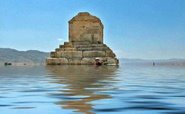
Sadly, the legacy of one of the world's greatest civilizations is in peril, as vandals control the territory once ruled by giants.If there were a debate among historians of ancient civilizations with topic being the relative greatness of Greek and Persian civilizations, it would without any doubt be a very heated contest. On the one side, pro-Greek scholars could claim that Alexander was a heroic leader who conquered and invaded foreign lands to rescue them from what he thought were "barbarians". Another major assertion might be that ancient Greece was an example of enlightened democracy for those times. On the other side, experts in Iranian history highlight the Persians' important contributions to the world and the merits of its leaders. Dating back to several dozen centuries before the birth of Islam, the Persian Empire was the most extensive in the ancient Middle East. One of its leaders, Cyrus the Great, was the author of the first Universal Declaration of Human Rights in mankind's history. Overall, historians agree that the peoples conquered by the Persians were never subjugated and submitted to the empire's authority, let alone enslaved. It was Cyrus, not Alexander, who liberated the Jews besieged by Babylonia. That is why, even today, the Jews are grateful to their Persian liberators. Nonetheless, once can often to read somewhere in some blog or op-ed column about the Islamic Republic's Mullahs dreaming to turn the Middle East into another Persian Empire. Nothing could be further from reality. To be sure, there is much evidence that the theocrats in Tehran are responsible for the chaos and deaths in Lebanon, Iraq, Afghanistan and Palestinian territories and I guess nobody could find proofs showing the opposite. However, let us not confuse their hegemonic intentions with a great ancient civilization that in no way can be compared to a bunch of Islamist terrorists who imposed themselves in a coup-d'etat in 1979 and whose 'holy mission' is to export their revolution in the region and help create an Islamic caliphate in the world by terror and subjugation. The Persians, including many female warriors, heroically fought the Arab Islamic invasions and tried to preserve their rich culture and traditions. After harsh battles, Islam prevailed and the Persian Empire started declining. Nevertheless, the Mullahs have failed and still fail to attract the support of many Iranians, whose nationalistic feelings toward their past and their identity are very strong. Not yet satisfied with ruling Iran by Shari'a, radical Islam is set to wipe out all traces of an ancient civilization deemed as "un-Islamic". On January 22, 2007, the Islamic Republic's Minister of Energy announced the decision to flood the Sivand Dam, which will destroy the ancient archeological sites of Pasargad and Bolaghi Gorge, where the mausoleum of Cyrus is located. The sad event is scheduled to take place during the days marking the anniversary of the second Islamist invasion of Iran - that is, the Khomeinist "revolution".Sivand and Pasargad are part of the humankind's archeological treasures, with immeasurable historical value. Will the international community rush to rescue it? Allow me to be quite pessimistic. A world that allows unscrupulous individuals to buy and sell parts of a nation's monuments for the sake of profit, is very unlikely to be concerned with the safeguard of a major universal heritage.Nothing was done to prevent the bombing of the Bamyaan Buddha statues by the Taliban in Afghanistan. So, why to expect the free world to take action now against the Mullahs' latest declaration of war on anything non-Islamic?I hope to be wrong in my guess. But signs are all there indicating that Islamism will get away with another mass crime.Stefania Lapenna lives in Sardinia, Italy. She has been published in the Jerusalem Post, l'Opinione, Il Foglio and Ragion Politica (Italy) and is currently a contributor to TCS Daily, American Thinker and an occasional guest columnist at Town Hall. She blogs at Free Thoughts. Page Printed from: http://www.americanthinker.com/2007/02/unworthy_heirs_to_cyrus.html at February 22, 2007 - 10:58:23 AM EST
Sadly, the legacy of one of the world's greatest civilizations is in peril, as vandals control the territory once ruled by giants.If there were a debate among historians of ancient civilizations with topic being the relative greatness of Greek and Persian civilizations, it would without any doubt be a very heated contest. On the one side, pro-Greek scholars could claim that Alexander was a heroic leader who conquered and invaded foreign lands to rescue them from what he thought were "barbarians". Another major assertion might be that ancient Greece was an example of enlightened democracy for those times. On the other side, experts in Iranian history highlight the Persians' important contributions to the world and the merits of its leaders. Dating back to several dozen centuries before the birth of Islam, the Persian Empire was the most extensive in the ancient Middle East. One of its leaders, Cyrus the Great, was the author of the first Universal Declaration of Human Rights in mankind's history. Overall, historians agree that the peoples conquered by the Persians were never subjugated and submitted to the empire's authority, let alone enslaved. It was Cyrus, not Alexander, who liberated the Jews besieged by Babylonia. That is why, even today, the Jews are grateful to their Persian liberators. Nonetheless, once can often to read somewhere in some blog or op-ed column about the Islamic Republic's Mullahs dreaming to turn the Middle East into another Persian Empire. Nothing could be further from reality. To be sure, there is much evidence that the theocrats in Tehran are responsible for the chaos and deaths in Lebanon, Iraq, Afghanistan and Palestinian territories and I guess nobody could find proofs showing the opposite. However, let us not confuse their hegemonic intentions with a great ancient civilization that in no way can be compared to a bunch of Islamist terrorists who imposed themselves in a coup-d'etat in 1979 and whose 'holy mission' is to export their revolution in the region and help create an Islamic caliphate in the world by terror and subjugation. The Persians, including many female warriors, heroically fought the Arab Islamic invasions and tried to preserve their rich culture and traditions. After harsh battles, Islam prevailed and the Persian Empire started declining. Nevertheless, the Mullahs have failed and still fail to attract the support of many Iranians, whose nationalistic feelings toward their past and their identity are very strong. Not yet satisfied with ruling Iran by Shari'a, radical Islam is set to wipe out all traces of an ancient civilization deemed as "un-Islamic". On January 22, 2007, the Islamic Republic's Minister of Energy announced the decision to flood the Sivand Dam, which will destroy the ancient archeological sites of Pasargad and Bolaghi Gorge, where the mausoleum of Cyrus is located. The sad event is scheduled to take place during the days marking the anniversary of the second Islamist invasion of Iran - that is, the Khomeinist "revolution".Sivand and Pasargad are part of the humankind's archeological treasures, with immeasurable historical value. Will the international community rush to rescue it? Allow me to be quite pessimistic. A world that allows unscrupulous individuals to buy and sell parts of a nation's monuments for the sake of profit, is very unlikely to be concerned with the safeguard of a major universal heritage.Nothing was done to prevent the bombing of the Bamyaan Buddha statues by the Taliban in Afghanistan. So, why to expect the free world to take action now against the Mullahs' latest declaration of war on anything non-Islamic?I hope to be wrong in my guess. But signs are all there indicating that Islamism will get away with another mass crime.Stefania Lapenna lives in Sardinia, Italy. She has been published in the Jerusalem Post, l'Opinione, Il Foglio and Ragion Politica (Italy) and is currently a contributor to TCS Daily, American Thinker and an occasional guest columnist at Town Hall. She blogs at Free Thoughts. Page Printed from: http://www.americanthinker.com/2007/02/unworthy_heirs_to_cyrus.html at February 22, 2007 - 10:58:23 AM EST
Monday, February 05, 2007
The root of Iranian culture ( in English )

Manuchehr Jamali, The Obstinate Iranian Thinker

Manuchehr Jamali´s writings cover a wide spectrum of subjects and ideas which are unfolding their outlines vis-à-vis a background of five thousand years or more of Iranian culture summed up by the author as “Farhang-e Simorghi” (Simorgh culture). With diligence and patience he spent the last years consulting dictionaries, encyclopaedias and further philological material together with classical Iranian literature (10th to 15th century A.D.), Zoroastrian texts and other early writings from the pre-Islamic period to re-construct the Simorgh myth, a way of thinking which has given to the people of Iran their unique culture. But there it does not stop. Instead of staying dead historic artefacts his findings provide him with an instrument to approach the problems of present day Iran. With an easy hand he tackles the task of connecting modern thinking with the most ancient Iranian ideas and offers solutions to philosophical, political, social etc. problems which enchant the Iranian readers because here they can observe the process of creative reflection in their own Persian terms and language.
Please follow this link for the rest of this article. http://www.khomam.com/english/bea_burgwinkel.html
Thursday, February 01, 2007
Who are the IRI Government Officials implicated and responsible for the construction of the SIVAND DAM.
چه کسانی مسئول ساخت سد سيوند هستنند؟
برای شناختن کسانی که همراه يا مسئول ساخته شدن سد سيوند در محوطه ی «پارسه پاسارگاد» هستنند، به سایت زیر مراجعه کنید:
http://www.savepasargad.com/aa.from%20091806/February/kasani%20ke%20dar%20sakhtan%20sivand.htm
برای شناختن کسانی که همراه يا مسئول ساخته شدن سد سيوند در محوطه ی «پارسه پاسارگاد» هستنند، به سایت زیر مراجعه کنید:
http://www.savepasargad.com/aa.from%20091806/February/kasani%20ke%20dar%20sakhtan%20sivand.htm
0
comments

 Labels:
Ahmadinejad,
Catastrophe,
Concern in Iran,
Criminal,
Dam,
Iran,
Iran. Culture,
Khamanei,
Persian,
Sevand
Labels:
Ahmadinejad,
Catastrophe,
Concern in Iran,
Criminal,
Dam,
Iran,
Iran. Culture,
Khamanei,
Persian,
Sevand
Friday, January 26, 2007
Iran is set to destroy a major part of humankind's cultural heritage
Following the footsteps of Taliban, The Government of Islamic Republic of Iran is set to destroy a major part of humankind's cultural heritage

The flooding of Sivan Dam is a pronounced evidence to the nullification of the human rights of the Iranian people.
People of the world, People of Iran!
On January 22, 2007, Islamic's Republic of Iran's (IRI) Minister of Energy announced his intention to begin flooding the Sivand Dam within a week.
This Dam will flood the ancient archeological sites of Bolaghi Gorge and Pasargad Plains where the mausoleum of Cyrus the Great - the author of the first declaration of Human Rights in mankind's history - is situated.
The date chosen for this act is coincided with the anniversary of Ayatollah Khomeini's return to Iran and taking over the reigns of power 28 years ago. Thus, it is now clear that the government of Mr. Ahmdinejad, taking advantage of the tension it has created all through the world and region, has decided to realize that inauspicious intension which has been hidden in the construction of Sivan Dam by flooding a large part of Cyrus's ancient capital and birthplace, thus, annihilating the most sacred parts of Iranian territory.
By this action, he is telling us that whatever archeologists, historians, experts and university professors have said about the dangers of this dam, and the discoveries of last two years have proved them to be right, has no value for his government and he is poised to destruct the Iranian pre-Islamic history and culture.
But, is it the end of this saga? Is the Sivand Lake going to gradually drown Bolaghi Gorge and bring its disastrous consequences to this region?
Do we have nothing but to surrender to despair and mourn our loss?
No, we do not think so.
Although this decision is the beginning of a catastrophe, it also can be seen as the beginning of a new phase in our cultural campaign against such atrocities to the mankind's cultural heritage.
We think that in these sensitive moments, the duty of lovers of culture and history all through the world and Iran is to expand their endeavors and show the people of the world that all the pronouncements of IRI with regards to the preservation of historical heritages are hollow and baseless and this monstrous dam and its flooding is pronounced evidence to the nullification of the human rights of Iranian people by this government.
Our duty is to show that the government of IRI is knowingly and intentionally following the footsteps of Taliban and has bluntly embarked on the destruction of our heritage. Flooding the Sivand Dam is similar to the detonation of those bombs that exploded the ancient Buddha statues in Afghanistan.
This Committee urges all people, both within and outside of Iran, to restlessly spread the news of this grand injustice with the aim of putting a stop to such atrocity.
We loudly declare that any responsibility with regards to the destruction of Iranian ancient heritage rests on the whole apparatus of IRI's government.
We have no doubt that in the days to come all those who are participating in this horrendous act will be legally bound to answer to the Iranian nation.
In the meanwhile, their name will appear next to the worst and most sinister names that could be found in the annals of the Iranian history.
With regards and love
ICSASPP
January 24th, 2007
Please sign the petition, Follow this link. http://www.savepasargad.com/european_languages.htm
پا بر جای پای طالبان، برای تخريب گنجينه های بشری
آبگيری سد ويرانگر سيوند روشن ترين، و گوياترين سند است برای اثبات پايمال شدن حقوق مسلم مردم ايران در ارتباط با تاريخ و فرهنگ شان
مردمان ايران، مردمان جهان
مردمان ايران، مردمان جهان
!
دو روز پيش، در دوم بهمن ماه 1385، برابر با بيست و دوم ژانويه 2007، وزير نيروی جمهوری اسلامی اعلام داشت که درهفته آينده (يعنی در سرآغاز ده روزی که «دهه ی فجر» خوانده می شود و با سالگرد بازگشت آيت الله خمينی به ايران همزمان است)، آبگيری سد سيوند را آغاز می کنند. و به اين سان روشن شده است که دولت آقای احمدی نژاد قصد دارد، با استفاده از فضای متشنج بين المللی و منطقه، به نيت شومی که 15 سال است در پايتخت کورش بزرگ ( پدر ملت ايران، و گوينده ی اولين منشور حقوق بشر)، به صورت سدی برآمده و می رود تا بخش بزرگی از فرهنگ باستانی ايرانزمين را ببلعد، جامه ی واقعيت بپوشاند و مقدس ترين پاره ی خاک ايران را در زير آب ويران سازد.
معنای اين کار آن است که آنچه تاکنون باستان شناسان، تاريخ دانان، متخصصان و استادان دانشگاه در مورد اهميت آثار باستانی در خطر گفته اند و کاوش های انجام شده در دو سال اخير آنها را اثبات کرده، برای دولت آقای احمدی نژاد کوچکترين اهميتی ندارد و به نظر می رسد که دولت ايشان به راستی کمر به نابودی تاريخ و فرهنگ ايران بسته است.
اما آيا اين پايان ماجراست؟ آيا درياچه ی سد سيوند به اين زودی ها پر شده و تنگه ی بلاغی را در خود غرق خواهد کرد؟ و آيا بايد زانوی غم به بغل گرفت و عزاداری کرد؟ نه، به نظر ما چنين نيست. اين اگرچه سرآغاز تحقق يک فاجعه است اما سرآغاز تازه ای هم برای مبارزه با اين نوع فرهنگ ستيزی ها و ويرانگری های بشری است.
به نظر ما در شرايط بسيار حساس کنونی وظيفه ی همه ی دوستداران ايران و دوستداران تاريخ و فرهنگ بشری است تا از اين پس تلاش های ملی و بين المللی خود را گسترش داده و به مردمان ايران و جهان نشان دهند که حکومت موجود در ايران هر ادعايي که در جهت توجه و احترام به تاريخ، فرهنگ، و به گنجينه های ملی مردمان ايران دارد توخالی و پوچ است. آبگيری سد ويرانگر سيوند، روشن ترين، زنده ترين و گوياترين سند است برای اثبات پايمال شدن حقوق مسلم مردم ايران در ارتباط با تاريخ و فرهنگ شان
وظيفه هر علاقمند به فرهنگ ايران و هر علاقمند به فرهنگ های بشری، به نمايش گذاشتن اين واقعيت است که حکومت جمهوری اسلامی اکنون عالماً و عامداً در اين مورد خاص پا بر جای پای طالبان افغانستان گذاشته و به تخريب آثار باستانی ايرانزمين اراده کرده است. آبگيری سد سيوند مثل زدن کليد انفجار همان بمب هایی است که طالبان در افغانستان برای منفجر کردن مجسمه های بودا به کار بردند.
کميته بين المللی نجات پاسارگاد از همه ی ايرانيان، و از همه ی مردمان جهان چه در داخل و چه در خارج از ايران تقاضا می کند تا به طور مرتب و خستگی ناپذير خبر اين بی عدالتی عظيم فرهنگی را با هر وسيله ی ممکن به گوش همگان رسانيده، و دادی باشند در مقابل اين بيداد عظيم فرهنگی. در عين حال، اين کميته همچنان اعلام می کند که مسئوليت هر خطری که متوجه هر تکه از آثار ملی و بشری ايرانزمين شود به طور مستقيم به دولت و کل حاکميت کنونی ايران برمی گردد. بی شک همه ی کسانی که در اين فاجعه ی عظيم ملی و بشری شرکت کنند، نه تنها زمانی بايد از نظر حقوقی جوابگوی اعمالشان باشند بلکه نام آن ها نيز برای هميشه در کنار ننگين ترين نام های تاريخ ايران در حافظه ی ملت ما ثبت خواهد شد .
با مهر و احترام
کميته بين المللی نجات پاسارگاد
بيست و چهارم ژانويه 2007
http://propellerhead-news.blogfa.com/post-6058.aspx
Subscribe to:
Posts (Atom)




 Posts





 اخبار مربوط به زندانیان سیاسی و نقض حقوق بشر







 Tulips in Holland