

Iran, Seven faces of civilization - 64 min - Nov 5, 2008
IMPERIAL EMBLEM

PERSIA
Iranian Freedom Fighters UNITE
Showing posts with label Iranian Culture. Show all posts
Showing posts with label Iranian Culture. Show all posts
Saturday, November 22, 2008


Wednesday, May 21, 2008
Iran: Yesterday, Today and... Tomorrow?
Iran a country with 5000 years of history carved inside(every Persian's physique )
FUNNY PERSIAN - FARSI - ACCENTS
American Pie
The Sacred Balance
Saturday, March 15, 2008
Persian new year 2008
Happy new year 2567 هر روزتا ن نوروز , نوروزتان پيروز
لحظه تحويل سال ۱۳۸۷ هجری خورشیدی به ساعت رسمی ايرانساعت ۹ و ۱۵ دقيقه و ۱۲ ثانيه روز پنجشنبه ۱ فروردين ۱۳۸۷ هجری خورشیدیمطابق ۲۰ مارس ۲۰۰۸ ميلادی - لحظه تحویل سال ۱۳۸۷ در سراسر جهانسالنمای سال ۱۳۸۷ ایرانی
چارشنبه سوری، جشن شب چارشنبه آخر - سه شنبه، ۲۸ اسپند ۱۳۸۶ »
http://www.ghiasabadi.com/charshanbehsuri.htmlافزودن به تقویم شخصی
چارشنبه آخر - چهارشنبه، ۲۹ اسپند ۱۳۸۶ »
افزودن به تقویم شخصی
گاهنبار - جشن پایان زمستان - چهارشنبه، ۲۹ اسپند ۱۳۸۶ »
جشن پایان فصل زمستان و زمان گاهَنباری بنام «هَـمَـسْـپَـت مَـدَم» در اوستایی «هَـمَـسْـپَـث مَـئیدَیـه» به معنای «برابری شب و روز / برابری سرما و گرما» شامگاه آخرین روز سال در بسیاری از نواحی ایران بر بامها آتش میافروزند زمان: ۲۹ اسفند یا آخرین روز سالافزودن به تقویم شخصی
جشن نوروز - جشن سال نو - تعطیل - پنجشنبه، ۱ فروردین ۱۳۸۷ »
روز جشن بزرگ «نوروز» در اعتدال بهاری و آغاز فصل بهار. زمان تحویل سال در ایران پنجشنبه 1 فروردین 1387 ساعت 9:15:12 صبح http://www.ghiasabadi.com/ayinenawruzi.html افزودن به تقویم شخصی
جشن نخستین شنبه سال - شنبه، ۳ فروردین ۱۳۸۷ »
افزودن به تقویم شخصی
روز امید / روز شادباش نویسی - سه شنبه، ۶ فروردین ۱۳۸۷ »
روز «امید»، روز «اسپیدا نوشت» یا روز «نوروز بزرگ» از روزهای خجسته ایرانیان، همراه با شادی و آبپاشی افزودن به تقویم شخصی
جشن نخستین جارشنبه سال - چهارشنبه، ۷ فروردین ۱۳۸۷ »
افزودن به تقویم شخصی
A Conversation with Kourosh Taghaviby Mersedeh14-Mar-2008
There once was one; and then there were none. Under the blue dome of the evening sky, apart from the presence of God, there was absolutely no one…. Nestled between the Caspian Sea and the Alborz Mountains, in the city of wolves, lived a little boy with his grandfather. The little boy loved to hear stories and his grandfather had many to tell, and so they spent most of their days together. Years passed; the boy grew up and left home to live adventures of his own; chasing legends and dreaming of giants. Videos: [1] [2] [PHOTOS]
Along his journey, he spent many nights under the blue dome of foreign skies, far from his city and far from anyone to guide him. But his grandfather’s tales never left him and when he listened real hard, he could always hear his old familiar voice echoing through his consciousness and lighting up his path. Today the little boy is a man; and the giants are his friends. Today, the man is a storyteller in his own right and although the story of his journey is most enchanting when it is he who tells it through his Setar, I am nonetheless grateful to bring to you my conversations with him in the following pages. http://www.iranian.com/main/2008/emissary-love
Kourosh Taghavi and Namaad Ensemble will be performing in Cal State Fullerton's Recital Hall Friday, March 14, 2008, 8 pm. For Tickets and Information Call 714/278-3371 or for more information please visit For more information please visitwww.Fullerton.Edu/Arts/Events
-- Kourosh’s webpage: http://ava-setar.com/-- MySpace: http://www.myspace.com/kouroshtaghavi-- Purchase CDs: http://ava-setar.com/discography.htm
Mersedeh Mehrtash is the English editor at Peyk magazine published in San Diego, California. This interview was first published in the magazine's March 2008 issue.
Saturday, March 08, 2008
Celeberations for the month of Esfand and Esfand Day
هرمزد روز از اسفندماه برابر با 1 اسفند در گاهشماری ایرانی
جشن «اسفندی» و هدیه به زنان در نیاسر كاشان، اقلید و محلات؛ و پختن آش «اسفندی».
آغاز سال نو در تقویم محلی نطنز، ساوه و كاشان.
در فراهان معروف به «آفتو به حوت»(آفتاب در برج ماهی).
همچنین جشن «آبسالان» یا «بهارجشن» یا «جشن روباه» به مناسبت روان شدن جویبارها و طلیعه بهار. خجستگی دیدار روباه. (واژه ی «آبسالان» با «آبشار» و فشار آب ها در پیوند است.)
در متون كهن، هنگام این جشن به گونه های مختلفی آمده است كه مانند بسیاری از دیگر دگرگونی ها ناشی از محاسبه ی زمان با تقویم های گوناگون و كبیسه گیری های متنوع بوده است.
همچنین روز جشنی به نام «كوسه سواری» یا «كوسه برنشین».مراسم نمایشی خنده آور كه توسط مردی كوسه رو كه بر درازگوشی سوار بوده برگزار می شده است. كوسه خود را باد می زده و مردم به او آب می پاشیده اند.
- بهزاد فرهانیه
23 بهمن 1385
سپندارمذ روز از اسفندماه برابر با 5 اسفند در گاهشماری ایرانی
اینک زمین را می ستاییم؛زمینی که ما را در بر گرفته است.ای اََهوره مَزدا !زنان را می ستاییم.زنانی را که از آن ِتو به شمار آیندو از بهترین اَشَه برخوردارند، می ستاییم.
اوستا - یسنا 38 - بند 1
روز پنجم هرماه و ماه دوازدهم هر سال «اسفند» یا «سپندارمذ» نام دارد. این واژه که در اوستایی «سْپِنـْـتـَه آرمَئیتی»(Spenta-Ârmaiti) می باشد و نام چهارمین امشاسپند است، از دو بخش «سپنته» یا «سپند» به مانک پاک و مقدس و «آرمئیتی» به معنی فروتنی و بردباری تشکیل شده است و معنی این دو با هم فروتنی ِپاک و مقدس است.این واژه در پهلوی «سپندارمت»(SpandÂrmat) و در فارسی «سپندارمذ» و «اسفندارمذ» و «اسفند» شده است.
امشاسپند سپندارمذ، نگهبان و ایزدبانوی زمین ِسرسبز و نشانی از باروری و زایش است. جشن «سپندارمذگان» یا «اسفندگان»، روز گرامیداشت زنان در ایران باستان بوده و این روز به نام «مردگیران» یا «مژدگیران» یا «مزدگیران»(=هدیه گرفتن از مردان) نیز در ادبیات فارسی بكار رفته است.
یکی دیگر از نام های این جشن نیز، جشن «برزگران» یا «برزیگران» است که به مناسبت نقش مهم برزگران و کشاورزان در سبز کردن زمین و باروری زمین بوده است.
به بیان ابوریحان بیرونی، «اسفندارمذ» ایزد موکل بر زمین و ایزد حامی و نگاهبان زنان شوهر دوست و پارسا و درست کار بوده. به همین مناسبت این روز، عید زنان به شمار می رفت. مردم به جهت گرامیداشت، به آنان هدیه داده و بخشش می کردند. زنان نه تنها از هدایا و دهش هایی برخوردار می شدند، بلکه به نوعی در این روز فرمانروایی می کردند و مردان باید که از آنان فرمان می بردند.
گردیزی نیز در کتاب زین الاخبار خود به واژه ی «مردگیران» اینگونه اشاره کرده است که از این جهت این جشن را مردگیران می گفتند که زنان به اختیار خویش و با آزادی، شوی و مرد زندگی خود را برمی گزیدند.
هنوز نیز در برخی از گوشه های ایران زمین مانند اصفهان، پهله، ری و دیگر شهرهای ناحیه ی مرکز و غرب ایران، مراسم جشن اسفندگان همچون گذشته برگزار می شود، در این روز بانوان لباس و کفش نو می پوشند، زنانی که مهربان، پاکدامن، پرهیزگار و پارسا بوده اند و در زندگی زناشویی خود فرزندان نیک را به جامعه تحویل داده اند مورد تشویق قرار می گیرند و از مردهای خود پیش کش هایی دریافت می کنند. آن ها در این روز از کارهای همیشگی خود در خانه و زندگی معاف شده و مردان و پسران وظایف جاری زنانه را در خانه به عهده می گیرند.
در همین زمینه:
اسفندگان، جشن بزرگداشت زن و زمین - شقایق فتحعلی زاده
جشن اسفندگان، روز گراميداشت زمين بارور و بانوان - رضا مرادی غیاث آبادی
پاسخنامه به پرسش های آریابوم درباره زمان درست جشن ها
سخنی دیگر در باره زمان جشن اسفندگان - تارنمای پژوهش های ایرانی
Thursday, January 31, 2008
SADEH CELEBERATIONS
جشن سده/دکتر شاهين سپنتا
ادامه مطلب
+آتش ِ جشن ِ سده، شاد باد/ دکتر احمد پناهنده
ادامه مطلب
آبان روز از بهمن ماه برابر با 10 بهمن در گاهشماری ایرانی
ستایش پاک تو را باشد، ای آتش پاک گهر،ای بزرگترین بخشودهی اهورامزدا،ای فروزندهای که در خوری ستایش را،میستاییم تو را، که در خانهمانمان افروختهای...
(اوستا - آتش نیایش)
شامگاه چهلمین روز پس از جشن شب چله، آبان روز از بهمن ماه و در چلهی زمستان، جشن «سَدَه» یا «سَت» یا «سده سوزی» برگزار میشود.جشن سده در نواحی مختلف با نامهای مختلفی شناخته میشود : در خراسان «سَرِه»، در نواحی اراک «جشن چوپانان»، در خمین «کُردِه»، در دلیجان «هَله هَله» و در بَدَخشان تاجیکستان به نام «خِرپَچار». در فراهان، سنگسر سمنان، چهار روز پیش و پس از سده را «چاروچار» و سردترین شب زمستان میدانند.همانگونه که میدانیم در ایران باستان سال به دو بخش تابستان بزرگ «هَمَه» و زمستان بزرگ «زَیِنَه» تقسیم شده بود که هریک را چَهره مینامیدند. بخش نخست که تابستان است از آغاز فروردین تا آخر مهر، یعنی 210 شبانه روز و بخش دیگر که زمستان بزرگ است از آغاز آبان ماه تا آخر اسفند یعنی پنج ماه به اضافهی روزهای کبیسه و به عبارت دیگر در سه سال نخستین 156 روز و سال چهارم 157 روز بوده است. بنابراین سده عبارت است از 100 روز از آبان گذشته که سده یا سته نامیده میشود، یعنی 100 روز از زمستان گذشته است.ابوریحان بیرونی در «آثارالباقیه» مینویسد : «ایرانیان پس از آنکه کبس از ماههای ایشان برطرف شد، در این وقت منتظر بودند که سرما از ایشان برطرف شود و دورهی آن به سر آید، زیرا ایشان آغاز زمستان را از پنج روز که از آبان ماه بگذرد میشمردند و آخر زمستان ده روز که از بهمن ماه میگذشت میشد... و اهل کرج این شب را «شب گَزَنه» میگویند، یعنی شبی که در آن گزیدن زیاد است و مقصودشان این است که سرما شخص را در این شب میگزد»و در کتاب «التفهیم» نیز دربارهی نامگذاری جشن سده آورده است : «... و اما سبب نامش چنان است که از آن تا نوروز پنجاه روز است و پنجاه شب ...»منوچهری دامغانی نیز میگوید :
و نیک بیامدست به پنجاه روز پیش جشن سده، طلایهی نوروز و نوبهار
برخی روایات پیدایش سده را به اردشیر پاپکان و برخی دیگر به کیومرث نسبت دادهاند و گفتهاند چون عدد فرزندانش به سد رسید، جشنی بزرگ برپا کرد و آتشی فراوان افروختند و آن را سده نام نهادند. از پیروزی فریدون بر ضحاک نیز خبر آمده است.
خلف تبریزی در «برهان قاطع» آورده است که : «کیومرث را سد فرزند از اناث و ذکور بود، چون به حد رشد و تمیز رسیدند، در شب این روز جشن ساخت و همه را کدخدا کرد و فرمود که آتش بسیار برافروختند بدان سبب آن را سده میگویند.» در پی این مطلب نیز میگوید که این جشن را بعضی به آدم نیز نسبت میدهند، و آشکار است که منظور از آدم همان کیومرث است که در اساطیر ایرانی نخستین بشر محسوب میشود.بیرونی نیز در التفهیم و آثارالباقیه به همین موضوع در شمار یکی از انگیزههای برپایی این جشن اشاره میکند.گَردیزی مولف «زین الاخبار» نیز همین نسبت را به گونهای دیگری یاد کرده و آن را به «مشیه» و «مشیانه» که در اساطیر ایرانی نخستین زوج محسوب میشوند، نسبت میدهد و این روایتی است که به گونههای مختلف، اما در معنی، ریشهی یگانه دارند و اغلب مورخان یاد کردهاند.اما دلیلی دیگر نیز برای برپایی جشن سده یاد شده است و آن به پیکار فریدون و ضحاک بر میگردد و از نگرش معنوی با داستان هوشنگ و مار سیاه آمیزههای فراوانی دارد.
گوشهای از مراسم جشن سده
از بسیاری اشارات نویسندگان، مورخان و پژوهشگران، آشکار است که جشنهای نوروز، سده و مهرگان، جشنهایی بوده است همگانی که با سرور و شادمانی و به صورت کارناوال برپا میشده است. مردمان هریک به فراخور توان به تهیهی هیزم و خار و خاشاک به ویژه چوب «گزمی» میپرداختند و پشتههایی از آنها فراهم میکردند و آتش میزدند، سپس با صورتکهایی بر چهره و دست افشانی و پایکوبی تا چندین روز با گریز از همهی قیود، به جشن و شادمانی مشغول میشدند. آتشها در بالای پشت بامها یا در دشتها و بلندیها روشن میشد، مراسم جشن سده علاوه بر آتش افروزیهای گسترده، با برپایی مجالس سور و سرور و میهمانیهای بسیار مفصل همراه بوده است. پس از مراسم آتش افروزی، نیز این میهمانیها ادامه داشته و بر سر خوان مینشتند و نوشخواری در حد افراط از رسوم بوده است. مجالس رقص و موسیقی و آواز تا بامدادان به طول میانجامید و روز پس از جشن، پادشاه و بزرگان به پذیرایی مینشستند.
دو چیز یافت از این آتش سده دو همال ستاره یارهی زرین و آسمان خلخالز آفتاب یکی جام کرد چرخ امشب به یاد شاه به کف برنهاد مالامال
«منشوری سمرقندی»
جشن سده و سال نو ماه محرم فرخنده کناد ایزد بر خسرو عالمجشن سده در مجلس آراستهی تو با شادی چون زیر همی سازد با بمجشن سده را رسم نگه داشتی ای شاه آتش به خَشَن بردی از خانهی چهارمچون آتش سوزنده بیفروزد آتش آن یک رخ ساقی و دگر جام دمادم
«فرخی»
آمد ای سید احرار شب جشن سده شب جشن سده را حرمت، بسیار بوَدمی خور ای سید احرار شب جشن سده باده خوردن بلی از عادت احرار بوَد
«منوچهری»
وینک بیامده است به پنجاه روز پیش جشن سده طلایهی نوروز و نو بهارآری هرآنگهی که سپاهی شود به رزم ز اول به چند روز بیاید طلایه دار
«منوچهری»
گذاشتیم و گذشتیم و آمدیم و شدیم تو شاد زی و بکن نوش بادهی روشنسده دلیل بهار است و روزگار نشاط نشاط کن که جهان پر گل است و پر سوسنبخواه جام و برافروز آذر بُرزین که پر شمامهی کافور شد کُه و برزن
«عمعق بخارایی»
شب سده است بیار ای چراغ رود نواز از آتش می، غم بسوز و چنگ نوازبه جام خویش مر این رام ِخویش را می ده به کام خویش مر این زار خویش را بنوازطریق راحت گشای و راه رنج به بند عنان هجر فرو گیر و اسب وصل بتازچون شعر خوانی در وصف این شب سده خوان چو عشق بازی در مدح شاه دنیا باز
«عثمانی مختاری»
شبهای سیه زلف مغان وش داری در جام طرب بادهی دلکش داریتو خود همه ساله سدهی خوش داری تـا زلف چلیپا، رخ آتش داری
«خاقانی شیروانی»
آتش جشن سده، آتش مهر وطن است کاندرین مُلک نخواهد که شب تار بوددر چنین جشن ِطرب، آری خورشید دگر گر بتابد ز دل خاک، سزاوار بودخرم است این سده و شادروان باد که گفت شب جشن سده را حرمت بسیار بُوَد
«محمد دبیر سیاقی»
اَلاَرضُ و النّار مَشرقَه وَالنّار مَعبودَه مذکانت النّار
«بشاربن برد تخارستانی»
بن نوشتها :
تاریخ نوروز و گاهشماری ایران - استاد عبدالعظیم رضاییگاهشماری و جشنهای ایران باستان - هاشم رضیجشنهای آتش - هاشم رضیراهنمای زمان جشنها و گرهماییهای ملی ایران باستان - رضا مرادی غیاث آبادیآثارالباقیه ابوریحان بیرونی - ترجمهی اکبر داناسرشتبرهان قاطع - خلف تبریزی
سرپرست وزارت آموزش و پرورش: شيوههاي جديد براي اداره كردن مدارس در حال بررسي ...
ادامه
فعالیت «غیر مجاز» صوتی و تصویری؛ برخوردها شدیدتر می شود
ادامه مطلب
Great Artists
An illuminating new documentary DVD series examining the lives and works of 14 of the greatest artists of the western world. What influences shaped these outstanding artists and what makes their work so remarkable and draws us to these paintings centuries later? Written and presented by art historian Tim Marlow.
Giotto
..
http://www.guba.com/watch/2000915831
Durer
..
http://www.guba.com/watch/2000915559
Michelangelo
..
http://www.guba.com/watch/2000915555
Raphael
..
http://www.guba.com/watch/2000915691
Titian
..
http://www.guba.com/watch/2000915689
Bruegel
..
http://www.guba.com/watch/2000915695
El_Greco
..
http://www.guba.com/watch/2000915685
Rubens
..
http://www.guba.com/watch/2000916425
Velazquez
..
http://www.guba.com/watch/2000916426
Rembrandt
..
http://www.guba.com/watch/2000916434
Vermeer
..
http://www.guba.com/watch/2000916438
Turner
..
http://www.guba.com/watch/2000916566
Van_Gogh
..
http://www.guba.com/watch/2000916571
POLLOCK
..
http://video.google.ca/videoplay?docid=3606197300158811225&q=jackson+pollock+duration%3Along
Sunday, September 30, 2007
I AM PERSIAN
> Iran is the first country on earth to have a lion (male) and a sun (female)
> as its symbol; and the colours red, white, and green for a flag.
> I speak Farsi, not Arabic.
> I am not a wife beater, I don't live in a tent and in the desert and camels
> are not our ways of transportation.
> Iran is pronounced "EERAUN" and not "I - ran" (it's not track & field)
> News flash: Iran and Iraq are two different countries; Middle East is a
> region and NOT a continent.
> Belly dancers are NOT strippers (there is no sex in the Champagne room);
> Anyway, belly dancing is an Arabic dance, it never came from Iran.
> Each time you play a game of chess and backgammon to improve your intellect,
> keep in mind that it was Persians who gave you your games.
> Land of poets such as RUMI, HAFEZ, KHAYAM....
> Center for arts and sciences.
> Land of many languges and religions.
> Has a very rich culture for more than 2500 years and bear in mind its
> history and people's image forever been inscribed in the history books and
> it wont be revised forever by her enemies through mis-representations via
> media and politicians.
> Iranian women are just as outspoken (if not more) and liberal as the
> European (western) women.
> And what the hell is "soccer"?? We also call it Football like every one else
> in the world (except Americans).
> A beautiful country seeking to re-gain her independence, but still it is the
> best part of Middle East.
> Current political issues can only be resloved by intelegent people of IRAN
> and NOT by any foreign powers and or outsiders.
> Iran had lived in democracy for many years before and is capable to
> re-establish that democracy again on its own without any foriegn power
> interference.
> Allow me to introduce myself:
> I'M A PERSIAN. MY LAND IS IRAN!
> Post this if you're proud to be a "PERSIAN"; to all Persians and more.>
> God Bless!
> as its symbol; and the colours red, white, and green for a flag.
> I speak Farsi, not Arabic.
> I am not a wife beater, I don't live in a tent and in the desert and camels
> are not our ways of transportation.
> Iran is pronounced "EERAUN" and not "I - ran" (it's not track & field)
> News flash: Iran and Iraq are two different countries; Middle East is a
> region and NOT a continent.
> Belly dancers are NOT strippers (there is no sex in the Champagne room);
> Anyway, belly dancing is an Arabic dance, it never came from Iran.
> Each time you play a game of chess and backgammon to improve your intellect,
> keep in mind that it was Persians who gave you your games.
> Land of poets such as RUMI, HAFEZ, KHAYAM....
> Center for arts and sciences.
> Land of many languges and religions.
> Has a very rich culture for more than 2500 years and bear in mind its
> history and people's image forever been inscribed in the history books and
> it wont be revised forever by her enemies through mis-representations via
> media and politicians.
> Iranian women are just as outspoken (if not more) and liberal as the
> European (western) women.
> And what the hell is "soccer"?? We also call it Football like every one else
> in the world (except Americans).
> A beautiful country seeking to re-gain her independence, but still it is the
> best part of Middle East.
> Current political issues can only be resloved by intelegent people of IRAN
> and NOT by any foreign powers and or outsiders.
> Iran had lived in democracy for many years before and is capable to
> re-establish that democracy again on its own without any foriegn power
> interference.
> Allow me to introduce myself:
> I'M A PERSIAN. MY LAND IS IRAN!
> Post this if you're proud to be a "PERSIAN"; to all Persians and more.>
> God Bless!
Wednesday, June 27, 2007
Persians Found New Uses for Old Language
Source: University of Chicago


( In Napa vally, California)
For the first time, a text has been found in Old Persian language that shows the written language in use for practical recording and not only for royal display. The text is inscribed on a damaged clay tablet from the Persepolis Fortification Archive, now at the Oriental Institute at the University of Chicago. The tablet is an administrative record of the payout of at least 600 quarts of an as-yet unidentified commodity at five villages near Persepolis in about 500 B.C.
"Now we can see that Persians living in Persia at the high point of the Persian Empire wrote down ordinary day-to-day matters in Persian language and Persian script," said Gil Stein, Director of the Oriental Institute. "Odd as it seems, that comes as a surprise—a very big surprise." Old Persian writing was the first of the cuneiform scripts to be deciphered, between about 1800 and 1845. When the script was cracked, scholars saw that the Old Persian language was an ancestor of modern Persian and a relative of Sanskrit. Knowing that, they could understand the inscriptions of Darius, Xerxes and their successors, the kings of the Persian Empire founded by Cyrus the Great in the mid-sixth century B.C. and destroyed by Alexander the Great and his successors after 330 BC. Until now, most scholars of Old Persian thought that Old Persian script and language were used only for the inscriptions of kings on cliff faces or palaces, or else to identify vessels of precious metals or other luxury goods that were connected with the kings and their palaces. To write records of administration or business, the Persians relied on languages and scripts—Aramaic, Babylonian, Elamite, and others—already in use at the advent of the Empire. The Persepolis Fortifaction tablets were excavated at the imperial palace complex of Persepolis, in southwestern Iran, by the Oriental Institute in the 1930's and, through the permission of the Iranian government, were sent to the Oriental Institute in 1937 on a long-term loan for purposes of translation and analysis. The Archive includes tens of thousands of clay tablets and fragments with texts in Elamite, an indigenous language already written in Iran for almost two thousand years before the Persian Empire was founded. It also includes hundreds of clay tablets and fragments with texts in Aramaic, a Semitic language already used for practical recording over much of the Near East since the days of the Assyrian and Babylonian Empires (ninth to sixth centuries BC). It also includes thousands of tablets with no texts at all, but with impressions of seals. But over the years of study, a few extraordinary items have also been discovered among the Persepolis tablets: a text in Phrygian (a language of western Anatolia, in modern Turkey), a text in Greek, and now a text in Persian, the language of the Empire's rulers. "Most of the scribes around Persepolis could speak and write more than one language, and this text might be just a quirky experiment done by one of them," said Matthew W. Stolper, head of the Oriental Institute's Persepolis Fortification Archive Project. "But it might also be the tip of an iceberg." He explained that in 500 B.C., just as now, administrative records did not work as isolates, only as items in much larger files. Before 1933, there was only one known example of an Achaemenid administrative tablet written inin Elamite, but since the discovery of the Persepolis Fortification Archive there are thousands. Like that first Achaemenid Elamite tablet, this Old Persian tablet "could also be the first forerunner of something much bigger." Because there are no other such documents in Old Persian, interpreting this one depends on comparisons with the Elamite and Aramaic documents with which it was found. "The Old Persian tablet departs so much from expectations that its authenticity would have been questioned if it had not been found in the Fortification Archive," said Stolper, the John A. Wilson Professor in the Oriental Institute. "This shows how important it is to keep the Persepolis Fortification texts together, to keep the Archive intact," Stein said. "Unexpected discoveries are still being made, and the meaning and reliability of every piece depend on its connections with the whole information system of the entire Fortification Archive." Members of the Oriental Institute's Persepolis Fortification Archive Project first announced the discovery of the Old Persian tablet in November, 2006, at a colloquium at the Collège de France and the University of Chicago's Paris Center. They described the document in greater detail at a meeting of the American Oriental Society in March, 2007. An article by Stolper and Jan Tavernier, of the University of Leuven (Belgium), with images and discussion of the tablet and the text is now available from the on-line journal ARTA.
( In Napa vally, California)
For the first time, a text has been found in Old Persian language that shows the written language in use for practical recording and not only for royal display. The text is inscribed on a damaged clay tablet from the Persepolis Fortification Archive, now at the Oriental Institute at the University of Chicago. The tablet is an administrative record of the payout of at least 600 quarts of an as-yet unidentified commodity at five villages near Persepolis in about 500 B.C.
"Now we can see that Persians living in Persia at the high point of the Persian Empire wrote down ordinary day-to-day matters in Persian language and Persian script," said Gil Stein, Director of the Oriental Institute. "Odd as it seems, that comes as a surprise—a very big surprise." Old Persian writing was the first of the cuneiform scripts to be deciphered, between about 1800 and 1845. When the script was cracked, scholars saw that the Old Persian language was an ancestor of modern Persian and a relative of Sanskrit. Knowing that, they could understand the inscriptions of Darius, Xerxes and their successors, the kings of the Persian Empire founded by Cyrus the Great in the mid-sixth century B.C. and destroyed by Alexander the Great and his successors after 330 BC. Until now, most scholars of Old Persian thought that Old Persian script and language were used only for the inscriptions of kings on cliff faces or palaces, or else to identify vessels of precious metals or other luxury goods that were connected with the kings and their palaces. To write records of administration or business, the Persians relied on languages and scripts—Aramaic, Babylonian, Elamite, and others—already in use at the advent of the Empire. The Persepolis Fortifaction tablets were excavated at the imperial palace complex of Persepolis, in southwestern Iran, by the Oriental Institute in the 1930's and, through the permission of the Iranian government, were sent to the Oriental Institute in 1937 on a long-term loan for purposes of translation and analysis. The Archive includes tens of thousands of clay tablets and fragments with texts in Elamite, an indigenous language already written in Iran for almost two thousand years before the Persian Empire was founded. It also includes hundreds of clay tablets and fragments with texts in Aramaic, a Semitic language already used for practical recording over much of the Near East since the days of the Assyrian and Babylonian Empires (ninth to sixth centuries BC). It also includes thousands of tablets with no texts at all, but with impressions of seals. But over the years of study, a few extraordinary items have also been discovered among the Persepolis tablets: a text in Phrygian (a language of western Anatolia, in modern Turkey), a text in Greek, and now a text in Persian, the language of the Empire's rulers. "Most of the scribes around Persepolis could speak and write more than one language, and this text might be just a quirky experiment done by one of them," said Matthew W. Stolper, head of the Oriental Institute's Persepolis Fortification Archive Project. "But it might also be the tip of an iceberg." He explained that in 500 B.C., just as now, administrative records did not work as isolates, only as items in much larger files. Before 1933, there was only one known example of an Achaemenid administrative tablet written inin Elamite, but since the discovery of the Persepolis Fortification Archive there are thousands. Like that first Achaemenid Elamite tablet, this Old Persian tablet "could also be the first forerunner of something much bigger." Because there are no other such documents in Old Persian, interpreting this one depends on comparisons with the Elamite and Aramaic documents with which it was found. "The Old Persian tablet departs so much from expectations that its authenticity would have been questioned if it had not been found in the Fortification Archive," said Stolper, the John A. Wilson Professor in the Oriental Institute. "This shows how important it is to keep the Persepolis Fortification texts together, to keep the Archive intact," Stein said. "Unexpected discoveries are still being made, and the meaning and reliability of every piece depend on its connections with the whole information system of the entire Fortification Archive." Members of the Oriental Institute's Persepolis Fortification Archive Project first announced the discovery of the Old Persian tablet in November, 2006, at a colloquium at the Collège de France and the University of Chicago's Paris Center. They described the document in greater detail at a meeting of the American Oriental Society in March, 2007. An article by Stolper and Jan Tavernier, of the University of Leuven (Belgium), with images and discussion of the tablet and the text is now available from the on-line journal ARTA.
Tuesday, April 17, 2007
Humer Abrameian : History of Iran before Islam
http://www.awti.org/homer/radio_seday_shoma/adl%20alavi%20vh%20eshgh%20molavi%20bakhsh%201.wma
به لينک بالا بخش يکم از گفتار هومر آبراميان که در مورد ايران پيش از اسلام سخن ميگويد گوش کنيد گفتار کدبان خردمند بطور کامل در تارنمای ما برای شنيدن و پخش کردن موجود است به www.awti.org مراجعه بفرمائيد
به لينک بالا بخش يکم از گفتار هومر آبراميان که در مورد ايران پيش از اسلام سخن ميگويد گوش کنيد گفتار کدبان خردمند بطور کامل در تارنمای ما برای شنيدن و پخش کردن موجود است به www.awti.org مراجعه بفرمائيد
Thursday, April 05, 2007
PERSIANS DO NOT FORGET THEIR HERATAGE


روزهای هفته ایرانی
هم میهنان گرامی توجه داشته باشند که تفاوت سالنامه ایرانی/ پارسی(شاهنشاهی) با هجری خورشیدی( تازی/اسلامی یا معاویه ای) ، ۱۱۸۰ + سال است.
کیوان شید شنبه
مهرشید یک شنبه
مه شید دوشنبه
بهرام شید سه شنبه
تیر شید چهارشنبه
اورمرزشید پنج شنبه
ناهید شید جمعه

Thursday, March 22, 2007
MAN GOD : By Bahramerad
I have just read an article by Behzad (Robert) Sar-mast who is the author of a book
called 'Discovery of Atlantis,” about the historical background to the film' 300.'
http://www.payvand.com/news/07/mar/1277.html
NOT WITHSTANDING THAT THIS FILM IS BASED ON AN ADAPTATION OF A COMIC BOOK AND THEREFORE IT CLEARLY DOES NOT REFLECT ANY ACCURATE OR TRUE DEPICTION OF HISTORY IN RESPONSE TO HIS ARTICLE, Here is my thoughts regarding his assertions.

He says that 'The birth of the Persian Empire was concomitant with the birth of the Zoroastrian faith. And then he goes on to say that: In fact there is a direct correlation since the prophet Zoroaster met with, and converted, the first Persian King, Cyrus the Great '
CONTRARY TO WHAT HE HAS WRITTEN, ZOROASTRIANISM DESTROYED PERSIAN CULTURE EMBODIED BY THE LIKES OF CYRUS THE GREAT. THERE ARE NO RECORDS OR PROOFS THAT CYRUS THE GREAT WAS A ZOROASTRIAN. HE MIGHT HAVE ACCEPTED THE TENANTS OF THAT RELIGION JUST LIKE HE RESPECTED ALL OTHER RELIGIONS OF THAT TIME. see : http://www.khomam.com/
He says that, The Persians had eradicated paganism and idolatry from their own midst and had set up a government that firmly believed in, and acted on, the belief in one righteous God.
THIS IS JUST NOT TRUE. THIS IS A MYTH PERPETUATED BY ZOROASTRIANS.
IN FACT PERSIANS NEVER BELIEVED IN IDOL GODS AND DID NOT BELIEVED IN IDOLS. AND AS FAR AS PAGANISM GOES IT DEPENDS WHAT YOU MEAN BY PAGANISM.
When Cyrus became king, he was following on from many other kings that had ruled Persia for 5000 years before him and they where all followers of the Old Persian culture and religion, something akin to Mithraism and the old 'pagan' NATURALISM religions.
In fact in a few paragraph on in this rambling and confused article he says that, 'We know that King Cyrus and his armies entered Babylon in 539 BC and deposed its wicked ruler, Nebuchadnezzar, (an idol worshiper), without using force. Cyrus then did something that was simply unheard of: he freed all the Hebrews (Jews who believed in one God and their prophet Moses had been around for at least 5oo year before Cyrus the Great) who had been enslaved in Babylon, and sent them back to Israel to rebuild their temple.
So you see, at that time the idea of monotheism did exist, and Cyrus the great or the Zoroastrians did not suddenly discover it and promoted it across the world.
ZOROASTRIANISM was around in tandem and in parallel to other religions such as Judaism, Paganism and Mithraism.
The Persians and their kings knew all this but were the followers of Mithraism. They respected all other faiths and acknowledge them by giving the people the freedom of thought and warship.
In fact Cyrus the Great did something that all other Persian kings had done before him, but in a larger and more historically important scale. In a way Mr. Sar-mast contradicts himself by saying that, 'At the time when the Persian kings were spreading monotheism through their vast empire, the Jews were the only other people on earth that believed in one God. The truth is that by defeating the Greeks and their culture based on pure paganism of the Greek type, the Persians had replaced it with Mithraism which lasted until Christianity took over the religious cultures of Greeks, Romans and indeed Persians for 500 years afterwards. ( till the arrival of Jesus of Nazareth )
As Mr. Sar-mast states, Mithraism was indeed taken up and adopted by Rome and its soldiers, and it got diluted with Christianity, and eventually was compromised and infused into Saint Paul's religion, Christianity. To say that this was a revolutionary event would be an understatement. To those who study history, it (Falsely), appears that the Persian Empire boomed almost as soon as it adopted monotheism, and the growth of the empire spread these new and revolutionary ideas far and wide,(as far as Greece), whose people were busy worshipping statues of Zeus, Apollo, Athena and a host of whimsical pagan gods.
IN FACT THE CORRECT INTERPRETATION IS TO ACKNOWLEDGE THAT THE GREEK SOCIETY AND ITS RELIGIONS WAS ALREADY INFUSED WITH MITHRAISM AND WAS CHANGING FROM WITHIN.
As he says, 'Imagine a time when every village or tribe you travelled to had a different deity. Hundreds, maybe thousands of different gods!
I DO.
I BELIEVE THAT EVERYONE WAS AND IS A GOD.
IN ANCIENT PERSIA EVERYONE BELIEVED THAT THEY HAD BEEN BORN OUT OF THE CREATOR'S SEED THAT GOD HAD IMPLANTED IN HUMANS AND THEREFOR EVERY HUMAN HAD A PART OF GAD IN HIM .
THEREFORE MAN WAS PART OF ALL OTHER CREATION ( AND BY ASSOCIATION), HUMANS AND GOD HIMSELF WERE PART AND PARCEL OF EACH OTHER ( LITERALLY).
ALL THE HUMANITY AND NATURE WAS CONNECTED AND BORN OF THE SAME SEED. THE SAME GOD/CREATION HAD CREATED THE WORLD AND LEFT A SEED OF HIMSELF IN EVERYTHING IN THAT WORLD.
THIS MAKES A LOT MORE SENSE TO ME .
MUCH MORE THAN WHAT IS SAID ABOUT MAN AND HIS RELATIONSHIP WITH GOD BY THE ONE GOD THEORY.
I DO NOT ACCEPT THE SEPARATION OF HUMANS FROM GOD AND DO NOT BELIVE IN MONOTHEISM AND WHAT MOSES, IBRAHIM, JESUS AND MOHAMMAD TOLD US ABOUT GOD AND THAT 'THERE IS ONLY ONE GOD.'
I ALSO DO NOT ACCEPT THE REPLACEMENT OF MAN/GOD WITH ORDINARY HELPLESS MAN IN NEED OF SALVATION BY THE OTHER, THE GOD / CREATOR UP THERE SOMEWHERE IN HEAVENS.
AS A MAN/GOD WHO IS CARRYING THE SEED OF CREATION, AND GOD HIMSELF INSIDE ME, I FEEL MUCH MORE CLOSER TO THE OLD PERSIAN CULTURE AND RELIGION THAN ALL THE NONSENSE ABOUT MONOTHEISM.
If you really want to know about Persians watch these films.
Pleas also read the following article from Pro. Farrokh.
http://www.ghandchi.com/iranscope/Anthology/KavehFarrokh/300/index.htm
Kaveh Farrokh
From Wikipedia, the free encyclopedia
Jump to: navigation, search
Dr. Kaveh Farrokh
Kaveh Farrokh (born September 24, 1962, Athens) is an expert in the field of Iranian history.
Contents[hide]
1 Life and Education
2 Works
3 Articles
4 Books
5 References
//
[edit] Life and Education
Kaveh Farrokh was born in Athens, Greece, and is of Ossetian and Azeri descent. From an early age he exhibited a keen aptitude and interest in history. His talents were first recognized in 1980, during his senior year at the Institut Chateaubriand in Cannes, France, where he was granted the Lenoardo Da Vinci prize for high achievement in history from the mayor. Dr. Farrokh went on to obtain his undergraduate arts degree in May 1985 and his Ph.D. on September 24, 2001 from the University of British Columbia, where he specialized on the cognitive and linguistic processes of Persian speakers. He married Mahnaz Momeni in 2002 and currently resides in Vancouver, Canada.
As a result of his life experience, education, and studies of linguistics, Dr. Farrokh now speaks English, German, French, and Persian. He also has a working understanding of at least three living languages, Provençal, Italian, Dutch, and Kurmanji Kurdish, as well as two ancient languages, Latin and Pahlavi. He has also lived in and traveled to several countries, including West Germany, East Germany, France, England, Belgium, Italy, Russia, and Iran.
[edit] Works
Dr. Farrokh has been writing since the early 1990's and has contributed articles to internationally recognized academic journals such as the International Journal of the Sociology of Language and chapters for books such as the International Book of Dyslexia: A Cross-Language Comparison and Practice Guide (Wiley, 2004).[1]
He has lectured at the University of British Columbia's Persian Legacy series and has provided seminars at Stanford University's WAIS (World Association of International Studies) conference.[2] He is now a member of WAIS. The History Channel has also interviewed and filmed Dr. Farrokh on the topic of technology in ancient Persia (due to appear in October 2006). He also serves as a member of the Persian Gulf Preservation Society.[3]
[edit] Articles
The Alexander Movie: How are Iranians and Greeks Portrayed?
Iranian Now-Ruz (New Year), Nissanu, and the 365 day Year
Pan-Arabism’s Legacy of Confrontation with Iran
British Arabism and the Bombings in Iran (Written for Asia Times, co-Authored with Mahan Abedin)
Pan-Turanianism Takes Aim at Azerbaijan: A Geopolitical Agenda
Interestingly, Dr. Farrokh was to have the above article published as a comprehensive textbook, however decided to forego print publication and post the entire text (along with 300 rare photos) for free on the internet.
Parthian is not Turkish
[edit] Books
Elite Sassanian Cavalry: 226-651 AD[4]: Dr. Farrokhs first book, which is the first to specifically discuss the Sassanian dyanasty's elite cavalry (Savaran). This text has outlined the specific Pahlavi terms of the Sassanian cavalry’s elite units (e.g. Gyanavaspar Peshmerga; Zhayedan, etc.), military tactics, insignia and pitched battles. The role of Iranian women in the Sassanian military system has also been emphasized. He also provided a presentation of his aforementioned book at Stanford University.[5]
At present, Dr. Farrokh has completed a new book for Osprey Publishing Press entitled Shadows in the Desert: Persia at War. The text will outline Persia’s contributions to world civilization in areas such as mythology, technology, sciences, literature, militaria, the arts, music, architecture and garments. Kaveh’s main aim is to promote the establishment of a permanent Iranian Studies department in Canadian and American universities.
[edit] References
^ Farrokh, K. (2004). Dyslexia in Persian. In I. Smythe, J. Everatt, & R. Salter, (Ed.s), International Book of Dyslexia: A Cross Language Comparison and Practice Guide (pp. 73-79). John Wiley & Sons Ltd.
^ WAIS
^ Persian Gulf Member gathering in Tehran, Iran
^ Farrokh, K. (2005). Elite Sassanian Cavalry: 226-651 AD. England: Osprey Elite Series 110, Osprey Publishing.
^ Events at Stanford
called 'Discovery of Atlantis,” about the historical background to the film' 300.'
http://www.payvand.com/news/07/mar/1277.html
NOT WITHSTANDING THAT THIS FILM IS BASED ON AN ADAPTATION OF A COMIC BOOK AND THEREFORE IT CLEARLY DOES NOT REFLECT ANY ACCURATE OR TRUE DEPICTION OF HISTORY IN RESPONSE TO HIS ARTICLE, Here is my thoughts regarding his assertions.
He says that 'The birth of the Persian Empire was concomitant with the birth of the Zoroastrian faith. And then he goes on to say that: In fact there is a direct correlation since the prophet Zoroaster met with, and converted, the first Persian King, Cyrus the Great '
CONTRARY TO WHAT HE HAS WRITTEN, ZOROASTRIANISM DESTROYED PERSIAN CULTURE EMBODIED BY THE LIKES OF CYRUS THE GREAT. THERE ARE NO RECORDS OR PROOFS THAT CYRUS THE GREAT WAS A ZOROASTRIAN. HE MIGHT HAVE ACCEPTED THE TENANTS OF THAT RELIGION JUST LIKE HE RESPECTED ALL OTHER RELIGIONS OF THAT TIME. see : http://www.khomam.com/
He says that, The Persians had eradicated paganism and idolatry from their own midst and had set up a government that firmly believed in, and acted on, the belief in one righteous God.
THIS IS JUST NOT TRUE. THIS IS A MYTH PERPETUATED BY ZOROASTRIANS.
IN FACT PERSIANS NEVER BELIEVED IN IDOL GODS AND DID NOT BELIEVED IN IDOLS. AND AS FAR AS PAGANISM GOES IT DEPENDS WHAT YOU MEAN BY PAGANISM.
When Cyrus became king, he was following on from many other kings that had ruled Persia for 5000 years before him and they where all followers of the Old Persian culture and religion, something akin to Mithraism and the old 'pagan' NATURALISM religions.
In fact in a few paragraph on in this rambling and confused article he says that, 'We know that King Cyrus and his armies entered Babylon in 539 BC and deposed its wicked ruler, Nebuchadnezzar, (an idol worshiper), without using force. Cyrus then did something that was simply unheard of: he freed all the Hebrews (Jews who believed in one God and their prophet Moses had been around for at least 5oo year before Cyrus the Great) who had been enslaved in Babylon, and sent them back to Israel to rebuild their temple.
So you see, at that time the idea of monotheism did exist, and Cyrus the great or the Zoroastrians did not suddenly discover it and promoted it across the world.
ZOROASTRIANISM was around in tandem and in parallel to other religions such as Judaism, Paganism and Mithraism.
The Persians and their kings knew all this but were the followers of Mithraism. They respected all other faiths and acknowledge them by giving the people the freedom of thought and warship.
In fact Cyrus the Great did something that all other Persian kings had done before him, but in a larger and more historically important scale. In a way Mr. Sar-mast contradicts himself by saying that, 'At the time when the Persian kings were spreading monotheism through their vast empire, the Jews were the only other people on earth that believed in one God. The truth is that by defeating the Greeks and their culture based on pure paganism of the Greek type, the Persians had replaced it with Mithraism which lasted until Christianity took over the religious cultures of Greeks, Romans and indeed Persians for 500 years afterwards. ( till the arrival of Jesus of Nazareth )
As Mr. Sar-mast states, Mithraism was indeed taken up and adopted by Rome and its soldiers, and it got diluted with Christianity, and eventually was compromised and infused into Saint Paul's religion, Christianity. To say that this was a revolutionary event would be an understatement. To those who study history, it (Falsely), appears that the Persian Empire boomed almost as soon as it adopted monotheism, and the growth of the empire spread these new and revolutionary ideas far and wide,(as far as Greece), whose people were busy worshipping statues of Zeus, Apollo, Athena and a host of whimsical pagan gods.
IN FACT THE CORRECT INTERPRETATION IS TO ACKNOWLEDGE THAT THE GREEK SOCIETY AND ITS RELIGIONS WAS ALREADY INFUSED WITH MITHRAISM AND WAS CHANGING FROM WITHIN.
As he says, 'Imagine a time when every village or tribe you travelled to had a different deity. Hundreds, maybe thousands of different gods!
I DO.
I BELIEVE THAT EVERYONE WAS AND IS A GOD.
IN ANCIENT PERSIA EVERYONE BELIEVED THAT THEY HAD BEEN BORN OUT OF THE CREATOR'S SEED THAT GOD HAD IMPLANTED IN HUMANS AND THEREFOR EVERY HUMAN HAD A PART OF GAD IN HIM .
THEREFORE MAN WAS PART OF ALL OTHER CREATION ( AND BY ASSOCIATION), HUMANS AND GOD HIMSELF WERE PART AND PARCEL OF EACH OTHER ( LITERALLY).
ALL THE HUMANITY AND NATURE WAS CONNECTED AND BORN OF THE SAME SEED. THE SAME GOD/CREATION HAD CREATED THE WORLD AND LEFT A SEED OF HIMSELF IN EVERYTHING IN THAT WORLD.
THIS MAKES A LOT MORE SENSE TO ME .
MUCH MORE THAN WHAT IS SAID ABOUT MAN AND HIS RELATIONSHIP WITH GOD BY THE ONE GOD THEORY.
I DO NOT ACCEPT THE SEPARATION OF HUMANS FROM GOD AND DO NOT BELIVE IN MONOTHEISM AND WHAT MOSES, IBRAHIM, JESUS AND MOHAMMAD TOLD US ABOUT GOD AND THAT 'THERE IS ONLY ONE GOD.'
I ALSO DO NOT ACCEPT THE REPLACEMENT OF MAN/GOD WITH ORDINARY HELPLESS MAN IN NEED OF SALVATION BY THE OTHER, THE GOD / CREATOR UP THERE SOMEWHERE IN HEAVENS.
AS A MAN/GOD WHO IS CARRYING THE SEED OF CREATION, AND GOD HIMSELF INSIDE ME, I FEEL MUCH MORE CLOSER TO THE OLD PERSIAN CULTURE AND RELIGION THAN ALL THE NONSENSE ABOUT MONOTHEISM.
If you really want to know about Persians watch these films.
Pleas also read the following article from Pro. Farrokh.
http://www.ghandchi.com/iranscope/Anthology/KavehFarrokh/300/index.htm
Kaveh Farrokh
From Wikipedia, the free encyclopedia
Jump to: navigation, search
Dr. Kaveh Farrokh
Kaveh Farrokh (born September 24, 1962, Athens) is an expert in the field of Iranian history.
Contents[hide]
1 Life and Education
2 Works
3 Articles
4 Books
5 References
//
[edit] Life and Education
Kaveh Farrokh was born in Athens, Greece, and is of Ossetian and Azeri descent. From an early age he exhibited a keen aptitude and interest in history. His talents were first recognized in 1980, during his senior year at the Institut Chateaubriand in Cannes, France, where he was granted the Lenoardo Da Vinci prize for high achievement in history from the mayor. Dr. Farrokh went on to obtain his undergraduate arts degree in May 1985 and his Ph.D. on September 24, 2001 from the University of British Columbia, where he specialized on the cognitive and linguistic processes of Persian speakers. He married Mahnaz Momeni in 2002 and currently resides in Vancouver, Canada.
As a result of his life experience, education, and studies of linguistics, Dr. Farrokh now speaks English, German, French, and Persian. He also has a working understanding of at least three living languages, Provençal, Italian, Dutch, and Kurmanji Kurdish, as well as two ancient languages, Latin and Pahlavi. He has also lived in and traveled to several countries, including West Germany, East Germany, France, England, Belgium, Italy, Russia, and Iran.
[edit] Works
Dr. Farrokh has been writing since the early 1990's and has contributed articles to internationally recognized academic journals such as the International Journal of the Sociology of Language and chapters for books such as the International Book of Dyslexia: A Cross-Language Comparison and Practice Guide (Wiley, 2004).[1]
He has lectured at the University of British Columbia's Persian Legacy series and has provided seminars at Stanford University's WAIS (World Association of International Studies) conference.[2] He is now a member of WAIS. The History Channel has also interviewed and filmed Dr. Farrokh on the topic of technology in ancient Persia (due to appear in October 2006). He also serves as a member of the Persian Gulf Preservation Society.[3]
[edit] Articles
The Alexander Movie: How are Iranians and Greeks Portrayed?
Iranian Now-Ruz (New Year), Nissanu, and the 365 day Year
Pan-Arabism’s Legacy of Confrontation with Iran
British Arabism and the Bombings in Iran (Written for Asia Times, co-Authored with Mahan Abedin)
Pan-Turanianism Takes Aim at Azerbaijan: A Geopolitical Agenda
Interestingly, Dr. Farrokh was to have the above article published as a comprehensive textbook, however decided to forego print publication and post the entire text (along with 300 rare photos) for free on the internet.
Parthian is not Turkish
[edit] Books
Elite Sassanian Cavalry: 226-651 AD[4]: Dr. Farrokhs first book, which is the first to specifically discuss the Sassanian dyanasty's elite cavalry (Savaran). This text has outlined the specific Pahlavi terms of the Sassanian cavalry’s elite units (e.g. Gyanavaspar Peshmerga; Zhayedan, etc.), military tactics, insignia and pitched battles. The role of Iranian women in the Sassanian military system has also been emphasized. He also provided a presentation of his aforementioned book at Stanford University.[5]
At present, Dr. Farrokh has completed a new book for Osprey Publishing Press entitled Shadows in the Desert: Persia at War. The text will outline Persia’s contributions to world civilization in areas such as mythology, technology, sciences, literature, militaria, the arts, music, architecture and garments. Kaveh’s main aim is to promote the establishment of a permanent Iranian Studies department in Canadian and American universities.
[edit] References
^ Farrokh, K. (2004). Dyslexia in Persian. In I. Smythe, J. Everatt, & R. Salter, (Ed.s), International Book of Dyslexia: A Cross Language Comparison and Practice Guide (pp. 73-79). John Wiley & Sons Ltd.
^ WAIS
^ Persian Gulf Member gathering in Tehran, Iran
^ Farrokh, K. (2005). Elite Sassanian Cavalry: 226-651 AD. England: Osprey Elite Series 110, Osprey Publishing.
^ Events at Stanford
Tuesday, March 20, 2007
New Year 1386 Time
New Year begins on Wednesday Farvardyn 1, 1386 (March 21, 2007)at 03:37.26 AM Tehran Time
Tehran, Iran
03:37.26 AM on Wednesday March 21, 2007
Paris
01:07:26 AM on Wednesday March 21, 2007
London
12:07:26 AM on Wednesday March 21, 2007
Australia/Newzeland
11:07:26 AM on Wednesday March 21, 2007
Tokyo
09:07:26 AM on Tokyo Wednesday March 21, 2007
Eastern North America
08:07:26 PM on Tuesday March 20, 2007
Central North America
07:07:26 PM on Tuesday March 20, 2007
Mountain North America
06:07:26 PM on Tuesday March 20, 2007
Pacific North America
05:07:26 PM on Tuesday March 20, 2007
Generate Calendar for New Year 1386!
Tehran, Iran
03:37.26 AM on Wednesday March 21, 2007
Paris
01:07:26 AM on Wednesday March 21, 2007
London
12:07:26 AM on Wednesday March 21, 2007
Australia/Newzeland
11:07:26 AM on Wednesday March 21, 2007
Tokyo
09:07:26 AM on Tokyo Wednesday March 21, 2007
Eastern North America
08:07:26 PM on Tuesday March 20, 2007
Central North America
07:07:26 PM on Tuesday March 20, 2007
Mountain North America
06:07:26 PM on Tuesday March 20, 2007
Pacific North America
05:07:26 PM on Tuesday March 20, 2007
Generate Calendar for New Year 1386!
Norooz, an eternal Iranian tradition By Ali Asghar Pahlavan
On March 21, after the lapse of thousands of years, Iranians from all walks of life enthusiastically celebrate the Norooz festival, irrespective of their age, language, gender, race, ethnicity, or social status. The word Norooz itself literally means "new day" in the Persian language and the festivity marks the beginning of the solar year as well as the New Year on the Iranian national calendars as well as several others, and usually falls on March 21.
At its core, the Norooz Festival celebrates the rebirth of nature. This reawakening symbolizes the triumph of good over the evil forces of darkness, which are represented by winter.
Norooz is the point when the oppressive presence of the cold winter finally begins to recede with the commencement of the lively and hopeful spring.

This symbolic and romantic change has extensively been expressed in invaluable works of both contemporary and classical Persian poets and writers, which in recent decades have been widely translated into other languages as well.
Persian poems have also been composed which were later performed as songs by great singers from the legendary singer Barbad from the time of Sassanid King Khosrow Parviz to prominent contemporary singer Mohammad Reza Shajarian. Some verses of these poems have even been turned into proverbs by the common people that are used in daily conversation.
Norooz represents much of what Iranian character, history, politics, and religion are all about. For centuries, Persians have applied the Norooz spirit to every dark challenge that has come their way. This spirit has made Norooz far more than just a New Year celebration over the course of history.

History of Norooz: An anchor of hope
It is not known exactly when and how the festival of Norooz emerged in ancient Persia, and historians express different views concerning its historical background, although it seems that Iranians have always celebrated Norooz.
The Morvaj-ul-Zahab says that during the reign of Jamshid, a legendary king of Persia, a typhoon lasting three years struck the land. At the beginning of spring, the typhoon gradually subsided. The people celebrated a great feast called “Norooz” after the devastating typhoon subsided, and at the end of the long winter, people came out from their caves and shelters to celebrate spring.
The great Iranian epic poet Abulqasem Ferdowsi (940-1020) in his masterpiece the Shahnameh, as well as Abu Raihan Biruni, and celebrated Persian poet Hakim Omar Khayyam in his book Norooznameh along with many other classical scholars and Iranian poets have attributed the Norooz festival to the Iranian king Jamshid.
In ancient Persia, Iranians chiefly celebrated two great festivals, mentioned in Dehkhoda's encyclopedic dictionary as well as in old Persian books. Norooz marked the beginning of the seven-month summer, and the Mehregan Festival in early autumn, which is still celebrated by Zoroastrians. According to the prominent Persian scholar Dehkhoda, Iranians wholeheartedly jubilated on both occasions.
The oldest archaeological record for the Norooz celebration comes from the Achaemenid period over 2500 years ago. They created the first major empire in the region and built the Persepolis complex in southern Iran. This magnificent palace/temple complex was destroyed by Alexander the Great.
The Achaemenids had four major residences, one for each season. Persepolis was their spring residence and the site for celebrating the New Year. Bas-reliefs show the king seated on his throne receiving the subjects, governors, and ambassadors from various nations under his control. They are presenting him gifts and paying homage to him. We do not know too much about the details of the rituals but we do know that mornings were spent praying and performing other religious rituals. We also know that marriage ceremonies were performed at this palace.
Throughout their often stormy history, the Persian people have endured the darkest times of hardship, civil wars, world wars, foreign occupation, and the like. Persians have celebrated the height of human civilization and scientific and military achievement through the spirit of Norooz. Such a unifying spirit has often made Norooz the target of much animosity by foreign invaders and anti-national forces throughout the history of Iran.
Alexander the Great, the Mongols, and many others tried to eradicate this holiday and wipe it off the Persian cultural landscape, only to find it preserved by the masses.
Customs and traditions of Norooz
According to historians, what we have today as Norooz goes back to the Sassanid period. They formed the last great Persian Empire before the advent of Islam. Their celebrations would start ten days prior to the New Year. Bon fires would be set on rooftops at night to indicate to the spirits and the angels that humans were ready to receive them. This was called Chaharshanbeh-Suri (Fireworks Wednesday).
Modern Iranians still do the traditional Norooz spring-cleaning and still celebrate Chaharshanbeh-Suri. Bon fires are made and everyone jumps over the fire on the last Tuesday of the year. This is a purification rite and Iranians believe that by jumping over the fire they will get rid of all their illnesses and misfortunes.
All family members line up and take turns jumping safely along (and over) the burning pile of wood, singing to the fire: "Sorkhi-ye toe az man; zardi-ye man az toe." This translates to: "Your redness (health) to me; my paleness (pain) to you."
Norooz has other joyful and interesting traditions that are still celebrated by Iranians and it is difficult to present a full picture of them.
Once the New Year is announced on television or the radio, the younger members of the family will pay respect to the elders by wishing them a Happy New Year and kissing their face and sometimes their hands (a sign of ultimate respect). Relatives kiss and hug, and presents, traditionally cash or coins, are exchanged. Sweets are offered to all to symbolically sweeten their lives for the rest of the year. A small mirror is passed around, rose water is sprinkled into the air and espand, a popular type of incense, is burnt to keep the evil eye away.
The first few days are spent visiting older members of the family, relatives, and friends. Children receive presents; sweets and special meals are consumed.
Norooz and social justice
Spring, Farvardin, and Norooz are symbolic manifestations of the efforts to reestablish social justice for Iranians, who have always been leaders in the struggle for human rights, as the great Persian civilization clearly shows.
One of the reasons Iranians enthusiastically embraced Islam was that they were seeking social justice and the great Iranian Empire could not ignore the splendid slogans such as "Brotherhood and Equality", which were proclaimed by the army of Islam. Many different researchers, both Eastern and Western, as well as prominent Persian and Arab scholars, have embarked on extensive surveys of the festival and Iranians’ relentless advocacy of social justice.
According to historian George Zeidan, Persians would pay 5,000 to 10,000 silver coins for permission to celebrate Norooz in the Omayyad era. Iranians made strenuous efforts to celebrate the occasion, even though they had to pay a high price. Omayyad rulers greedy for wealth and power sought to strengthen their hegemony, apparently only resorting to Islam as a shield to protect their interests.
Norooz promotes the culture of peace and prosperity

Norooz, a symbol of cultural resistance, has withstood the sociopolitical effects of foreign dominance and has always carried an everlasting message of peace and prosperity for Iranians, enabling them to maintain their identity in the face of foreign onslaughts.
The Norooz festival has held out against many disastrous events and incursions, and the people of Iran have demonstrated their firm belief and determination to keep their traditions alive, expelling invaders sooner or later. Eventually expelled from Iran, the invaders realized Iranians would lead a free and independent life in their motherland safeguarding their ancient national culture.
The Norooz festival is the most popular celebration in our society’s history, literature, and poetry, and in the life of the people. The celebrations are also widely commemorated in Tajikistan, Iraqi Kurdistan, Afghanistan, Turkey, Turkmenistan, and Syria.
Even with the dawning of a new millennium, man has not yet been able to disentangle himself from the web of a historical deadlock. War, racial discrimination, terrorism, poverty, dictatorship, ethnic cleansing, violations of human rights and freedom of expression, the arms race, and socioeconomic problems are still threatening the very fabric of human society.
We should also remember that Iran is not restricted by its borders. Its spirit is bestowed with spiritual, cultural, religious, and national values inherited from centuries of hard work. The most outstanding feature of these values is found in Iran's national history, literature, Ferdowsi's masterpiece epic the Shahnameh, the poems of Hafez, Sadi, Rumi, and Baba Taher Hamedani, the couplets of Nezami, the Rubaiyat of Khayyam, Iranian traditional music, the intricate designs of the azure tiles of historical monuments, and Norooz.
On the eve of the new Iranian year, people across the world have a great responsibility to understand the universal message of Norooz, since this noble tradition has been passed from generation to generation, with its deep philosophical heritage heralding universal humanitarian values.
The message of Norooz is social interaction, solidarity, unity, social justice, joy, companionship, happiness, freedom of expression, real democracy, and peace and prosperity for humanity.
At its core, the Norooz Festival celebrates the rebirth of nature. This reawakening symbolizes the triumph of good over the evil forces of darkness, which are represented by winter.
Norooz is the point when the oppressive presence of the cold winter finally begins to recede with the commencement of the lively and hopeful spring.
This symbolic and romantic change has extensively been expressed in invaluable works of both contemporary and classical Persian poets and writers, which in recent decades have been widely translated into other languages as well.
Persian poems have also been composed which were later performed as songs by great singers from the legendary singer Barbad from the time of Sassanid King Khosrow Parviz to prominent contemporary singer Mohammad Reza Shajarian. Some verses of these poems have even been turned into proverbs by the common people that are used in daily conversation.
Norooz represents much of what Iranian character, history, politics, and religion are all about. For centuries, Persians have applied the Norooz spirit to every dark challenge that has come their way. This spirit has made Norooz far more than just a New Year celebration over the course of history.
History of Norooz: An anchor of hope
It is not known exactly when and how the festival of Norooz emerged in ancient Persia, and historians express different views concerning its historical background, although it seems that Iranians have always celebrated Norooz.
The Morvaj-ul-Zahab says that during the reign of Jamshid, a legendary king of Persia, a typhoon lasting three years struck the land. At the beginning of spring, the typhoon gradually subsided. The people celebrated a great feast called “Norooz” after the devastating typhoon subsided, and at the end of the long winter, people came out from their caves and shelters to celebrate spring.
The great Iranian epic poet Abulqasem Ferdowsi (940-1020) in his masterpiece the Shahnameh, as well as Abu Raihan Biruni, and celebrated Persian poet Hakim Omar Khayyam in his book Norooznameh along with many other classical scholars and Iranian poets have attributed the Norooz festival to the Iranian king Jamshid.
In ancient Persia, Iranians chiefly celebrated two great festivals, mentioned in Dehkhoda's encyclopedic dictionary as well as in old Persian books. Norooz marked the beginning of the seven-month summer, and the Mehregan Festival in early autumn, which is still celebrated by Zoroastrians. According to the prominent Persian scholar Dehkhoda, Iranians wholeheartedly jubilated on both occasions.
The oldest archaeological record for the Norooz celebration comes from the Achaemenid period over 2500 years ago. They created the first major empire in the region and built the Persepolis complex in southern Iran. This magnificent palace/temple complex was destroyed by Alexander the Great.
The Achaemenids had four major residences, one for each season. Persepolis was their spring residence and the site for celebrating the New Year. Bas-reliefs show the king seated on his throne receiving the subjects, governors, and ambassadors from various nations under his control. They are presenting him gifts and paying homage to him. We do not know too much about the details of the rituals but we do know that mornings were spent praying and performing other religious rituals. We also know that marriage ceremonies were performed at this palace.
Throughout their often stormy history, the Persian people have endured the darkest times of hardship, civil wars, world wars, foreign occupation, and the like. Persians have celebrated the height of human civilization and scientific and military achievement through the spirit of Norooz. Such a unifying spirit has often made Norooz the target of much animosity by foreign invaders and anti-national forces throughout the history of Iran.
Alexander the Great, the Mongols, and many others tried to eradicate this holiday and wipe it off the Persian cultural landscape, only to find it preserved by the masses.
Customs and traditions of Norooz
According to historians, what we have today as Norooz goes back to the Sassanid period. They formed the last great Persian Empire before the advent of Islam. Their celebrations would start ten days prior to the New Year. Bon fires would be set on rooftops at night to indicate to the spirits and the angels that humans were ready to receive them. This was called Chaharshanbeh-Suri (Fireworks Wednesday).
Modern Iranians still do the traditional Norooz spring-cleaning and still celebrate Chaharshanbeh-Suri. Bon fires are made and everyone jumps over the fire on the last Tuesday of the year. This is a purification rite and Iranians believe that by jumping over the fire they will get rid of all their illnesses and misfortunes.
All family members line up and take turns jumping safely along (and over) the burning pile of wood, singing to the fire: "Sorkhi-ye toe az man; zardi-ye man az toe." This translates to: "Your redness (health) to me; my paleness (pain) to you."
Norooz has other joyful and interesting traditions that are still celebrated by Iranians and it is difficult to present a full picture of them.
Once the New Year is announced on television or the radio, the younger members of the family will pay respect to the elders by wishing them a Happy New Year and kissing their face and sometimes their hands (a sign of ultimate respect). Relatives kiss and hug, and presents, traditionally cash or coins, are exchanged. Sweets are offered to all to symbolically sweeten their lives for the rest of the year. A small mirror is passed around, rose water is sprinkled into the air and espand, a popular type of incense, is burnt to keep the evil eye away.
The first few days are spent visiting older members of the family, relatives, and friends. Children receive presents; sweets and special meals are consumed.
Norooz and social justice
Spring, Farvardin, and Norooz are symbolic manifestations of the efforts to reestablish social justice for Iranians, who have always been leaders in the struggle for human rights, as the great Persian civilization clearly shows.
One of the reasons Iranians enthusiastically embraced Islam was that they were seeking social justice and the great Iranian Empire could not ignore the splendid slogans such as "Brotherhood and Equality", which were proclaimed by the army of Islam. Many different researchers, both Eastern and Western, as well as prominent Persian and Arab scholars, have embarked on extensive surveys of the festival and Iranians’ relentless advocacy of social justice.
According to historian George Zeidan, Persians would pay 5,000 to 10,000 silver coins for permission to celebrate Norooz in the Omayyad era. Iranians made strenuous efforts to celebrate the occasion, even though they had to pay a high price. Omayyad rulers greedy for wealth and power sought to strengthen their hegemony, apparently only resorting to Islam as a shield to protect their interests.
Norooz promotes the culture of peace and prosperity
Norooz, a symbol of cultural resistance, has withstood the sociopolitical effects of foreign dominance and has always carried an everlasting message of peace and prosperity for Iranians, enabling them to maintain their identity in the face of foreign onslaughts.
The Norooz festival has held out against many disastrous events and incursions, and the people of Iran have demonstrated their firm belief and determination to keep their traditions alive, expelling invaders sooner or later. Eventually expelled from Iran, the invaders realized Iranians would lead a free and independent life in their motherland safeguarding their ancient national culture.
The Norooz festival is the most popular celebration in our society’s history, literature, and poetry, and in the life of the people. The celebrations are also widely commemorated in Tajikistan, Iraqi Kurdistan, Afghanistan, Turkey, Turkmenistan, and Syria.
Even with the dawning of a new millennium, man has not yet been able to disentangle himself from the web of a historical deadlock. War, racial discrimination, terrorism, poverty, dictatorship, ethnic cleansing, violations of human rights and freedom of expression, the arms race, and socioeconomic problems are still threatening the very fabric of human society.
We should also remember that Iran is not restricted by its borders. Its spirit is bestowed with spiritual, cultural, religious, and national values inherited from centuries of hard work. The most outstanding feature of these values is found in Iran's national history, literature, Ferdowsi's masterpiece epic the Shahnameh, the poems of Hafez, Sadi, Rumi, and Baba Taher Hamedani, the couplets of Nezami, the Rubaiyat of Khayyam, Iranian traditional music, the intricate designs of the azure tiles of historical monuments, and Norooz.
On the eve of the new Iranian year, people across the world have a great responsibility to understand the universal message of Norooz, since this noble tradition has been passed from generation to generation, with its deep philosophical heritage heralding universal humanitarian values.
The message of Norooz is social interaction, solidarity, unity, social justice, joy, companionship, happiness, freedom of expression, real democracy, and peace and prosperity for humanity.
Monday, March 19, 2007
ESFAND MAAH
روزنگار تاریخی و فرهنگی اسفند ماه
روز نیروی هوایی : 20 اسفند ماه سال 1302 خورشیدی ، نیروی هوایی ارتش ایران با هفت هواپیما آغاز به کار نمود
کشته شدن احمد کسروی : 20 اسفند ماه 1324 خورشیدی
احمد کسروی کشته شد
کسروی در تاریخ 8 مهر 1269 خورشیدی درشهر تبریز زاده شد. او که بههنگام مرگ پدر سیزده سال داشت، از درس دست کشید و به کار و تأمین هزینه خانواده پرداخت. ولی چند سال بعد، خویشان و آشنایان او را به مکتب و آموزش دینی فرستادند و بیست ساله بود که در اثر پافشاری خانواده ملا شد. اما نه ظاهرش به ملایان سنتی میآمد و نه شیوه رفتارش به آنان میرفت. کسروی که خود از خانواده متوسط شهری برخاسته بود و از محرومیتها و رنج های مردمان آگاهی داشت ، دلبستگی درونی و ژرفی به مردم گمنام و محروم ایران پیدا کرد. وی پس از تشکیل عدلیه به وکالت پرداخت. در سالهای خلع قاجارها ، سعید نفیسی و تنی چند از ادبای آن دوران ، با کسروی که تازه به تهران آمده بود، نشست و برخاست داشتند . کسروی در آن زمان که هنوز کت و شلواری نشده بود ، عمامهای سیاه به سر داشت، لباده و قبای بلند میپوشید و عبای سیاهی بر روی آن میافکند. عمامه کوچک و فشرده او بهترین نشانه طلاب تبریزی بود. چهره لاغر و استخوانهای برجسته سیمایی رنج کشیده و عصبانی و در ضمن مستبد بهرای و استوار در عقیده را نشان میداد. فارسی را با لهجه مخصوص آذربایجان ولی بسیار شمرده حرف میزد. از این که بر خلاف عرف و بهخلاف عقیده دیگران چیزی بگوید باک نداشت. کسروی چون خود از نخست شاهد جنبش مشروطه خواهی ایران بود دو کتاب به نامهای « تاریخ مشروطه ایران» و « تاریخ هجده ساله آذربایجان » را درباره تاریخ جنبش مشروطهخواهی ایران نگاشت. ابتدا نشریه « پیمان » و پس از اشغال ایران و برکناری رضاشاه پهلوی ، نشریه « پرچم » را منتشر کرد و در آنها به ترویج دیدگاه های خود درباره دین و زبان و باورهای ایرانیان پرداخت. مخالفت او با مذهب رایج و روحانیان ، به کشته شدنش انجامید.کسروی برجستهترین سرهنویس در زبان فارسی بود ، به گونهای که وی را پایهگذار موج نوین کاهش واژههای عربی در زبان فارسی میدانند. دستهای از واژههای رایج امروزی مانند پژوهش ، واژه ، بسیج ، بسنده ، سازه ، تندیس، جُستار و جز این ها را کسروی از دل ادبیات پارسی به در آورد و به کار گرفت و زمینه ساز به کار گیری دوباره آن واژه ها در زبان امروزی شد. البته حساسیت و تا حدی تعصب کسروی نسبت بهمباحث مربوط بهزبان شناسی بر کسی پوشیده نیست. دلبستگی وی به فراگیری زبانهای گوناگون چون پهلوی و فرس قدیم و عربی و ارمنی کهن و نو و انگلیسی و فرانسه و اسپرانتو ، زمینه ساز پژوهشهای پرمایهای شد که مورد توجه صاحب نظران سرشناس ایران و جهان قرار گرفت. پژوهش های او در گستره زبان شناسی کاملاً ابتکاری و منحصر بود و از دقت و هوشیاری او حکایت میکرد. شاید یکی از جالب ترین نمونهها در این زمینه، بحثی بود که او با محمد قزوینی ، یکی از نامداران آن دوران ، درباره درستی املای « طهران » یا « تهران » انجام داد. نتیجه این بحث در آن زمان هر چه بود ، امروز میبینیم که رأی کسروی در مورد املای تهران بهکرسی نشست. چرا که او در آن زمان یکی از معدود پژوهشگران نوگرایی بود که به قانون تحول زبان و تغییر تلفظ واژها اعتقاد داشت. او به باورهای دینی زمان مانند شیعی گری، بهایی گری و صوفی گری تاخت و در راه این تازش گستاخانه و بی باکانه هم جان باخت.او کوشید تا اندیشه ای را رواج دهد که « پاک دینی » اش می خواند. همچنین کسروی به چامه سرایان بسیار تاخت و چامه سرایی را کاری بیهوده می انگاشت. کسروی پژوهش گری توانا بود. همچنین تاریخ نویسی اش نام او را درخشان تر ساخته است به گونه ای که کسانی که زمانی ریختن خون او را مباح می دانستند امروزه به کتاب های تاریخی اش استناد می کنند. کسروی خود آذری زبان بود و یکی از کارهای تحقیقی مهم و باارزش کسروی که سبب شهرت وی نه تنها در ایران، بلکه در مجامع علمی جهان گشت، رساله ینجاه و شش صفحهای « آذری یا زبان باستان آذربایجان» است که در زمان زندگی او بهزبان انگلیسی نیز ترجمه شد و زمینه پذیرش او را در « انجمن پادشاهی آسیایی لندن » و « فرهنگستان آمریکا » فراهم آورد. کسروی درباره انگیزه پرداختن به این کتاب میگوید: « سالها در میان نویسندگان ایران و عثمانی کشاکشها درباره نژاد آذربایجان رفتی؛ زیرا عثمانیان آذربایجان را ترک شمارده ، ترکی بودن زبان آن جا را دلیل آوردندی. از این سو ، نویسندگان ایرانی بهخشم آمده تندیها کردندی و سخنانِ بی سر و بن نوشتندی ... من، برای آن که آن کشاکش را بهپایان رسانم، در آن باره بهجستجوهایی پرداختم و زبان باستان آذربایجان را پیدا کرده با نمونههایش نشان دادم ... شرق شناسان، که آذری را ترکی دانسته اند، از این جا بهلغزش افتاده اند که زبان امروزی آذربایجان ترکی است، و جز این هیچ دلیل دیگری نبوده و نیست ( اگر بوده و هست نشان دهند ) اما من بهحال امروزی آذربایجان نگاهی نکرده ، از تاریخ و دانش بهجستجو پرداخته ، این را روشن گردانیدم که زبان باستان آذربایجان، که در کتابها آذری نامیده شده، شاخهای از فارسی بوده و در این باره دلیلهای فارسی بهدست آورده، نمونههایی نیز از همان زبان، با شعر و نثر، بهدست آورده در این کتابچه یاد کرده ام. از روی همین دلیلها بوده که دانشمندان اروپایی نوشتههای مرا بی چون و چرا دانسته و همگی پذیرفته اند ». از دیگر آثار تحقیقی کسروی می توان به کتابِ « شهریاران گمنام » اشاره نمود. انتقادات گزنده و تند کسروی به شاعران نامداری چون حافظ و سعدی و خیام و حملات شدید او به شعر و شاعری که همزمان با انتشار « ماهنامه پیمان » آعاز شد و تا پایان زندگی او ادامه داشت، تا به امروز زبانزد همگان است. اما آن چه کمتر شناخته شده است، شیفتگی او بهاشعار عامیانه و محلی بود؛ تا جایی که مجموعهای از ادبیات عامیانه و محلی نقاط مختلف ایران را گردآوری کرد و برای انتشار در مجله « ایرانشهر » در اختیار حسین کاظم زاده ایرانشهر گذاشت. او احساسات خود را نسبت به این نوع ادبیات که آن ها را « اندوختههای گران بها » میخواند و بی اعتنایی به آن ها را خسارت بزرگی به ادبیات ایران میدانست ، چنین بیان میکند : « من در تمام عمر خود یاد ندارم که از استماع غزل شاعر معروفی متأثر گردیده و از حال طبیعی خارج شده باشم. لیکن خوب یاد دارم که اشعار ترکی، که در ویرانی ارومیه و دربدری مردم بدبخت آنجا گفته و گداهای تبریز آنها را دم خانهها میخوانند، مرا چندبار مجبور بهگریستن و اشک ریختن کرده است. باز خوب یاد دارم، روزی که در ساری در مجلسی بودیم، پسری که در باغ مجاور علف میچید، با صدای بلند، اشعار عاشقانهای را بهزبان مازندرانی میخواند. مضامین آن اشعار مرا چنان بههیجان آورد که خودداری نتوانسته و ناچار از مجلس بیرون شدم و دیوانه وار در باغچه گردش میکردم ». اما تعصب و تند خویی کسروی و ایراد و انتقادهای تند و بی رویه او بهعقاید و اعتقادات دیگران و نیز ضدیت و خصومت او با شعر و ادبیات، کار این ستجوگر خستگی ناپذیر و پژوهشگر کم مانند را بهافراطی گری و گمراهی کشاند و سرانجام در راه پیکار با آنچه او زشت و ناپاک و ضد اخلاق میخواند، تا آنجا پیش رفت که بهزشت ترین و ناپاک ترین و ضد اخلاق ترین رفتار برانگیخته شد . او و پیروانش همه ساله ، روز اول دی ماه ، جشن کتاب سوزان بر پا کردند و کتابهایی که بهتصور آنان زیان مند و ناسودمند و مایه بدآموزی بود در آتش سوزاندند. این کار او را با هیچ منطقی نمیتوان توجیه کرد. او در این باره در روزنامه پرچم نوشت: « آری، ما کتاب میسوزانیم. ولی کدام کتاب؟ آن کتابی که یک شاعرک بی ارجی با خدا بی فرهنگی میکند. آن کتابی که یک جوان بدنامی به آفرینش خرده میگیرد. آن کتابی که یک شاعرک یاوه گوی مفت خواری دستگاه به این بزرگی و آراستگی را نمیپسندد. آن کتابی که یک مرد ناپاکی بهدیگران درس ناپاکی میدهد...». کسروی هوادار اصلاحات اجتماعی و دفع خرافات بود. افزون بر این ، در خداشناسی و مردمدوستی و میهنخواهی و عدالتگستری او بههیچ روی نمیتوان و نباید تردید کرد. اما دریغ که در برابر دگراندیشان شکیبایی و مدارا و بردباری نداشت و بهرغم رقتِ دل، چنان در بند طبیعت تند و تنشزای خود گرفتار بود که نه تنها با شیوه بیان و نحوه برخوردش، بهشمار دشمنان خود میافزود، که دوستان و نزدیکانش را نیز میآزرد و از خود میراند. کسروی که خود فردی متعصب در اندیشه اش بود ، سرانجام خود قربانی گونهای از تعصب شد و در شعبه 7 بازپرسی دادسرای تهران به دست برادران امامی از اعضای فداییان اسلام کشته شد.
Sunday, March 18, 2007
GOOD NEWS ON MOTHERS DAY , Iranian refugee who lived at Moscow airport for 9 months is free in Canada
ASSOCIATED PRESS / 4:10 p.m. March 16, 2007
Zahra Kamalfar, second from right, and her two children Davoo'd, third from right, and Anna, left, are greeted by family members at Vancouver International Airport in Canada. In a story reminiscent of the movie "The Terminal," the three Iranian refugees were forced to live in limbo at Moscow's international airport for nine months until they were allowed to leave

VANCOUVER, British Columbia – An Iranian refugee who had been living with her two children at Moscow's international airport for nine months was free in Canada on Friday.
Zahra Kamalfar, a human rights activist who says she was jailed in Iran for demonstrating against the government, arrived at Vancouver International Airport on Thursday after a flight from Europe. She burst out sobbing, then fainted, after being reunited with her brother, Nader Kamalfar, whom she hadn't seen in nearly 14 years. Kamalfar, 47, and Anna, 17, and Davood, 12, had been living in the transit lounge of the Sheremetyevo International Airport since Russia denied them entry in May, said her Canadian lawyer Negar Azmudeh.
Canada agreed last week to accept Kamalfar and her two children after she was granted refugee status by the U.N. High Commissioner for Refugees.
“I don't know how to thank the Canada government. I say thank you, thank you, thank you so much,” she told CBC Television in broken English on Friday.
The whole story recalls the 2004 Tom Hanks movie "The Terminal," where politics beyond his control maroon an Eastern bloc tourist at New York's JFK airport for months on end. That movie, in fact, was based on the true story of another Iranian refugee, who beginning with his stranding at Charles de Gaulle airport near Paris in 1988 lived there for years.
Kamalfar's plight began in July 2004 when she and her husband participated in a demonstration against the Iranian government in Tehran, said Azmudeh. They were both jailed, and Kamalfar says she was beaten in prison.
The Iranian Embassy in Ottawa did not return a call seeking comment Friday.
Her chance for escape came when she was given a two-day pass to visit her family in April 2005. When she got home, Kamalfar was told that her husband had been executed. She then fled Iran with her two children with the intention of coming to Canada where her brother lives.
The fate of her husband is uncertain, Davood Ghavami of the Iranian Canadian Congress, told The Toronto Star.
Kamalfar declined to discuss her ordeal in Iran.
“I don't like to remember because too much for me,” she said. “We need time; maybe after that I can explain for you.”
In limbo at Moscow's airport, Kamalfar received food regularly from the Russian state airliner, Aeroflot and also relied on the kindness of strangers.
“That place very hard because we don't have anything,” she said. “We cannot take shower. You cannot sleep.”
Kamalfar intends to live in the Vancouver area, already home to about 30,000 Iranians
“I want to find a job and a new life – a start for new life,” she said.
Zahra Kamalfar, second from right, and her two children Davoo'd, third from right, and Anna, left, are greeted by family members at Vancouver International Airport in Canada. In a story reminiscent of the movie "The Terminal," the three Iranian refugees were forced to live in limbo at Moscow's international airport for nine months until they were allowed to leave
VANCOUVER, British Columbia – An Iranian refugee who had been living with her two children at Moscow's international airport for nine months was free in Canada on Friday.
Zahra Kamalfar, a human rights activist who says she was jailed in Iran for demonstrating against the government, arrived at Vancouver International Airport on Thursday after a flight from Europe. She burst out sobbing, then fainted, after being reunited with her brother, Nader Kamalfar, whom she hadn't seen in nearly 14 years. Kamalfar, 47, and Anna, 17, and Davood, 12, had been living in the transit lounge of the Sheremetyevo International Airport since Russia denied them entry in May, said her Canadian lawyer Negar Azmudeh.
Canada agreed last week to accept Kamalfar and her two children after she was granted refugee status by the U.N. High Commissioner for Refugees.
“I don't know how to thank the Canada government. I say thank you, thank you, thank you so much,” she told CBC Television in broken English on Friday.
The whole story recalls the 2004 Tom Hanks movie "The Terminal," where politics beyond his control maroon an Eastern bloc tourist at New York's JFK airport for months on end. That movie, in fact, was based on the true story of another Iranian refugee, who beginning with his stranding at Charles de Gaulle airport near Paris in 1988 lived there for years.
Kamalfar's plight began in July 2004 when she and her husband participated in a demonstration against the Iranian government in Tehran, said Azmudeh. They were both jailed, and Kamalfar says she was beaten in prison.
The Iranian Embassy in Ottawa did not return a call seeking comment Friday.
Her chance for escape came when she was given a two-day pass to visit her family in April 2005. When she got home, Kamalfar was told that her husband had been executed. She then fled Iran with her two children with the intention of coming to Canada where her brother lives.
The fate of her husband is uncertain, Davood Ghavami of the Iranian Canadian Congress, told The Toronto Star.
Kamalfar declined to discuss her ordeal in Iran.
“I don't like to remember because too much for me,” she said. “We need time; maybe after that I can explain for you.”
In limbo at Moscow's airport, Kamalfar received food regularly from the Russian state airliner, Aeroflot and also relied on the kindness of strangers.
“That place very hard because we don't have anything,” she said. “We cannot take shower. You cannot sleep.”
Kamalfar intends to live in the Vancouver area, already home to about 30,000 Iranians
“I want to find a job and a new life – a start for new life,” she said.
Wednesday, March 14, 2007
Life is saint, irrespective of any belief or nationality . by Prof. Manuchehr Jamali
The aim is to promote “The root of Iranian Culture”, a culture that has, in its roots, a prime value for humanity and life, irrespective of any belief or nationality. The root of Iranian Culture gives the value of a saint to every individual life on this Earth. Even the life of criminals such as Zahak (Zahak in Shahname) is protected by this culture. This culture has a lot to offer to the modern world too. Iranian Culture is derived from Justice and love. One of the portrayal of this culture is in the story of Fereydoon, Iraj, Salm and Tour in Ferdosi’s Shahname. We want to promote and apply the root of Iranian culture into the Iranian constitution, in fact rewrite Iranian constitution. We want all religions including Islam to live freely and most importantly in peace, within the framework of the root of Iranian culture. This is the same way as people living in United Kingdom; as all the sects and religions including Islam live happily under the framework of English Culture. With this strategy, we want to introduce a coherent plan for the peace in the Middle East and the world in general. We believe democracy and peace can only be introduced by the culture and the right education, and not by force. We believe the troubles in the Middle East are caused due to the loss of the identity and the culture. Middle Eastern culture go back 9,000 years. There are gold mines in these cultures which need to be extracted and re-introduced. The way to do this is to re-shape and stimulate the minds for innovative ideas and create that self-confidence which has been lost in the region for over a millennium.To find out how we propose to achieve this goal; please visit our website at www.khomam.com , We believe Persian culture can play a great part in democracy, peace and stability of not only the Middle East but the world as a whole.A definition of culture: Ther meaning of culture is always “making bouquet of flowers” of thoughts, collected from different festivities of a nation, that has grown far away from each other. Every struggle gives a gift to a culture. The only reason for a struggle having a historical value in a culture is due to one great thought. This great thought gives birth to a great new experience. Only that one thought from the whole struggle is collected into a “bouquet of flowers” of culture, although the final result of the struggle may produce a negative effect. We seriously need to avoid using words such as “Bad Culture”. Bad things can’t be called culture. Cultures is the art of living together in peace and harmony gained throughout hundreds or thousands year, irrespective of any religion, faction or sect. Pre-Islamic Persian culture, which dated to almost 9000 years ago, was not all Zoroastrian as many may think. Persians used to believe in the power of mind and nature. They used to summarize their belief and idea into a philosophy gathered in the portrayal of Simorgh, as you see in the first page. The words of Jam-e-Jam, Pary, Shahe Pariyan, Zohreh, Raam, Shahre Khorram, Jahan Araei and Simorgh are all from this culture. The whole idea is to demonstrate and stress the value of humanity and respect. The respect that all the living do deserve. In The root of Iranian culture, God spreads into every being; in fact, God sacrifices to create life. God spreads his or her own seeds to create life. Therefore, God is within you, within your soul and within every being and life on this earth. This is why doing good or loving people or nature was the actual pray to God (Parastesh, this word comes from Parastari, nursing. Persians did not use to believe in the promises of punishment and reward after death. The belief was that the heaven and the hell were both here on this Earth. You will get your rewards here on this earth within this life. What makes the Persian culture so unique?The life, mind and humanity (Jaan va Kharad) in Persian culture were holy, regardless of any belief. All people are equal and deserve equal respect just because of their existence. Sin, in Persian culture was something that harmed life, whether a believer or not. Believing or obeying God had nothing to do with the accepted concept of sin. While in Islam, Christianity and Judaism the centre of respect is the belief (Iman). Therefore, the respect in Persian's culture is towards humanity and life not towards God and his/her prophets. This facilitated the spread of Persian culture all over the world during it’s time.Today, we can still see traces of that spread through some words used in the western world, for example: SUN originating from SANAM, ANARCHY from AARK, ARTERY from ARTAPARVAR and STAR from SETAREH. We want to show the root of Iranian culture to Iranians and make them aware of WHO they were. The awareness can stimulate minds. We strongly believe this is the only way for Persians to start thinking again, and the only way to recover their long-lost dignity. Finally, it is only within this culture that a long lasting unity can be created amongst Iranians.
Wednesday, March 07, 2007
The Flower and the Thorn
Definition of culture: by Prof. JAMALI
Culture is similar to a “Bouquet of flowers” but made with Thoughts instead of flowers.
Great Thoughts are collected from different festivities of a nation, which have grown apart and far away from each other. Thoughts which are obscure and not readily accessible .
Every struggle during the long history of Persia has given a gift , a flower to the Persian / Iranian Bouquet of culture.
The only reason for a struggle having any historical value in any culture is when it has been born from a single powerful and great thought. This great thought gives birth to a great new experience. Only that one thought from the whole struggle is collected into a “Bouquet of Flowers” of the culture, although the final result of the struggle may produce a negative effect as well as a good effect, as in a ` Bouquet of Thorns` .
Farhang, or The Root of a Culture resides deep in every individual and is observed in the way that he thinks, and his actions in his relationship to others; the others who are different from him, who think differently, whose attitude is different, and those who are from a different sex or race and have a different background.
Culture is the acceptance of others in being different.
We also seriously need to avoid the use of such words as “Bad Culture”.
Bad things can’t be called culture.
Culture is similar to a “Bouquet of flowers” but made with Thoughts instead of flowers.
Great Thoughts are collected from different festivities of a nation, which have grown apart and far away from each other. Thoughts which are obscure and not readily accessible .
Every struggle during the long history of Persia has given a gift , a flower to the Persian / Iranian Bouquet of culture.
The only reason for a struggle having any historical value in any culture is when it has been born from a single powerful and great thought. This great thought gives birth to a great new experience. Only that one thought from the whole struggle is collected into a “Bouquet of Flowers” of the culture, although the final result of the struggle may produce a negative effect as well as a good effect, as in a ` Bouquet of Thorns` .
Farhang, or The Root of a Culture resides deep in every individual and is observed in the way that he thinks, and his actions in his relationship to others; the others who are different from him, who think differently, whose attitude is different, and those who are from a different sex or race and have a different background.
Culture is the acceptance of others in being different.
We also seriously need to avoid the use of such words as “Bad Culture”.
Bad things can’t be called culture.
Friday, March 02, 2007
19 Days to Now-Rooz
تاريخ ايرانی Pure Iranian calendar
http://www.derafsh-kaviyani.com/parsi/siavash.html
جشن چهارشنبه سوری از کجای تاریخ آغاز شد؟
اکثریت ایرانیان و جهانیان دوستدار تاریخ و فرهنگ والای ایران زمین٬ شاهنامه فردوسی را خوانده اند و این نکته را تایید میکنند که این فرهنگ غنی٬ از افسانه های حماسی ایرانی که در شاهنامه فردوسی به نظم آمده٬ تاثیرات بسیار پذیرفته است و چرا میفرماید:
بسی رنج بردم در این سال سی
تاريخ ايرانی Pure Iranian calendar
http://www.derafsh-kaviyani.com/parsi/siavash.html
جشن چهارشنبه سوری از کجای تاریخ آغاز شد؟
اکثریت ایرانیان و جهانیان دوستدار تاریخ و فرهنگ والای ایران زمین٬ شاهنامه فردوسی را خوانده اند و این نکته را تایید میکنند که این فرهنگ غنی٬ از افسانه های حماسی ایرانی که در شاهنامه فردوسی به نظم آمده٬ تاثیرات بسیار پذیرفته است و چرا میفرماید:
بسی رنج بردم در این سال سی
عجم زنده کردم بدین پارسی
ریشه جشن چهارشنبه سوری را هم میبایست در لابلای صفحات این کتاب ارزشمند جست٬ آیینی که بعضی با تنگ نظری و خرافات دینی خود آن را مورد بی مهری قرار دادند یا حتا با افکار ناقص خود آن را آتش پرستی قلمداد کردند وتیشه به ریشه هویت ملی و اصالت نسل جوان زدند و یکبار هم زحمت جستجوی حقیقت را به خود ندادند٬ ولی بکوشیم تا این فرهنگ و این کتاب را همچون گوهری ارزشمند در صدف افکار خویش بپرورانیم و حافظ این میراث بزرگ بشری باشیم تا دستخوش
ریشه جشن چهارشنبه سوری را هم میبایست در لابلای صفحات این کتاب ارزشمند جست٬ آیینی که بعضی با تنگ نظری و خرافات دینی خود آن را مورد بی مهری قرار دادند یا حتا با افکار ناقص خود آن را آتش پرستی قلمداد کردند وتیشه به ریشه هویت ملی و اصالت نسل جوان زدند و یکبار هم زحمت جستجوی حقیقت را به خود ندادند٬ ولی بکوشیم تا این فرهنگ و این کتاب را همچون گوهری ارزشمند در صدف افکار خویش بپرورانیم و حافظ این میراث بزرگ بشری باشیم تا دستخوش
فراموشی نگردد و برای آیندگان باقی بماند.
در شاهنامه فردوسی٬ قصه (حدودا به هزار سال پیش از میلاد مسیح میرسد) از آنجا آغاز میشود که :
کیکاووس شاه که پادشاه عادلی بود و در زمان او آریاییان (ایرانیان) در قدرت و عزت زندگی میکردند پسری داشت به نام سیاوش...
در آن زمان رسم چنین بود که پسران وقتی به سن پانزده سالگی میرسیدند میبایست تحت آموزش استادان فن تیراندازی٬ اسب سواری و فنون جنگاوری قرار میگرفتند و چه بسا این آموزشها با سفرهای متعدد همراه بود. سیاوش نیز که حالا به سن ۲۱ سالگی رسیده است با کسب مهارتهای لازم و اندامی ستبر و رشید از سفر طولانی باز میگردد و بوسه بر دستان پدر میزند ولی سودابه جوان که همسر جدید و سوگلی کیکاووس بود یک دل نه صد دل٬ به او میبازد ولی در شکار دل سیاوش ناکام میماند و سیاوش در هر بار تمنای نابجای وصال از سوی سودابه٬ به او میگوید که او را همچون مادر خود میداند و عشق را با خیانت به پدر آلوده به ننگ نخواهد کرد.
سودابه کینه سیاوش را به دل میگیرد و در پی انتقام از او٬ تهمت ناروای خیال تجاوز را به سیاوش نسبت میدهد و کیکاووس که از شنیدن این موضوع دیوانه وار نعره میکشید فرمان اعدام سیاوش را در واپسین سه شنبه سال صادر میکند ولی سیاوش پاک٬ برای اثبات پاکدامنی خود از پدر میخواهد تا از آتش بگذرد تا اگر به سلامت از آتش گران بیرون آمد کیکاووس بداند که او مهر پدر را با هیچ عشق ناپاکی طاق نمیزند.
در میان گریه عزیزان و دوستان٬ غم غروب صد چندان میشود... آتشی بزرگ فراهم میاید و سیاوش با جامه سفید در سیاهی شب٬ به آرامی درون دود و آتش میرود ولی آتش با محبت و گرمی مایه گرفته از محبت خداوند٬ سیاوش پاک کردار به سلامت تا آنسوی دیگر بدرقه میکند و غریو شادی از مردم بلند میشود و کیکاووس بیقرار٬ که حالا آرزوی دیگری جز وصال دوباره سیاوش نداشت او را با چشمان اشک آلود در آغوش میگیرد و از او تمنای بخشش میکند.
سودابه که شرمنده از دروغ و خطای خود شده بود به گناه خود اعتراف میکند ولی به خواست سیاوش گناه او بخشوده میشود ولی سیاوش که میدانست از کینه سودابه و عشق سوزان او در امان نخواهد بود در پی فرصتی است که دوباره به سفر برود ولی هر بار پدر مانع میشود............
دیری نمیگذرد که افراسیاب رویین تن که دشمن دیرینه ایرانیان بود با سپاهی بزرگ به جنگ ایرانیان میاید ولی کسی از افسران سپاه جسارت رفتن به صحنه نبرد را ندارد. در این هنگام سیاوش از پدر رخصت عزیمت به نبرد و رویارویی با خصم میکند پدر درمانده است و رستم دستان و سربازانش را که اکنون در جبهه ای دیگر مشغول جنگ با دشمنان ایران زمین هستند در بر ندارد٬ به ناچار مهر پدری را با نثار بوسه های آخرین به سیاوش جوانش هدیه میکند و سیاوش فدایی با سربازان اندک راهی نبردی نابرابر میشوند.
سیاوش و سربازان به سپاه دشمن میزنند و قراولان افراسیاب را نابود میکند و خبر با پیک پیروزی به کیکاووس میرسد ولی پس از چند روز افراسیاب٬ جنگاوری ورزیده با سپاه سیاهش میرسد و دستش را به خون سیاوش ناکام آلوده میکند و این خبر بسرعت در تمام ایران زمین میپیچد تا به گوش رستم میرسد و رستم که به خروش میاید فرماندهی سپاهش را به برادرش میسپارد و با دسته کوچکی از سپاهش بسرعت روانه جنگ با افراسیاب میگردد و برادر رستم و بقیه سپاه ایران نیز که از این خبر سخت آشفته بودند در یورش سختی جنگ را با شکست دشمن٬ یکسره میکنند و برای کمک به رستم در پی او روانه میشوند.
رستم به اردوگاه افراسیاب میرسد و پس از نبرد سخت و تن به تن تیر زهرآلوده دو سری که سیمرغ به او داده از چله کمان رها کرده و به چشمان افراسیاب (تنها جایی که افراسیاب رویین تن نبود) مینشاند و خیال اهریمنی اش را همراه او به درک میسپارد و بدینسان سپاه افراسیاب٬ بدون فرمانده کاملا تارومار میگردد و خون سیاوش پایمال نمیگردد.
**********
آیین مهر و فرهنگ غنی و قهرمان پرور ایرانی٬ بجای سوگواری در غم مرگ سیاوش (این افسانه واقعی یا واقعیت حماسی) شادی عبور سیاوش را از آتش را برمیگزیند تا در هر سال به پاس پاکدامنی سیاوش و سیاوشان ایران زمین و محبت بی دریغ خداوند به سیاوشان پاکدامن٬ جشنی بر پا کنند و مرد و زن٬ یاد او را در دل زنده کنند و با پریدن از روی آتش خود را لایق سیاوش بودن بدانند.
با آرزوی مهر سیاوش در دل هر آریایی
خسرو احمدی مقدم
در شاهنامه فردوسی٬ قصه (حدودا به هزار سال پیش از میلاد مسیح میرسد) از آنجا آغاز میشود که :
کیکاووس شاه که پادشاه عادلی بود و در زمان او آریاییان (ایرانیان) در قدرت و عزت زندگی میکردند پسری داشت به نام سیاوش...
در آن زمان رسم چنین بود که پسران وقتی به سن پانزده سالگی میرسیدند میبایست تحت آموزش استادان فن تیراندازی٬ اسب سواری و فنون جنگاوری قرار میگرفتند و چه بسا این آموزشها با سفرهای متعدد همراه بود. سیاوش نیز که حالا به سن ۲۱ سالگی رسیده است با کسب مهارتهای لازم و اندامی ستبر و رشید از سفر طولانی باز میگردد و بوسه بر دستان پدر میزند ولی سودابه جوان که همسر جدید و سوگلی کیکاووس بود یک دل نه صد دل٬ به او میبازد ولی در شکار دل سیاوش ناکام میماند و سیاوش در هر بار تمنای نابجای وصال از سوی سودابه٬ به او میگوید که او را همچون مادر خود میداند و عشق را با خیانت به پدر آلوده به ننگ نخواهد کرد.
سودابه کینه سیاوش را به دل میگیرد و در پی انتقام از او٬ تهمت ناروای خیال تجاوز را به سیاوش نسبت میدهد و کیکاووس که از شنیدن این موضوع دیوانه وار نعره میکشید فرمان اعدام سیاوش را در واپسین سه شنبه سال صادر میکند ولی سیاوش پاک٬ برای اثبات پاکدامنی خود از پدر میخواهد تا از آتش بگذرد تا اگر به سلامت از آتش گران بیرون آمد کیکاووس بداند که او مهر پدر را با هیچ عشق ناپاکی طاق نمیزند.
در میان گریه عزیزان و دوستان٬ غم غروب صد چندان میشود... آتشی بزرگ فراهم میاید و سیاوش با جامه سفید در سیاهی شب٬ به آرامی درون دود و آتش میرود ولی آتش با محبت و گرمی مایه گرفته از محبت خداوند٬ سیاوش پاک کردار به سلامت تا آنسوی دیگر بدرقه میکند و غریو شادی از مردم بلند میشود و کیکاووس بیقرار٬ که حالا آرزوی دیگری جز وصال دوباره سیاوش نداشت او را با چشمان اشک آلود در آغوش میگیرد و از او تمنای بخشش میکند.
سودابه که شرمنده از دروغ و خطای خود شده بود به گناه خود اعتراف میکند ولی به خواست سیاوش گناه او بخشوده میشود ولی سیاوش که میدانست از کینه سودابه و عشق سوزان او در امان نخواهد بود در پی فرصتی است که دوباره به سفر برود ولی هر بار پدر مانع میشود............
دیری نمیگذرد که افراسیاب رویین تن که دشمن دیرینه ایرانیان بود با سپاهی بزرگ به جنگ ایرانیان میاید ولی کسی از افسران سپاه جسارت رفتن به صحنه نبرد را ندارد. در این هنگام سیاوش از پدر رخصت عزیمت به نبرد و رویارویی با خصم میکند پدر درمانده است و رستم دستان و سربازانش را که اکنون در جبهه ای دیگر مشغول جنگ با دشمنان ایران زمین هستند در بر ندارد٬ به ناچار مهر پدری را با نثار بوسه های آخرین به سیاوش جوانش هدیه میکند و سیاوش فدایی با سربازان اندک راهی نبردی نابرابر میشوند.
سیاوش و سربازان به سپاه دشمن میزنند و قراولان افراسیاب را نابود میکند و خبر با پیک پیروزی به کیکاووس میرسد ولی پس از چند روز افراسیاب٬ جنگاوری ورزیده با سپاه سیاهش میرسد و دستش را به خون سیاوش ناکام آلوده میکند و این خبر بسرعت در تمام ایران زمین میپیچد تا به گوش رستم میرسد و رستم که به خروش میاید فرماندهی سپاهش را به برادرش میسپارد و با دسته کوچکی از سپاهش بسرعت روانه جنگ با افراسیاب میگردد و برادر رستم و بقیه سپاه ایران نیز که از این خبر سخت آشفته بودند در یورش سختی جنگ را با شکست دشمن٬ یکسره میکنند و برای کمک به رستم در پی او روانه میشوند.
رستم به اردوگاه افراسیاب میرسد و پس از نبرد سخت و تن به تن تیر زهرآلوده دو سری که سیمرغ به او داده از چله کمان رها کرده و به چشمان افراسیاب (تنها جایی که افراسیاب رویین تن نبود) مینشاند و خیال اهریمنی اش را همراه او به درک میسپارد و بدینسان سپاه افراسیاب٬ بدون فرمانده کاملا تارومار میگردد و خون سیاوش پایمال نمیگردد.
**********
آیین مهر و فرهنگ غنی و قهرمان پرور ایرانی٬ بجای سوگواری در غم مرگ سیاوش (این افسانه واقعی یا واقعیت حماسی) شادی عبور سیاوش را از آتش را برمیگزیند تا در هر سال به پاس پاکدامنی سیاوش و سیاوشان ایران زمین و محبت بی دریغ خداوند به سیاوشان پاکدامن٬ جشنی بر پا کنند و مرد و زن٬ یاد او را در دل زنده کنند و با پریدن از روی آتش خود را لایق سیاوش بودن بدانند.
با آرزوی مهر سیاوش در دل هر آریایی
خسرو احمدی مقدم
Thursday, March 01, 2007
TWO WEEKS TO " CHA HAR SHANBEH SOOREI
I LOVE LIFE I LOVE LIFE I LOVE LIFE
خبرگزاری حکومتی ایرنا طی گزارشی به بی اعتنايی مردم ایران بویژه جوانان به تهدیدهای نیروی سرکوبگر انتظامی جمهوری اسلامی اعتراف کرد و نوشت با وجود تمهيدات مسوولان براي جلوگيري از عرضه مواد محترقه در روزهاي پاياني سال، فروشندگان با حضور فعال در معابر و پشت چراغ قرمزها، انواع مواد محترقه را به فروش ميرسانند.

با آنكه در هفتههاي اخير مسوولان از اقدامات گسترده براي جلوگيري از عرضه مواد محترقه خبر دادهاند، اما شاهديم باز هم با نزديك شدن به روزهاي پاياني سال انواع مواد محترقه به سهولت و فراواني در دسترس جوانان و نوجوانان قرار ميگيرد. اين روزها صدای نارنجكهاي دستي، سيگارت، ديناميت، هفت ترقه و غيره در معابر شهر به گوش می رسد. درحالي كه رييس مركزاطلاع رساني نيروي انتظامي تهران بزرگ پيشتر از كشف و ضبط هفت ميليون و ۴۸۸هزارعدد انواع موادمحترقه درپايتخت خبرداد، اماحجم زيادي از اين مواد همچنان در شهر وجود دارد و به فروش ميرسد.

سر چهارراههايي با چراغ قرمزهاي طولاني همچون "ميدان توحيد، سه راهآذري، چهارراه وليعصر و ميرداماد" مكانهايي است كه دستفروشان با حركت در لابهلاي خودروها به عرضه موادمحترقه ميپردازند. سه راه ناصرخسرو تهران، يكي ديگر از مكانهايي است كه اينگونه مواد بطور پنهان و آشكار در آنجا عرضه ميشود. سيگارت بستهاي ۱۲۰۰تومان، موشك بستهاي ۸۰۰تومان، هفت ترقه ۶۵۰تومان و ديناميت مشكي و بنفش ۱۵۰۰تومان از جمله مواد شادي آفريني است كه براحتي در تهران به فروش ميرسد. خيل جوانان و نوجوانان گرد دستفروشان را گرفته و بستههاي كوچك وبزرگ موادمحترقه را خريداري ميكنند. علاوه بر جوانان، والدين نيز در بازار حضور دارند و به خريد اين مواد براي استفاده كودكان و نوجوانان خود ميپردازند. هماكنون در شرايطي كه كمتر از دو هفته تا برگزاري اين آيين سنتي باقي مانده صداي مواد محترقه در جاي جاي شهر به گوش ميرسد.
Subscribe to:
Posts (Atom)




 Posts
Posts




 اخبار مربوط به زندانیان سیاسی و نقض حقوق بشر


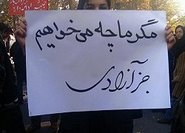


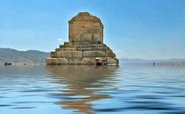



 Tulips in Holland