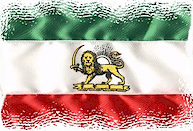

IMPERIAL EMBLEM

PERSIA
Iranian Freedom Fighters UNITE

Showing posts with label Girls. Show all posts
Showing posts with label Girls. Show all posts
Sunday, April 27, 2008
Persian Females
Dancing IRANIAN Girl
Dokhtar_E_ IRANI - Persian Girl Dances in a privet PartyDokhtar_E_IRANI -http://www.youtube.com/watch?v=enbWH7nO-x8
Arabic and Persian Dance Oul Tani Eih
http://www.youtube.com/watch?v=qG9UbnkcjAc
Persian Dancing (with an arabic flair)
http://www.youtube.com/watch?v=RDpu-y-dETo
Friday, March 14, 2008
Funny Persian Boys & Girls & Soldiers - SEXY !!!
American Man Singing PersianAgeh Yeh Rooz
Iran's Young Women Find Private Path to Freedom
March 16, 2008 - The Observer - Peter Beaumont in Tehran
A headscarf pushed back to show off a new haircut, a tight jacket worn over traditional dress, expensive make-up ... the challenge to the hardline clerics is taking place in bars and cafes, not in the polling booth, as the youth of Tehran push the boundaries of self-expression .
On the wall of the Nadiri coffee house in Jumhoori Avenue, Tehran, a place where the young congregate, a sign reads: 'Our respected customers are kindly requested to take care of their hijab.' Shareh Beik, 27, a travel agent, sitting with her boyfriend, Mehdi Sayed, is struggling with hers. The pretty Venetian wool wrap that she wears as her headscarf - bought by Mehdi as a Valentine's Day present - is slipping off her short, fashionable feather cut and on to her shoulders. She tugs it back but it slips down again and then again. The problem is that she likes to wear her headscarf far back on her head to show as much of her hair as possible. For the men who drive the green and white vans of the gascht ershad - who police what women wear on the streets - her dress in this coffee shop, like many of the other young women, would be 'bad hijab'.
But the ershad is not in here, preferring instead to catch women on the streets to arrest and lecture over their attire: boots too high, tunics too short or hair improperly covered. The rules of the coffee houses - in comparison with the street - reflect the fundamental division in Iran. It is not the divide between the 'Reforms' and the 'Principalists' of President Mahmoud Ahmadinejad, who competed for Iran's parliamentary elections on Friday. For many of the young, including Mehdi and Shareh, those elections represented an increasingly irrelevant distinction in a clerical system they feel is stacked in favour of itself. Instead, the division is between what Iranians do and say in private, or in places where they feel comfortable, and how they are forced to behave in public. The inevitable tension between the two is defining the boundaries of the country's culture wars. For it is here, rather than in the polling booths, that Iran's most crucial competition is taking place - over the limits of what is acceptable self-expression. It is the struggle to push the boundaries of freedom in Iran. In Tehran, it is visible in the girls who wear their scarves pushed far back on their heads, hair springing free, faces heavily made up or tight jackets worn over their knee-length mantles in a challenge to the system.Even those attempting to push the boundaries insist that, despite the image of Iran in the West as virtually a totalitarian regime, Iranians enjoy more freedoms than they are credited with. Two of those are Sohrab Mahdavi, editor of the online Tehranavenue.com, and his friend Ramin Sadighi, a musician and director of a record label, who are involved in a project to bring more music into public places.'The crucial thing to understand about Iran,' said Mahdavi, 'is that we do have freedoms. The important issue is the separation between public and private space in Iranian life. Since the revolution, public space has been tightly controlled [by the clerical authorities], so people have created their own "public spaces" in private. A consequence is that what is acceptable in private is now constantly in the process of trying to nibble away at the controlled public arena.''And you have to bear in mind,' said Sadighi, 'how youthful the population is here. They are the fruits of the system in many respects. But they are going in an opposite direction to it. There is no social movement that is represented by them - and I think that is probably a good thing for the future of Iran - but what is happening is that people have joined together to form small colonies of interest.'It is a business that is explained by a young Iranian teacher. 'In the private space, you don't have to hide yourself. There are no restrictions. No boundaries. On what I read. What I believe. What I want to know.' But if there are safe areas - places and circles of friends - the process of connecting with others with similar views is a careful, disjointed and sometimes laborious business. 'If there is someone who I think I might want to make friends with,' said the teacher, 'I try to spend some time seeing what they are like. I try to see how they act around other people. In private when they are free. I try to see a way to penetrate who that person is.'It is born of necessity in a place where nonconformity is punished in a number of ways: by exclusion from work, temporary arrest, by longer sentences. By the threat, sometimes, of violence.It was evening in a small basement flat in central Tehran. Four educated women friends were meeting to eat cakes and talk. They admitted they often criticised the system, but, like many Iranians, said they felt uncomfortable doing it in front of a foreign journalist. Entering the flat, a safe, private space, from the bustling city outside, one of Iran's borders was visibly crossed. When they came in, the three youngest quickly removed their scarves and coats.It did not mean that they necessarily disagreed with the wearing of the headscarf in public. But what they did insist was that they should be able to frame it within their own beliefs as individuals and not be told how to behave by the clerical authorities.More complex still was their view of the young women in the Tehran streets with their 'bad hijab' and make-up, who are rebelling most visibly against the dress codes. 'The young girls are really against the hijab,' said one of the friends. 'You can see it in the make-up they wear.''The young girls are just the same,' said Neda, a technical translator, a little wearily. 'They are just conforming in another way.' She quickly said more sympathetically: 'But they are saying to the system: "We are here. You can't ignore us." It's the same with the boys, turning their music up loud. It is the only way they can express themselves.'The conversation turned to the issue of the elections and the widespread disillusion of many with Iran's political system, which they feel has let them down. Mehernoush, a student, is the most scathing both about her country's president - 'a foolish man' - and the clerical system of government. 'They govern for themselves,' she said. And then defiantly: 'And we live for ourselves!The women argued among themselves. 'The politics is ridiculous!' said Mansoureh, an editor. 'But we can't give up on it,' replied Mehernoush warmly. 'I mean, you used to be an activist.'Finally, it came to the issue of freedom of speech, the real question circumscribed by this informal gathering. 'I think it depends on the person, how critical you are,' said Mehernoush. 'I feel that I can do what I want. I know a lot of people feel they cannot say what they think. My colleagues at university don't have the courage to express themselves.'I took a drive out of Tehran, past grey dusty mountains coloured in places green and red with mineral deposits, or frosted with naturally occurring salt.About 100km to the south is the small country town of Aradan, where Ahmadinejad was born. There are a handful of shops on the main street, some selling traditional goldfish in bowls for the new year festival of Norouz. In a greengrocer's, men buying oranges criticised Aradan's most famous son.The complaints, even in this conservative place, were the common grumbles heard in Iran: about rampant inflation, unemployment and lack of facilities. About an unequal treatment by a clerical system that favours itself.'No one can talk about this,' said a short, heavy-set man, who would not give his name, and signed as if to seal his lips. 'If you want to talk about these things it is better to talk about them in a private place. In someone's home maybe. Not on the street. But that is not so easy.'It is only in the Pizza Shop, a little cafe selling sandwiches and soft drinks, that a resident was willing to speak on the record and to explain the reticence of the townspeople. 'It has never happened in a small place like this that people are prepared to stand up and say something,' said Ali Dwosti, the owner. 'To say we are free. We are free to speak, of course. It is just that it has never happened.'Part of the problem, as Mahmoud Beheshti Langeroudi conceded back in Tehran, is that for the freedoms that do exist - like union membership - there are red lines that quickly bring members into confrontation with the system.Twice briefly jailed for demonstrating about poor conditions for teachers, once under the Reformers and a year ago under Ahmadinejad, he explained the nature of the real limits on expression in Iran. 'The authorities act when they see something they feel is threatening to it, that they think may turn into a movement.'They are worried that any demonstration or movement could turn into something big. That is when they move to nip it in the bud. The red line is making the system feel insecure.'If, as some argue, the growing dissatisfaction with the regime under Ahmadinejad is becoming more intense, it is being driven by a younger generation. The issue of age, Ramin Sadighi conceded, is crucial to Iran's emerging tensions. Those in middle age and older, he suggested, are more willing to make compromises with the system of governance than the young.And what is holding back greater pressure for a more organised change - for a confrontation with a system that many reject - is that the different communities of interest in Iran have not learnt how to break out of their private networks and connect.'We are not used to having connections. Each small group is like an island with its own private ethics. The only real connection that the younger generation have here is to the outside via satellite television. And unfortunately that is a fake connection,' he said sadly. 'It is an illusory idea of how people live in the outside world.'And that notion of private ethics is nowhere more visible than in the underground of Tehran's party scene, where behind closed doors young Iranians take the risk of living the life of their choice.Last week a small group of artists and their friends - one of the islands of Iran - gathered to drink bootleg vodka and dance and listen to music. With self-conscious irony one of those songs was 'It's a Sin'.They included professional dancers who cannot dance in public, artists who show their work to private gatherings and activists who give speeches at invitation-only lunches. 'I gave a speech last week for International Women's Day,' said one guest. 'But it was for an invited group meeting for a lunch. I am exhibiting some of my art as well. But again it is in private.'Behind these closed doors, where women dance in halter tops and guests discuss arts and politics and music hungrily, the vans of the gascht ershad seem like a million miles away.'The question of public and private is the only real issue of interest in Iran today,' said the hostess, an energetic woman with her hair tied in a loose ponytail. 'For me the public space is surrounded by four walls. It is only here - in private - that I'm free.'
0
comments

 Labels:
and persian dancing,
awesome,
best,
best break dance,
best breakdance,
boys,
breakdance,
Dance,
dancing,
funny,
Girls,
Iranian,
iranian boy,
iranian boys,
iranian dancing,
Persian,
sexy,
soldiers
Labels:
and persian dancing,
awesome,
best,
best break dance,
best breakdance,
boys,
breakdance,
Dance,
dancing,
funny,
Girls,
Iranian,
iranian boy,
iranian boys,
iranian dancing,
Persian,
sexy,
soldiers
 Labels:
and persian dancing,
awesome,
best,
best break dance,
best breakdance,
boys,
breakdance,
Dance,
dancing,
funny,
Girls,
Iranian,
iranian boy,
iranian boys,
iranian dancing,
Persian,
sexy,
soldiers
Labels:
and persian dancing,
awesome,
best,
best break dance,
best breakdance,
boys,
breakdance,
Dance,
dancing,
funny,
Girls,
Iranian,
iranian boy,
iranian boys,
iranian dancing,
Persian,
sexy,
soldiers
Tuesday, March 04, 2008
TO : Secretary-General Ban Ki- moon
نامه به دبیر کل سازمان ملل،کمیسیونر عالی حقوق بشر،
ریاست اتحادیه بین المجالس و دبیر کل اتحادیه بین المجالس
به وضعیت انتخابات فرمایشی و نقض حقوق سیاسی- مدنی مردم ایران رسیدگی کنید
Secretary-General Ban Ki- moon
آقای بن کی مون دبیرکل محترم سازمان ملل
خانم لوئیس اربور
کمیسیونر عالی حقوق بشر سازمان ملل
ریاست محترم اتحادیه بین مجالس کشورها
Pier Ferdinando CASINI
دبیرکل محترم اتحادیه بین مجالس کشورها
Mr. Anders B. Johnsson
همانطوری که مطلع هستید ایران کنوانسیون حقوق سیاسی و مدنی را امضاء نموده و الزام حقوقی به اجرای مفاد این کنوانسیون را دارد. بیانیه ملاکهای انتخابات آزاد و سالم نیزتوسط حکومت ایران، تائید و امضاء گردیده است. متاسفانه مقامات حکومت ایران در دوره های مختلف انتخابات، همواره حقوق انتخابات شوندگان و انتخاب کنندگان را با حذف داوطلبین مجلس و ریاست جمهوری تضییع نموده اند. این نقض حقوق مدنی مردم ایران که مغایر با ماده 25 کنوانسیون حقوق سیاسی مدنی و همچنین مفاد بیانیه انتخابات آزاد و سالم است، شامل دو بعد قانون انتخابات و فرایند برگزاری انتخابات می باشد.
قانون انتخابات:
این قانون شرایط کاندیداتوری را محدود به معتقدین و ملتزمین به جمهوری اسلامی و ولایت فقیه و اسلام نموده است ، به این ترتیب حق مشارکت و حضور دگر اندیشان دینی وغیردینی و هم چنین احزاب و سازمانهای سیاسی بصورت قانونی مسدود گردیده است. مطابق بیانیه معیار های انتخابات آزاد، قوانین داخلی نباید مغایرتی با تعهدات بین المللی کشور داشته باشد. متاسفانه تمامی قوانین انتخابات در ایران(ریاست جمهوری-مجلس- شوراها)مغایر و درتضا دآشکار با کنوانسیون حقوق مدنی و سیاسی قرار گرفته است .
فرایند برگزاری انتخابات
گرچه قوانین انتخابات در ایران، مغایر و در تضاد با تعهدات بین المللی که دولتها و از جمله دولت ایران مکلف
به رعایت آن می باشند،قرار دارد، اما حتی همین قانون نیز عملا در انتخابات پیش رو رعایت نگردیده است. طبق قانون انتخابات فعلی هیات های اجرایی، هیات های نظارت و شورای نگهبان مسئوول بررسی و اعلام نتیجه صلاحیت کاندیداهای مجلس شورای اسلامی هستند.صلاحیت بسیاری از نمایندگان که به گفته ستاد انتخابات کشور بالغ بر 3000 نفر و به لحاظ آماری 31 درصد[1] می باشند، تایید نشده است. تعداد زیادی از کاندیداهای اصلاح طلبان[2] نیز رد صلاحیت شده اند، بعلاوه اینکه حق ابطال صندوق ها در اختیار شورای نگهبان قرار دارد و معلوم نیست افرادی که از مرحله تعیین صلاحیت عبور کرده اند، در صورت کسب آراء مردم، بتوانند به مجلس راه یابند.همانطوری که می بینید انتخابات در ایران آزاد نیست. اهم دلایل این عدم صلاحیت به شرح زیر به کاندیداها اعلام شده است: الف- عدم التزام به اسلام: تمام کاندیداهای رد صلاحیت شده به هنگام ثبت نام ، کتبا به التزام عملی به اسلام اقرار کرده اند، اما درمیان رد صلاحیت شدگان تعدادی آیت الله، روحانی و فرزندان آیت الله ها و چهرهایی که مشهور به تدین و دینداری هستند وجود دارد، (از جمله آیت ا... موسوی تبریزی[3])، که صلاحیت ایشان به این دلیل رد شده است.ب- عدم التزام به ولایت فقیه: تعدادی از نمایندگان فعلی به دلیل عدم التزام به ولایت مطلقه فقیه ردصلاحیت شده اند که دلیل آن را به شرکت در تحصن مجلس ششم(4) و امضاء نامه 180 نفره نمایندگان مجلس ششم به رهبری حکومت در مورد برنامه های هسته ای ایران به عنوان مصادیق عدم التزام به ولایت مطلقه فقیه اعلام نموده اند. این در حالی است که طبق اصل 107 قانون اساسی ایران "رهبر در برابر قوانین با سایرافراد کشور مساوی است" و همچنین نمایندگان مجلس حق اظهار نظر در مورد تمامی مسائل کشور رادار می باشند.براساس کنوانسیونهای بین المللی، انتخابات آزاد و سالم بعنوان حق تمامی شهروندان، تکلیف دولت ها و تمامی سازمانهای بین المللی است. چناچه دولتی مانع تحقق این موارد گردد، سازمانهای بین المللی موظفند متخلفین را به اجرای مفاد کنوانسیونهای مصوب مکلف و برحسن اجرای مصوبات نظارت کامل داشته باشند. متاسفانه علیرغم تخلفات مکرر از سوی حکومت ایران، تاکنون نظارت بین المللی برانتخابات ایران به اجرا درنیامده است وطرح آزاد نبودن انتخابات از سوی شهروندان ایرانی با هزینه گزاف همراه بوده است. در پی تقاضای نهضت آزادی ایران (یکی از احزاب مهم در ایران) مبنی بر ضرورت نظارت سازمان ملل بر انتخابات ، رهبری نظام بلافاصله طی سخنرانی" درخواست بعضی گروه های سیاسی مبنی بر دعوت از ناظران بین المللی برای نظارت بر انتخابات مجلس "بی شرمی و بزرگ ترین جسارت به ملت ایران"خواند(5) . این در حالی است که نظارت سازمان ملل بر انتخابات به تصویب مجمع عمومی سازمان ملل رسیده است و ایران نیز بیانیه نظارت بر انتخابات کشورها توسط اتحادیه بین کشورها را به تصویب رسانده است. این سخنان رهبری بیانگر نگرانی او و همفکرانش از فرمان قتل عام سیاسی و مشکلات بیشماری است که بر مردم ایران تحمیل نموده اند.به همین دلیل است که نگران نظارت سازمانهای بین المللی بر انتخابات می باشند. شکایت و داد خواهی نسبت به نقض حقوق شهروندان ایرانی مبنی بر داشتن انتخاباتی آزاد و سالم در حالی به شما ارائه می شود که در داخل هیچ اعتنایی به شکایات داوطلبین،برای احیای حقوق از دست رفته اشان به عمل نمی آید و در این حالت بدون نظارت سازمانهای بین المللی باید شاهد برگزاری انتخابات فرمایشی و انتصاباتی بود که نه تنها تامین کننده حقوق تضیع شده مردم ایران نیست، بلکه به سخره گرفتن حقوق مردم و کنوانسیونها ونهادهای بین المللی است. تقاضای ما ازشما، رسیدگی آنی به وضعیت انتخابات فرمایشی در ایران و نقض حقوق سیاسی -مدنی مردم ایران می باشد.
از طرف امضاء کنندگان :
حمید حمیدی
سوم مارس 2008
رونوشت : به تمامی سازمانها واحزاب و نهادهای سیاسی- اجتماعی و فرهنگی( چناچه تمایل دارید، نام و یا نام سازمان متبوع شما در ارسال ترجمه شده منظور شودر، با ایمیل آدرس زیر مکاتبه نمائید.)
hamid.rhamidi@gmail.com
رونوشت : به تمامی سایت های فارسی زبان برای انتشار گسترده جهت اطلاع هموطنان
SEXY DANCING BY IRANIAN GIRLS
شب سکس داغ دختر ایرانی SEXY Dokhtar Irani .
رقص دودختراز گیلان و مازندران iran Gilan girls dance
رقص دودختراز گیلان و مازندران iran Gilan girls dance
Subscribe to:
Posts (Atom)


 Posts
Posts




 اخبار مربوط به زندانیان سیاسی و نقض حقوق بشر






 Tulips in Holland